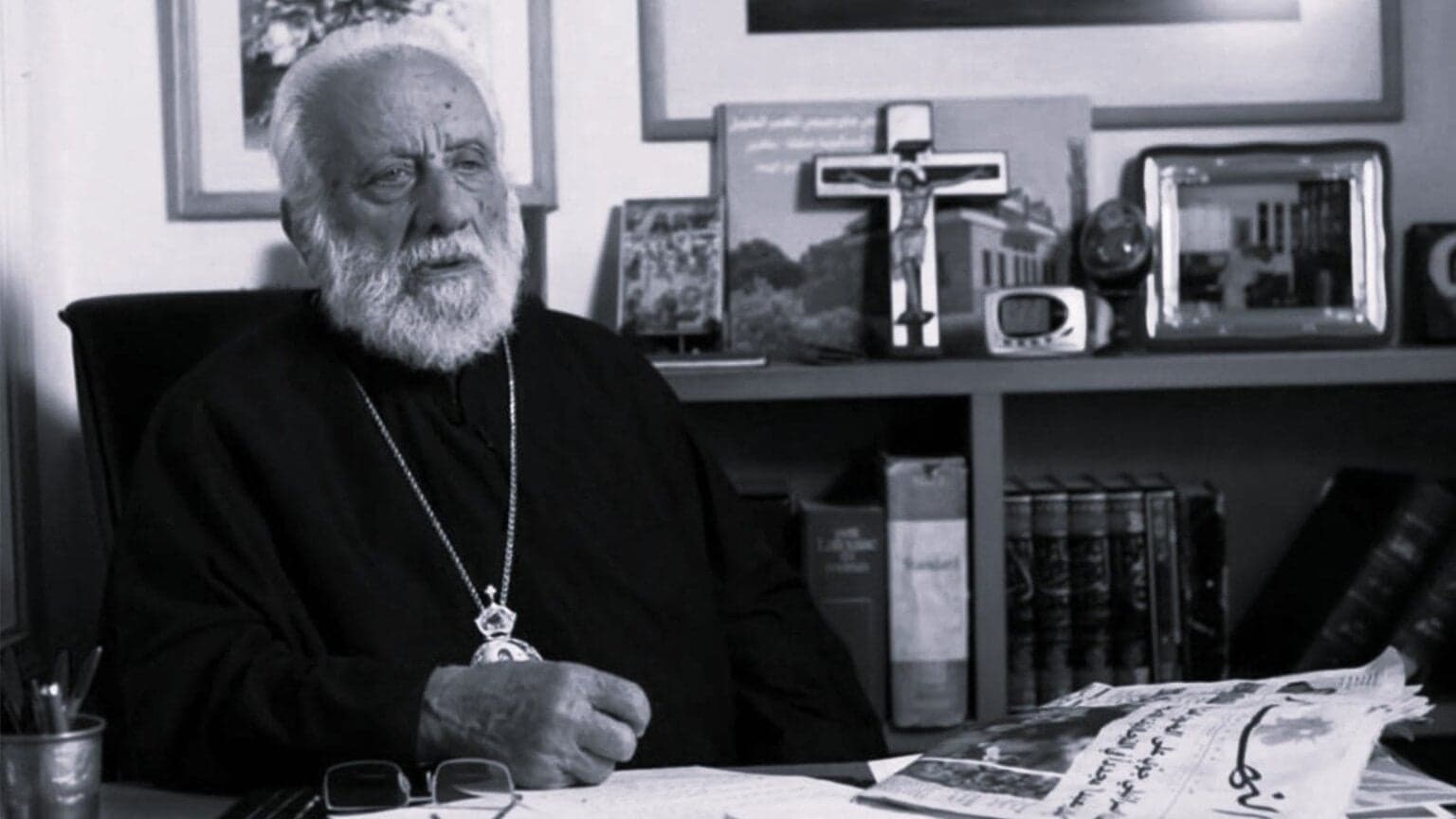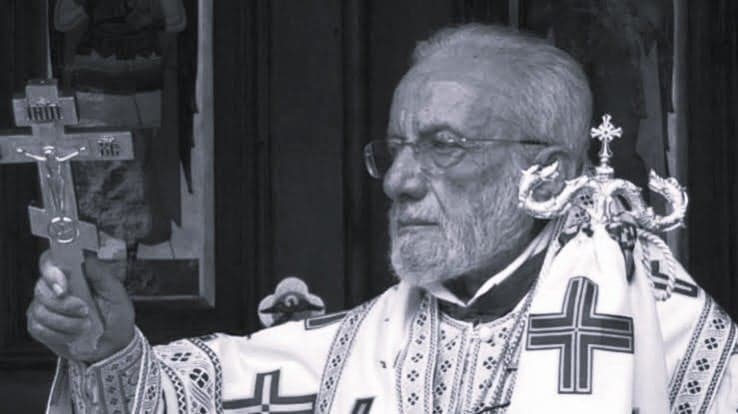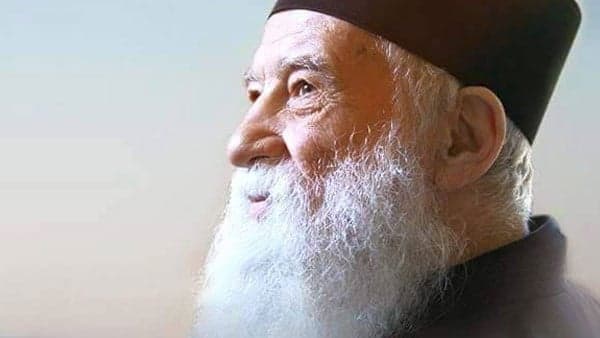
Saturday, 21 November, marked 20 years since the repose of Fr Gheorghe Calciu-Dumitreasa, a Romanian Orthodox priest who endured communist imprisonment and became a prominent voice of spiritual resistance to the regime.
Fr Gheorghe Calciu-Dumitreasa was born in 1925 in Mahmudia, in the Danube Delta, Romania. He was the eleventh and youngest child of a devout farming family.
He attended Spiru Haret High School in Tulcea before enrolling in the Faculty of Medicine in Bucharest.
Subjected to re-education at Pitești
In 1948, he was accused of printing anti-communist leaflets and supporting leaders of the nationalist student movement. Sentenced to eight years in prison, he was transferred to Pitești during the height of the communist regime’s notorious “re-education” programme.
“I believe that, many times, because of terror and fear, our hearts allowed the devil to prevail. But in the end, God brought each of us back. He gave each of us the chance to fight the final battle. For the final battle was not at Pitești. The final battle was in our hearts, after we had escaped Pitești. And for most of us, in the hearts of most, that final battle was won by God,” Fr Gheorghe Calciu recalled.
Over time, he nevertheless began to recover from his ordeal. In 1955, he refused to give the false testimony demanded by investigators, who sought to blame the prisoners themselves for the abuses committed during the re-education programme.
Resistance to communism
Released in 1963, he was placed under compulsory residence in Viișoara.
He remained under constant surveillance by the Securitate, Romania’s communist secret police, but refused to collaborate with it.
In 1967, he obtained a degree in Philology. With the support of Patriarch Justinian, he subsequently studied theology and was ordained to the priesthood, fulfilling a promise he had made while imprisoned.
During the 1970s, Fr. Calciu became one of the leading voices of spiritual resistance to the communist regime.
In his series of sermons entitled Words to Young People, published in 1978, he publicly denounced the demolition of churches and the prevailing climate of oppression, provoking a harsh response from the authorities.
He was dismissed from his teaching position at the Theological Seminary, while the Securitate harassed his family.
On 10 March 1979, he was arrested and sentenced to ten years in prison on the pretext that he was involved in the Free Trade Union of the Working People of Romania.
He was confined to a psychiatric institution and subsequently transferred to Aiud Prison, where he was placed in a cell with common-law prisoners who were reportedly instructed to kill him.
After speaking with Fr Calciu, however, the prisoners refused to carry out the assassination plan.
Received at the White House

International pressure from Ronald Reagan, Margaret Thatcher and Pope John Paul II contributed to his release in 1984.
In 1985, he was forced to leave Romania with his family.
His defrocking, imposed by the Romanian Orthodox Church in 1984, was lifted ten years later.
After arriving in the United States, he initially worked as an unskilled labourer before becoming the priest of an Orthodox parish in Washington.
He was received at the White House by both Ronald Reagan and George H. W. Bush.
Following the Romanian Revolution of 1989, he frequently returned to Romania.
Fr Gheorghe Calciu-Dumitreasa reposed in the Lord on 21 November 2006 and was buried at Petru Vodă Monastery in Neamț County.
To honour the memory and sacrifice of those who bore witness to their faith in communist prisons, the Holy Synod of the Romanian Orthodox Church proclaimed 2025 the “Commemorative Year of Romanian Orthodox Spiritual Fathers and Confessors of the 20th Century”.