Orthodox bishops in Germany have adopted new guidelines and procedural rules for handling cases of abuse and sexual harassment within the framework of the Conference of Orthodox Bishops in Germany (OBKD).
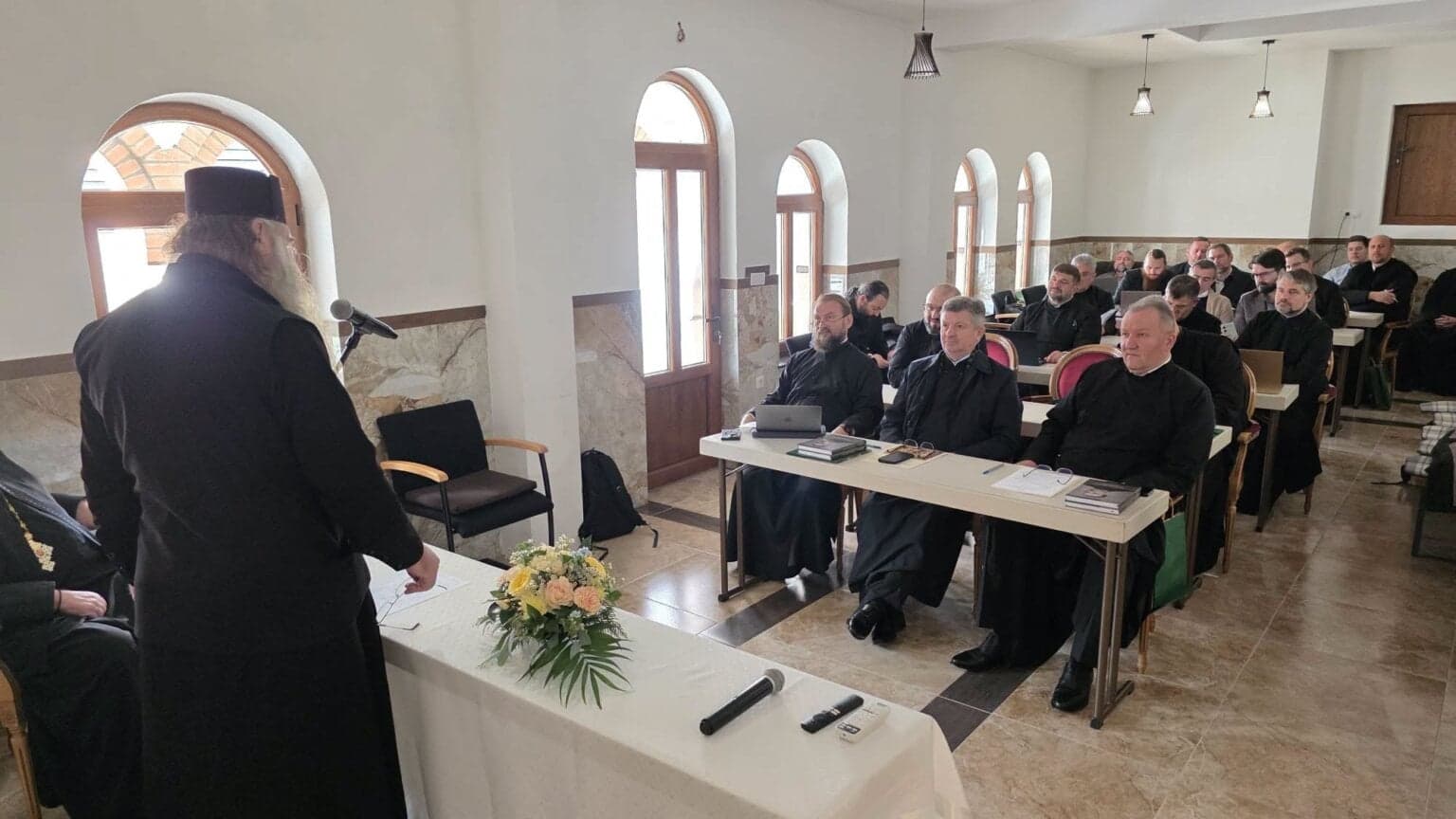
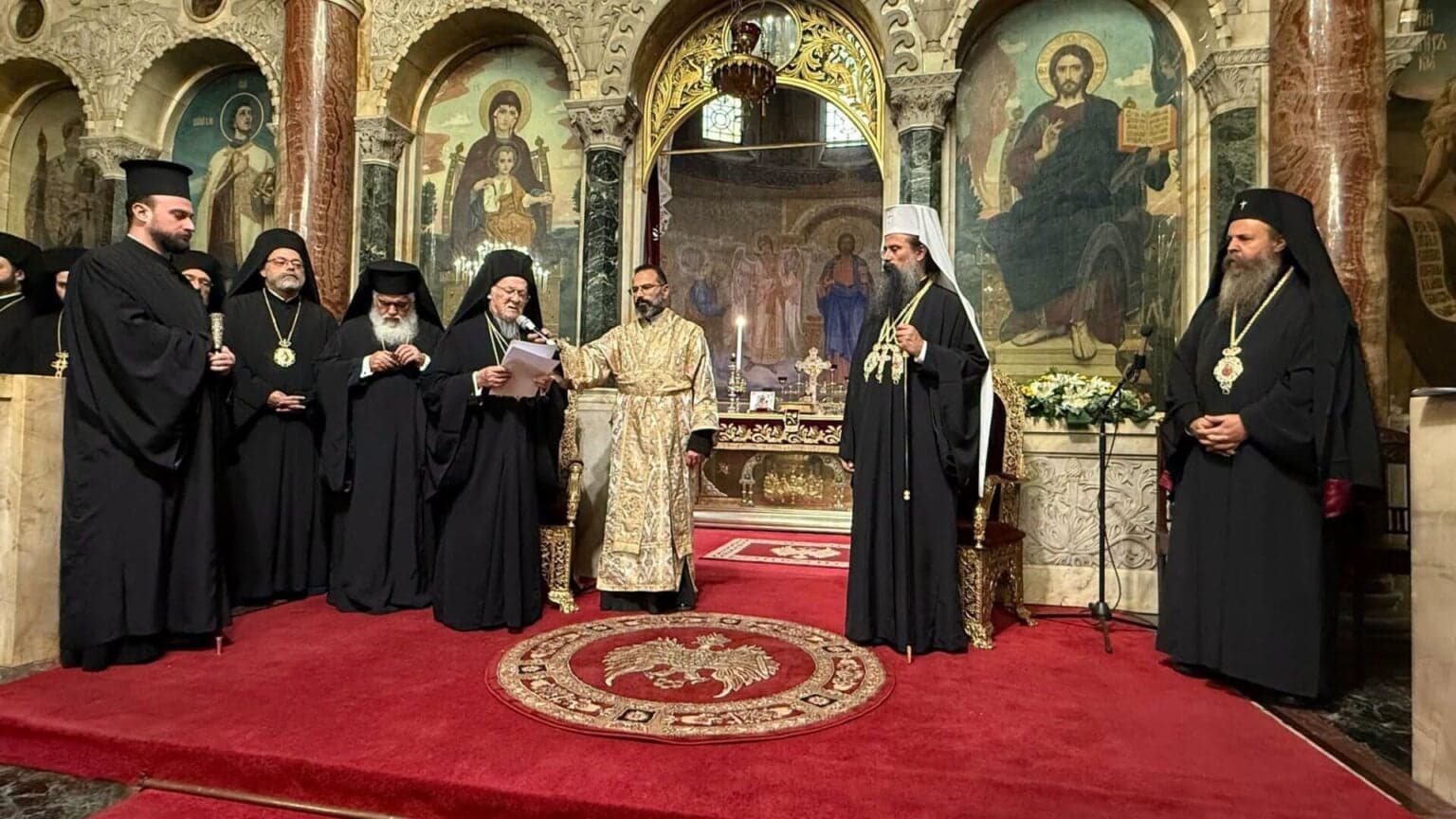
According to a press release, the canonical Orthodox bishops in Germany held a working session on 7 March at the diocesan centre of the Serbian Orthodox Church in Düsseldorf-Lichtenbroich, under the chairmanship of Metropolitan Augustinos of Germany (Ecumenical Patriarchate), chairman of the OBKD.
The meeting was attended by bishops and representatives of the Greek, Serbian and Romanian Orthodox Churches, as well as observers from the Russian Orthodox Church Outside Russia (ROCOR).
On the 16 Romanian holy women
The Romanian Orthodox Church was represented by Assistant Bishop Sofian of Brașov, who informed members of the Bishops’ Conference about the recent canonisation of 16 Romanian holy women and about the commemorative and solemn focus for 2026 in the Romanian Patriarchate.
Before discussing the items on the agenda, the bishops elected a new secretary-general of the Bishops’ Conference. Marko Vilotić, personal adviser to the Serbian Metropolitan of Germany, will henceforth serve as secretary of the Conference.
The Conference of canonical bishops also recommended that Orthodox parishes in Germany respond to the call of Federal President Frank-Walter Steinmeier to organise activities on the occasion of Germany’s Constitution Day on 23 May.

Great Lent pastoral letter
The bishops drafted a pastoral letter for the period of Great Lent addressed to Orthodox faithful in Germany. It was read on Sunday, 8 March, after the Divine Liturgy concelebrated at the Serbian Church of Saint Andrew the Apostle in Düsseldorf-Hassels.
The hierarchs in Germany underlined the importance of spiritual preparation during Great Lent: “These seven weeks are a time of preparation for the celebration of the Resurrection of our Lord Jesus Christ. Pascha is the culmination of Orthodox spirituality and life.”
In the pastoral letter, the faithful are encouraged to intensify their spiritual life, particularly through prayer and participation in church services: “Great Lent is a period in which, above all, we intensify our prayer. During this time the services of the Church are more numerous and longer.”
Drawing nearer to the Holy Mysteries
The hierarchs also encourage the faithful to approach more frequently the Mystery of Confession in order to receive the forgiveness of sins and spiritual guidance: “Orthodox Christians now make greater use than at any other time of the year of the Mystery of Confession to confess their sins and receive forgiveness from God.”
“As an expression of the restoration of love for God and neighbour, which has been wounded by sins of many kinds, the faithful strive during Great Lent to restore and strengthen communion through forgiveness, reconciliation with others and acts of love towards their neighbour,” the hierarchs said.
“All these things may at first appear a burden, but in reality they are a path that frees the human person from the state of sin and from bondage to the passions,” the pastoral message states.
The next meeting of the Conference of Orthodox Bishops in Germany (OBKD) is scheduled for 14 November 2026 in Cologne.
Photo: Freepik