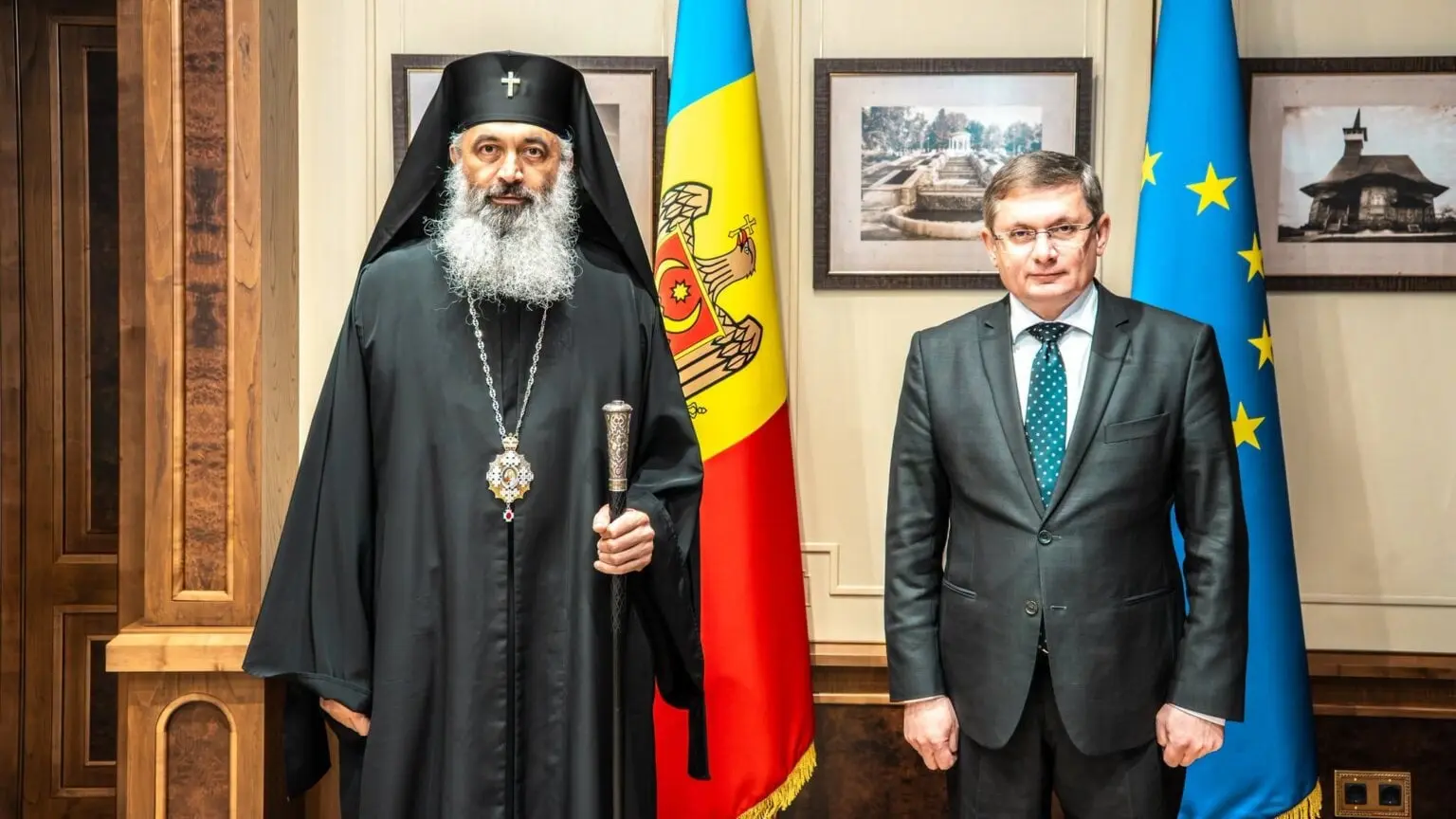
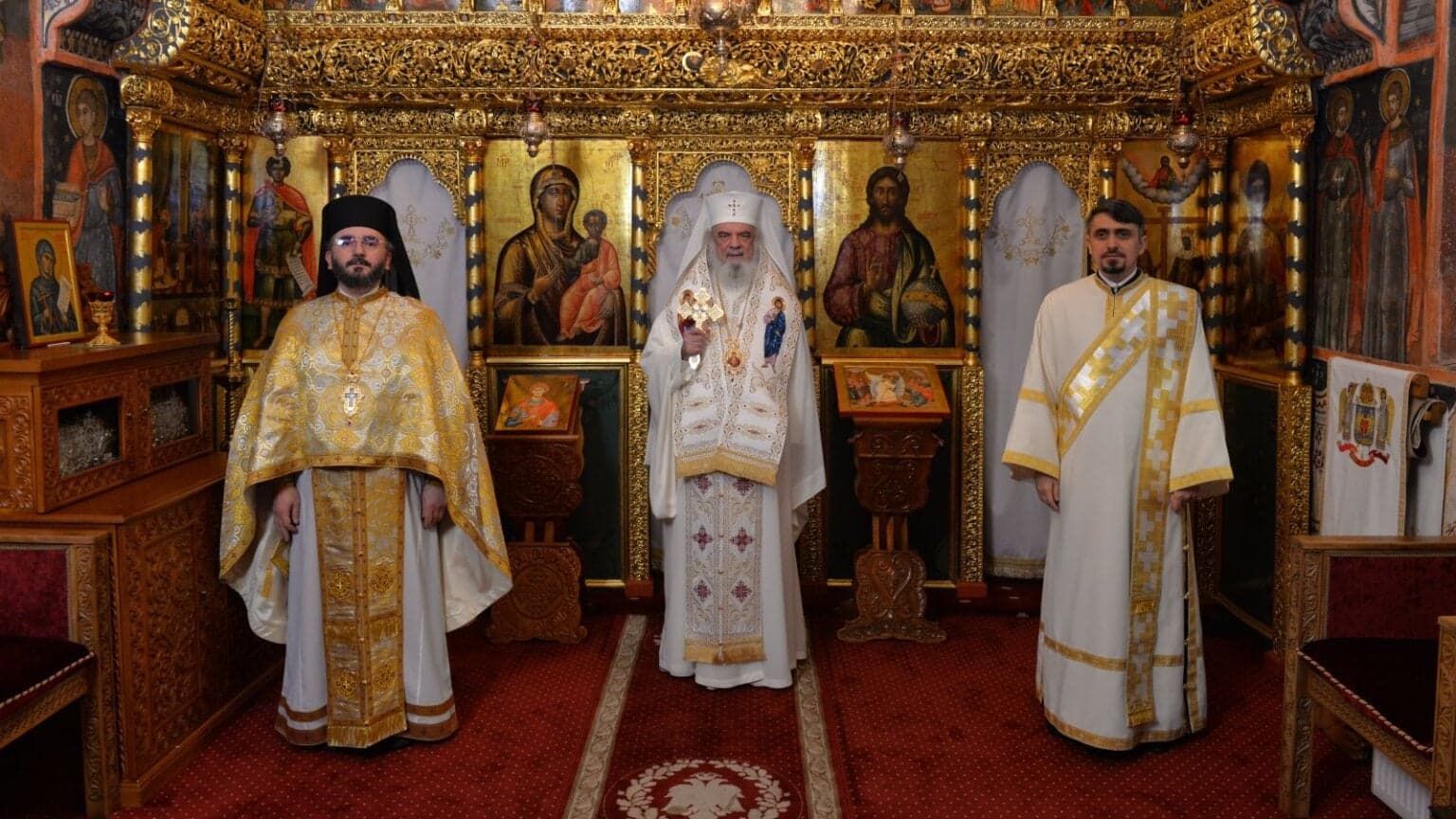
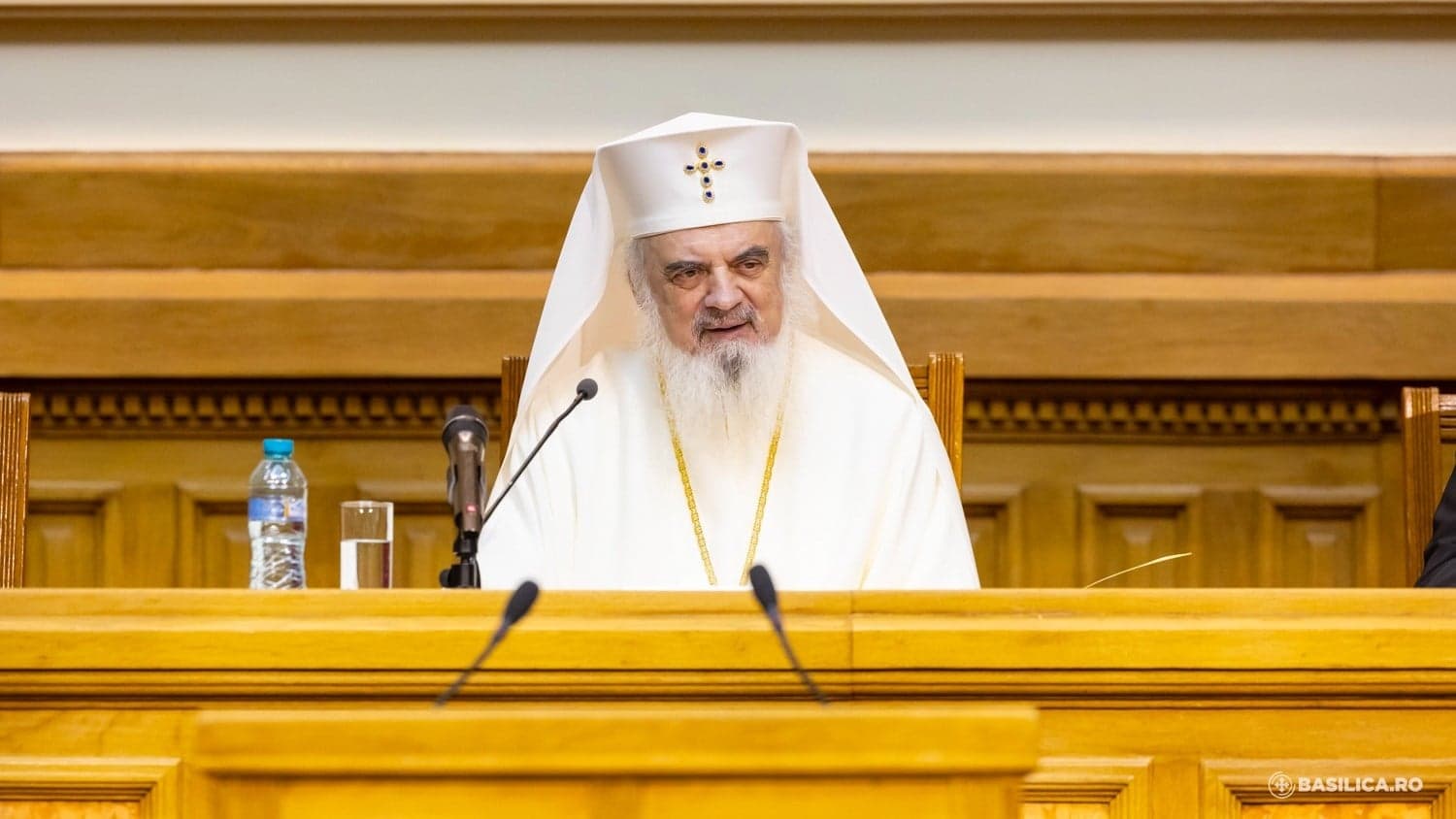
“We are called not only to say ‘Christ is risen’, but to show through our lives that Christ is alive. Let us become people of the Resurrection—people of light, peace, forgiveness and love,” Metropolitan Iosif of Western and Southern Europe said in his Easter pastoral letter to Romanians in the diaspora.
He stressed that the foundation of Christian faith is not an idea, but a living reality: the Resurrection of our Lord Jesus Christ. Citing Saint Paul, he recalled its centrality: “If Christ has not been raised, then our preaching is in vain, and your faith is in vain” (1 Corinthians 15:14).
Referring to the fear of death that shapes modern life, the metropolitan said the Resurrection responds to this deep anxiety: “We live—perhaps without fully realising it—under the shadow of the fear of death. Through Christ, death is no longer a wall, but a door; no longer an end, but a passage—our Pascha.”
Christ present in our lives
Metropolitan Iosif also explained how the Resurrection becomes a lived reality for believers.
“Through the forgiveness of sins in the Mystery of Confession, united with the Mystery of Holy Communion with His Body and Blood, we become partakers of His Resurrection and of His love for us, carried to the Cross and death, through which He continually renews us.”
He warned against living as though Christ had not risen, recalling the disciples on the road to Emmaus. “Christ is present in our lives, but our eyes are closed. Why do we not see Him? Because our expectations are wrong. We want God according to our measure, not according to His truth.”
The logic of the modern world
The metropolitan also addressed the challenges of contemporary society, saying it promotes a logic different from that of the Gospel.
“The world we live in proposes a completely different logic: the logic of fear, power and competition—a world in which a person is often defined by what he has, not by what he is.”
By contrast, Christ reveals the path of sacrificial love: “He does not conquer by force, but by love. He does not dominate, but offers Himself.”
A family under pressure
A special focus was placed on the family, which the metropolitan said is deeply tested “from all sides, but especially from within, through the growing weaknesses manifested among spouses and, subsequently, among children.”
He added that the Resurrection transforms the perspective on life and the world: “We no longer live only for this world, but for the Kingdom of God.”
“It means we can forgive, even when it is difficult. That we can love, even when we are not loved. That we can have hope, even in suffering—because we know that death does not have the final word.”
“And then our entire life will become a testimony—a testimony that death has been overcome, that darkness has been defeated, that Christ is alive,” Metropolitan Iosif concluded.
Photo: Antwerpen Romanian Parish