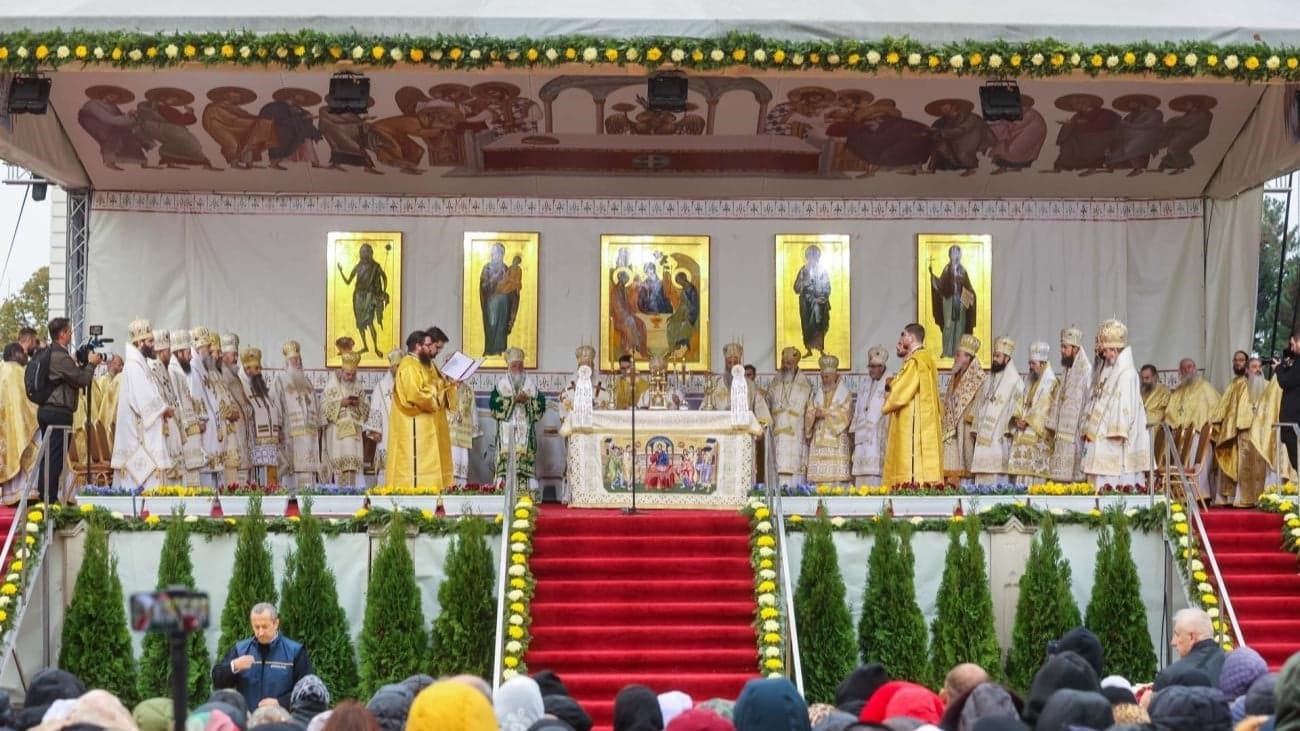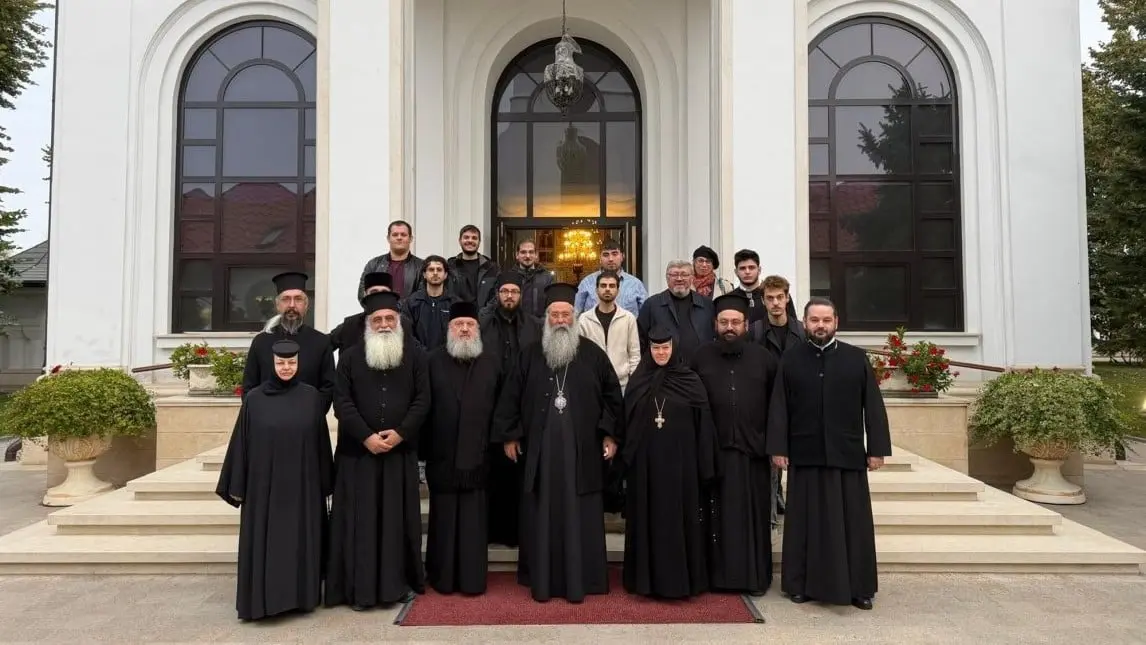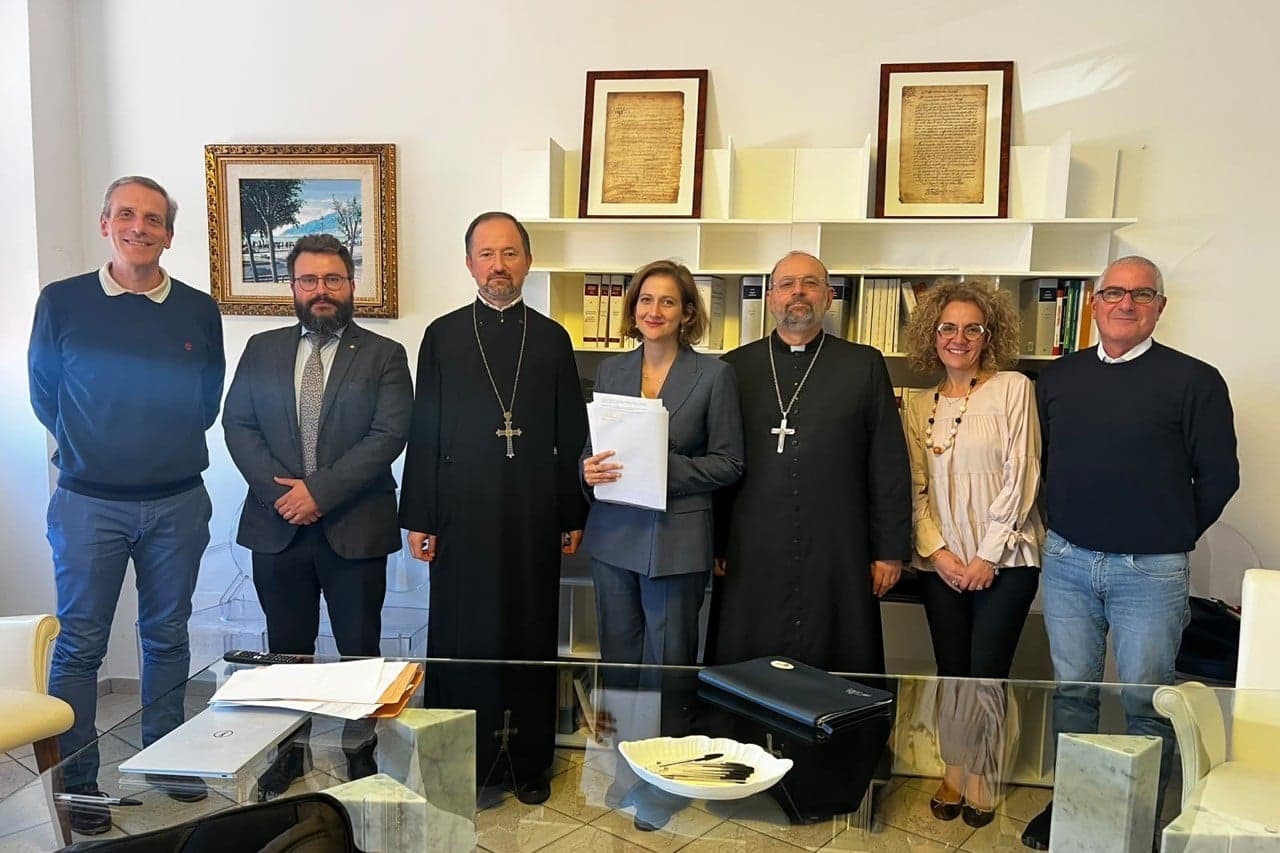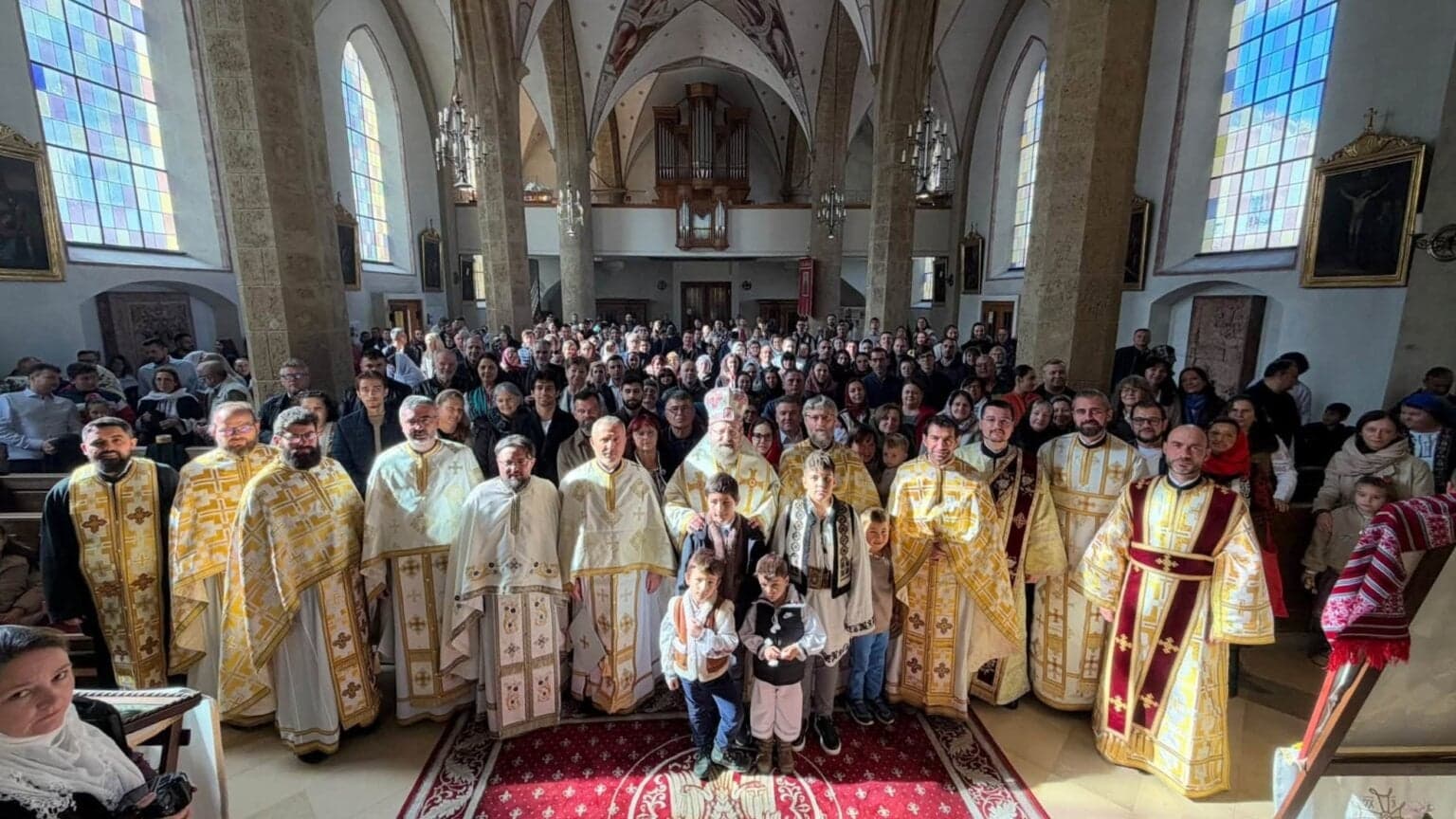
More than 500 Romanian Orthodox clergy and faithful from Austria, Germany and Romania took part on Saturday in a pilgrimage dedicated to the Holy Transylvanian Confessors in Kufstein, Austria.
The pilgrimage was organised in memory of those who defended the Orthodox faith in Transylvania during the 18th century.
They include St Bessarion Sarai, St Sophronius of Cioara, St Nicholas Oprea, St John of Galeș and St Moses Măcinic of Sibiel, commemorated annually by the Romanian Orthodox Church on 21 October.
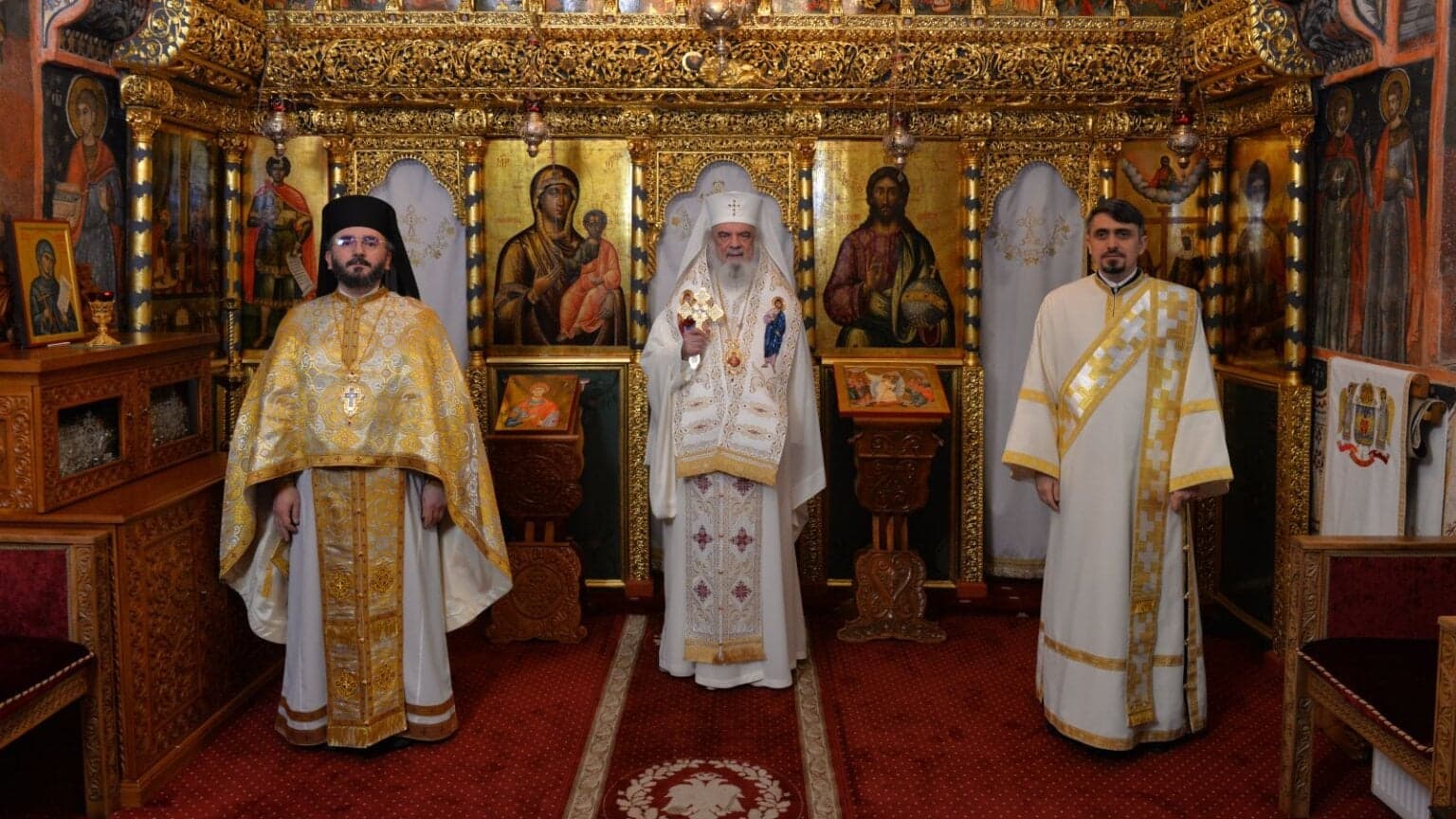
The programme began at the Roman Catholic Church of St Vitus, near Kufstein Fortress, where the Divine Liturgy was celebrated by His Eminence Metropolitan Serafim of Germany, Central and Northern Europe, together with Assistant Bishop Sofian of Brașov of the Archdiocese of Germany, Austria and Luxembourg.
Growing numbers of pilgrims each year
Assistant Bishop Sofian of Brașov highlighted the spiritual significance of Kufstein Fortress, where confessors of the Orthodox faith were imprisoned.
The bishop explained that their suffering transformed the place of imprisonment into a place of witness to the faith, while the annual pilgrimage helps preserve their memory.
“I am very glad to see that there seem to be more and more of you each year, and I thank you for coming,” His Grace told the pilgrims.
The auxiliary bishop also emphasised that the Holy Transylvanian Confessors did not live to see the fruits of their sacrifices. Nevertheless, their witness to the faith helped preserve the Orthodox identity of Romanians in Transylvania.
Prayer at Kufstein Fortress
Before the faithful received Holy Communion, Archdeacon Mircea Gheorghe Abrudan presented aspects of St Bessarion Sarai’s life.
The saint carried out missionary work in Banat and Transylvania before being arrested in 1744 and subsequently imprisoned at Kufstein, where he reposed in the Lord in 1757.
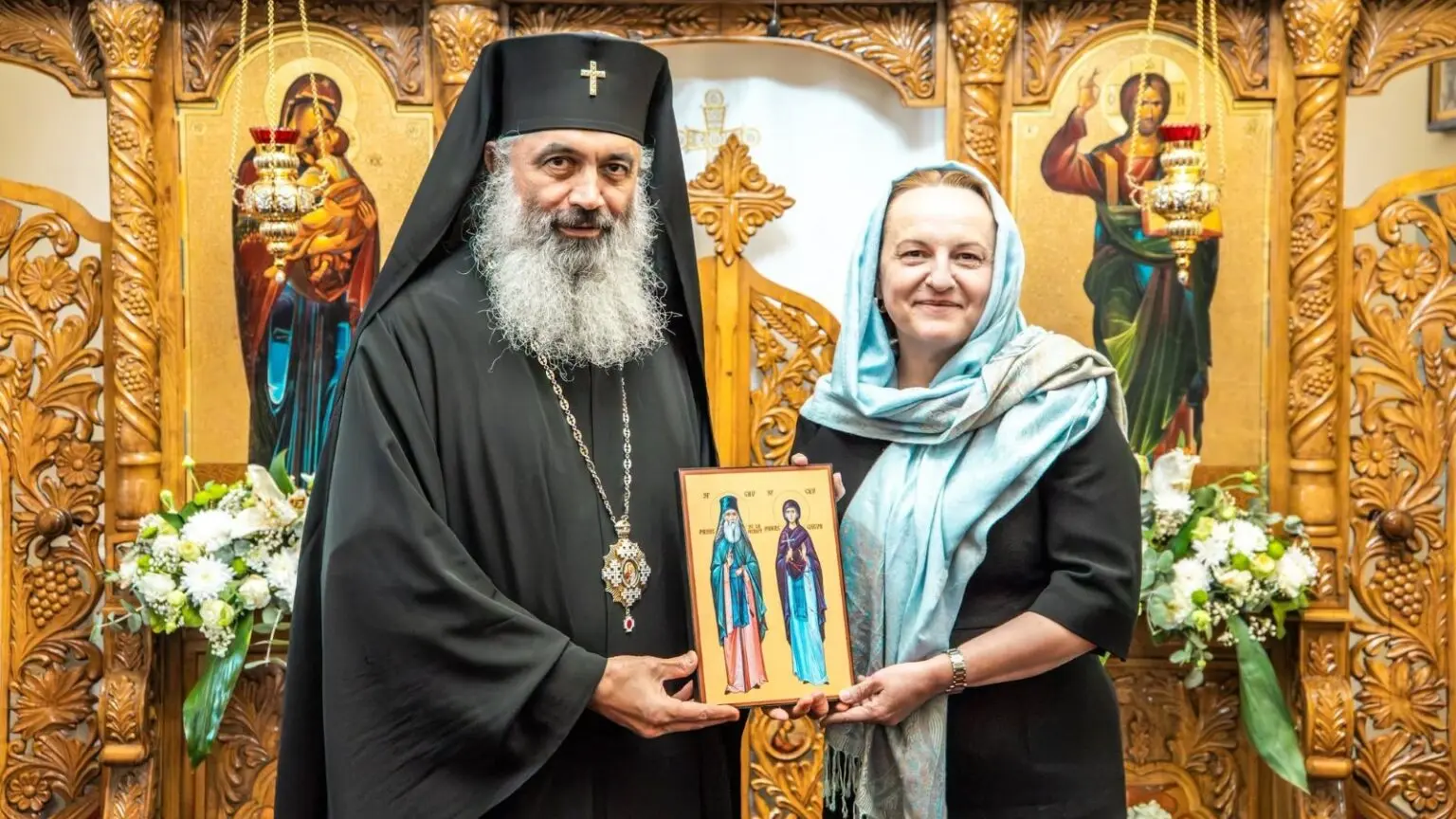
At the end of the Divine Liturgy, Metropolitan Serafim conferred the ecclesiastical rank of sacellarius on Fr Daniel Stan, parish priest of the Romanian Orthodox community in Kufstein, established in 2020.
Following the service, the pilgrims climbed to Kufstein Fortress, now a museum, where they visited the places in which the confessors had been imprisoned.
A memorial service was celebrated inside the former prison for those who had suffered there.
The pilgrimage concluded with a fellowship meal organised by the Romanian community in Kufstein.
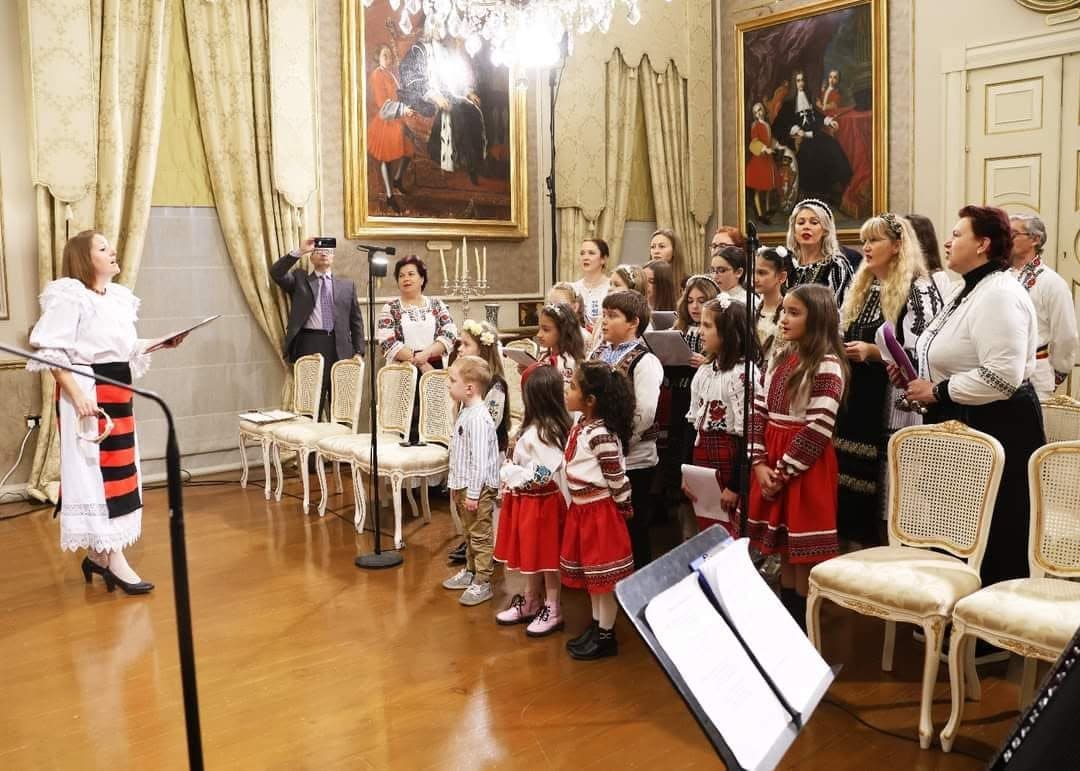
The programme also included artistic performances by parish members and guests from Romanian communities in Austria and Germany.