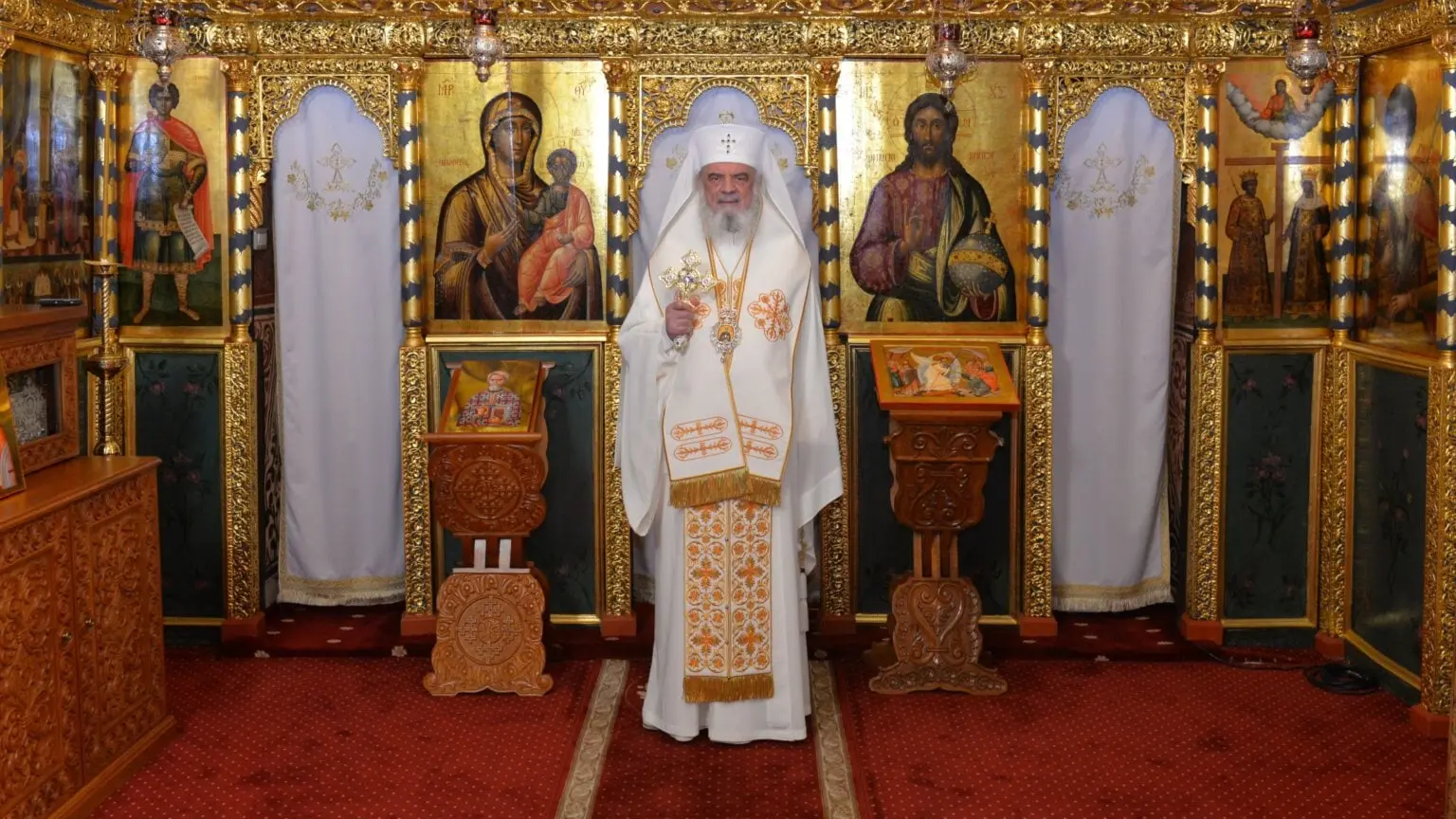
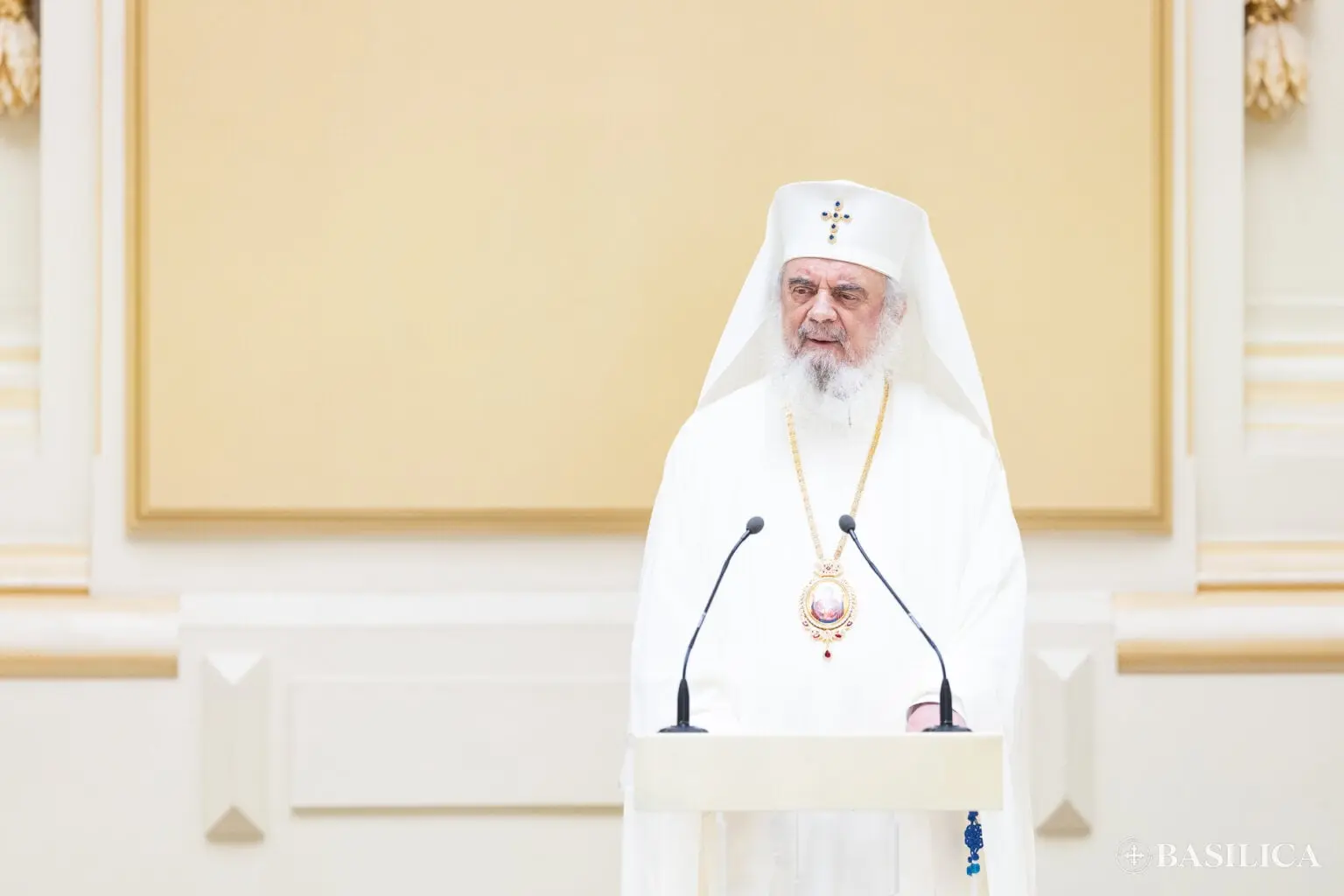
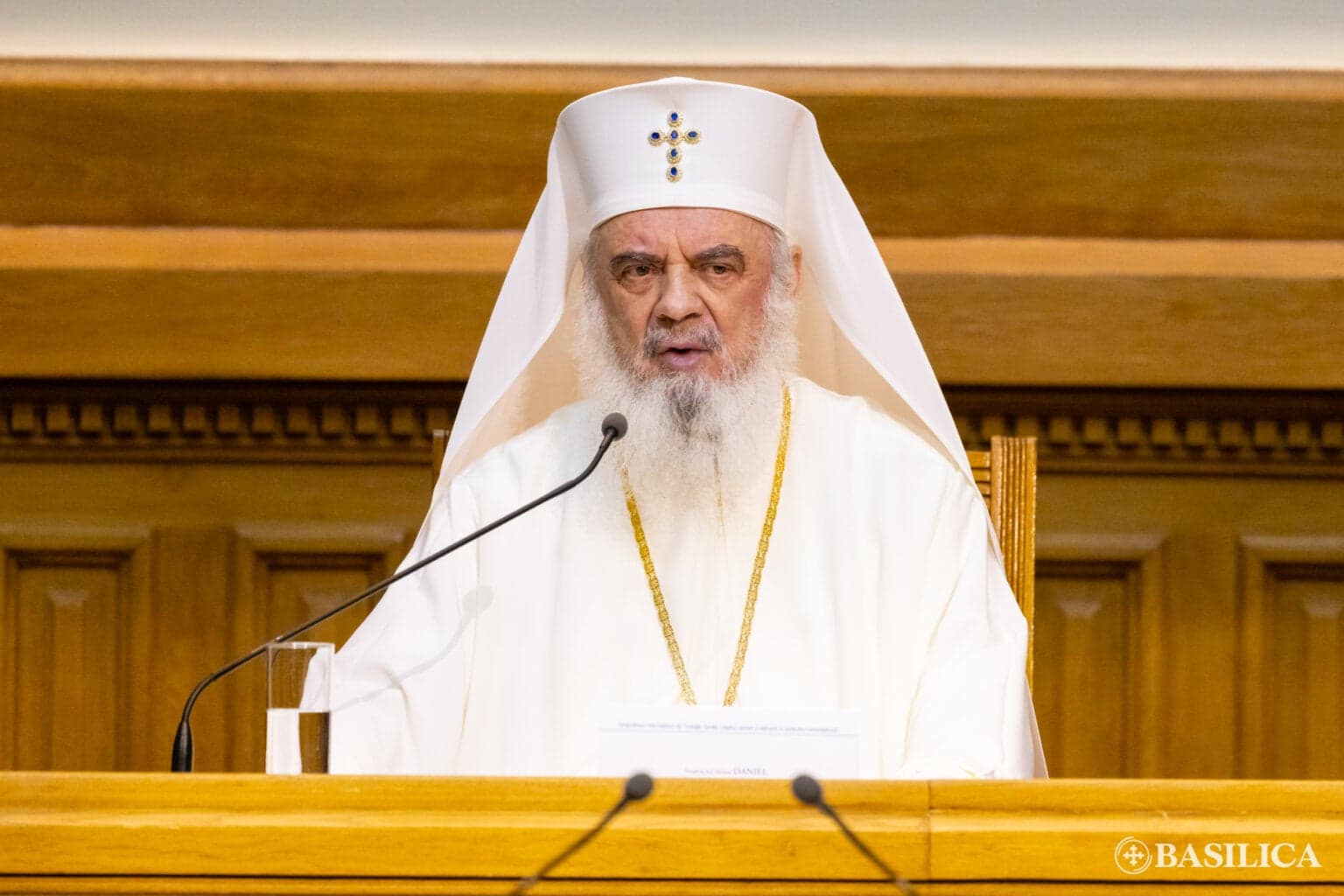
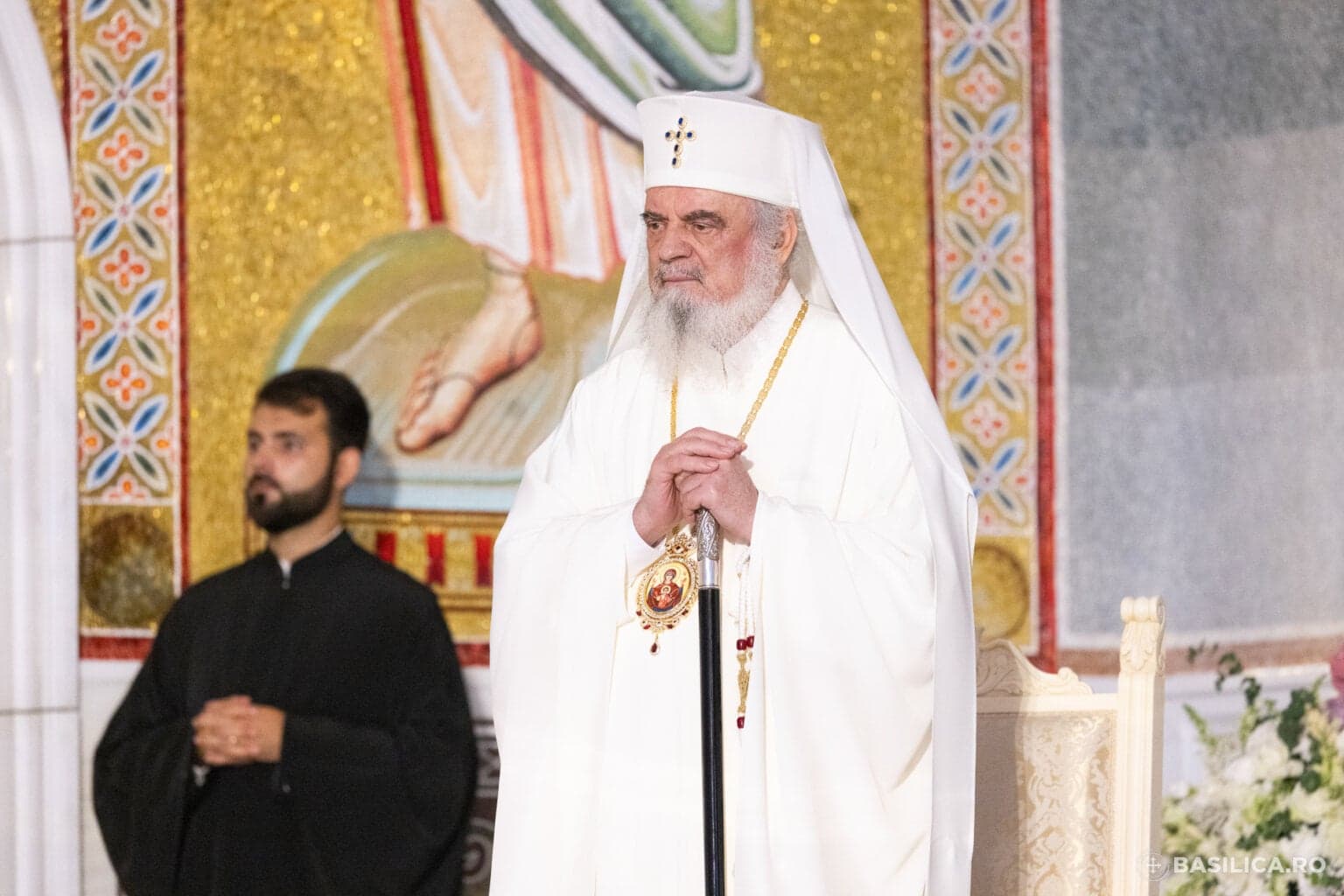
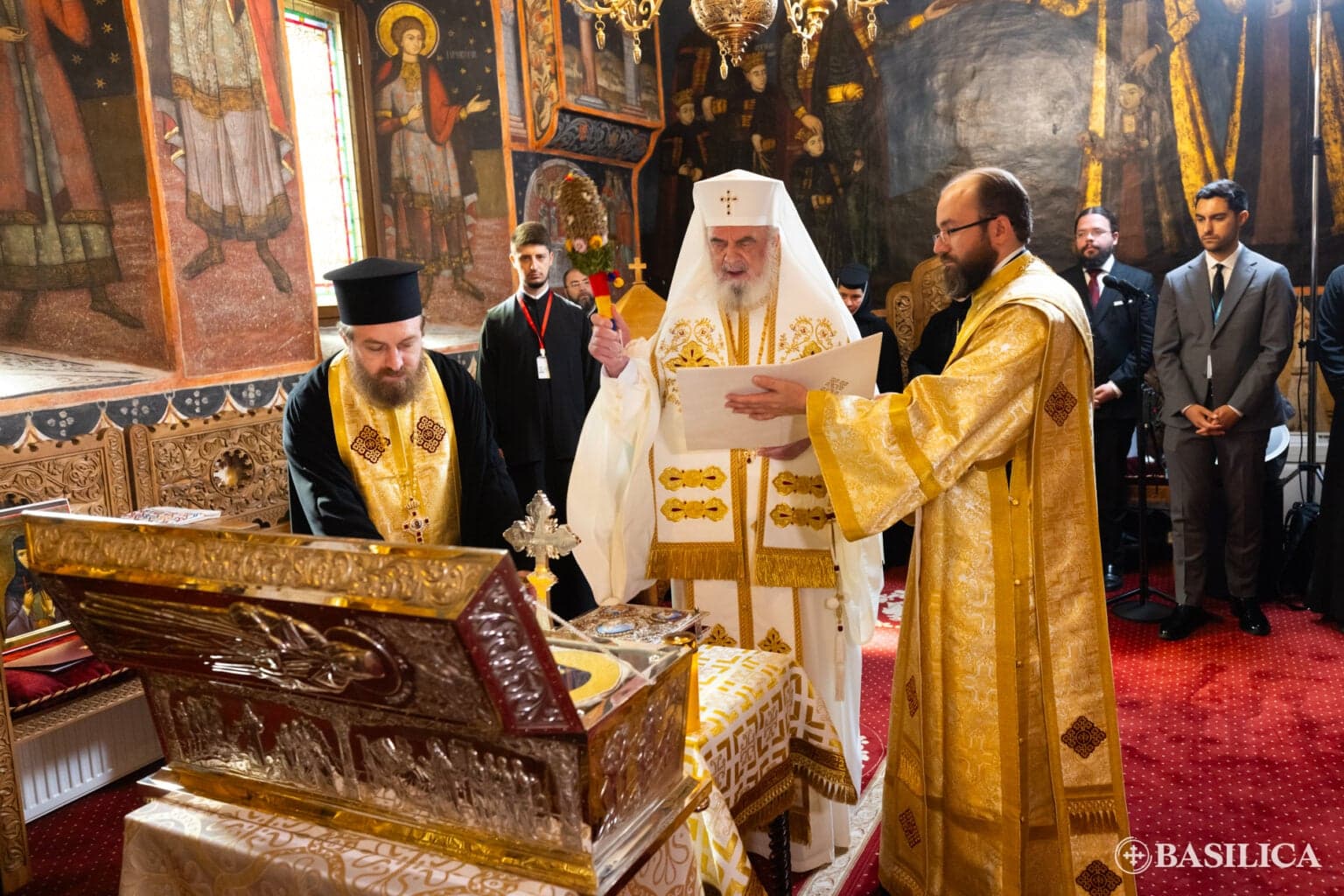
“Autocephaly and the patriarchal rank are not mere historical facts — they are the very life of the Church in Romania,” said His All-Holiness Ecumenical Patriarch Bartholomew I, on Monday, after concelebrating the Divine Liturgy with His Beatitude Patriarch Daniel at the Outdoor Altar of the Patriarchal Cathedral.
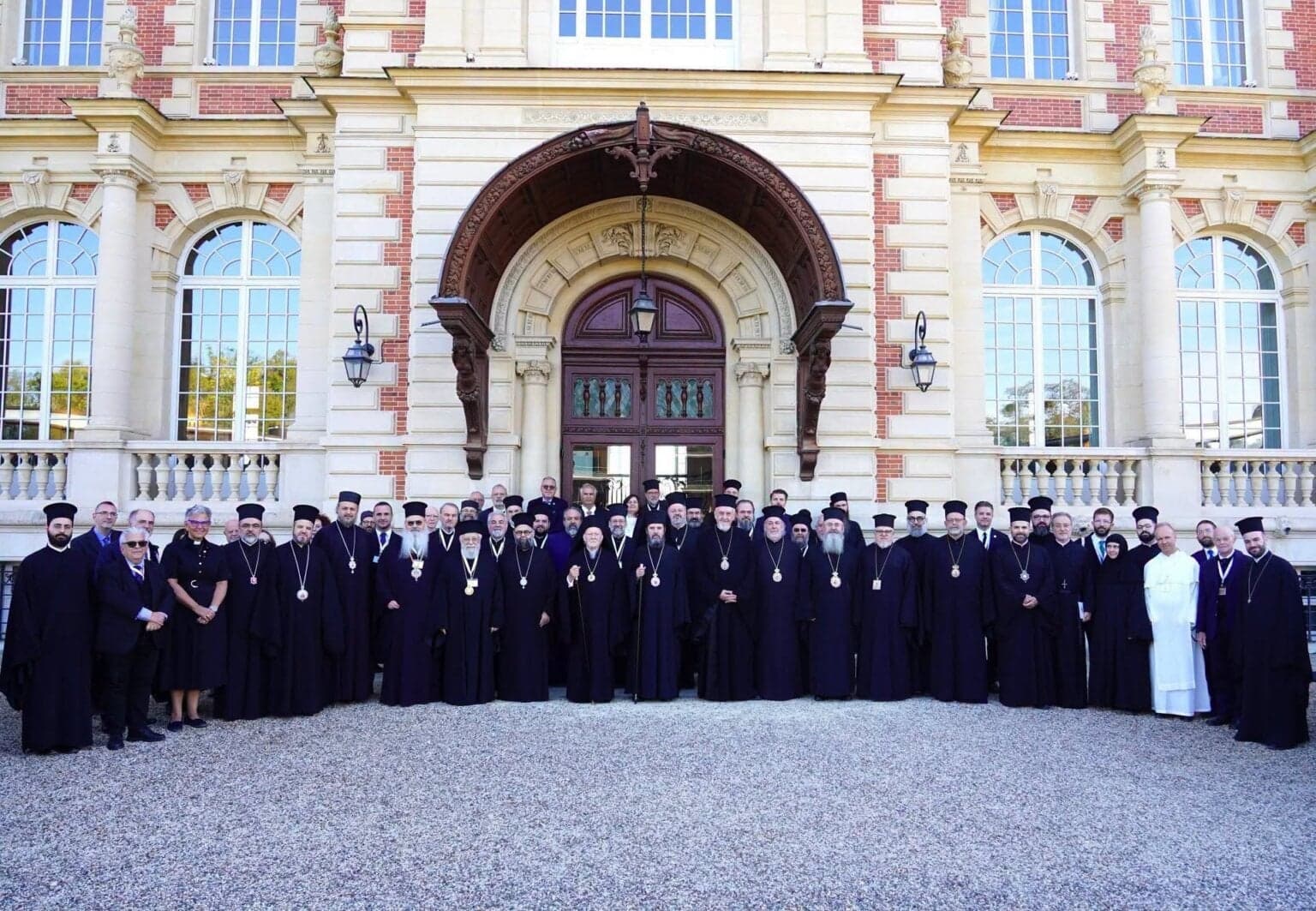
The service was attended by hierarchs of the Romanian Orthodox Church, hierarchs from the Ecumenical Patriarchate, fathers from Mount Athos, clergy of the Patriarchal Cathedral, and other clerics from the Archdiocese of Bucharest. The liturgical responses were chanted by the Tronos Byzantine Choir of the Patriarchal Cathedral.
The event, honouring Saint Demetrius the New, Protector of Bucharest, was part of the anniversary program dedicated to the Centennial of the Romanian Patriarchate and the 140th anniversary of the Romanian Orthodox Church’s autocephaly.

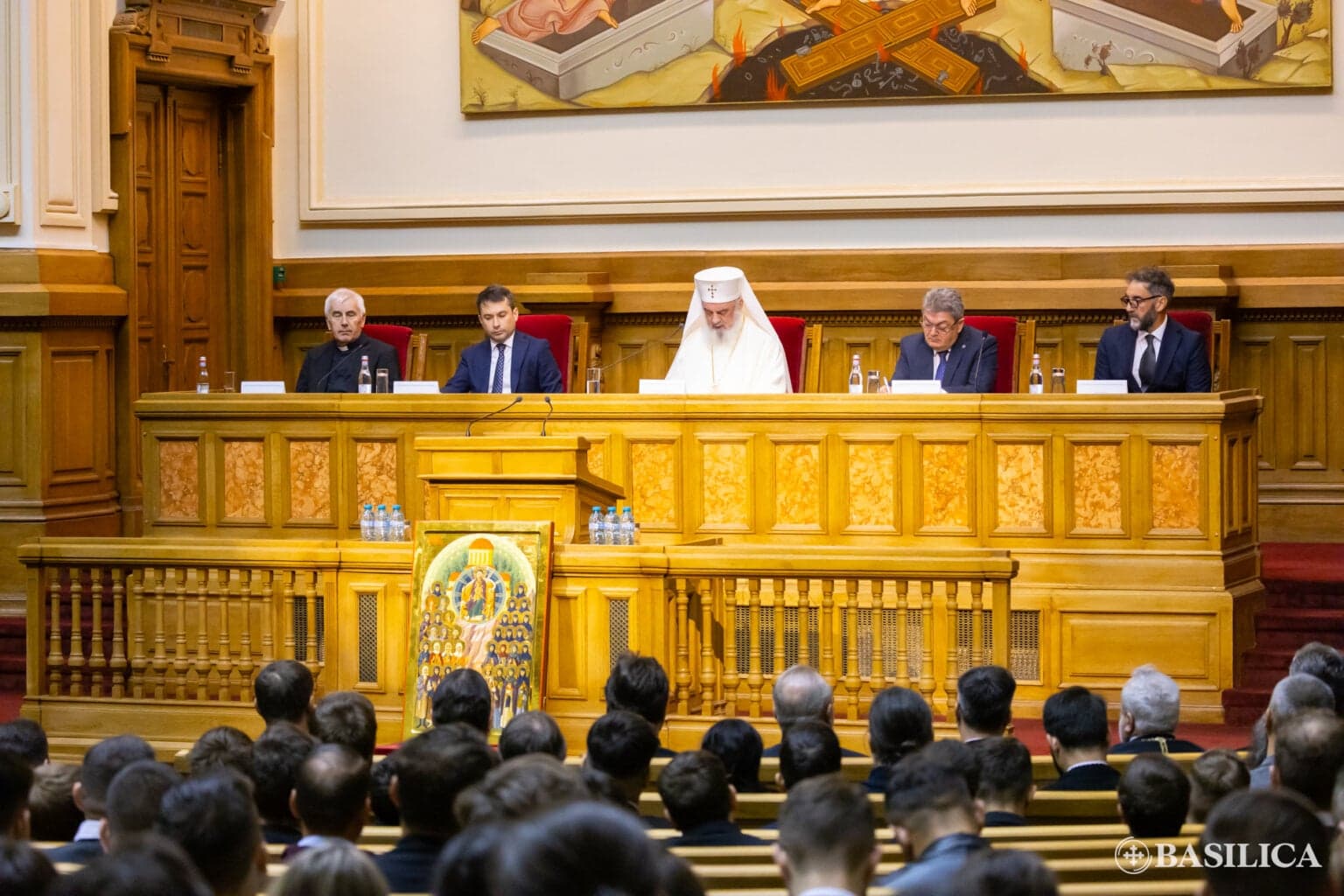
At the end of the service, His Grace Patriarchal Auxiliary Bishop Varlaam of Ploiești read a Synodal Act of Commemoration dedicated to these anniversaries, signed by both Patriarchs and by all the hierarchs of the Romanian Orthodox Church.
The Blessing of the Hesychast Saints
His Beatitude Patriarch Daniel offered His All-Holiness Bartholomew I an icon depicting Saint Demetrius the New, the Protector of the Patriarchal Cathedral and of Romania’s capital city. The Patriarch noted that the saint is also the heavenly protector of His All-Holiness, who received the name Demetrios at baptism.
“We wish him many years in good health and the joy of the Holy Hesychast Fathers, for Saint Demetrius the New was himself a hesychast saint,” said Patriarch Daniel.
His Beatitude went on to explain the meaning of hesychast prayer and spoke about the hesychast movement, which, he said, “nourished Orthodoxy in Constantinople, on Mount Athos, and later throughout the Balkan lands.”

“Among the hesychasts of the time of Saint Gregory Palamas, who reposed in 1359—the same year when the Ecumenical Patriarchate founded the Metropolis of Ungro-Wallachia and appointed Saint Hyacinth of Vicina as its Metropolitan, who was himself a hesychast—we also find hesychast saints within the ruling family,” said Patriarch Daniel, recalling Saint Theophano Basarab.
During the lifetime of Saint Demetrius the New, “the entire valley of the Lom River was filled with caves carved into the mountains, where hesychast monks lived,” His Beatitude added.
“Even today, there are hesychast fathers on Mount Athos, including four Romanian hesychast elders, Athonite monks, whom His All-Holiness has graciously included among the saints during the Synodal meetings of the Ecumenical Patriarchate held in August and October.”
“We thank you, Your Holiness, for having so many hesychast intercessors and friends. We all need the prayers of others, not only our own. And this is our joy—that today we venerate these hesychast saints together,” said the Patriarch of Romania.
Autocephaly and Communion

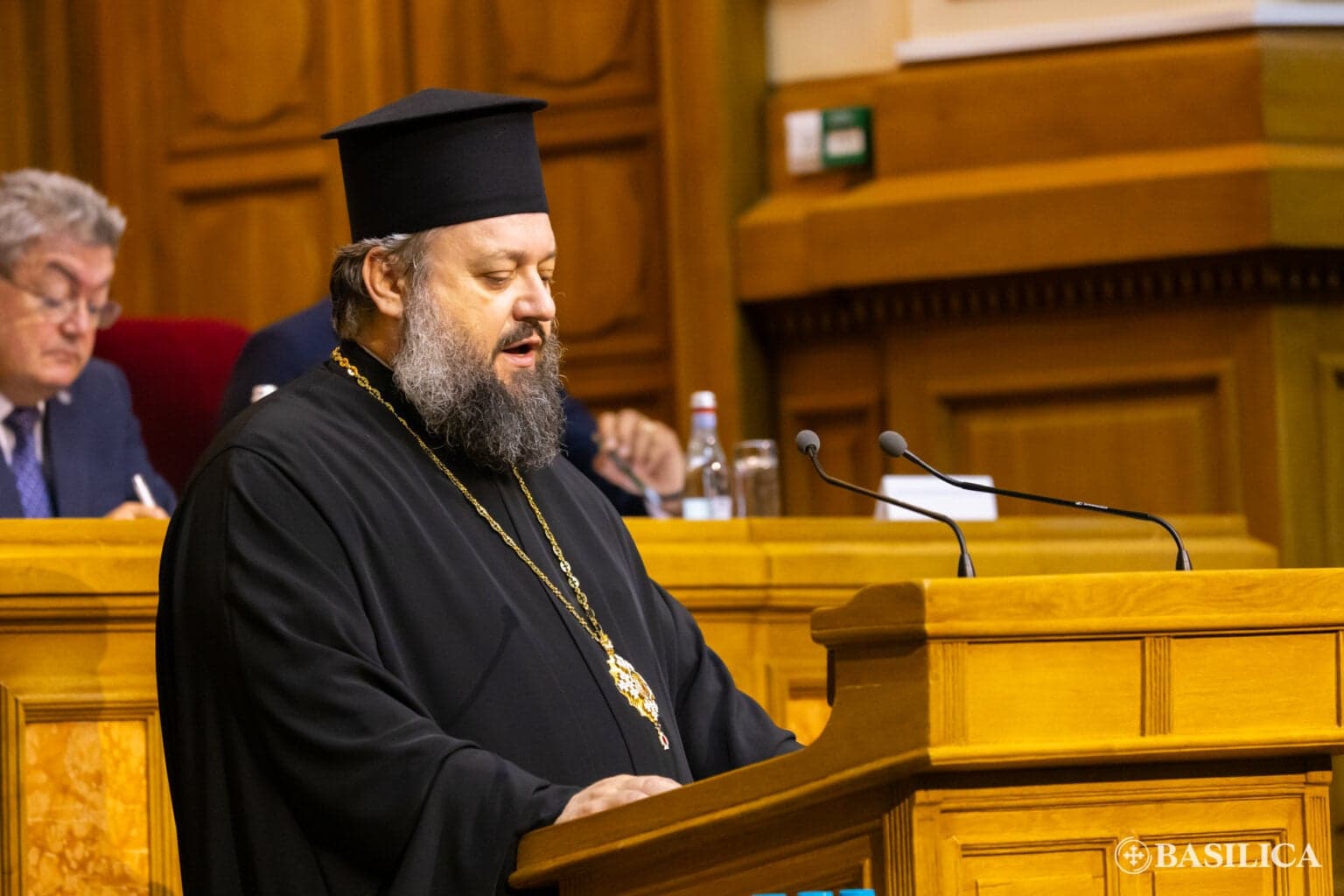
The message of His All-Holiness Ecumenical Patriarch Bartholomew I, read in Romanian translation by Bishop Siluan of Hungary, included references to the documents through which the Ecumenical Patriarchate granted autocephaly to the Romanian Orthodox Church and, later, elevated it to the rank of Patriarchate.
“This double anniversary we celebrate today is not merely a historical commemoration — it is a spiritual calling and challenge in times when the world faces many trials: alienation, division, wars, and moral decline,” conveyed Ecumenical Patriarch Bartholomew I.
“These two events bear clear witness that only in unity, in love and peace, and above all in the wisdom that comes from God — only in our Lord Jesus Christ and in keeping His commandments — what is impossible for men becomes possible.”

The status of autocephaly bears fruit only within the framework of communion among the Churches, His All-Holiness emphasised.
“Unity in faith and the sharing of the Holy Spirit form the cornerstone of Orthodoxy. Therefore, the Great Church of Constantinople, from the beginning until today, has steadfastly upheld this truth — namely, that every autocephaly expresses freedom in love, and that unity is the bond that holds together the Body of the Lord.”
“Saint Demetrius the New, Saint Niphon, the venerable fathers Dionysius, Petronius, Niphon, and Nectarios — the multitude of saints of Orthodoxy, countless souls, brides of the Bridegroom — through their lives have inaugurated a spiritual renewal. They show mercy and bestow blessings upon the Orthodox people of Romania and remain forever with us,” added Ecumenical Patriarch Bartholomew I.
“The past and present of our two Churches together constitute an unbroken work of ministry to humanity and to the world. This is the meaning and the path of both autocephaly and patriarchal dignity: a divinely inspired institution that gives life and holds together the one Orthodoxy under heaven.”

His All-Holiness presented the Patriarch of Romania with a set of liturgical vessels for the National Cathedral, whose mosaic iconography was consecrated by the two patriarchs on Sunday, on the feast day of Saint Demetrius the Myrrh-Gusher.
Gratitude toward Pilgrims and Volunteers
In conclusion, the Patriarch of Romania expressed gratitude and extended blessings to the faithful and to all those involved in the special events of these days — the autumn feast of the Patriarchal Cathedral and the consecration of the mosaic iconography of the National Cathedral.
On Monday evening, Ecumenical Patriarch Bartholomew I visited the Cotroceni Palace, where he met with Romanian President Nicușor Dan.


Photo: Basilica.ro / Mircea Florescu