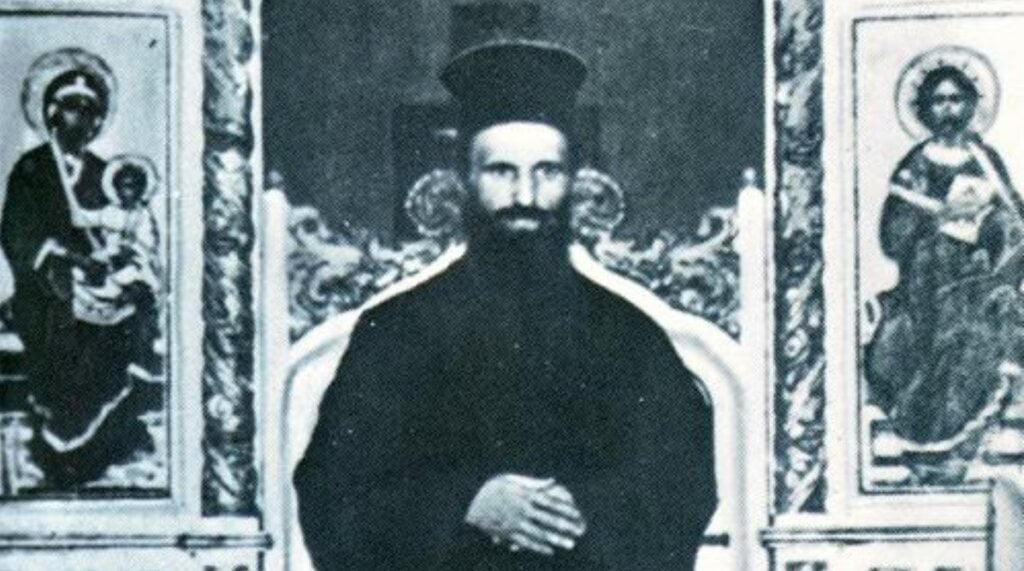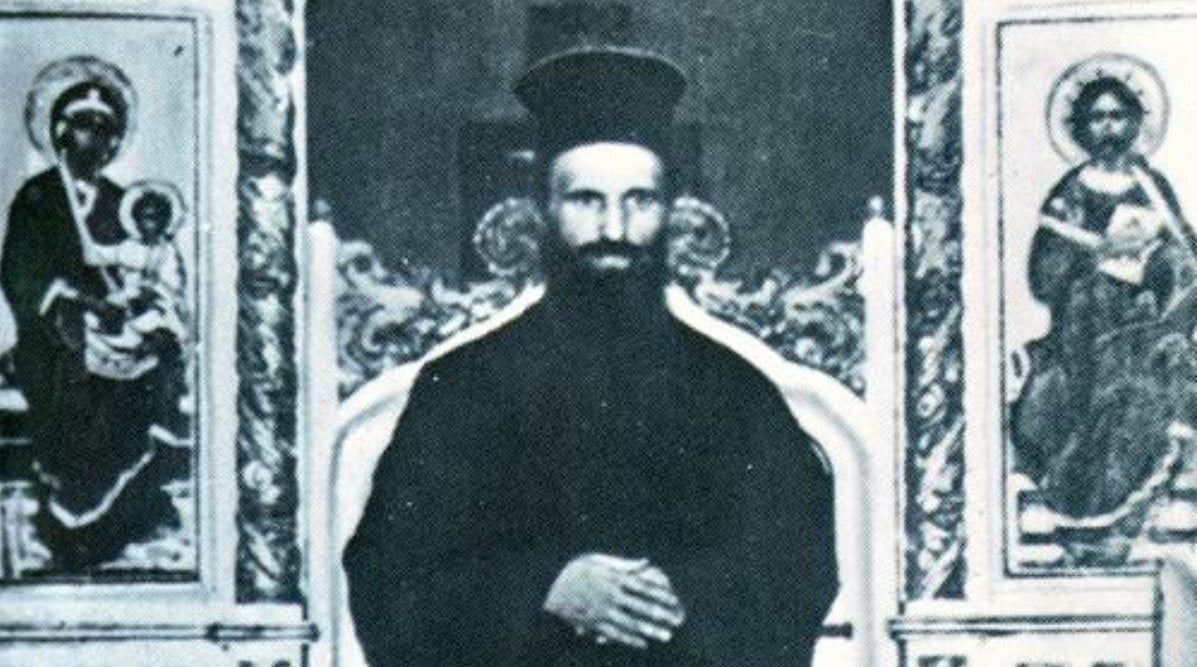
Thursday marks the 113th anniversary of the birth of St. John Jacob of Neamț, the New Chozebite, who continued the tradition of ascetic life in the Holy Land at the very places where the Prophet Elijah, St. Anne, the Mother of the Theotokos, and St. George of Chozeba had lived as hermits.
Born on July 23, 1913, in the village of Crăiniceni, Botoșani County, Romania, the future saint received the name Ilie (Elijah) at Baptism. Orphaned at an early age, he was raised by his grandmother, Maria, who nurtured in him a love for prayer and for the life of the Church.
In 1933, he entered the brotherhood of Neamț Monastery, where he learned the discipline of monastic life.
He completed his military service between 1934 and 1935 in Dorohoi, where he served as a medical orderly. The assignment reflected the obedience he had already undertaken at Neamț Monastery, where he had worked in the infirmary and learned to care for the sick under the guidance of Schema-monk Iov.
He was tonsured a monk at Neamț Monastery during the night of April 7-8, 1936, receiving the name John in honour of St. John the Baptist. The service was officiated by Bishop Nicodim Munteanu of Huși, who later became the Patriarch of Romania.
Departure for the Holy Land

After his tonsure, he continued his obediences in the monastery library and infirmary. A few months later, in the autumn of 1936, he departed for the Holy Land together with two monks from Neamț Monastery.
He first lived at St. Sabbas Monastery and later at the Romanian Skete of St. John the Baptist on the Jordan River, where he served as abbot.
In the final years of his life, he withdrew to St. Anne’s Cave in the Chozbiba Desert, dedicating himself to unceasing prayer, fasting and spiritual writing. In doing so, he continued the chain of ascetic prayer whose earlier links included St. George of Choziba, the hermit who had also used the same cave as his place of retreat.
The cave’s name reflects the tradition that identifies it as the place where St. Anne, the Mother of the Virgin Mary, prayed for the gift of a child.
According to the tradition of the Patriarchate of Jerusalem, the Prophet Elijah also lived as a hermit in the Wadi Qelt (Choziba) valley. Thus, throughout his monastic life, the future Romanian saint remained under the protection of the saint whose name he had received at Baptism.
A poet longing for God
Alongside his ascetic life, St. John Jacob of Neamț left behind a rich body of spiritual poetry and writings. His verses express a profound longing for God, love for the ascetic life, devotion to the saints and deep affection for the Romanian people.
His writings continue to be read today, offering the faithful encouragement toward repentance, humility and steadfastness in the Orthodox faith.
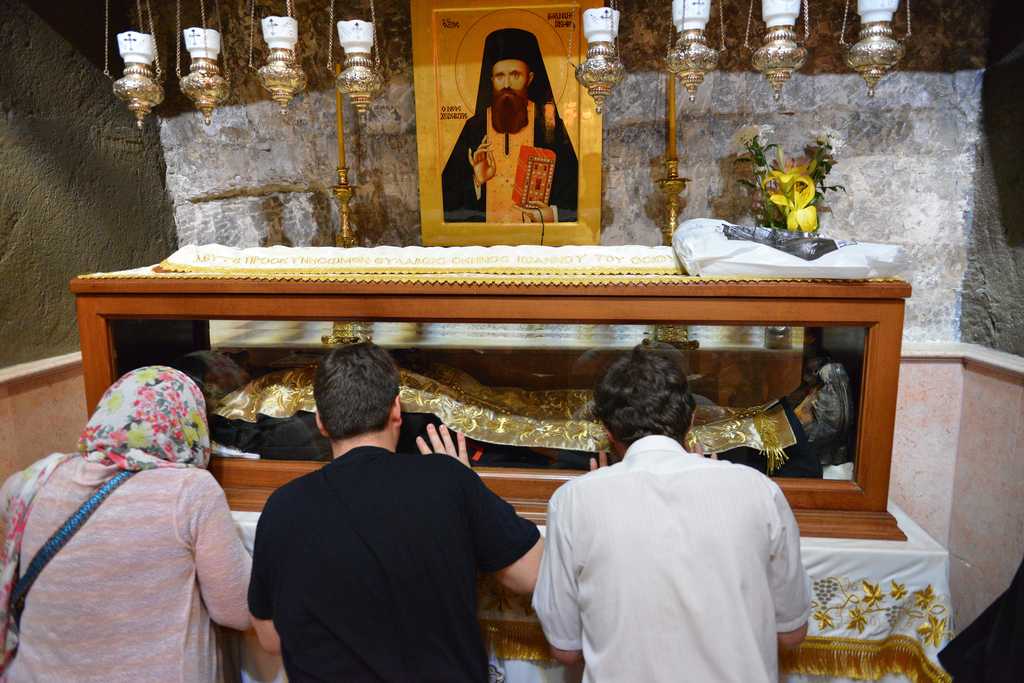
St. John Jacob of Neamț reposed in the Lord on August 5, 1960, at the age of 47. When his grave was opened in 1980, his body was found incorrupt, a discovery that deepened the devotion of the faithful toward the Romanian monk of Choziba.
The Holy Synod of the Romanian Orthodox Church canonised him in 1992, establishing Aug. 5 as his feast day. His incorrupt relics are preserved at St. George’s Monastery in Choziba, in the Judean Desert.
Photo: Photo Library of Romanian Orthodoxy