Metropolitan Antonie of Bessarabia issued a message on the 590th anniversary of Chișinău’s first documented mention. His Eminence called for the recovery of the historic heritage of the Metropolis of Bessarabia, saying: “We have a duty to restore this legacy to the public consciousness.”
The Metropolitan recalled that the earliest known document mentioning the name Chișinău dates from 17 July 1436 and was issued by the rulers of Moldavia.
“Chișinău entered history around its churches, schools, printing presses and cultural institutions. Here, generations of clergy, teachers, physicians, jurists, statesmen and scholars were formed—people who understood that a community endures through faith, education and respect for its own identity,” Metropolitan Antonie said.
“In this historical development, the Metropolis of Bessarabia occupied a decisive place. For generations, it was one of the great institutions of the Romanian lands between the Prut and the Dniester, supporting Romanian education, culture, the press, philanthropy and the formation of the intellectual elite.”
“Around it there emerged a strong historical consciousness, founded upon the Orthodox faith, the Romanian language and the continuity of the Romanian tradition,” the newly enthroned Metropolitan of Bessarabia added.
The destruction of historical memory
The Metropolitan went on to recall that the twentieth century brought a violent interruption to this continuity through the Soviet occupation and the atheist regime imposed by the occupying authorities.
“The Soviet regime sought to dismantle an institution that preserved the Romanian memory of Bessarabia and, in doing so, destroyed or alienated a significant part of its heritage.”
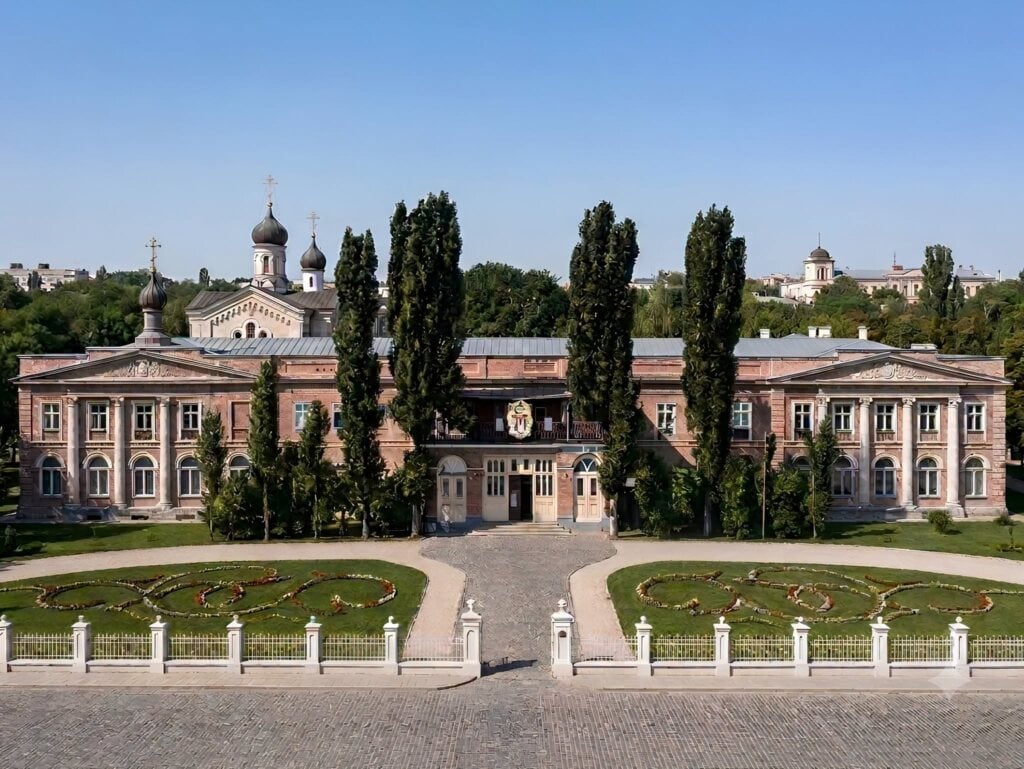
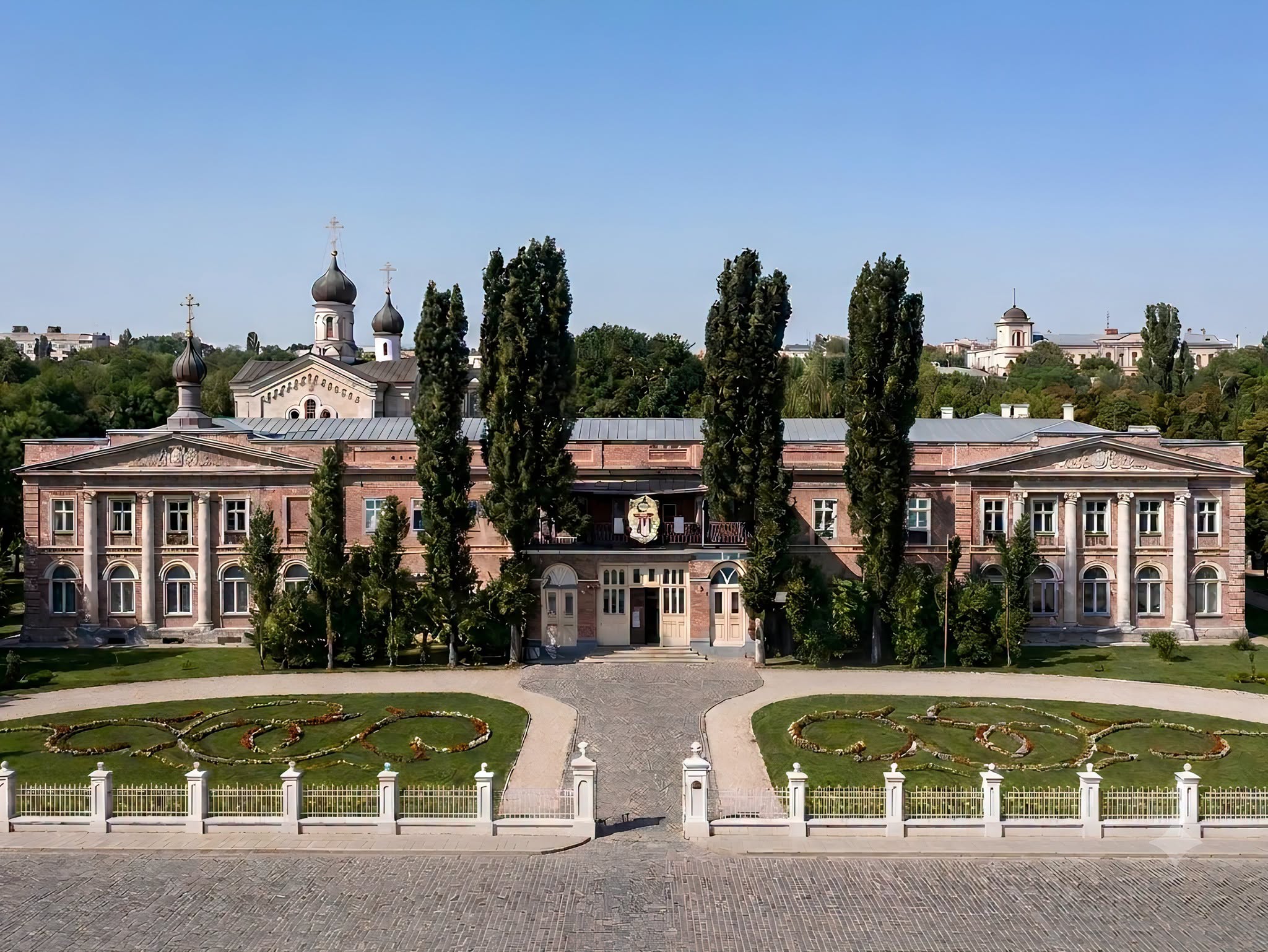
His Eminence referred to several emblematic buildings of the Metropolis that were destroyed or taken away, including the Metropolitan Palace, the Eparchial House, the ‘Romanian Book’ Eparchial Printing House, and the Chișinău Theological Seminary.
Through the destruction of libraries, archives and numerous other buildings, “manuscripts, documents, works of art and testimonies that constituted the memory of an entire province were scattered,” Metropolitan Antonie emphasised.
A duty of conscience
“Today, more than three decades after the canonical reactivation of the Metropolis of Bessarabia, we have a duty to restore this legacy to the public consciousness,” His Eminence said.
“Recovering our historical heritage, restoring monuments, researching the archives and making them available for the benefit of education, culture and scholarship is a project of national importance that concerns the whole of society.”
The Romanian Orthodox Metropolitan of Chișinău said that the Metropolis of Bessarabia embraces this mission with patience and perseverance, expressing confidence that the city “has the vocation to become once again one of the great spiritual, cultural and academic centres of the Romanian and European world, as it was during its period of greatest flourishing in the first half of the twentieth century.”
Metropolitan Antonie concluded his message by thanking all those who serve the capital of the Republic of Moldova in public administration, public service, education, and culture, and by invoking God’s blessing and the protection of the Mother of God, the patroness of the city, upon Chișinău.
Photo: The Archbishop’s Palace in Chisinau, 1919–1940, digital reconstruction based on a vintage postcard. Credit: Metropolis of Bessarabia