Victims of the 1949 Soviet deportations were commemorated on Monday across the Republic of Moldova, marking 77 years since one of the largest waves of Stalinist repression in the region.
Memorial services were organised in numerous parishes of the Metropolis of Bessarabia, where clergy, public officials and faithful honoured those who suffered under the communist regime and reaffirmed the importance of preserving the memory of these tragic events.
Memorial service in Bălți
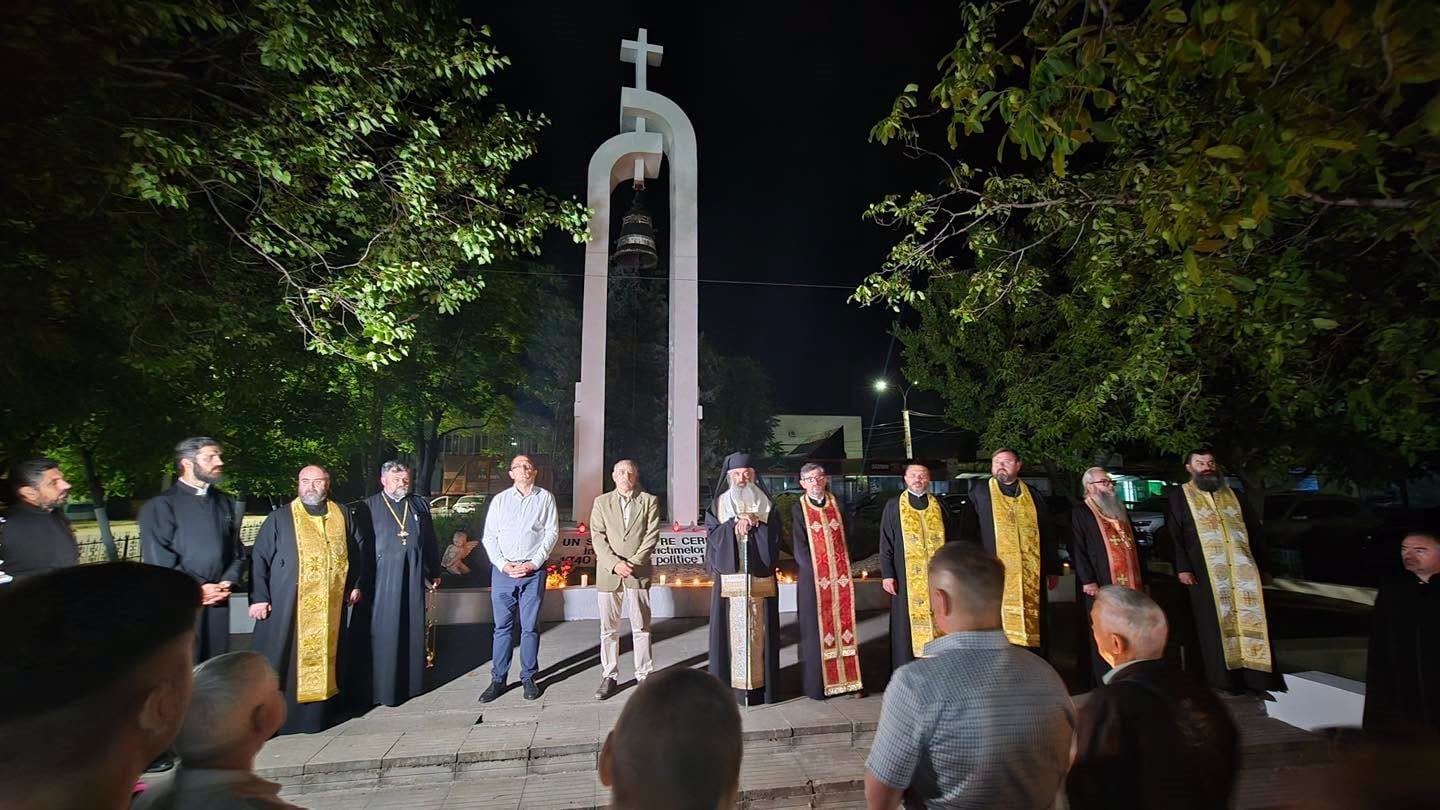
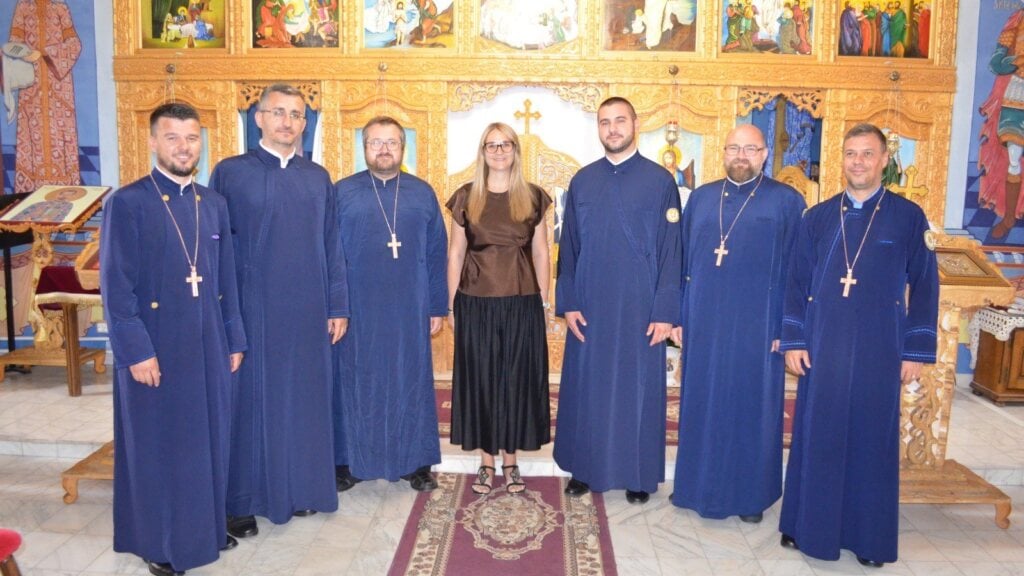
During the night from Sunday to Monday, Bishop Antonie of Bălți, the Metropolitan-elect of Bessarabia, officiated a memorial service outside the Bălți railway station, a symbolic site from which thousands of people were deported.
“Tens of thousands of innocent people were brutally taken from their homes and transported under inhuman conditions to distant places, from which many never returned because of cold, hunger, disease and the harsh conditions of forced labour,” representatives of the Diocese of Bălți said.
Addresses were delivered by Alexandru Postică, President of the Association of Former Deportees and Political Prisoners of the Republic of Moldova, and Nicolae Uncuță, head of the association’s Bălți branch.
On the occasion, the Metropolitan-elect awarded both men the Cross of Bălți, the highest distinction granted by the diocese to laypeople, in recognition of “their service to historical truth and to the ideals of justice, freedom, dignity and national unity, as well as their support for the activities of the Diocese of Bălți.”
Commemoration in the Diocese of Southern Bessarabia
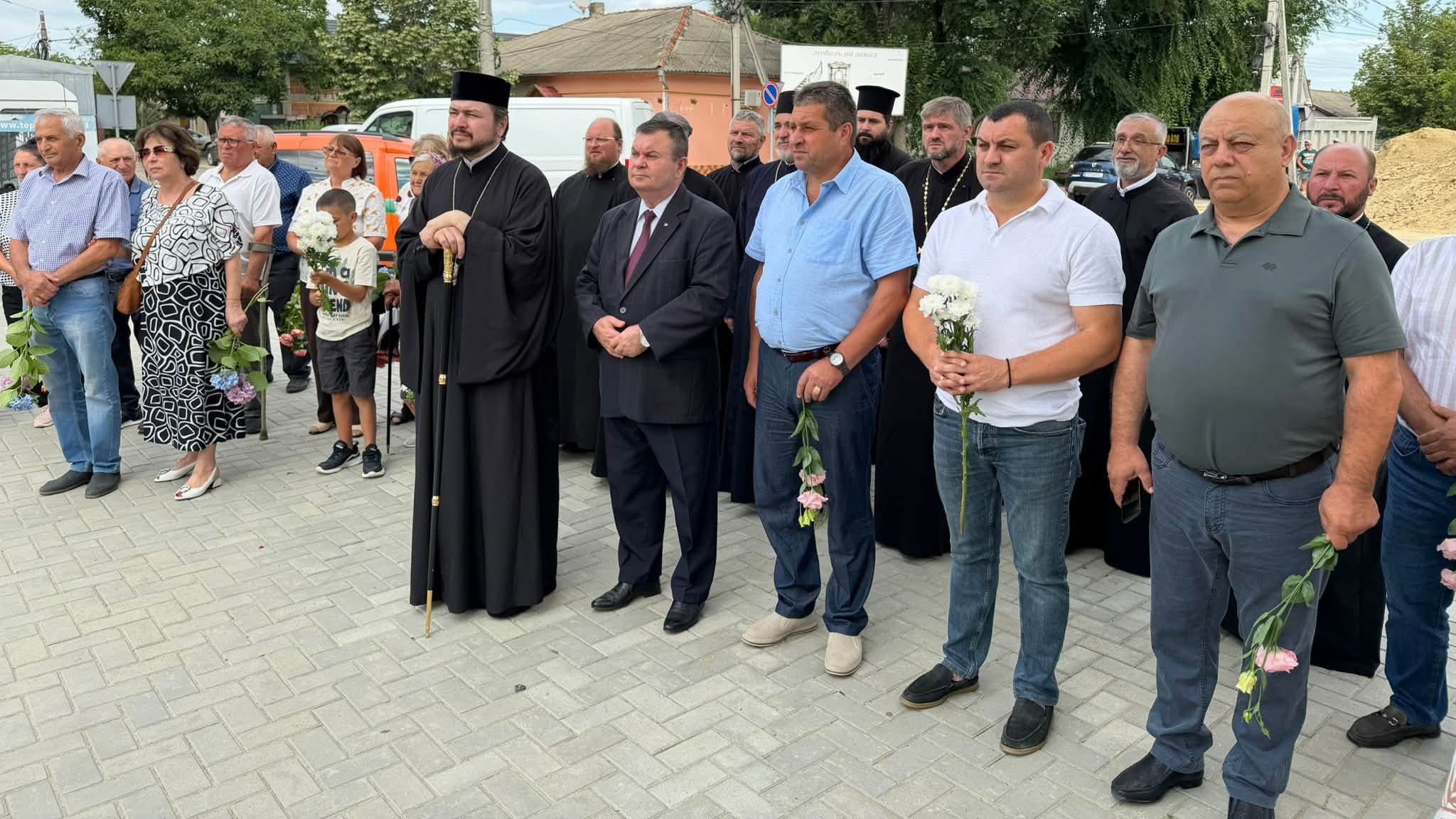
In Cahul, Bishop Veniamin of Southern Bessarabia took part in a memorial ceremony held at the monument dedicated to the victims of the deportations, alongside members of the diocesan administration, public officials and numerous faithful.
The bishop recalled the suffering of the tens of thousands of Bessarabians deported after the Soviet occupation of Bessarabia and stressed that these persecutions profoundly marked the history and collective conscience of the Romanians living between the Prut and Dniester rivers.
He noted that, despite the persecution, faith in God remained a source of hope and strength, helping preserve dignity, identity and spiritual values.
During the ceremony, Petru Popov, who was born in Siberia while his family was in exile, shared his testimony about the hardships endured by deported families.
Memorial services were also celebrated in numerous parishes throughout the Diocese of Southern Bessarabia for those deported and for the victims of communist prisons and labour camps.
‘The memory of the victims must remain alive’
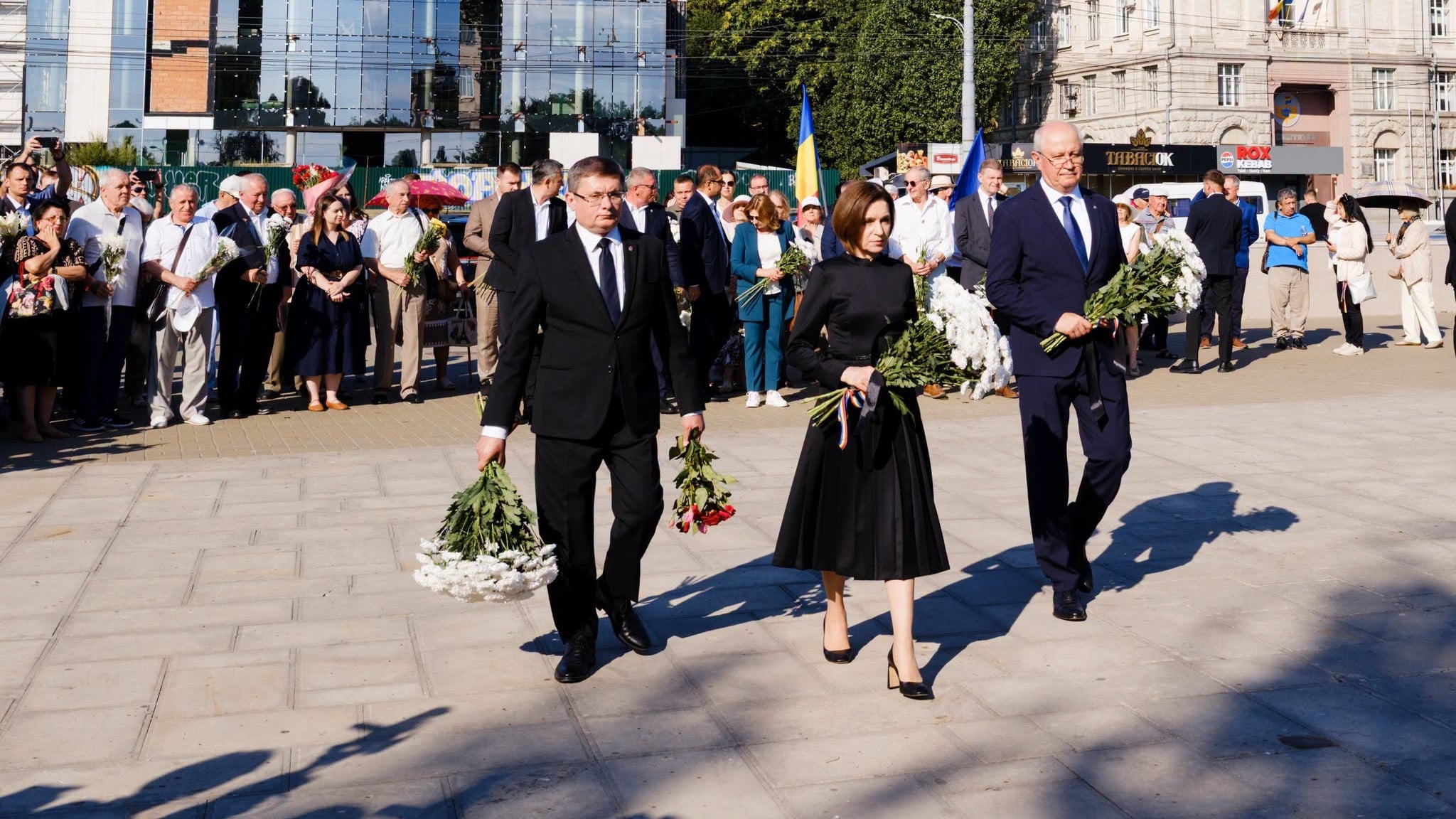
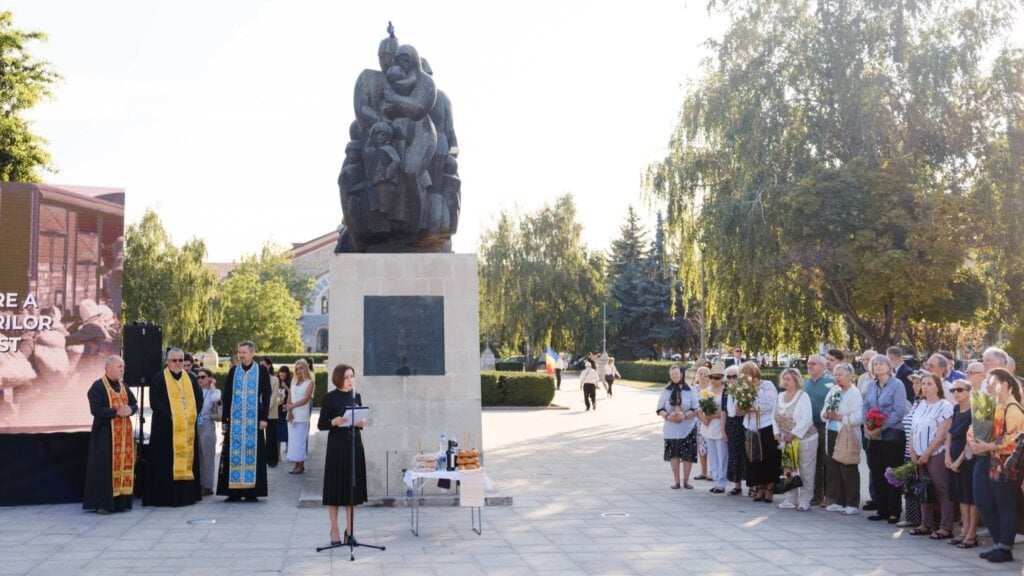
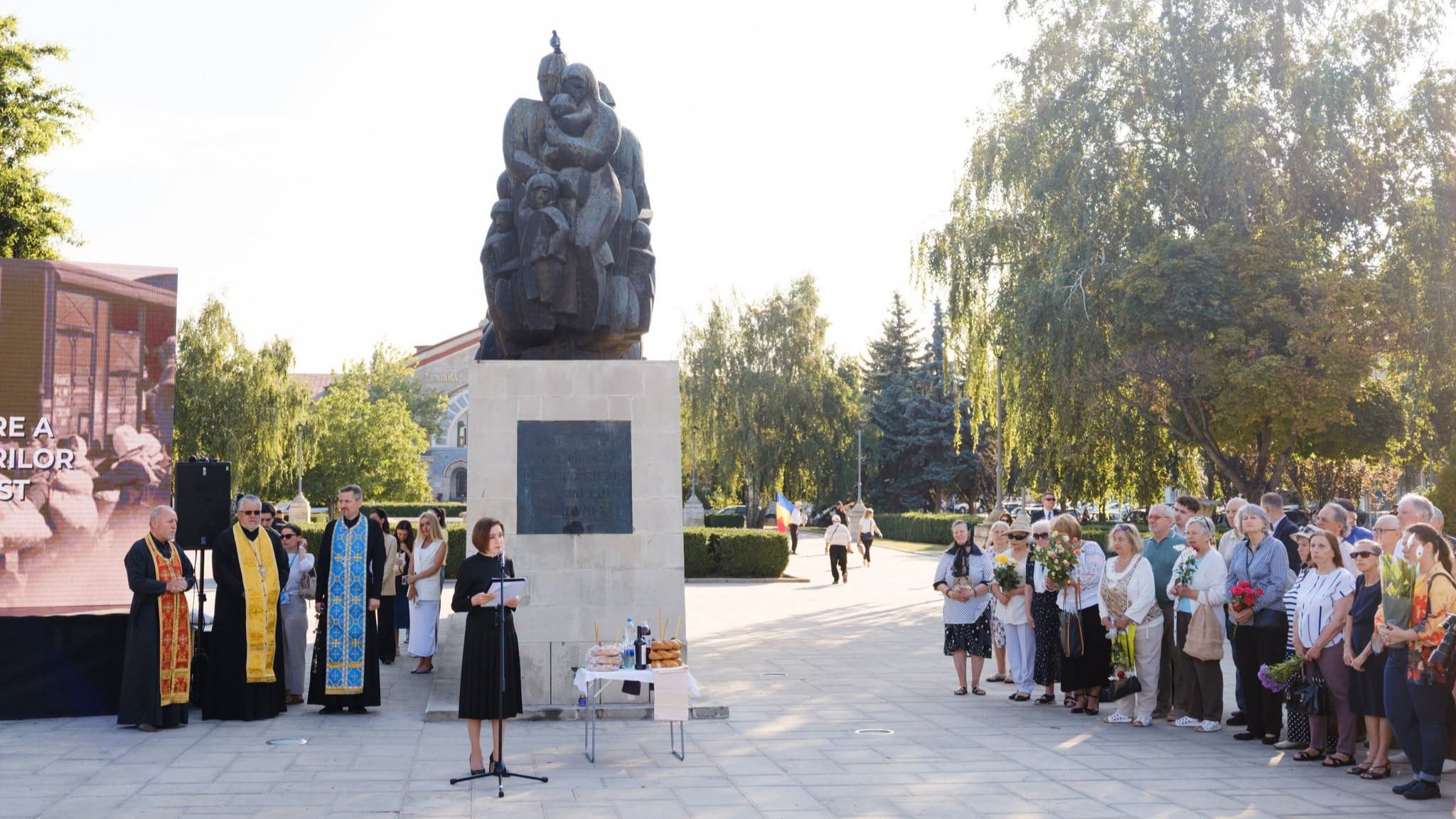
President Maia Sandu attended the national commemoration held in Chișinău on the Day of Remembrance for the Victims of Communist Deportations.
In a message published on Facebook, the Moldovan president described the deportations of 1941, 1949 and 1951 as “crimes planned down to the smallest detail, with the purpose of destroying our elites and every form of resistance.”
“The memory of those who were deported is therefore equally about the past, the present and the future. They kept alive the very being of our nation, and thanks to them, we are here today. Let us honour their sacrifice by living with the same dignity, so that never again may this people be taken from their homes at night and deported—not even those who today refuse to honour this memory,” Maia Sandu said.
During the night of 5–6 July 1949, nearly 36,000 Bessarabians were deported to Siberia and Kazakhstan in the second major wave of deportations organised by the Soviet regime. The operation aimed to enforce collectivisation and eliminate opposition to communist rule.
Photo: Facebook / Maia Sandu