Today, 19 April 2015, the Orthodox Christians are on the 2nd Sunday after the Resurrection of the Lord, of Saint Thomas the Apostle. The Church scheduled the evangelical pericope of Saint John 20:19-31, to be read at the Divine Liturgy of the day: “If you forgive anyone’s sins, their sins are forgiven; if you do not forgive them, they are not forgiven.” Now Thomas (also known as Didymus), one of the Twelve, was not with the disciples when Jesus came. But he said to them, “Unless I see the nail marks in his hands and put my finger where the nails were, and put my hand into his side, I will not believe.” A week later his disciples were in the house again, and Thomas was with them. Though the doors were locked, Jesus came and stood among them and said, “Peace be with you!” Then he said to Thomas, “Put your finger here; see my hands. Reach out your hand and put it into my side. Stop doubting and believe.” Thomas said to him, “My Lord and my God!” Then Jesus told him, “Because you have seen me, you have believed; blessed are those who have not seen and yet have believed.” Jesus performed many other signs in the presence of his disciples, which are not recorded in this book.
But these are written that you may believe that Jesus is the Messiah, the Son of God, and that by believing you may have life in his name.”
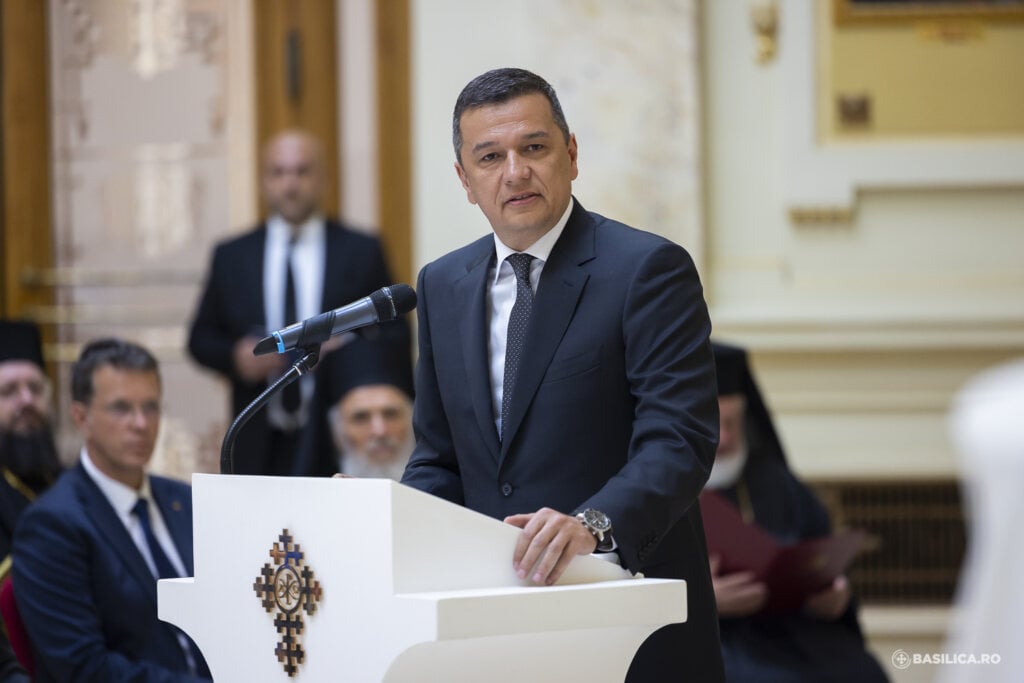
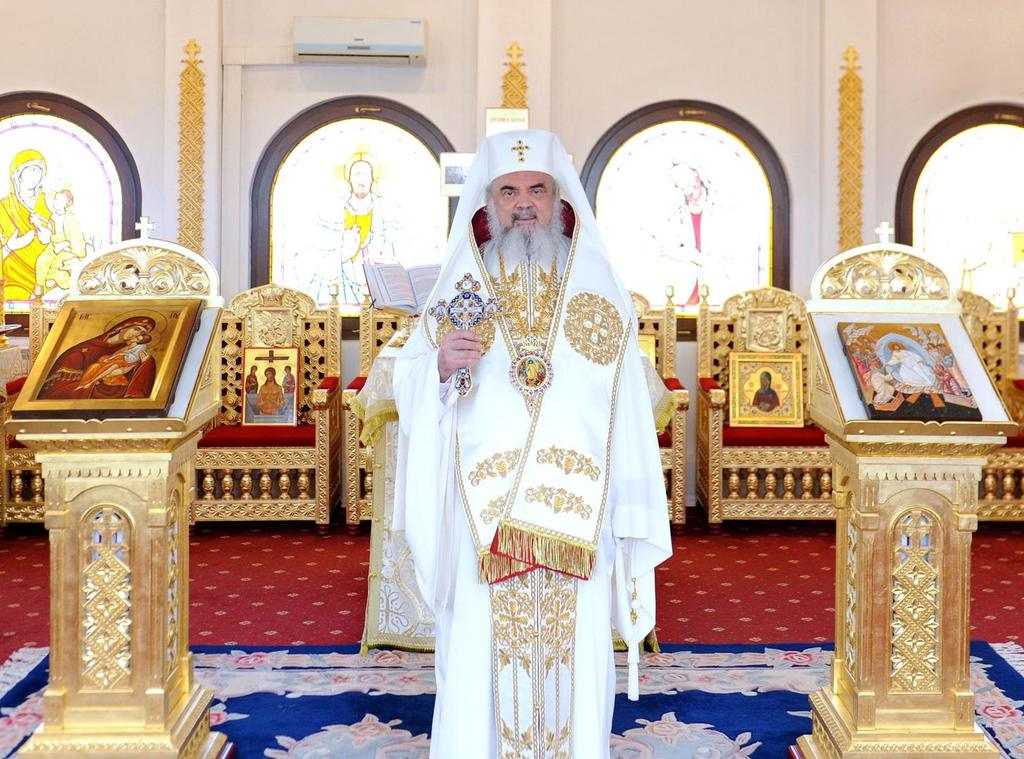
His Beatitude Daniel, Patriarch of the Romanian Orthodox Church delivered a sermon at the chapel of Saint Gregory the Enlightener of the Patriarchal Residence, in which he explained the teaching of this evangelical pericope.
Christ, the Lord of life and true God
The Patriarch of Romania showed that Saint Thomas the Apostle confessed not only the Resurrection of Christ, but also His divinity, he confessed that He is the Lord of life and true God.
“While wishing to heal Thomas of doubt He showed him, with a reproaching voice, the reality or truth of His Resurrection from the dead, through a physical palpable proof, touching His body raised from the dead. As soon as Saint Thomas the Apostle touched with his fingers the signs of the nails in Jesus’ hands and the sign of the spear that pierced His rib, he did not say: I believe that You were raised from the dead, but exclaimed: “My Lord and my God!”. Thus, Thomas confessed that Jesus Christ, our Lord, is the Lord of life and true God. The liturgical chants of the Church which we listen to at the Matins on this Sunday say that when Thomas touched the rib of Jesus raised from the dead, he dared to touch the rib that was shining out of the divine fire. Thus, Saint Thomas the Apostle confessed not only the Resurrection of Christ, but also His divinity. Thomas touched the visible body of Christ and confessed the Son of the unseen God present in His human resurrected body; he touched the limited body and confessed the unlimited God; he touched the body of Christ conceived from the Holy Spirit and from Virgin Mary and confessed the Uncreated Creative God, who defeated death and gave eternal life to humankind”, His Beatitude said.
Doubt and faith can be healed
Today’s Gospel shows us that the doubting faith can be healed and changed into the joy of man’s encounter with God, the Patriarch of Romania underlined. “Although Saint Thomas doubted the Resurrection of Christ first, yet after He personally met Christ and touched Him his doubt was overcome or healed, so that he became a strong confessor of the truth of the Resurrection of Christ and of His divinity. Then, Christ, the Lord, told Thomas: “Because you have seen me, you have believed; blessed are those who have not seen and yet have believed”, namely blessed are those who although have not seen the Risen Christ with their own eyes, they believed in Him. Therefore, faith is not physical eyesight, through one’s senses, but spiritual eyesight, knowledge of the spiritual realities unseen and not temporary. Jesus Christ, our Saviour, blesses those who have this spiritual power or capacity to know the unseen realities, to see the presence of God beyond the physical eyesight or knowing through senses. In this sense, Saint Paul the Apostle says: “what is seen is temporary, but what is unseen is eternal.” Because God is not material, temporary and limited, He cannot be seen with the limited eyes of the body. But the soul of the man enlightened by faith can see or know the presence of God beyond the physical eyesight or knowing through senses”.
Faith cultivated through prayer becomes a spiritual foretaste of the joy of the Kingdom of Heaven
The Patriarch of the Romanian Orthodox Church has also shown that the purpose of writing the Gospel is to strengthen the faith in Christ and call the humans to salvation, namely to eternal life.
“Therefore, faith is not a simple intellectual conviction, philosophical or cultural, but a living relationship of the religious man with the Living God, lover of humans, Creator and Saviour of the world. Faith cultivated through prayer becomes a spiritual foretaste of the joy of the Kingdom of Heaven. This truth is confessed, first of all, by the Saints Apostles. For example, Saint Paul the Apostle says: “Now faith is confidence in what we hope for and assurance about what we do not see”. Thus, faith is a foretaste of the gifts promised by God and wished by people, as well as spiritual eyesight of some realities not seen with the eyes of the body. Therefore, faith is spiritual relationship or living relationship with God Who gives us a foretaste of the joy of the communion with Him, as the psalmist says: “O taste and see that the Lord is good”. All the Holy Sacraments of the Church are a foretaste of the joy of the Kingdom of Good, a joy of the joy of the Christ Raised from the dead. Where from do we know that? It is from Saint Peter the Apostle who says:”Though you have not seen him, you love him; and even though you do not see him now, you believe in him and are filled with an inexpressible and glorious joy”, namely joy higher than any joy and any expression in words stemmed from the glory of the Risen Christ ascended to Heaven. The most inexpressible and glorified joy of the Christians is the heavenly joy of salvation”, His Beatitude said.
On 26 April, the Church will be on the 3rd Sunday after East, of the Myrrh bearing women.