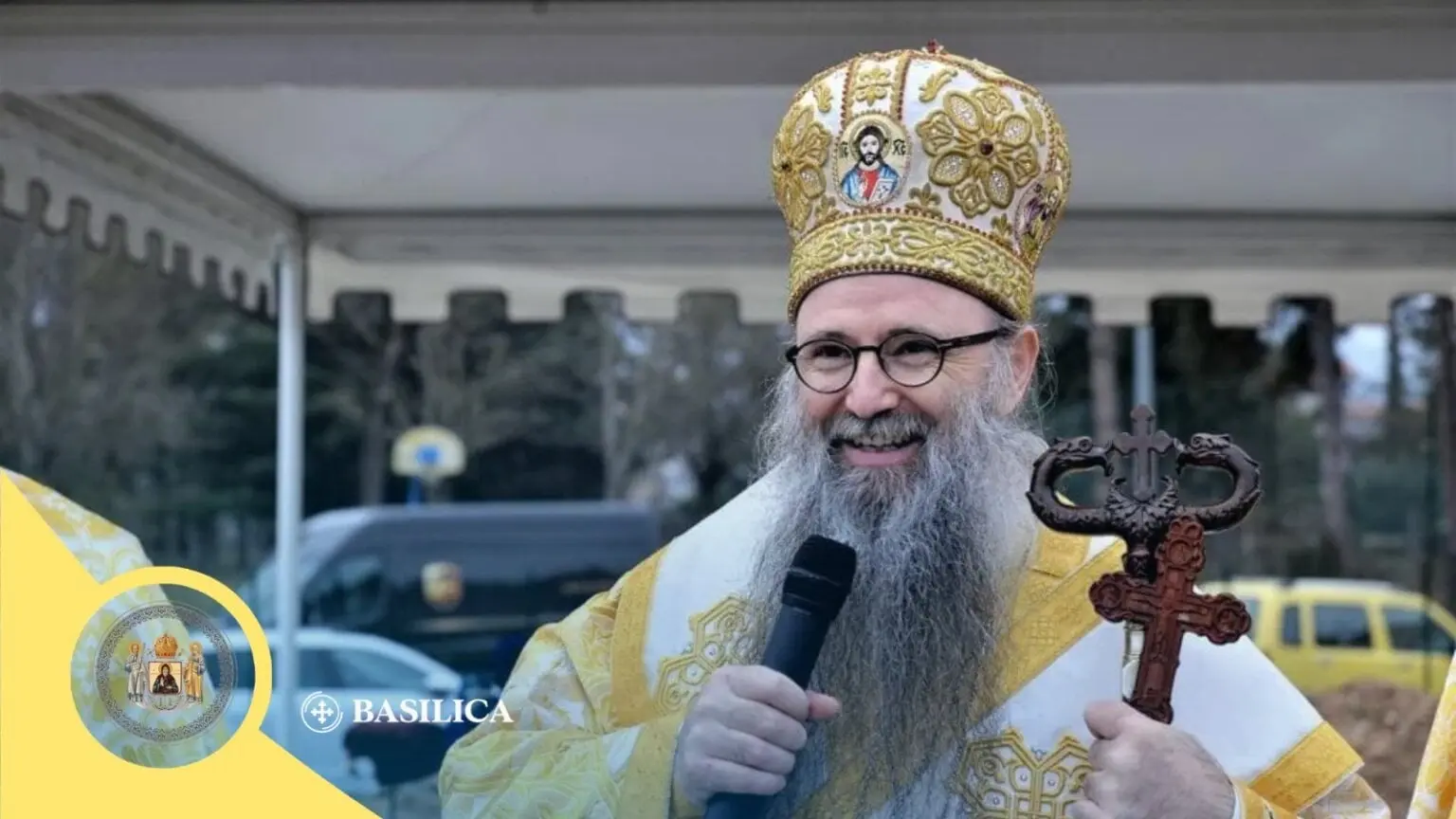
“She truly passed through great struggles and ascetic labours,” said Metropolitan Irineu of Oltenia on Tuesday, May 5, at the local proclamation of the canonisation of Saint Matrona of Hurezi.
His Eminence highlighted the saint’s life of asceticism and total dedication, underlining that she was pleasing to God through her entire way of life.
“Saint Matrona is truly honoured by our Saviour Jesus Christ and raised among the saints — among those who followed His teaching, sanctified their lives and came to dwell together with the angels.”
The Metropolitan of Oltenia underlined that Saint Matrona’s desire to follow the monastic path manifested itself from childhood, “wishing to be pleasing to God”.
“She devoted herself to fasting and prayer, choosing a life of poverty through which she was always enriched.”
Metropolitan Irineu also emphasised the sacrificial dimension of her life: “The saint mortified her body in order to become a living sacrifice to our Saviour Jesus Christ and obeyed His word: ‘Be perfect, as your heavenly Father is perfect!’”, stressing that she “always prepared herself for the moment of passing from this world”.

The blessing of Hurezi Monastery
Archbishop Varsanufie of Râmnic then highlighted the spiritual importance of the occasion. “After an interval of 11 years, this monastery is once again filled with the grace of God through the proclamation of the canonisation of one of its own nuns.”
His Eminence stressed that Hurezi Monastery has long been a place of holiness and authentic spiritual life.
“This monastic settlement has had inhabitants of chosen and holy life, great defenders of the faith, but also great practitioners of the Jesus Prayer, lovers of vigil and lovers of continual sacrifice.”

Local proclamation
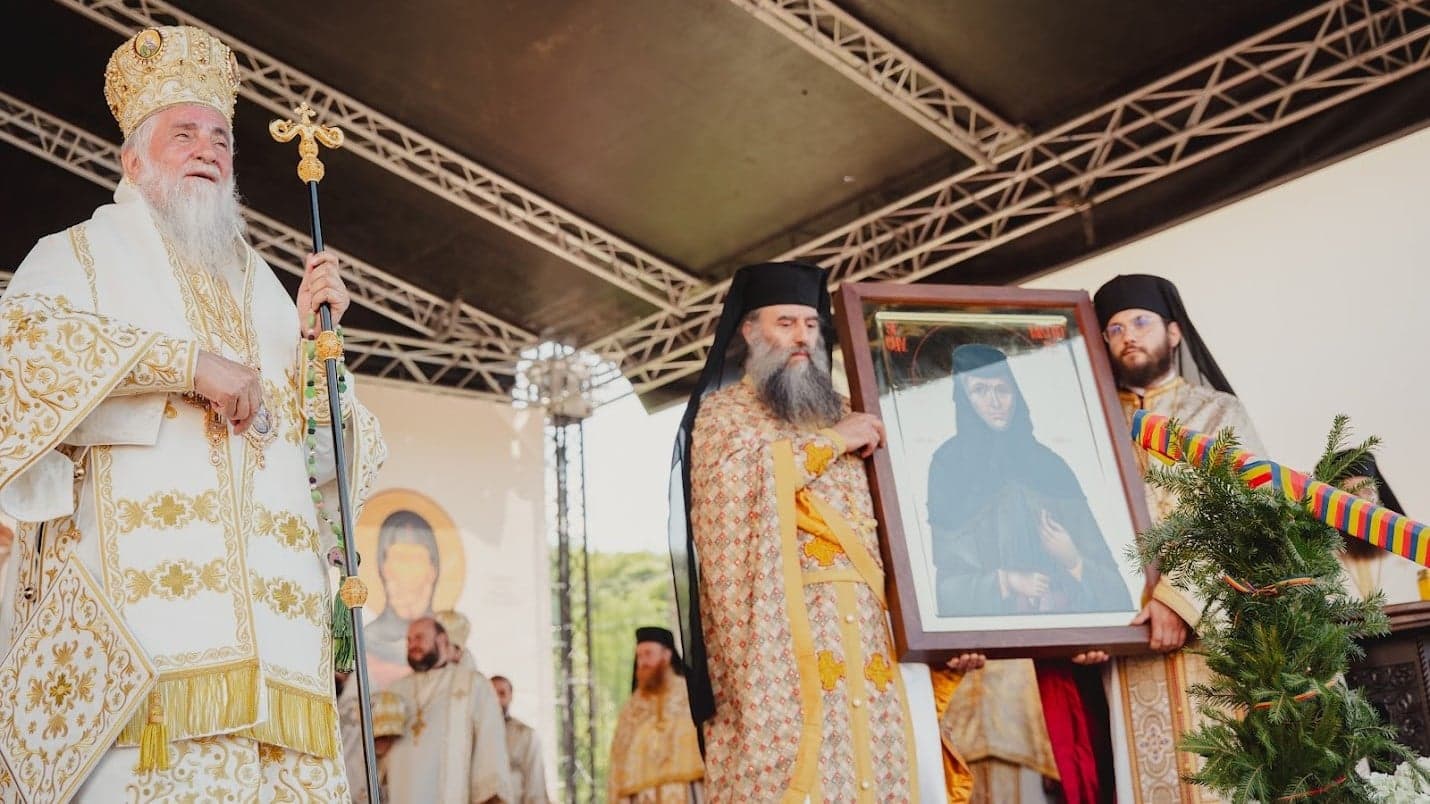
The local proclamation of the canonisation took place at Hurezi Monastery in Vâlcea County, where Saint Matrona lived.
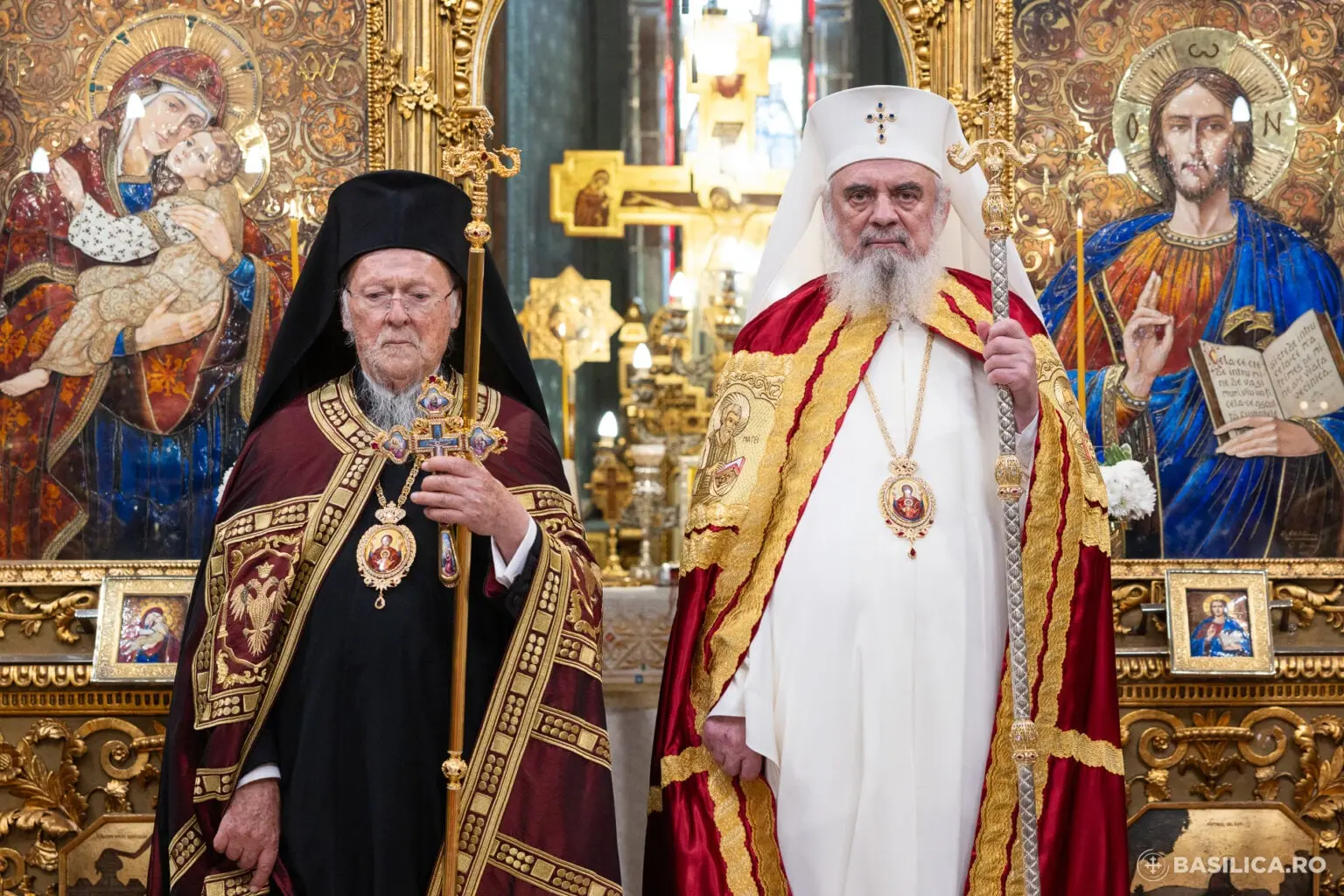
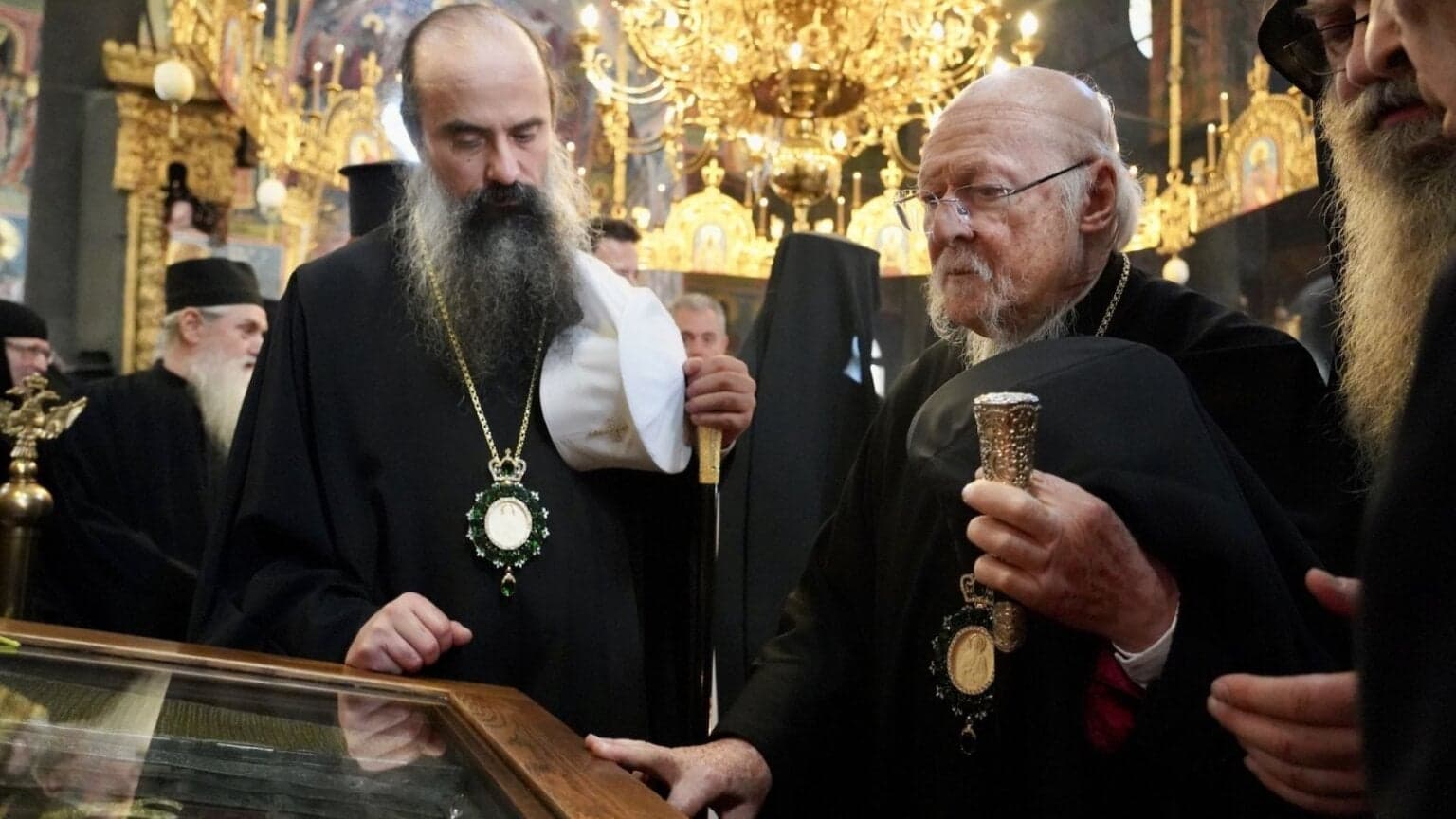
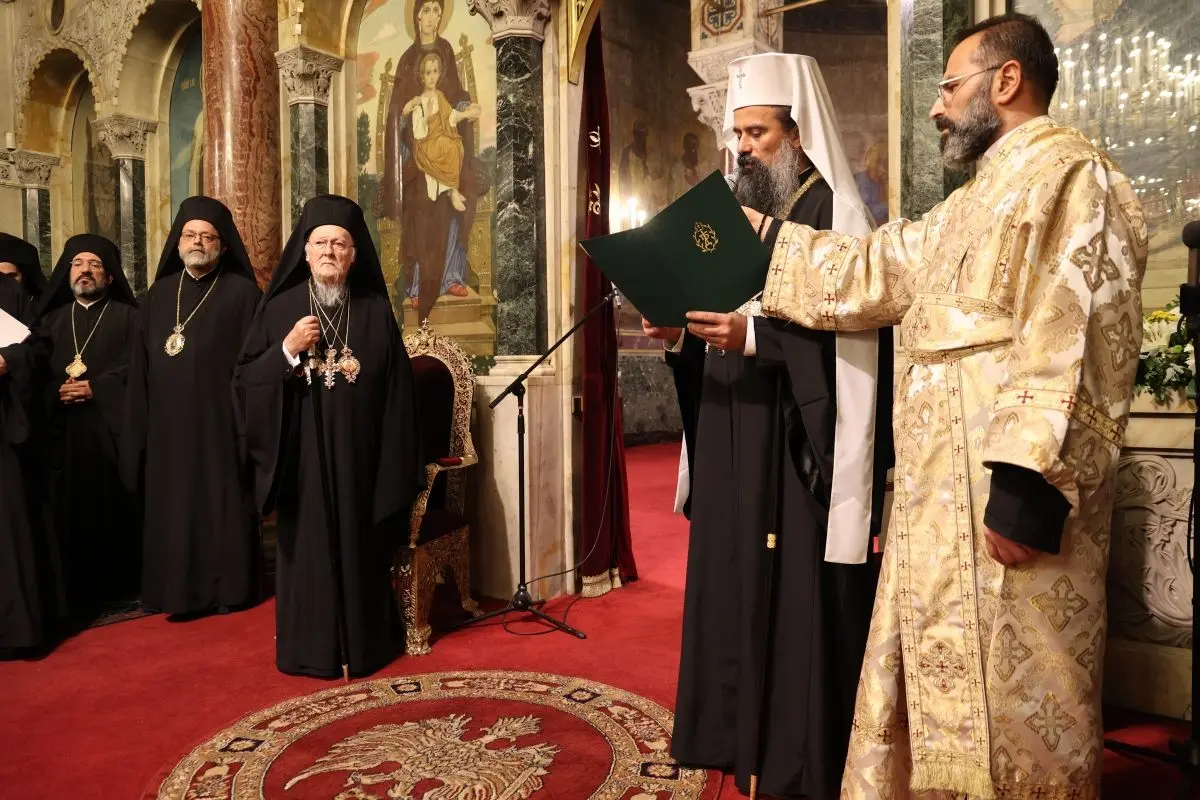
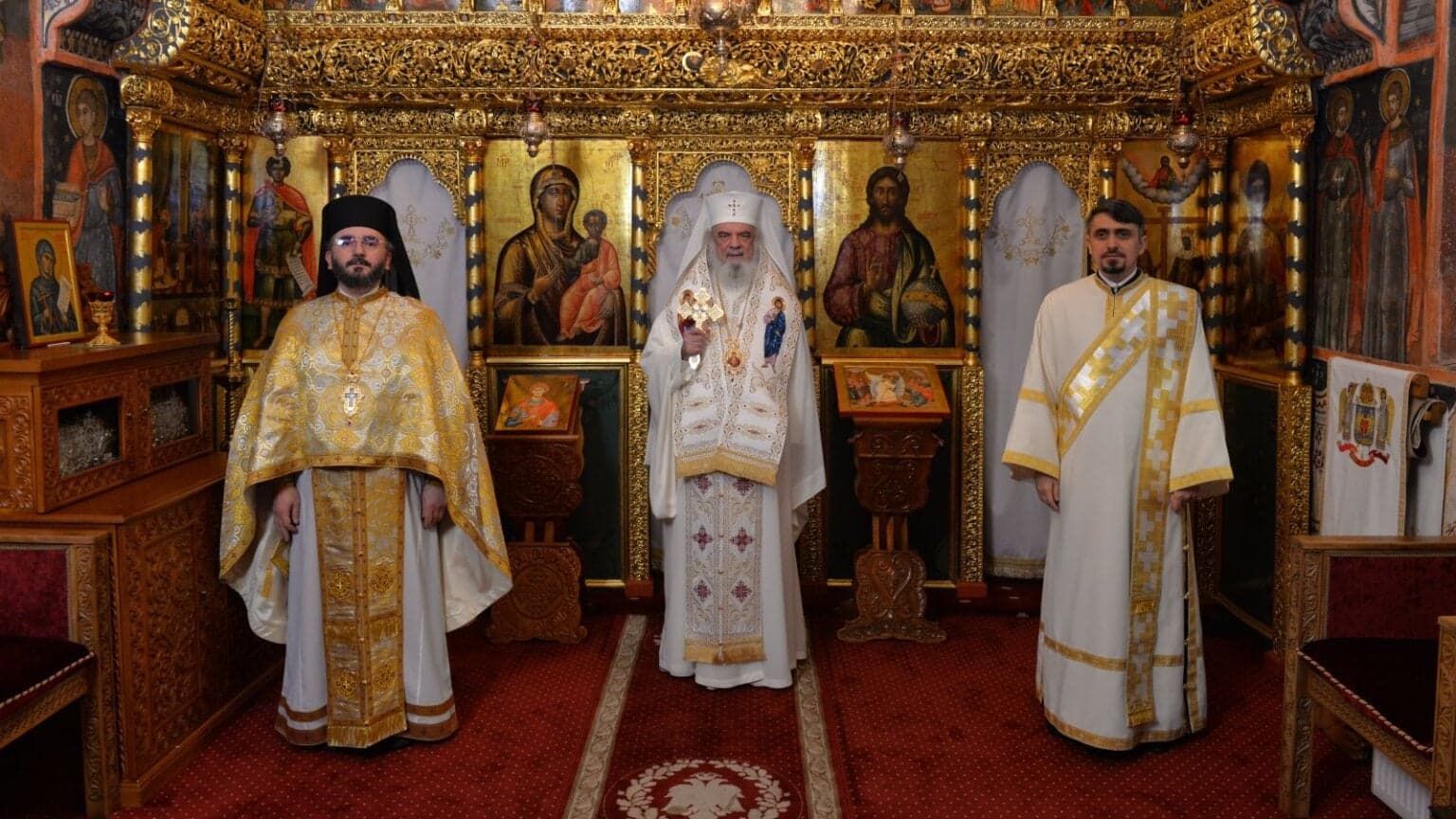
The event was preceded by the Divine Liturgy celebrated by Metropolitan Irineu together with Archbishops Teodosie of Tomis, Varsanufie of Râmnic and Atanasie of Great Britain and Northern Ireland.
Also participating were Bishops Lucian of Caransebeș, Nicodim of Severin, Antonie of Bălți, Veniamin of Southern Bessarabia, Andrei of Covasna and Harghita, Galaction of Alexandria, Visarion of Tulcea, Benedict of Sălaj, Nestor of Deva, Siluan of Hungary, Timotei of Spain and Portugal, and assistant bishops Paisie of Lugoj and Teofil of Trotuș.
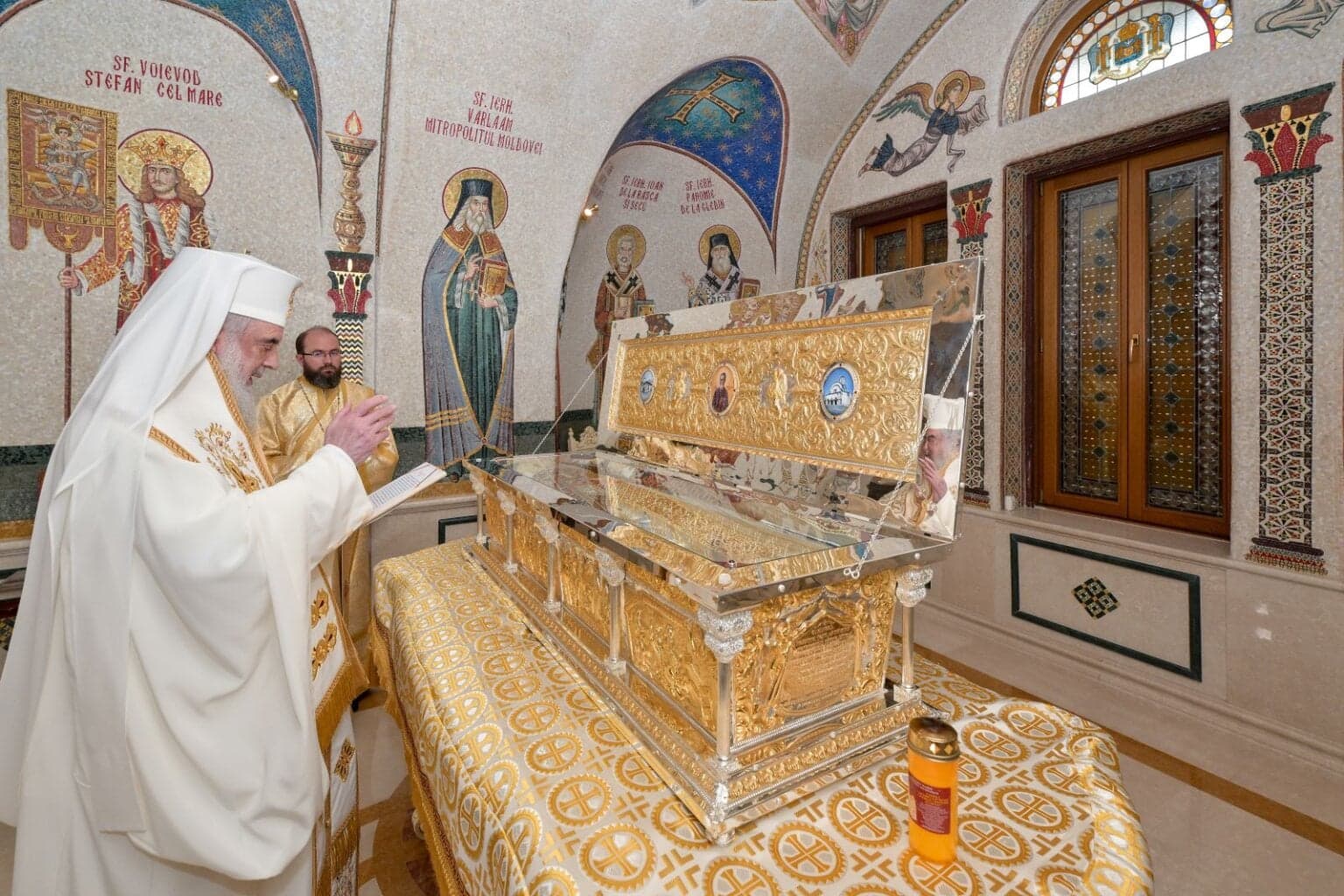
After the service, Bishop Andrei read the Synodal Tomos of the local proclamation of canonisation. The moment was followed by the chanting of the troparion and the presentation of the saint’s icon.
On the eve of the proclamation, a vigil service in honour of Saint Matrona was officiated at Hurezi Monastery.

Saint Matrona of Hurezi
The saint was born on 2 August 1852 in Săliștea Sibiului to the faithful parents Nicolae and Stana, who gave her the baptismal name Maria.
From her youth, she entered monastic life at Sărăcinești Monastery, after which she moved to Hurezi Monastery, where she remained for the rest of her life under the spiritual guidance of Fr Orest, a disciple of Saint Callinicus of Cernica.
Mother Matrona continued her monastic life, and her counsel was highly valued by the other nuns of the community. On 18 April 1923, at the age of 71, she was chosen as an abbess.
Towards the end of her life, while enduring a grave illness, Saint Matrona received from the Mother of God notice that she would soon pass into the blessed life.

She was canonised during the working session of the Holy Synod of the Romanian Orthodox Church on 1 July 2025, together with other Romanian holy women — princess consorts, venerable mothers, martyrs and mothers of saints.
The general proclamation of the canonisation of the 16 holy women took place on 6 February 2026 at the Patriarchal Cathedral.
Photo: Bucharest Archdiocese / George Ioniță