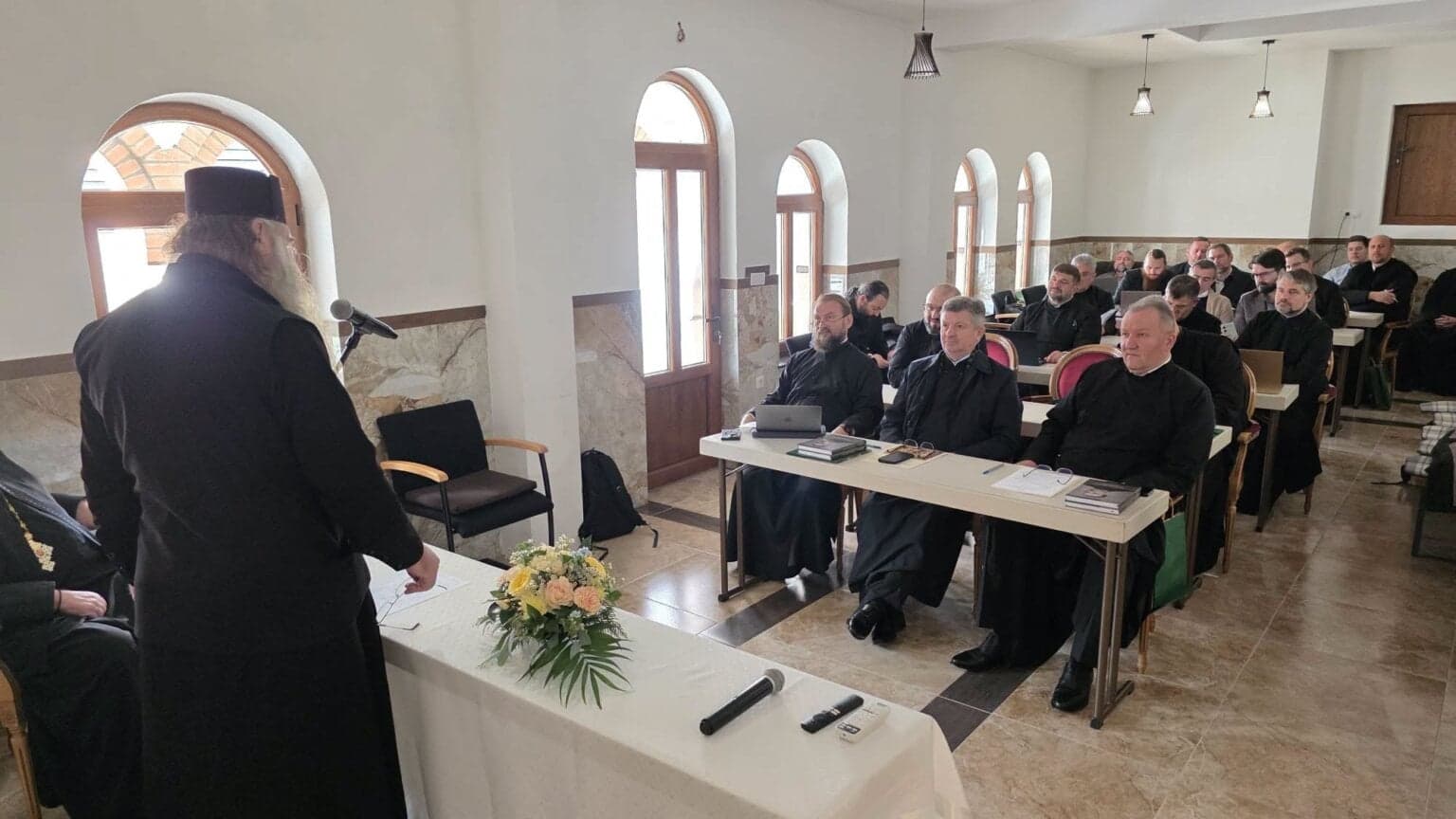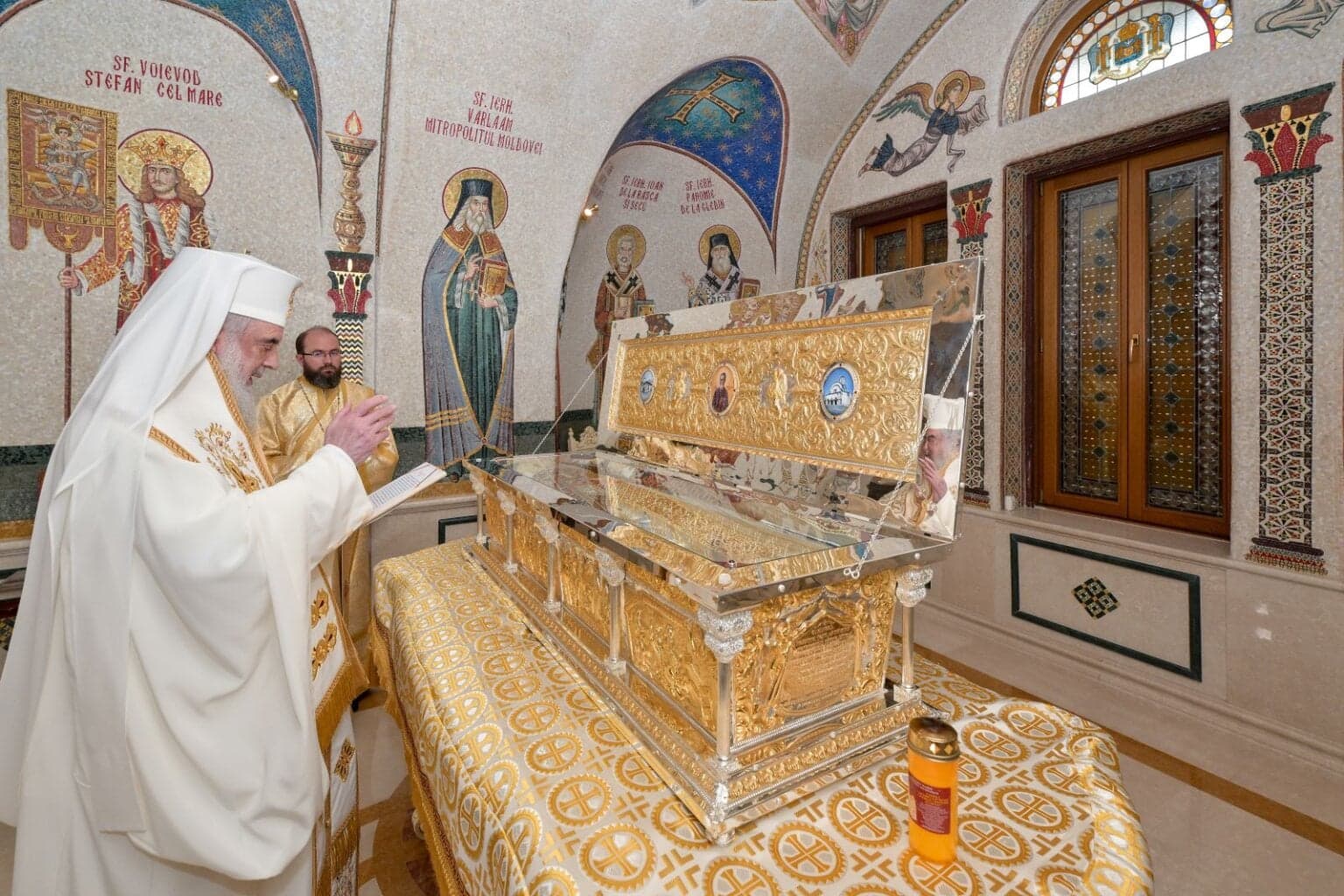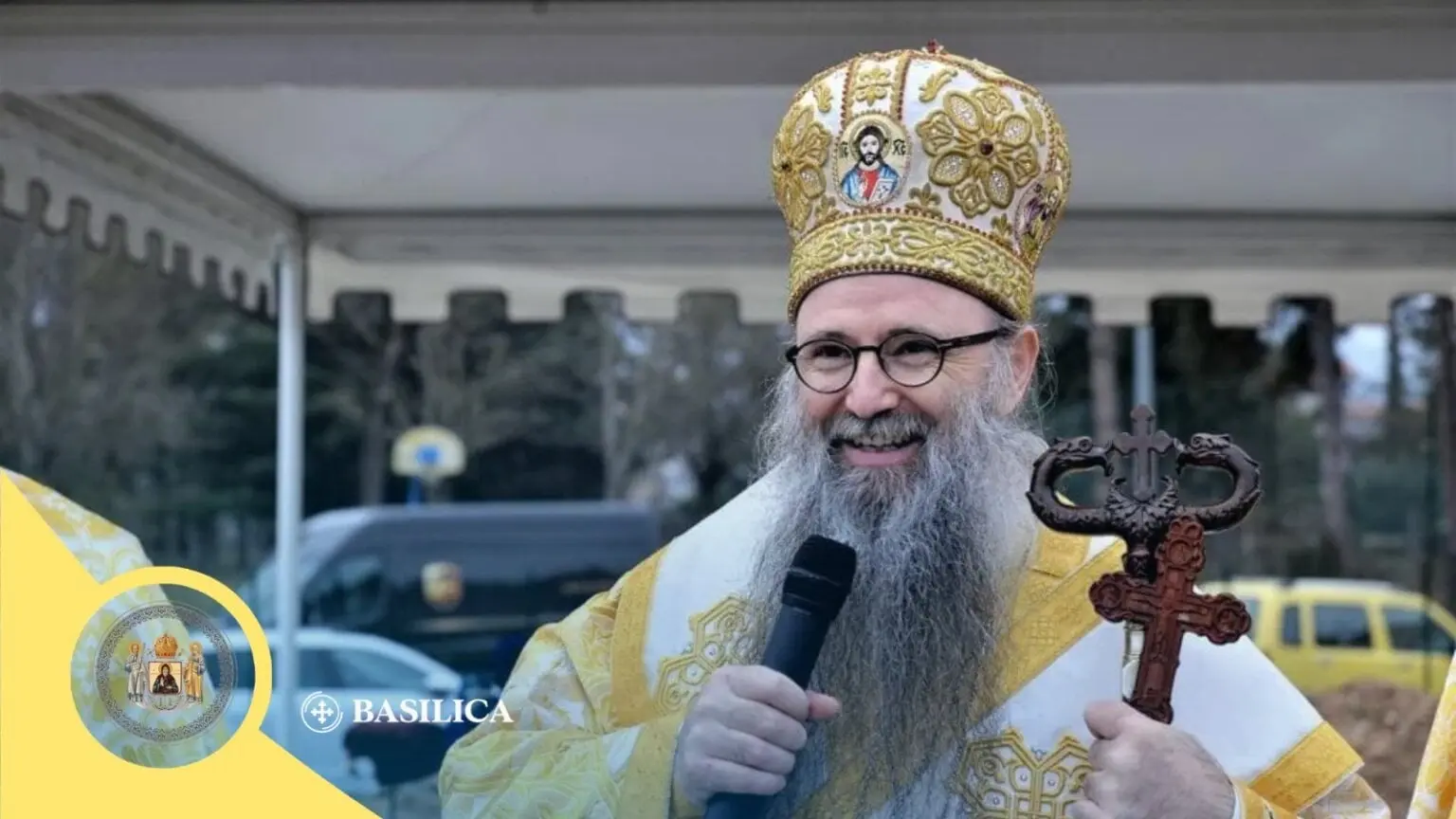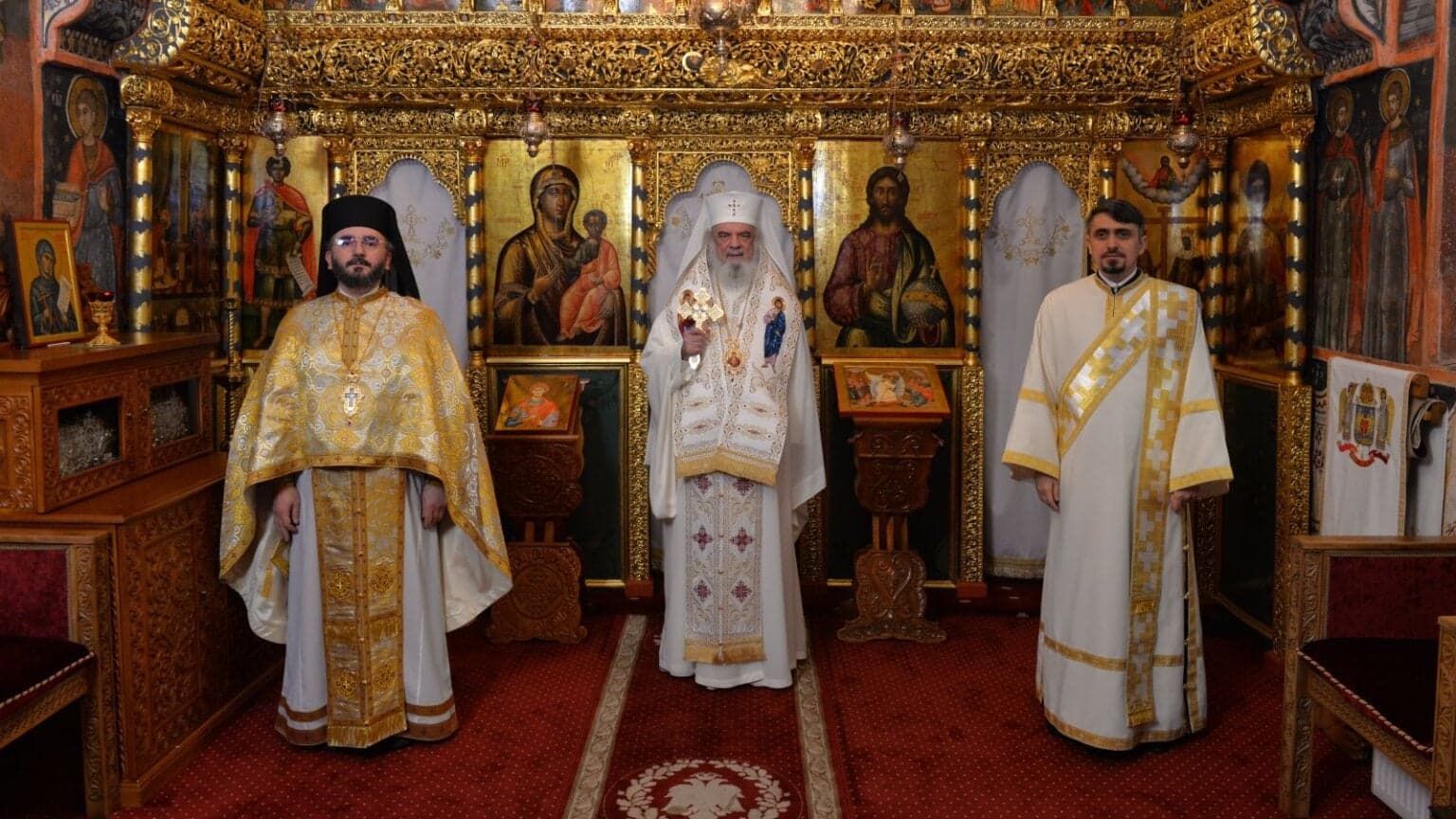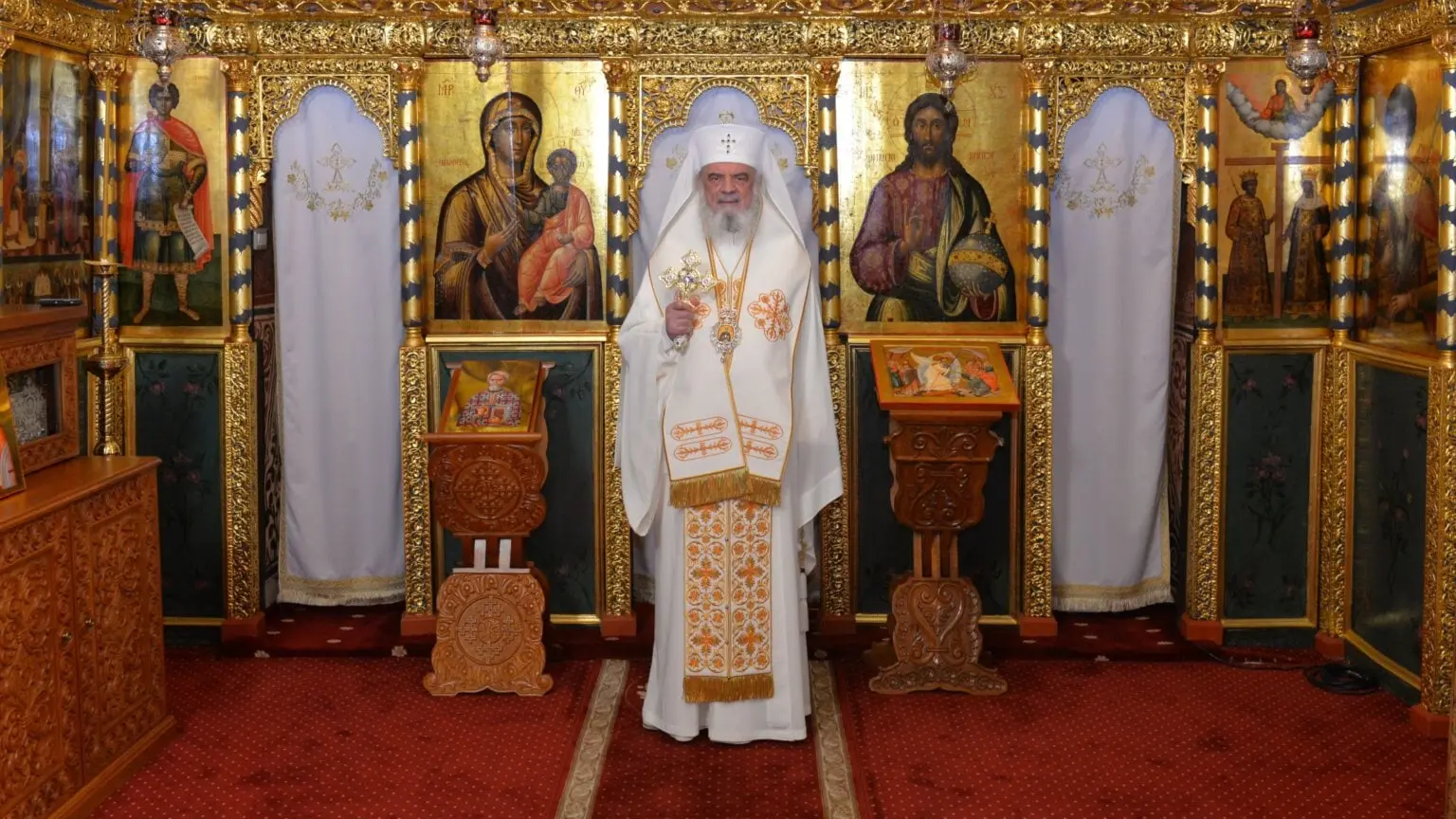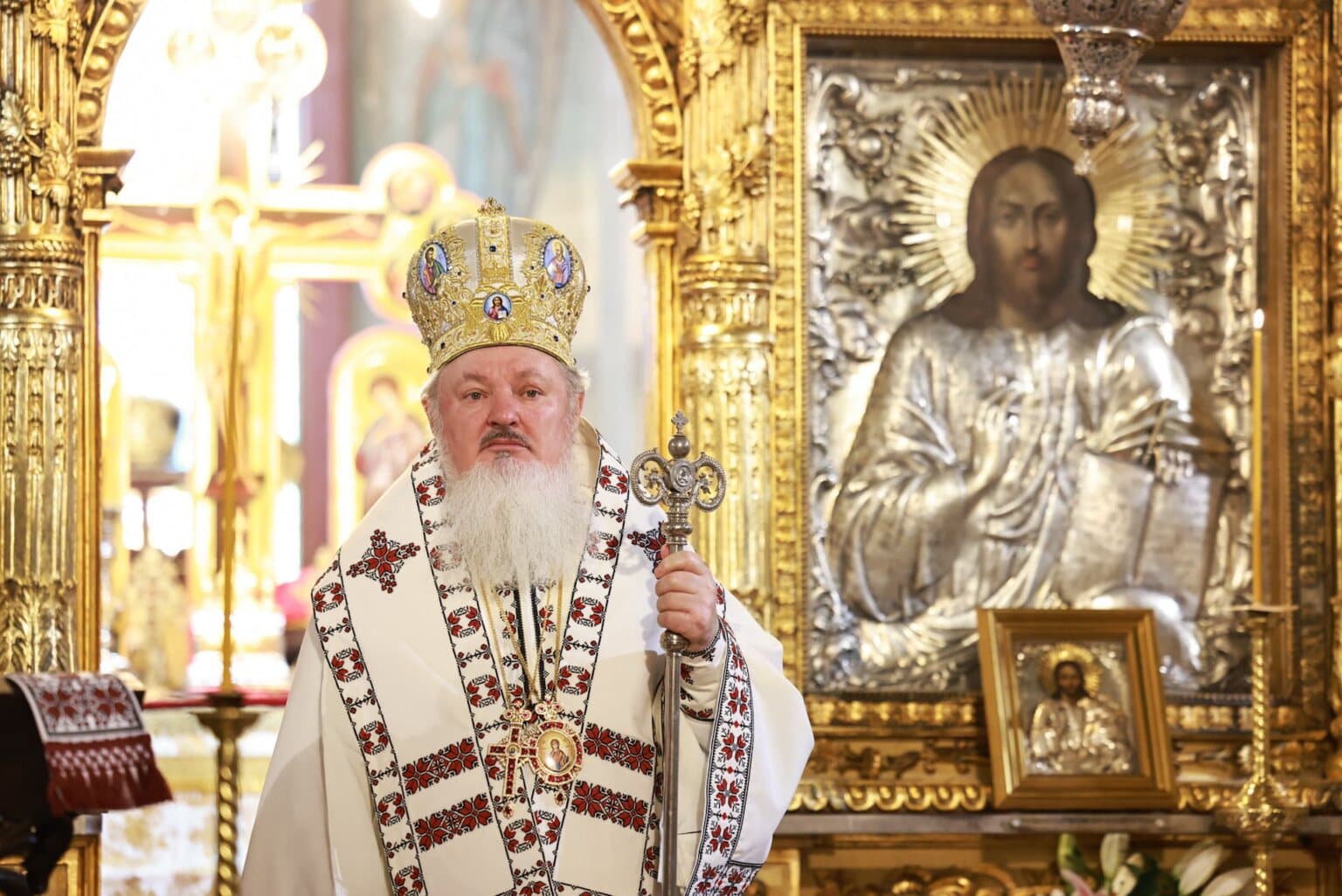
“The Holy Hierarch Callinicus of Cernica strove to be a shepherd in the image of the Good Shepherd, Christ the Saviour,” Patriarchal Auxiliary Bishop Varlaam of Ploiești said on Bright Monday at Cernica Monastery.
The bishop celebrated the Divine Liturgy on the feast of Saint Callinicus of Cernica and explained why the Gospel of the Good Shepherd was read. Although the saint is usually commemorated on April 11, this year the celebration was moved to the second day of Pascha because it fell on Holy Saturday.
“The Gospel of the Good Shepherd is read at the commemoration of holy hierarchs,” the bishop said. “Saint Callinicus of Cernica strove throughout his life to fulfil this episcopal ministry after the example of Christ, the eternal High Priest.”
A major 19th-century figure
Bishop Varlaam described Saint Callinicus as “one of the greatest personalities of the 19th century” in Romania, noting his achievements as Bishop of Râmnic.
He highlighted the construction of the episcopal cathedral in Râmnic, describing it as a major architectural and engineering achievement for its time, as well as the restoration of the episcopal residence, chapel and infirmary. The saint also reorganised schools and reopened the theological seminary, which had been closed after the 1848 Revolution.
Notable philanthropic work
Saint Callinicus was also deeply involved in the education of clergy and the printing of liturgical and theological books.
“Because there was a need for works, for printed materials, for liturgical books, but also for books of instruction—especially for the formation of priests—he, as a bishop, gave particular attention to the training of clergy. For this purpose, he re-established the seminary, printed several works of spiritual guidance, and founded his own printing press, which was called Calinic of Râmnic.”
“At his death, he left it to the authorities of the city of Râmnic, on the condition that half of the printing house’s income be donated to the theological seminary for the support of needy students,” the Patriarchal Auxiliary Bishop added.
Saint Callinicus also carried out an intense philanthropic activity in Râmnicu Vâlcea, where he ordained priests whom “he supported with gifts, liturgical books, cassocks, and often even money for travel to their parishes.”
An almost impossible event
His Grace also spoke about the canonisation of Saint Callinicus, a landmark event for a country like Romania in the 1950s, when communist atheism was in power.
“On 23 October 1955, in the midst of Stalinist communism—when in Moscow and throughout the Soviet Union churches and monasteries were being blown up or turned into prisons or reform schools for delinquents—through the wisdom and patience of the ever-memorable Patriarch Justinian, supported by the members of the Holy Synod, an extraordinary achievement was realised: the first canonisation of Romanian saints on the territory of Romania.”
“And among these saints was Saint Callinicus of Cernica. At his proclamation in 1955, hierarchs from both within the country and abroad were present—again, something almost impossible to imagine in a socialist country where Stalinist influence was so strong at that time.”
The purpose of the Christian family
In the concluding part of his address, Bishop Varlaam recalled that the Church also canonised Saint Callinicus’ mother, Saint Philothea of Pasărea. In this context, the hierarch referred to the Solemn Year 2026 dedicated to the pastoral care of the Christian family.
“Thus, in this Solemn Year dedicated to the pastoral care of the Christian family, we celebrate today Saint Callinicus, who was formed under spiritual fathers who themselves are saints, such as Saint George of Cernica and Saint Sophronius the Bishop of Vratsa, who ordained him as a hierodeacon.”
“And so he grew up under the protective gaze and spiritual guidance of his mother, who became the nun Philotheia, and we learn how important the Christian family is. The icon of the commemorative year 2026 is that of the family of Saint Basil the Great, Archbishop of Caesarea in Cappadocia—a family from which eight saints emerged.”
“This is the purpose of the Christian family: to cultivate among its members the eternal values of the Holy Gospel revealed to us by our Saviour Jesus Christ, and to gather in our souls and hearts the light of faith, the light of good deeds, and the light of love for God and for our neighbour. Therefore, today’s feast is one that we must hold close to our hearts,” the hierarch said.
For more pictures, please visit our Photo Gallery section.
Photo: Basilica.ro/ Raluca Ene