In a landmark year marking the Centennial of the Romanian Patriarchate, the Holy Synod of the Romanian Orthodox Church adopted decisions that reshaped the Church’s liturgical calendar, pastoral priorities and institutional life.
From the canonisation of new saints to the consecration of the National Cathedral’s iconography and key administrative reforms, 2025 stood out as one of the most significant years in recent Church history.
The decisions of the Holy Synod were primarily administrative, including the approval of new regulations and the updating of existing ones; as well as pastoral and liturgical, such as the establishment of services for the newly canonised saints.
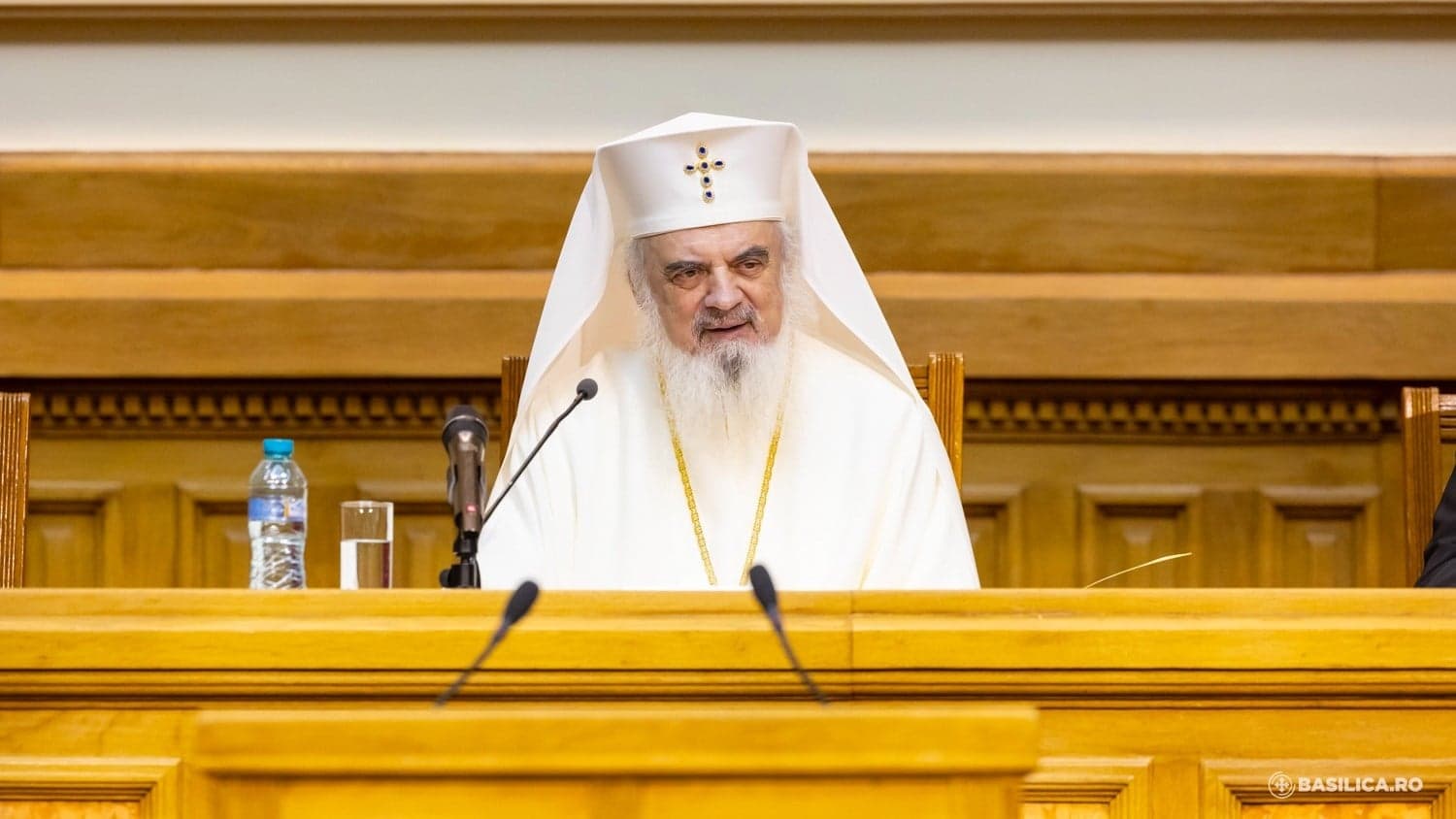
The agenda of the synodal sessions, presided over by His Beatitude Patriarch Daniel, also included the organisation of diocesan life through the election of new bishops and assistant bishops.
The Holy Synod also addressed matters concerning the involvement of clergy in political life and the situation of Romanians in Ukraine.
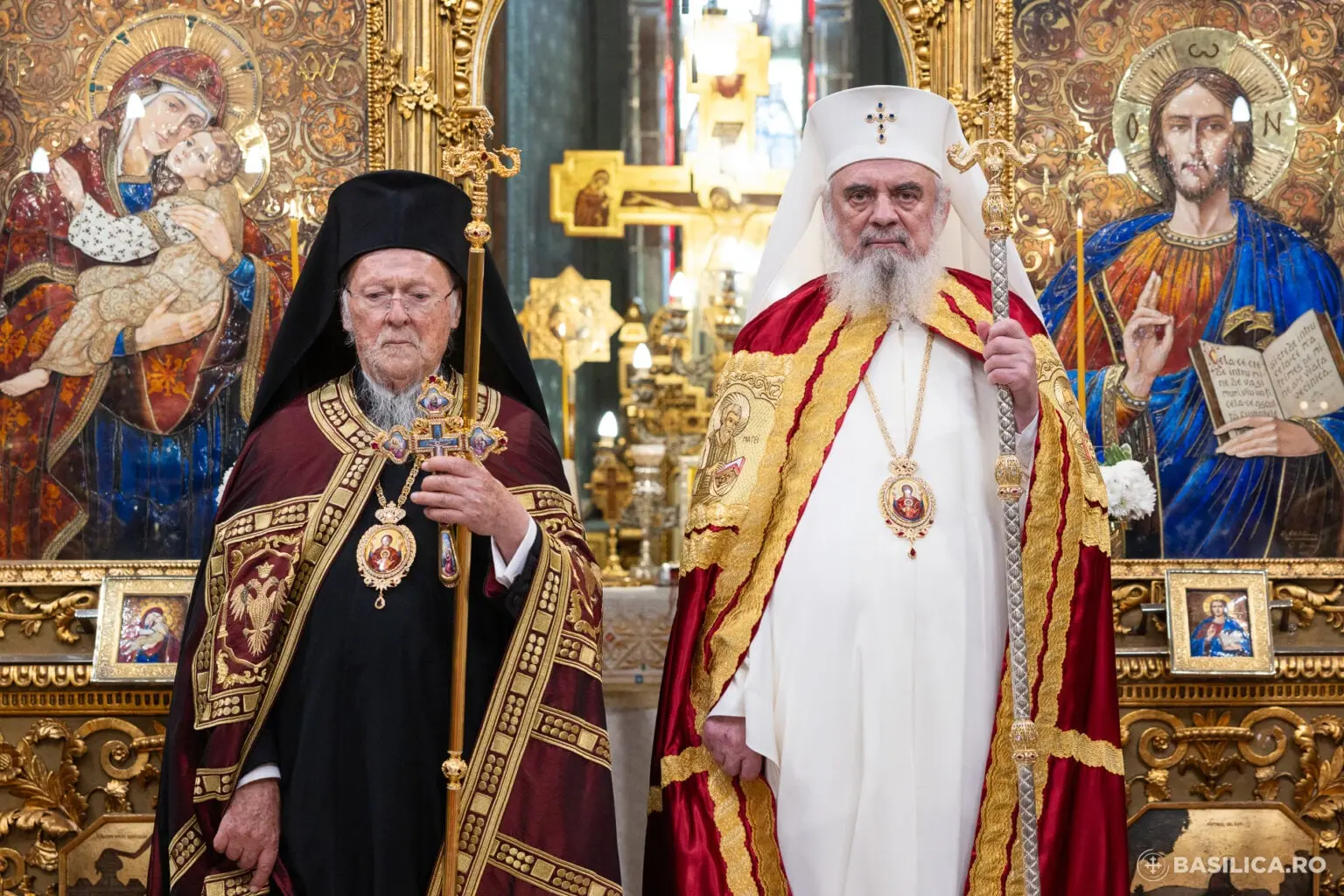
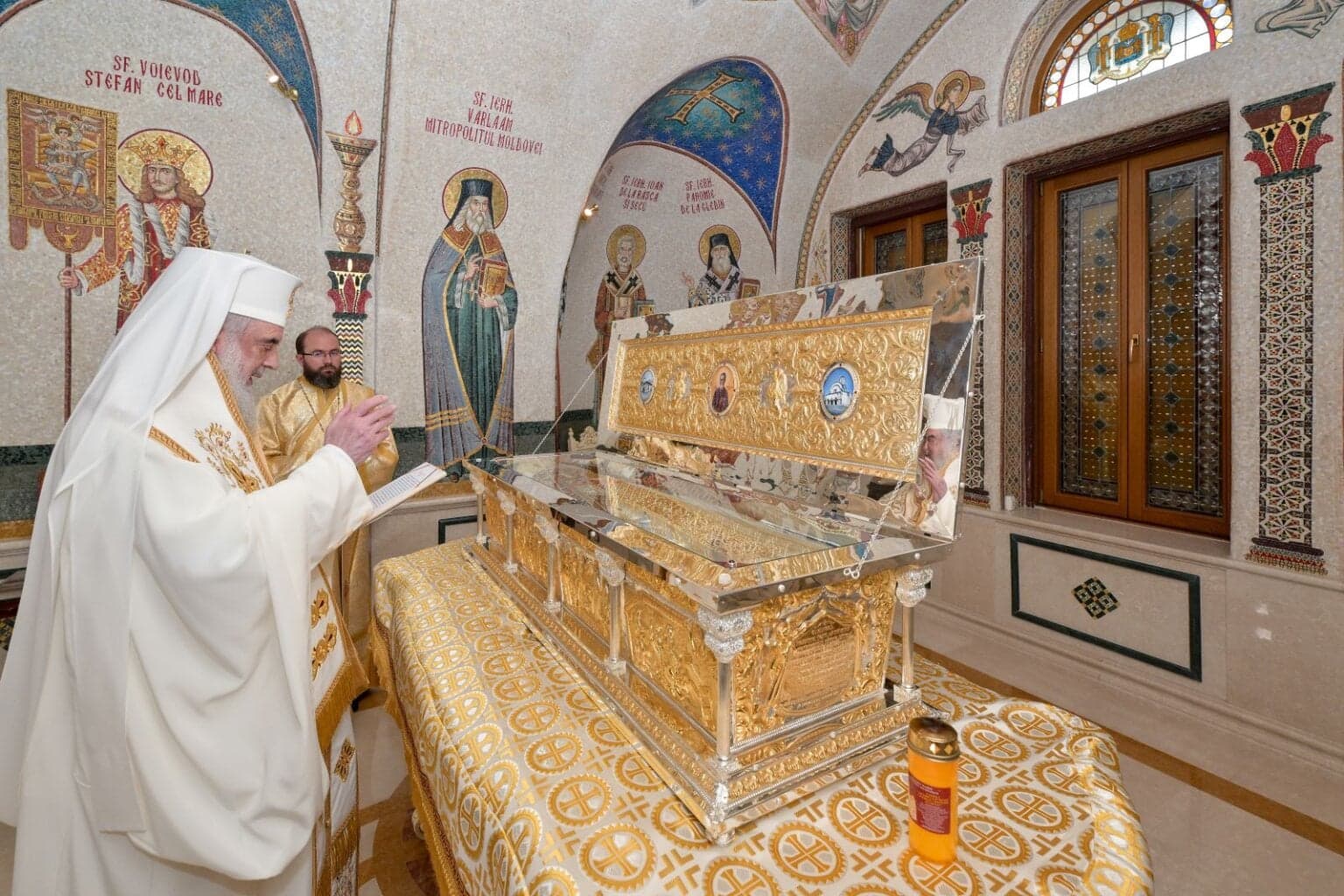
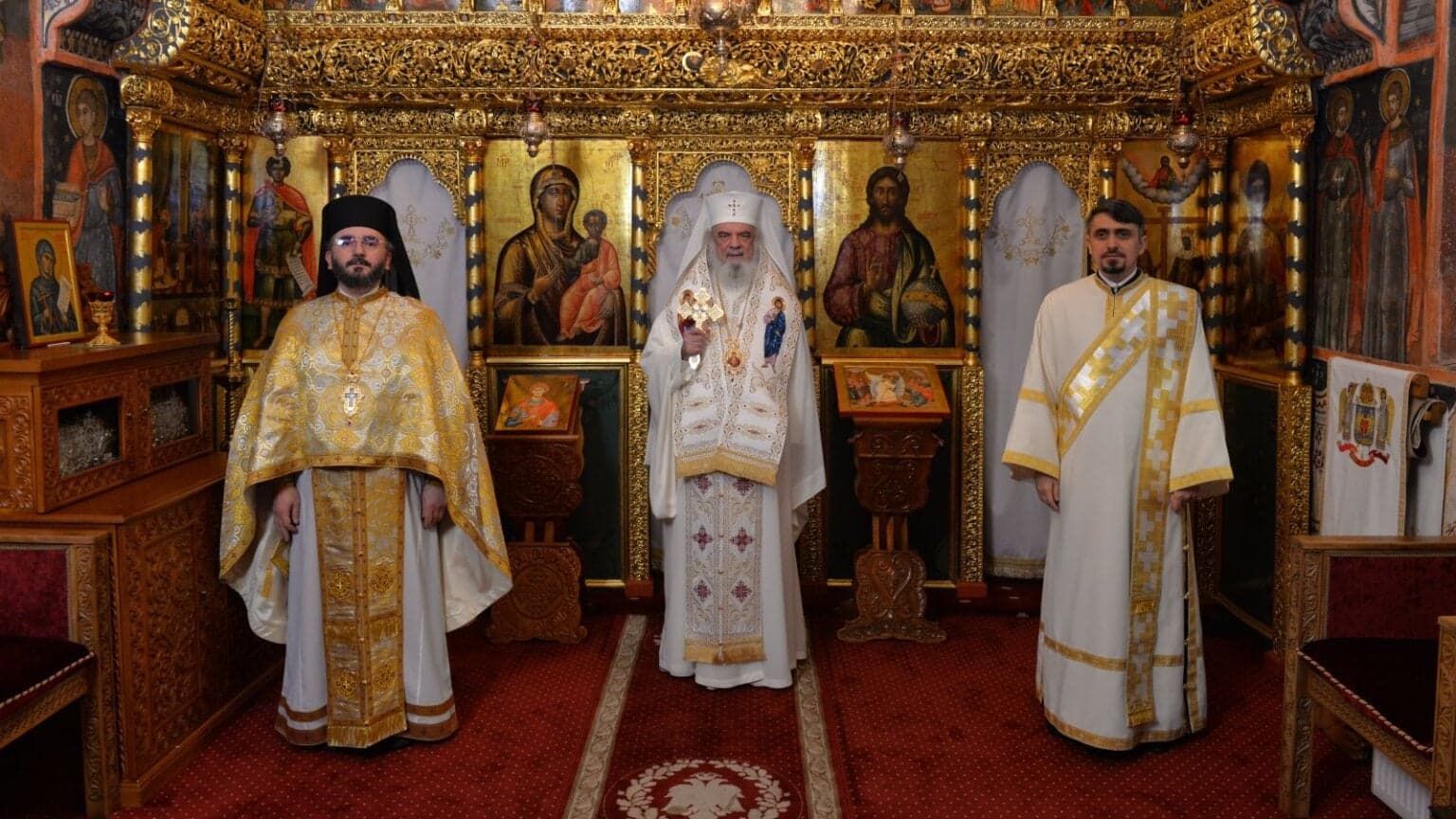
Not only working or solemn sessions brought the members of the Holy Synod together, but also moments of prayer: in February, the hierarchs concelebrated to mark the Centennial of the Romanian Patriarchate; in April, they consecrated the Holy and Great Chrism; and at the end of October, the synodal members gathered for the consecration of the iconography of the National Cathedral.

New saints added to the Orthodox calendar
Among the principal decisions adopted by the Holy Synod in 2025 was the inclusion in the Orthodox calendar of sixteen Romanian saintly women, approved at the Synod’s session held in early July.
Their canonisation took place in the context of declaring 2026 as the Solemn Year of the Pastoral Care of the Christian Family and the Commemorative Year of the Holy Women in the church calendar (myrrh-bearing women, martyrs, venerable mothers, wives, and mothers) in the Romanian Patriarchate.
The highest authority of the Romanian Orthodox Church also decided to include in the calendar Romanian saints canonised by the Ecumenical Patriarchate—namely Saint Dionysius of Colciu and Saint Petronius of Prodromos Skete.
Most likely, at the next session of the Holy Synod, the other two Prodromite elders canonised by the Patriarchate of Constantinople, Saints Niphon and Nectarius, will also be included.
Liturgical decisions and new church feasts
Among the liturgical decisions were the approval of services dedicated to the newly canonised saints and their icons.
Starting next year, the Orthodox Christian calendar will be enriched with several new commemorations:
- The Synaxis of the Holy Romanian Women (the Third Sunday after Pascha – the Sunday of the Holy Myrrh-Bearing Women);
- The Sunday of the Athonite Saints (the Third Sunday after Pentecost);
- The Feast of the Icon of the Mother of God of Dintr-un Lemn Monastery (21 July);
- The Feast of the Icon of the Mother of God of Craiova (30 August);
- Military Clergy Day (26 October).
Administrative and pastoral decisions
The main decisions adopted this year by the Holy Synod of the Romanian Orthodox Church concerned church administration. Such resolutions support the proper conduct of the Church’s pastoral and social life.
These regulations include provisions on financial support for specific social projects, the approval of the 2026 Orthodox calendar, and the Regulation for the organisation and functioning of Orthodox theological seminaries, colleges, and high schools within the Romanian Patriarchate.
In the context of this year’s elections, the Holy Synod reiterated the Romanian Orthodox Church’s position on political life and electoral campaigns, recalling the obligation of all hierarchs, clergy, and monastics to comply with these provisions.

At its July session, the Holy Synod noted with sorrow the continued, unjustified, and abusive refusal of the Ukrainian public authorities to recognise the Religious Association “The Romanian Orthodox Church in Ukraine”, although it fulfils all the conditions set out by the current Ukrainian legislation, and approved the continuation of support for the Romanian Orthodox communities in Ukraine.
Diocesan life and election of new hierarchs
The proper functioning of diocesan life is a constant item on the agenda of the Holy Synod’s sessions. The election of new hierarchs, the declaration of an episcopal see as vacant, and the establishment of new dioceses fall within the responsibilities of the Church’s highest authority.
In 2025, three new assistant bishops were elected: His Grace Nectarie of Bogdania, Assistant Bishop to the Archdiocese of Chișinău; His Grace Samuel of Bistrița, Assistant Bishop of the Archdiocese of Vad, Feleac and Cluj; and His Grace Teofil of Trotuș, Assistant Bishop of the Archdiocese of Roman and Bacău.
Following these elections and ordinations, the Holy Synod of the Romanian Orthodox Church now comprises 60 hierarchs.
In addition, a new Bishop of Sălaj was elected, namely His Grace Bishop Benedict.
During its regular meetings, the Holy Synod also approved the statutes and coats of arms of the two dioceses established in 2024: the Archdiocese of Great Britain and Northern Ireland and the Diocese of Ireland and Iceland.

It is worth noting that the most recent official photograph of the Holy Synod of the Romanian Orthodox Church dates from October (representative photo).
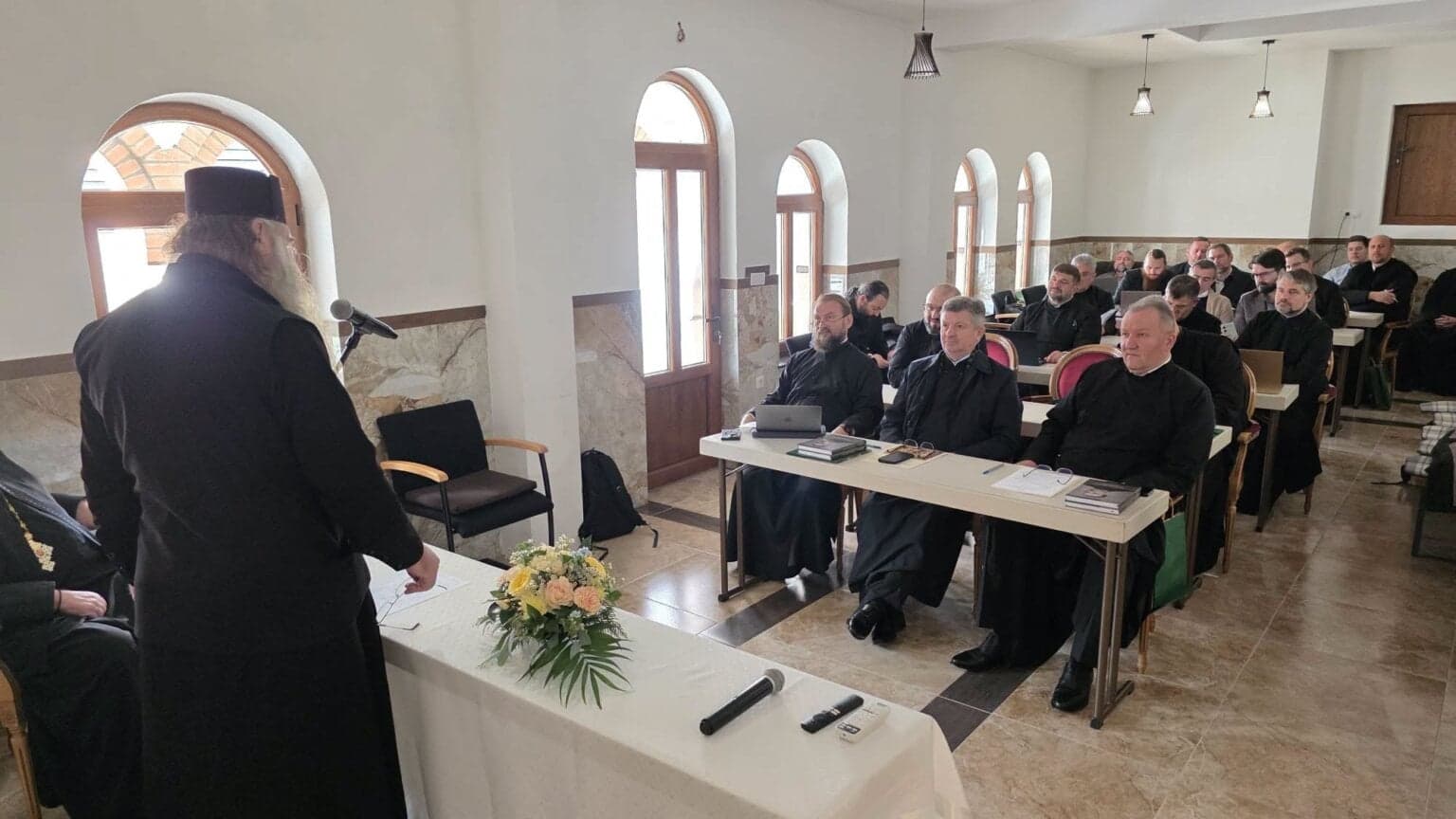
This year, the Holy Synod of the Romanian Orthodox Church convened for five working sessions, held in February, March, July, September, and October.
Read more about the responsibilities of the Holy Synod and discover the members of the Synod.
Photo: Basilica.ro / Mircea Florescu