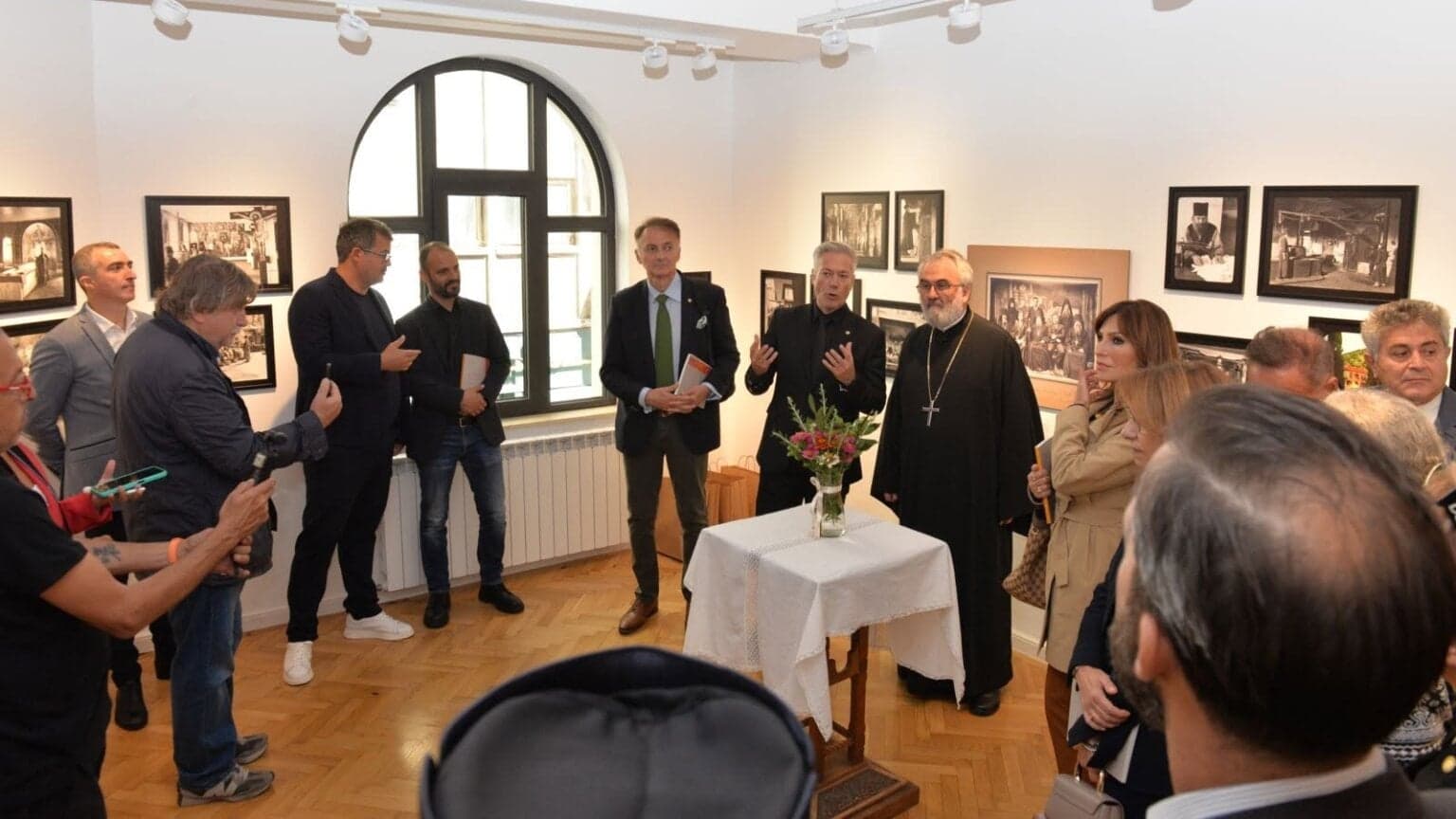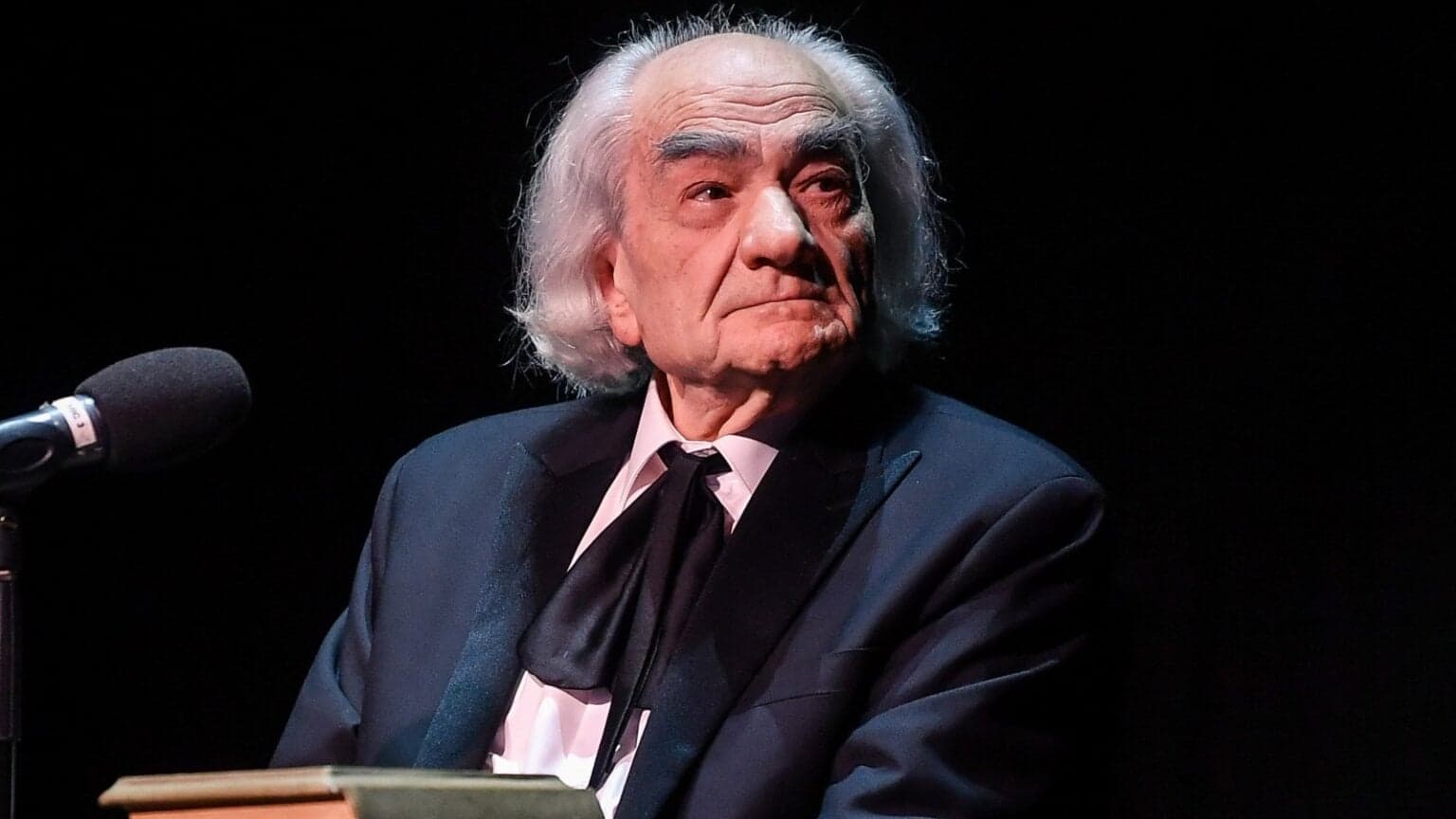
An event dedicated to the life and academic career of Leon Dănăilă, an emblematic figure of Romanian neurosurgery and medical research, brought together leading figures from the scientific, cultural, academic and religious fields last Thursday at the National Theatre in Bucharest.
During the ceremony, the renowned Romanian neurosurgeon received several honours and awards, including the Patriarchal Cross, the highest distinction of the Romanian Orthodox Church.
Father Costin Spiridon, patriarchal adviser in the Department for Christian relations, interreligious dialogue and Romanian communities abroad within the Patriarchal Administration, was delegated by Patriarch Daniel to present the distinction to the academician.
“Academician Leon Dănăilă expressed his gratitude and appreciation to Patriarch Daniel, repeatedly stressing that this is the highest distinction of the Romanian Patriarchate,” Father Costin Spiridon told Basilica.ro.
“It was a beautiful evening, during which the distinguished professor received several awards, including one granted by the Academy of Medical Sciences and presented personally by its president, Professor Mircea Beuran,” the patriarchal delegate added.
A retrospective of a life devoted to people and science
“With faith and with science, we can win people’s hearts and accomplish truly great things. Faith is very important for a person, and when you start your life with faith, you will certainly succeed,” Leon Dănăilă said, quoted by Agerpres.
“Faith and the soul are addressed in the Bible. Hospitals treat the human body, and these two realities do not exclude one another; they support each other, so that, in the end, something good may come out of our humanity and our conduct.”
The event was organised by the association My Life Story, in partnership with the Ministry of Culture and the I.L. Caragiale National Theatre.
About Leon Dănăilă
Academician and Professor Leon Dănăilă, included among the 500 geniuses of the 20th century, was born on 1 July 1933 in Darabani, Botoșani County.
He discovered a new type of brain cell, called the cordocyt, published 64 books and performed thousands of complex brain surgeries, many of them medical firsts, saving countless lives and restoring hope where medicine once seemed powerless.
By introducing the operating microscope and modernising neurosurgical techniques, he revolutionised medical practice in Romania and brought it up to international standards.
In the treatment of acoustic neuromas, he reduced surgical mortality from 51% to 4%, and in the field of intracerebral aneurysms, from 59% to 4%.
Photo: Agerpres / Ștefan Micsik