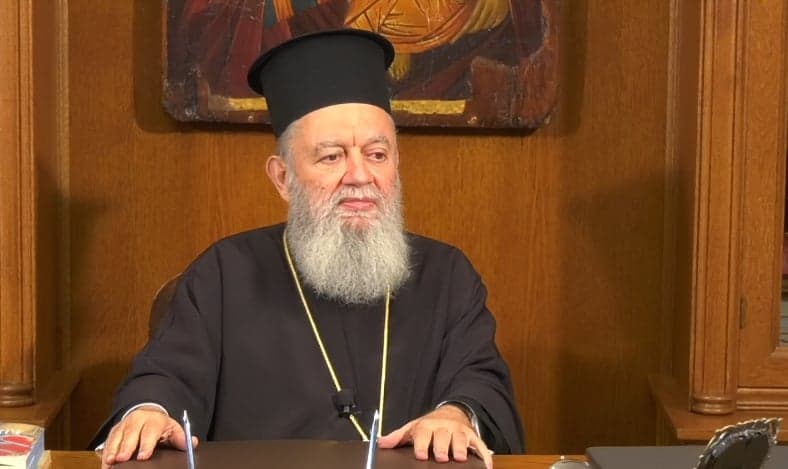
Father Liviu Burlacu, a specialist in addiction recovery, recently gave an interview to Euro TV, urging those struggling with addiction to ask for help.
Alcohol, drug or gambling addiction can be overcome when the affected person has the courage to seek and accept support, he said.
“It is an act of dignity and humility to say: I cannot do this alone, and I ask for help,” Father Liviu Burlacu explained.
The struggle with addiction
Addiction can be likened to “walking through a labyrinth where there is darkness, and we know neither the beginning nor the end.”
The fight to give up harmful habits and return to a normal life is not lost. However, the way out is not possible without the support of a person or team capable of providing guidance and seeing, from the outside, the entire path of healing.
“There are solutions, there is hope, there is help. This is what we do. Only you can succeed, but you cannot succeed on your own,” he said, quoting André Moreau.
Help for people
Father Liviu Burlacu noted that statistical data show very low success rates when addiction is tackled solely through personal willpower or medication alone.
“There are statistics showing that with psychiatric medication, among those addicted to alcohol, only 2–3–4% remain abstinent, but without real transformation. Just 1–2% manage to stop on their own.”
By contrast, integrative therapeutic programmes — addressing addiction from medical, psychological, social and spiritual perspectives — can lead to significantly better results when followed with honesty and responsibility.
“The conclusion is that everyone has a chance of healing, just as everyone has a chance of salvation, if they ask for help and accept it under the conditions in which it is offered.”
Addiction treatment centre
Father Liviu Burlacu is the coordinator and programme director of the Izvorul Tămăduirii Centre in Bacău.
The centre’s team is made up of trained specialists with experience in counselling people addicted to alcohol, drugs and gambling, as well as providing support to their family members.
More than 3,000 people have benefited from information, assessment and guidance through support groups, therapeutic groups and individual counselling.
Photo: Freepik