Radu Burnete, Presidential Adviser for Economic and Social Policies to the President of Romania, wrote on Facebook that factual data on public investments over the past 15 years shows that the shortage of schools, hospitals, or other infrastructure is not related to the construction of the National Cathedral.
Money spent by Romania on public investments since 2010
“Between 130 and 150 billion euros have been spent by Romania on public investments since 2010 (adding up all GDPs with an average of 3.5% public investment as a share of GDP). For this reason, those who claim that this religious monument is the only achievement of the past 15 years are gravely mistaken.”
He added:
“Our country has made progress — perhaps less than we wished, could have, or dreamed of, but still progress. Private investments alone have amounted to over 600 billion euros in these 15 years (about 20% of GDP annually) — the equivalent of 2,000 cathedrals. So those who say nothing has been done since Ceaușescu’s time and that this cathedral is the only accomplishment are perpetuating an untruth. Enormous progress has been made, though not everyone has benefited equally — which is another matter.”
An infinitesimal fraction of the public money invested overall
“Based on these same figures, the construction of this cathedral is not the reason we lack enough hospitals, nurseries, elderly homes, ports, or highways. However expensive it may be, it represents an infinitesimal fraction of the public money invested overall. Had we managed funds better, reduced corruption, simplified procurement, cut bureaucracy, and achieved more governmental stability, we would have had more and better of everything,” the Presidential Adviser explained.
The National Cathedral as a Mirror of Romanian Society
In his view, the construction of the National Cathedral and the debates surrounding it serve as a mirror of Romanian society.
“Like any major project, it not only stirs controversy but is, in itself, a reflection of the society that created it. A snapshot. A state of being. In its symbolism, in the way it was built, inaugurated, and publicly debated, this cathedral is a mirror.”
“We can learn much from it about the state and the Church, about ourselves, our religiosity, zeal or diligence, public administration, and money; about the East–West balance in our culture and the times we live in. Not everything is beautiful, pleasant, or welcome — but neither is it all bad. Different eyes see different things. I believe everything that could be said has already been said.”
“However, two ideas seem distorted: that nothing has been accomplished other than this cathedral, or that its absence would have somehow changed the landscape of public investments. The plain figures — as well as daily reality, for anyone with the memory to see things in perspective — tell a different story,” the economist concluded.
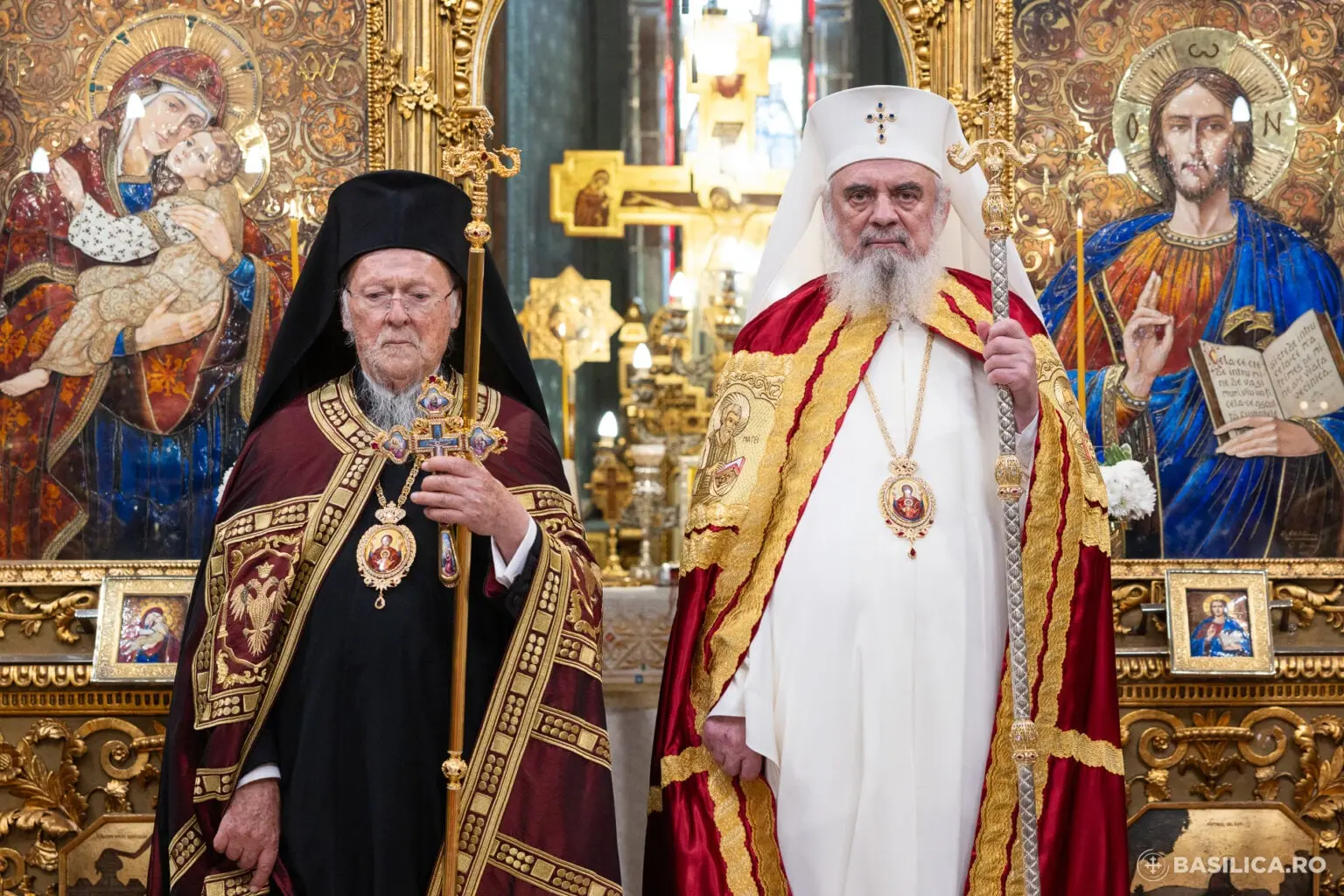
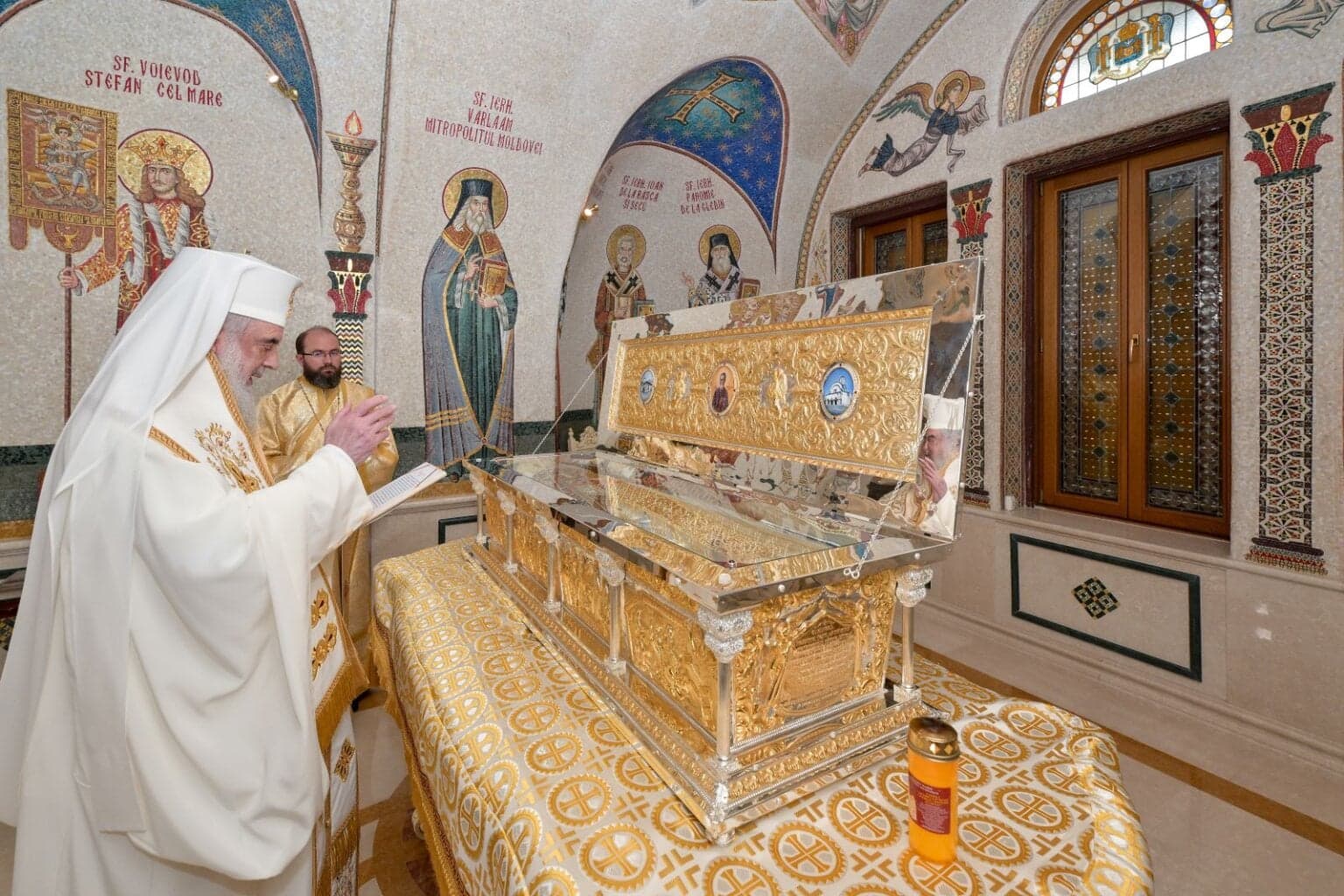
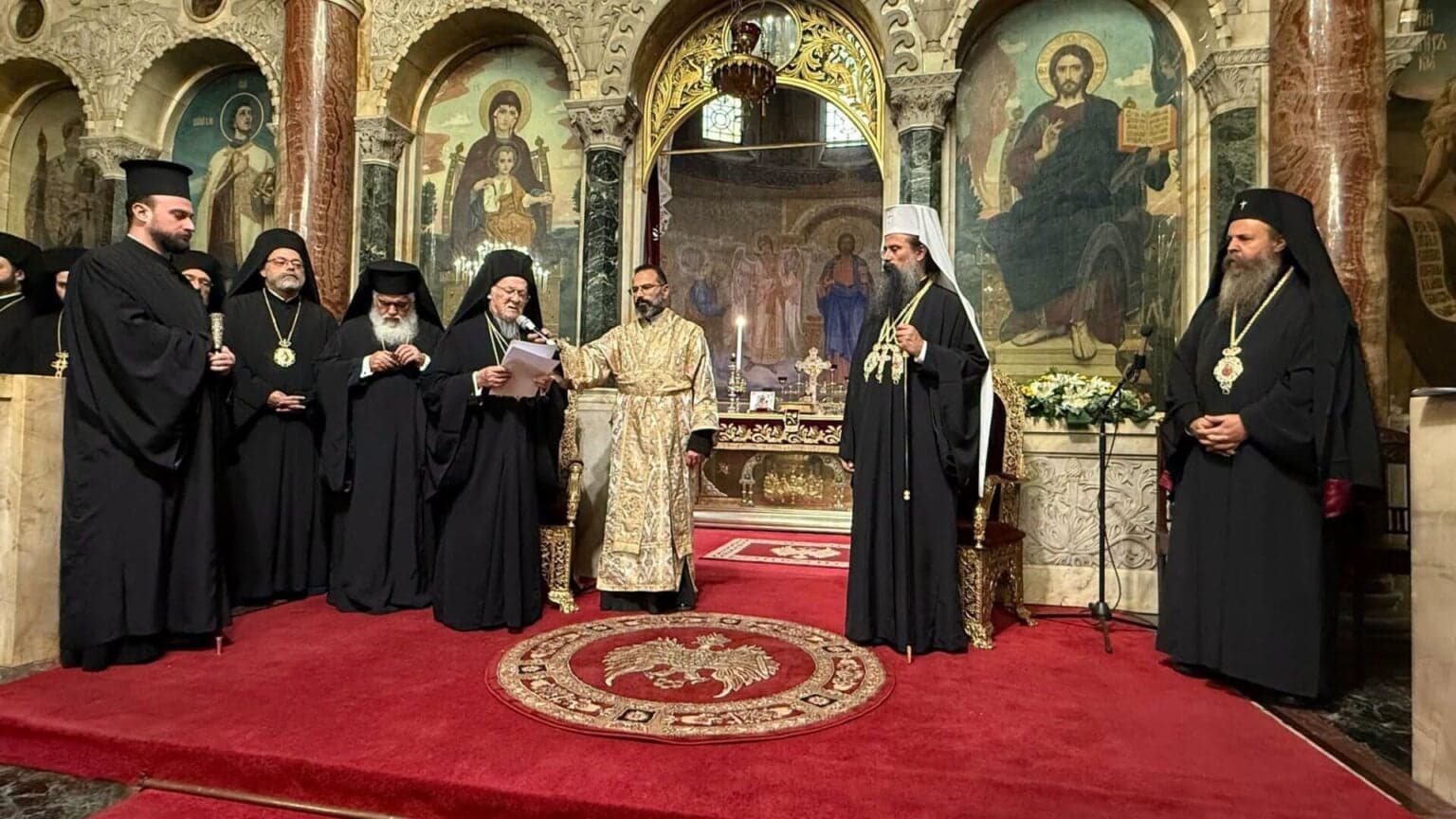
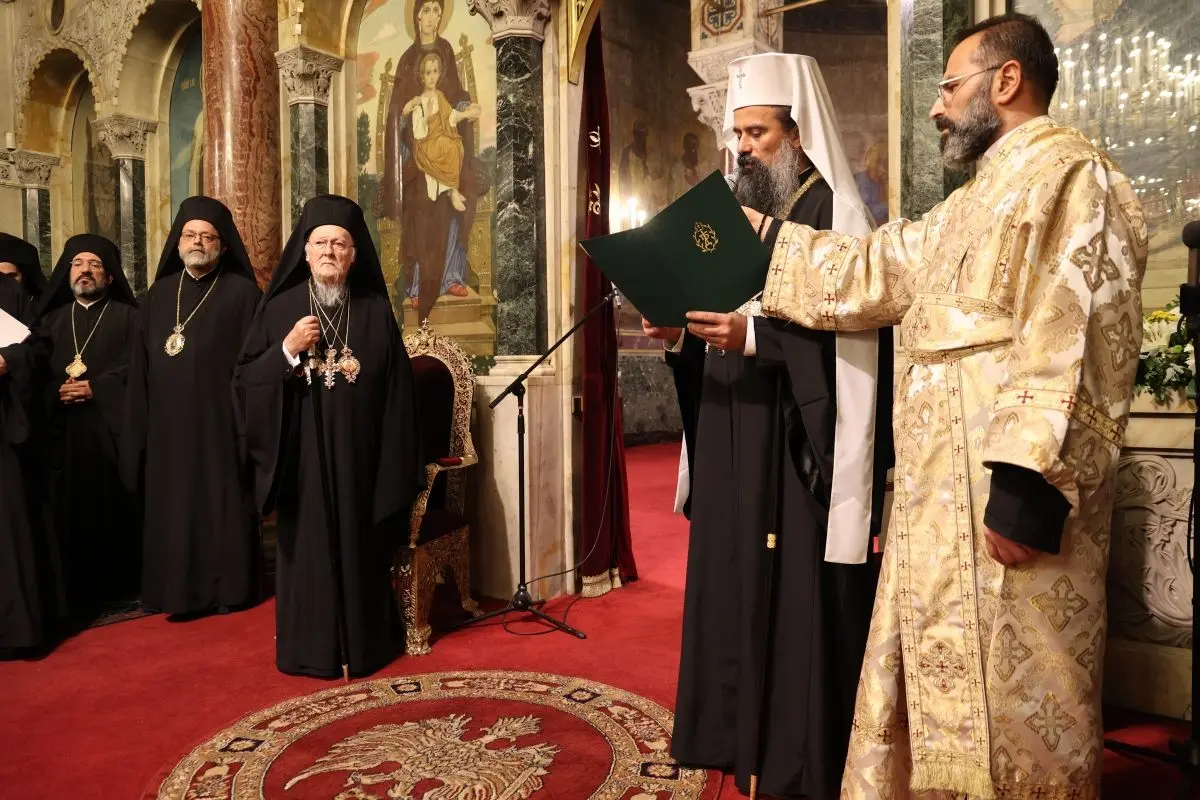
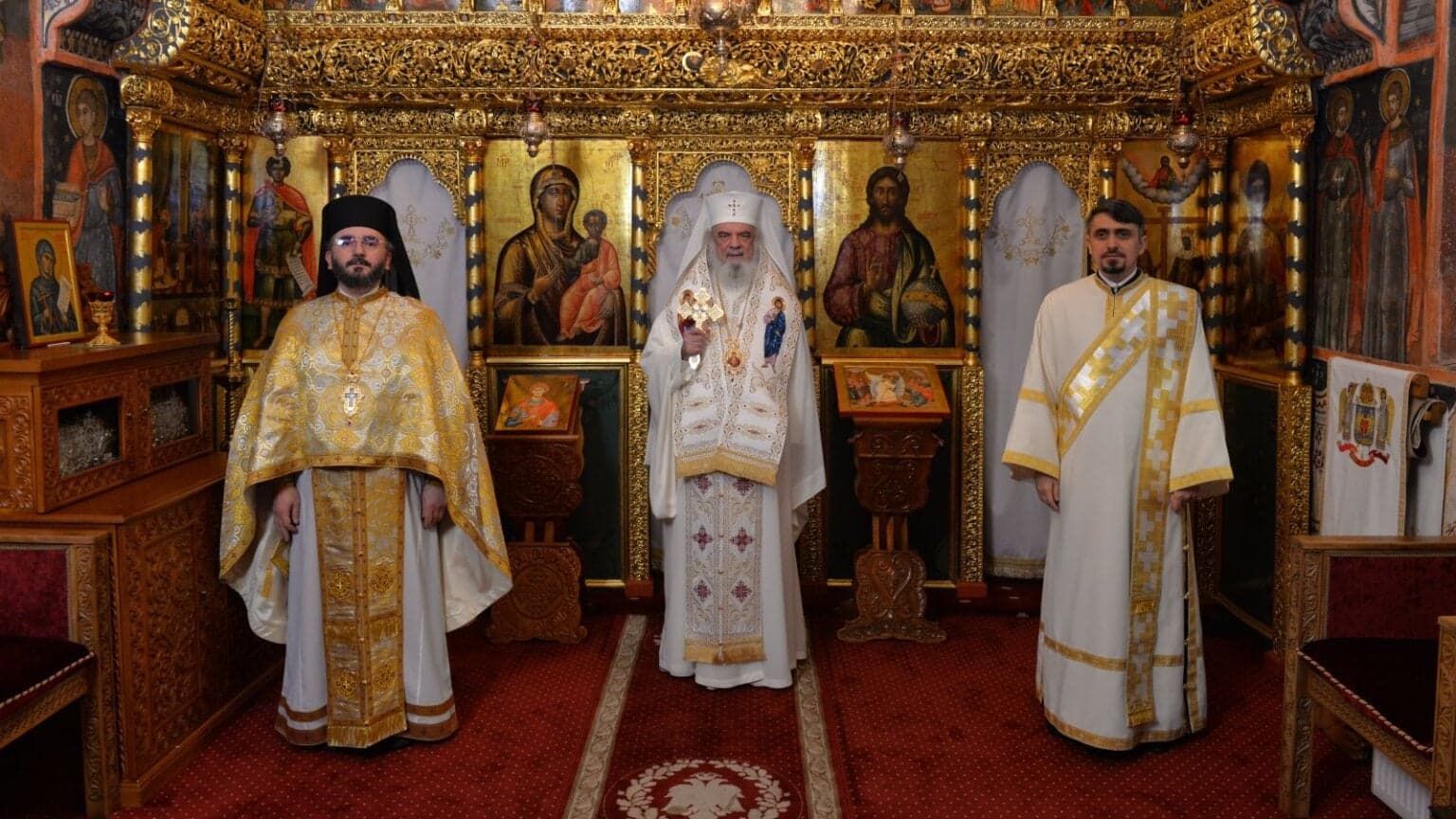
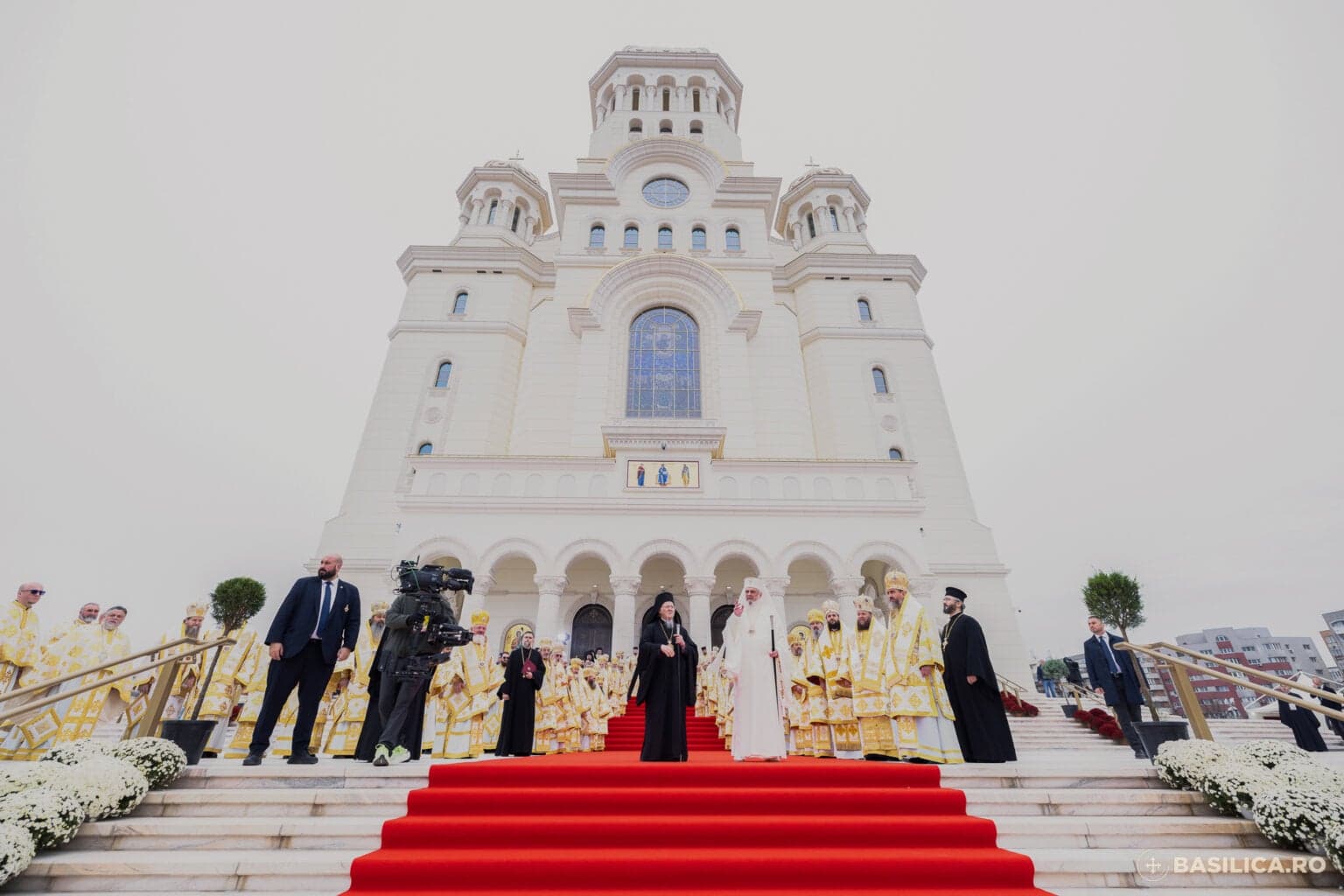
On Sunday, October 26, Ecumenical Patriarch Bartholomew and Patriarch Daniel consecrated the frescoes of the National Cathedral.
Photo: Raluca-Emanuela Ene / Basilica.ro