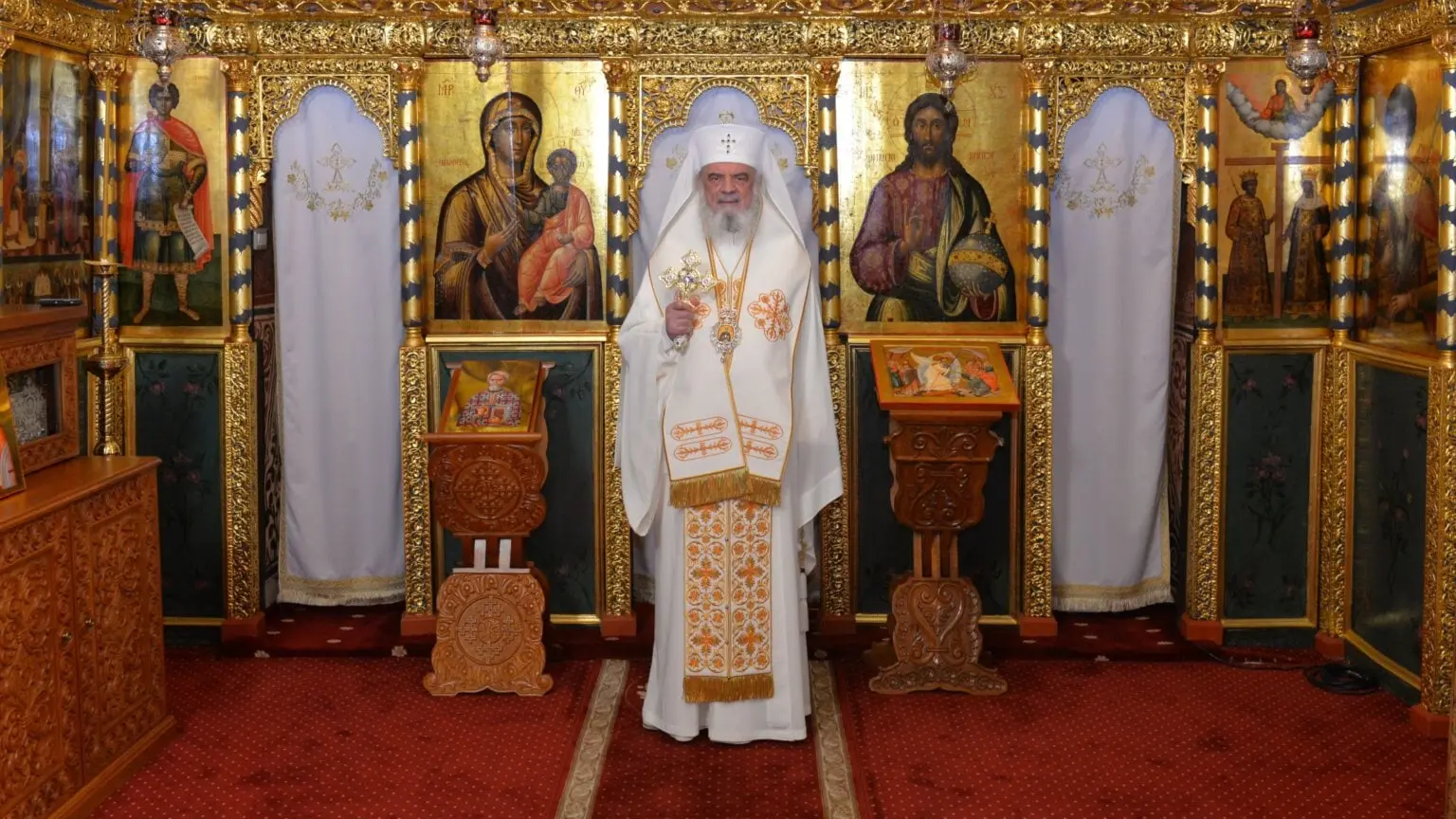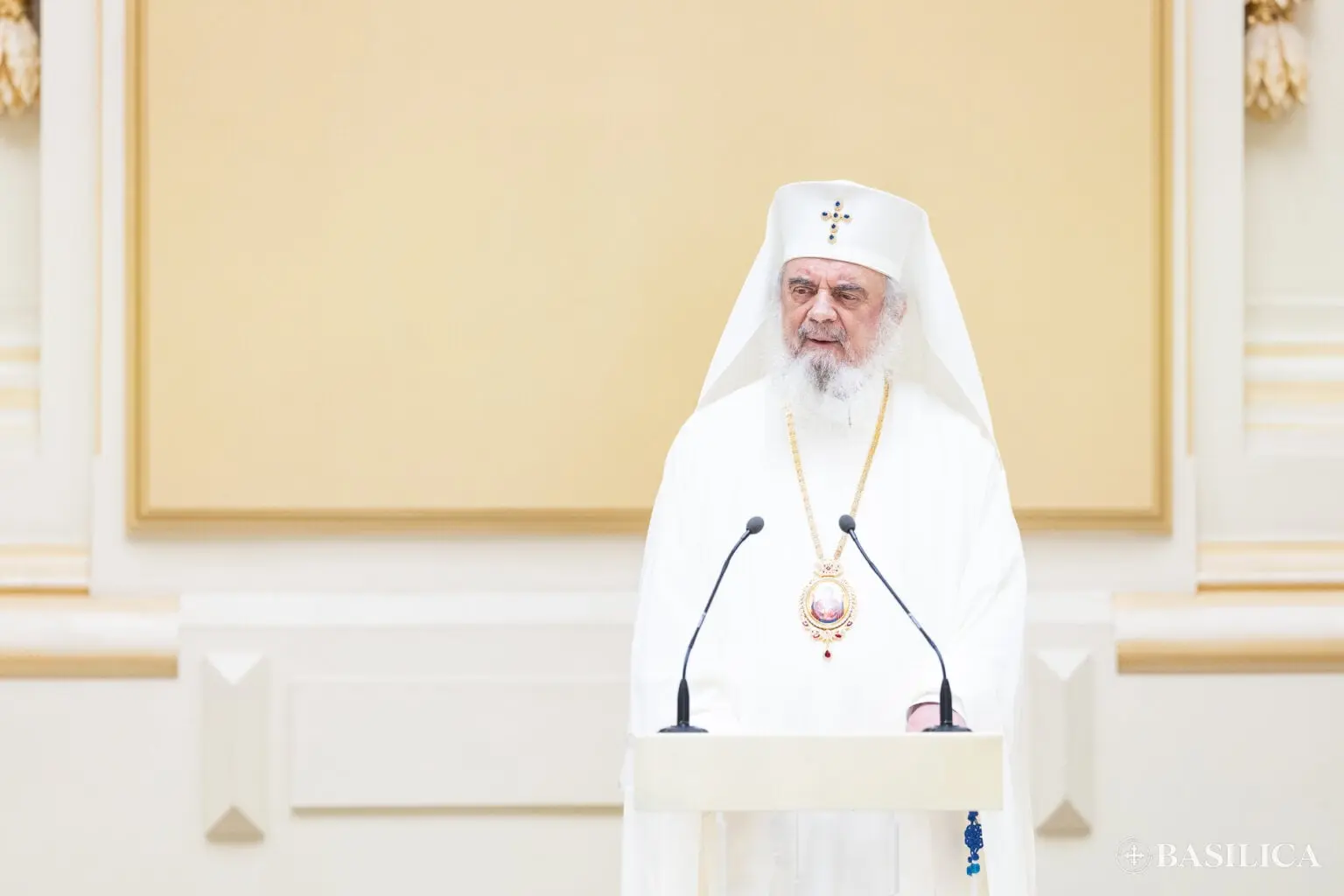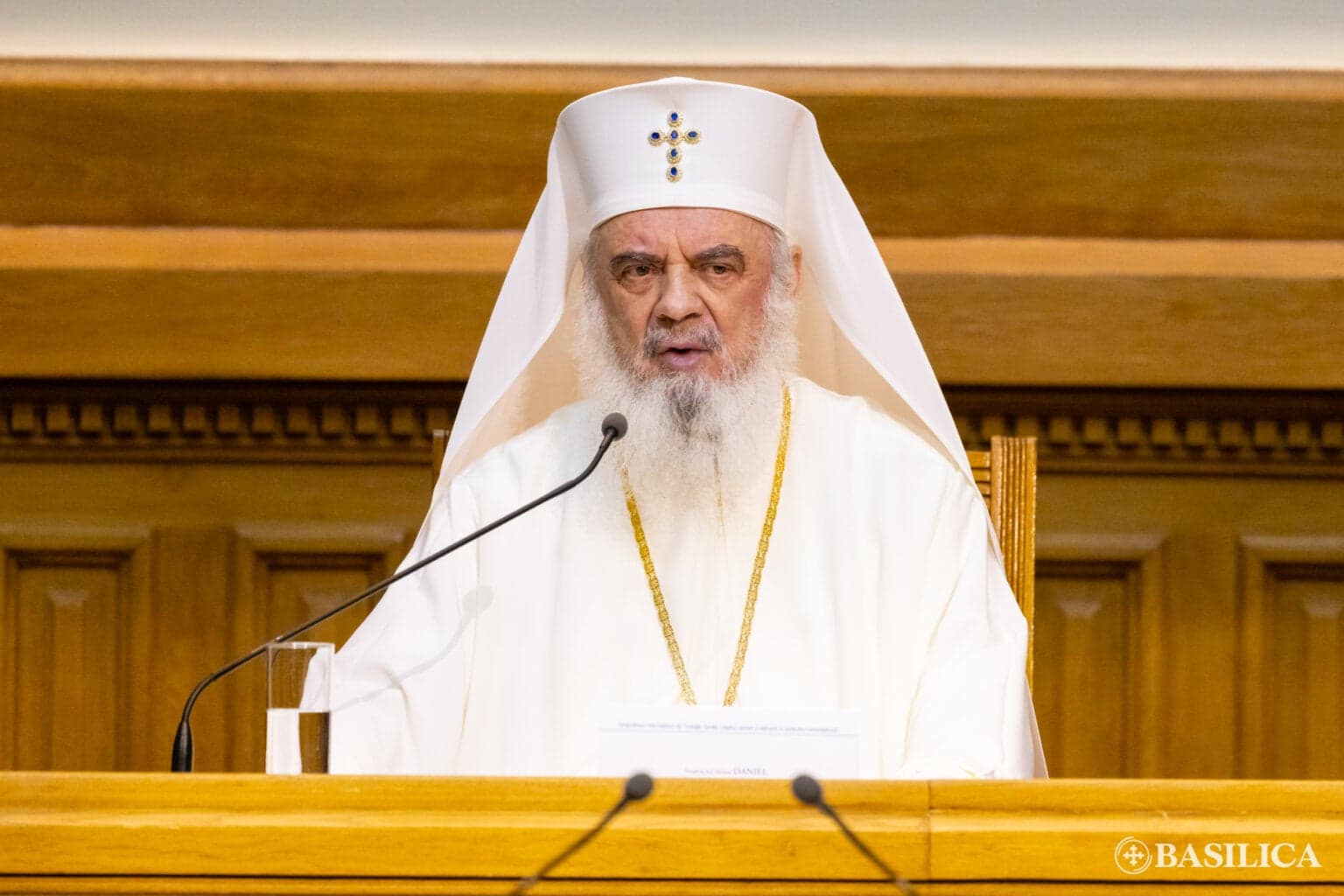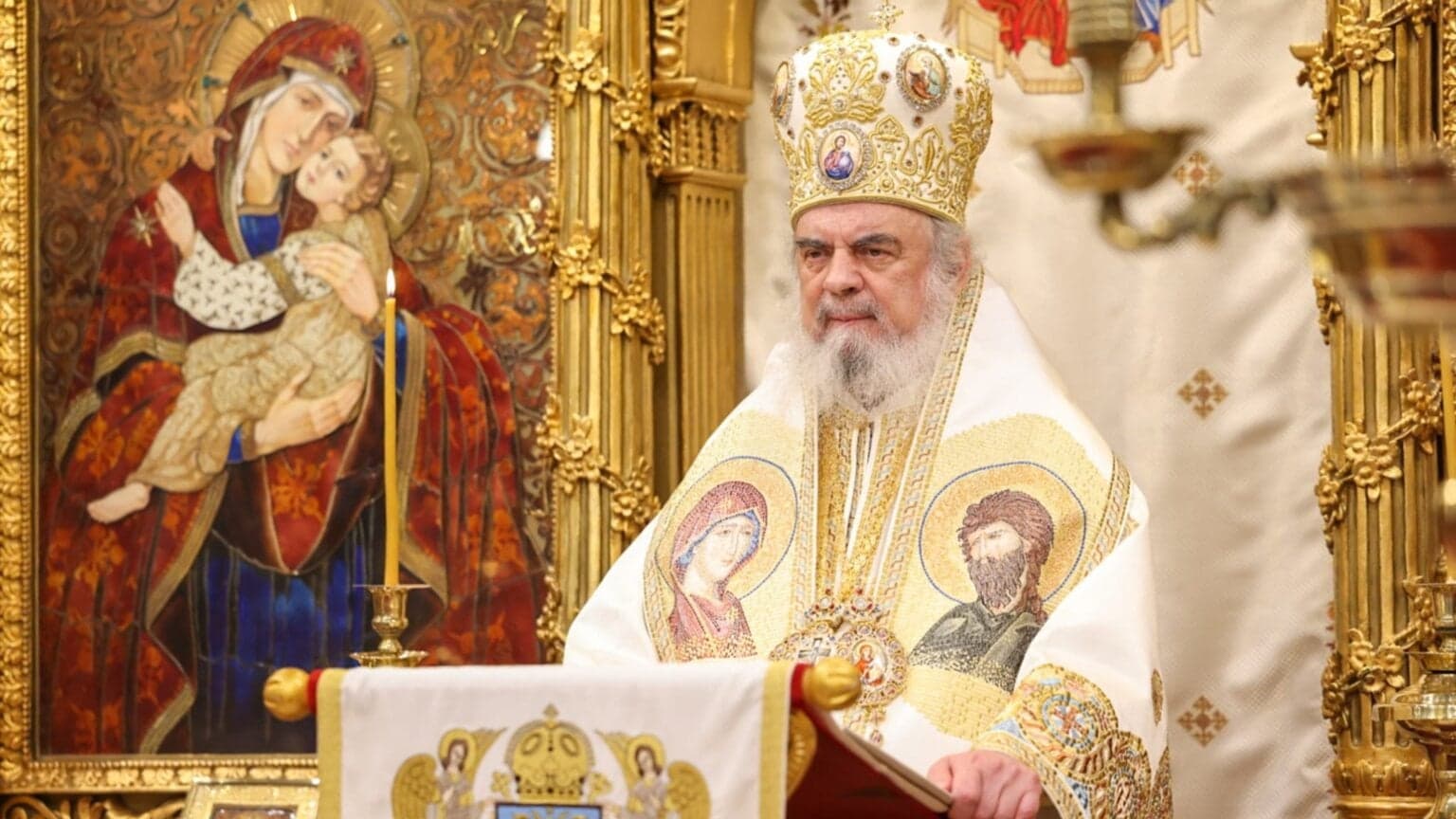
In his sermon on the Sunday of Orthodoxy, His Beatitude Patriarch Daniel emphasized the theological significance of holy icons, declaring, “The Orthodox Icon is a confession of the true faith, a testimony to the divinity of Jesus Christ, who became man for the salvation of humankind.”
Speaking at the Patriarchal Cathedral in Bucharest, the Primate of the Romanian Orthodox Church reflected on the Gospel reading, underscoring that faith is a spiritual vision beyond the perception of bodily senses:
“Today’s Gospel shows us that faith is a vision beyond physical sight, beyond what is perceived with the bodily eyes. It is a spiritual vision through which the believer beholds the presence of the invisible God.”
The Confession of Faith Through Icons
His Beatitude referenced the confession of Nathaniel, who, upon encountering Christ, proclaimed: “Rabbi, You are the Son of God! You are the King of Israel!” (John 1:49).
“Nathaniel’s vision through faith was a vision and confession of the divinity of Jesus Christ. He is not merely a man but the eternal God, the only-begotten Son of the Father, who became what He loved- man out of love for humanity and for our salvation. He took on flesh, lived among men, and entered into our existence, which was mingled with death, so He might conquer death and grant us eternal life through His Resurrection.”
His Beatitude explained that faith offers a foretaste of the Kingdom of Heaven:
“This is the mystery of faith: beyond physical sight, faith is a spiritual vision. Therefore, faith is an anticipation of the Kingdom of Heaven and a foretaste of its eternal joy.”
The Sunday of True Faith
Patriarch Daniel reminded the faithful that the first Sunday of Great Lent is also called the Sunday of Orthodoxy, or the Sunday of True Faith.
“Orthodoxy is especially known for its use of icons in worship. Icons in the Orthodox Church are not mere decorative objects, nor do they serve a purely aesthetic function to make the church more beautiful. Rather, they are a visual confession of faith.”
He further compared the theological significance of icons to the Nicene-Constantinopolitan Creed, which is recited during the Divine Liturgy:
“Just as the Creed is a verbal confession of faith, expressed through words, so too are icons a visual confession of faith, expressed through images. The content of the Gospel, articulated in words, is the same as that conveyed through Orthodox iconography.”
“When we look upon an icon in church, we understand that the icon affirms the truth that the unseen and infinite Son of God became man, took on flesh, and made Himself visible and comprehensible out of love for humankind. He, the Uncontainable One, dwelt in a human body; He, the Eternal One, entered into time.”
Holy Icons: A Call to Prayer and Holiness
Beyond their role in confessing the true faith, icons also serve as a call to prayer and a foretaste of the Kingdom of Heaven:
“Icons are not museum artifacts in the Church, to be admired merely as historical pieces of a certain artistic school. Icons are encounters with the persons depicted upon them. This is why, when we approach an icon, we make the sign of the Holy Cross and venerate it, because in doing so, we meet Christ, the Theotokos, or the saint represented in the icon.”
“Icons call us to prayer. And because the saints were not only men of prayer but also men of holiness, the icon is also a call to live a life of sanctity.”
His Beatitude also stressed that icons bear a prophetic vision of the future glory of the Kingdom of Heaven:
“In the Orthodox Church, the icon is a prophetic vision of the glory and beauty of the Kingdom of Heaven. This is why, when we stand in a beautifully painted church, we can say, ‘As we stand in the temple of Your glory, we seem to stand in Heaven.’ As Saint Germanus of Constantinople declared, the beautifully adorned Orthodox Church is heaven on earth. Through the beauty of Orthodox icons, we glimpse and foretaste the beauty and glory of the Kingdom of Heaven.”
35th Anniversary of Episcopal Ordination
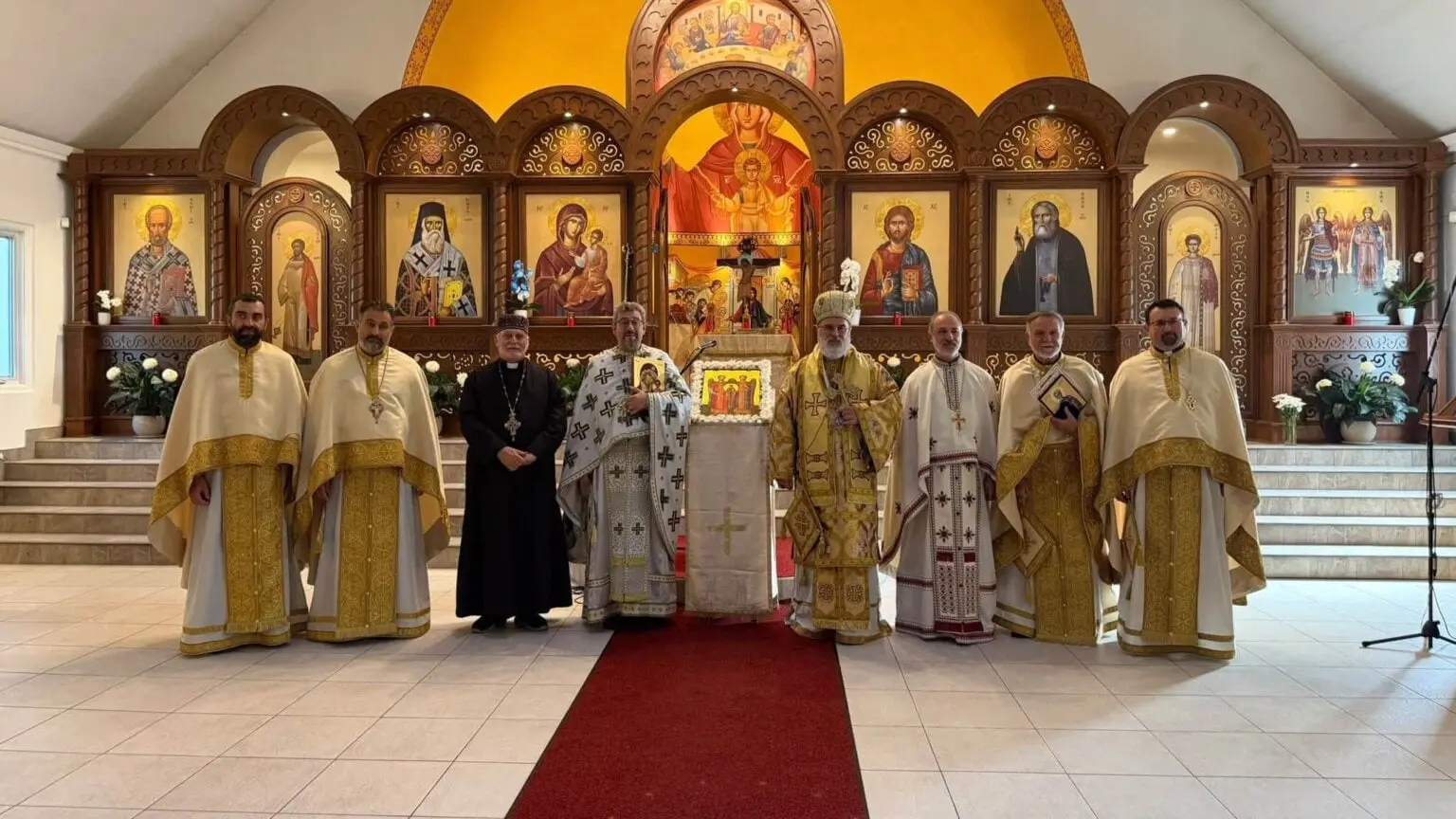
Joining His Beatitude Patriarch Daniel in the Divine Liturgy at the Patriarchal Cathedral were his Patriarchal Auxiliary Bishops Varlaam of Ploiești and Paisie of Sinaia.
The Sunday of Orthodoxy holds personal significance for His Beatitude, as it marks the anniversary of his episcopal ordination. This year, Patriarch Daniel celebrated 35 years since his ordination as a bishop.
Photo: Basilica.ro / Mircea Florescu