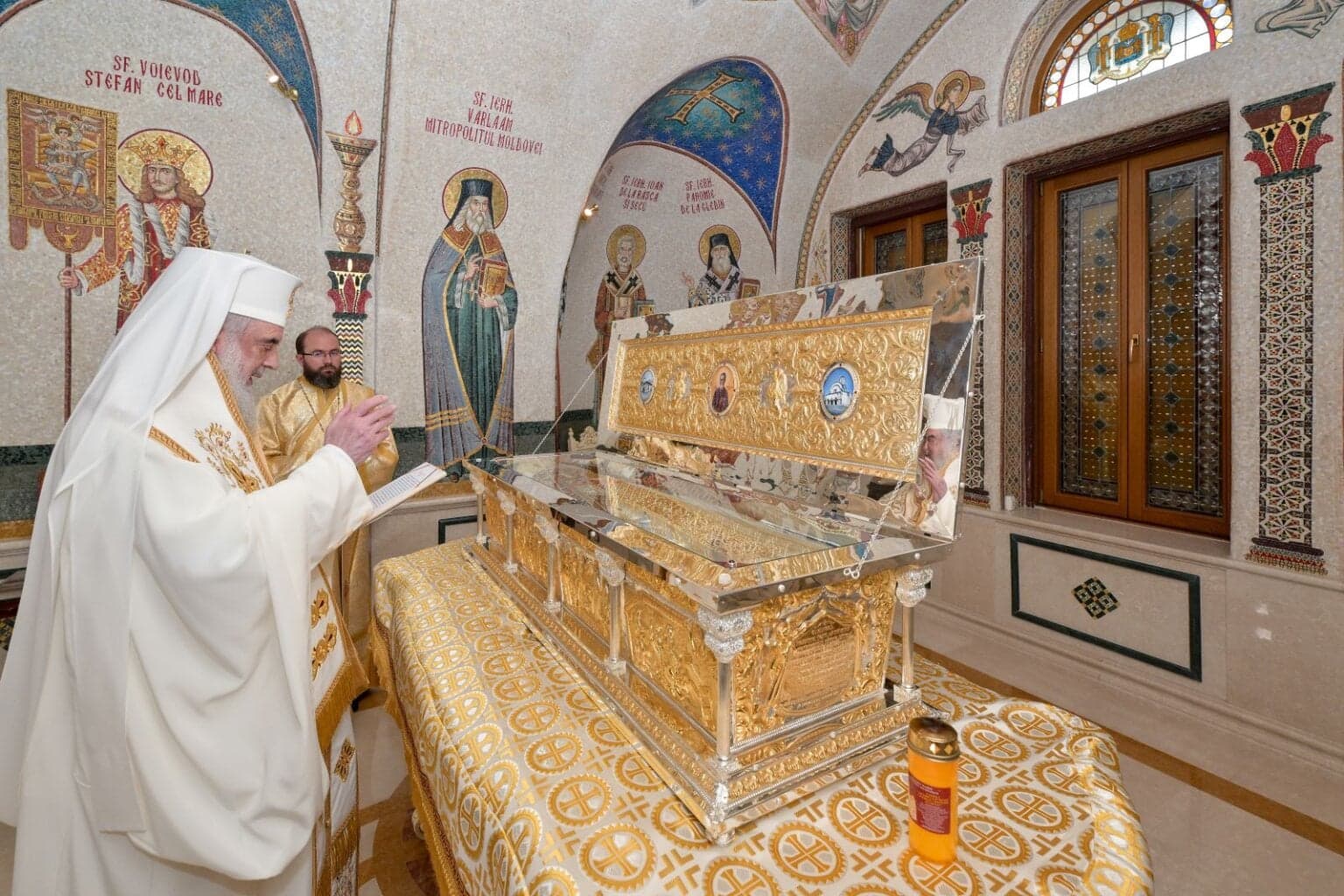
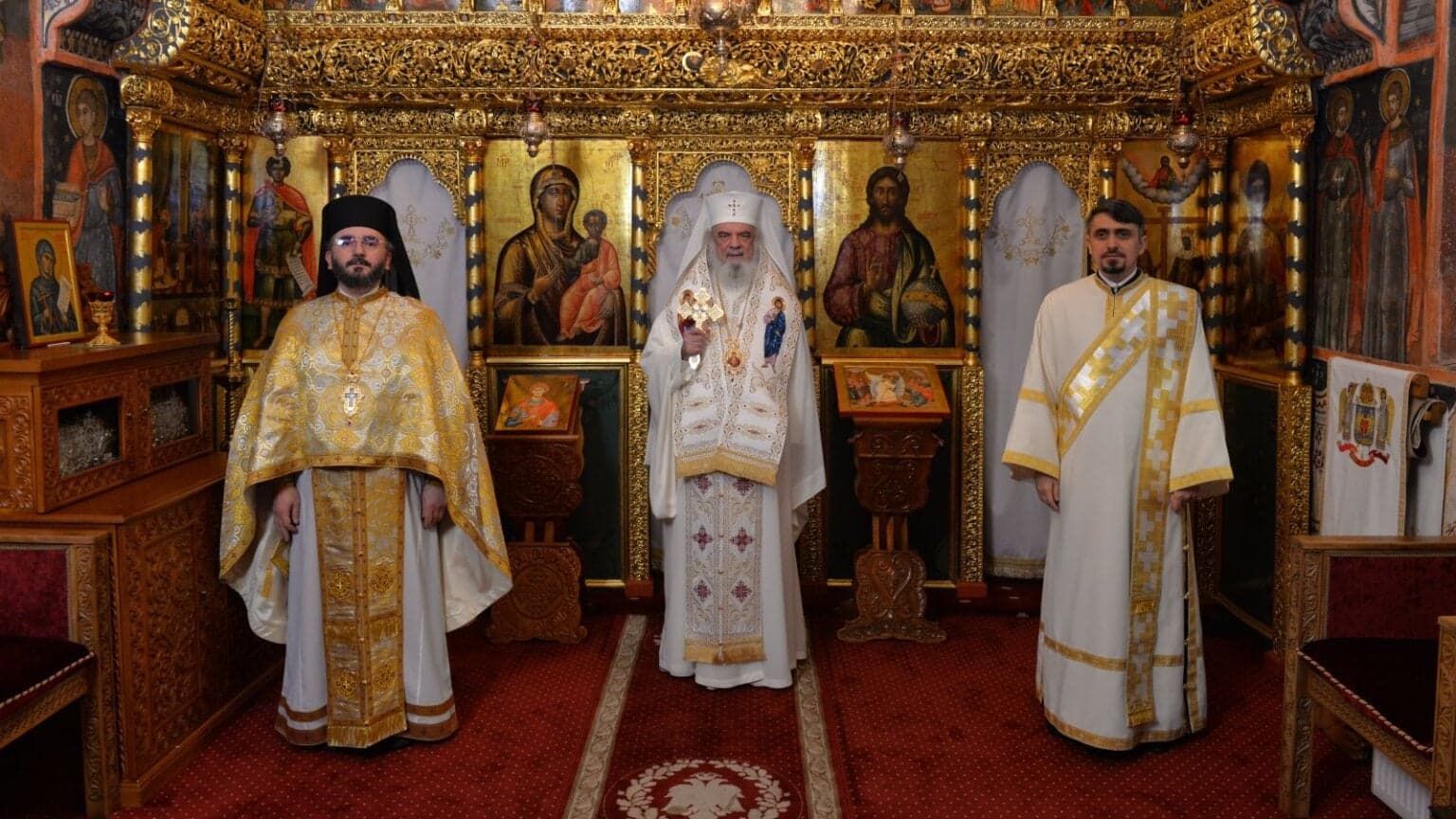
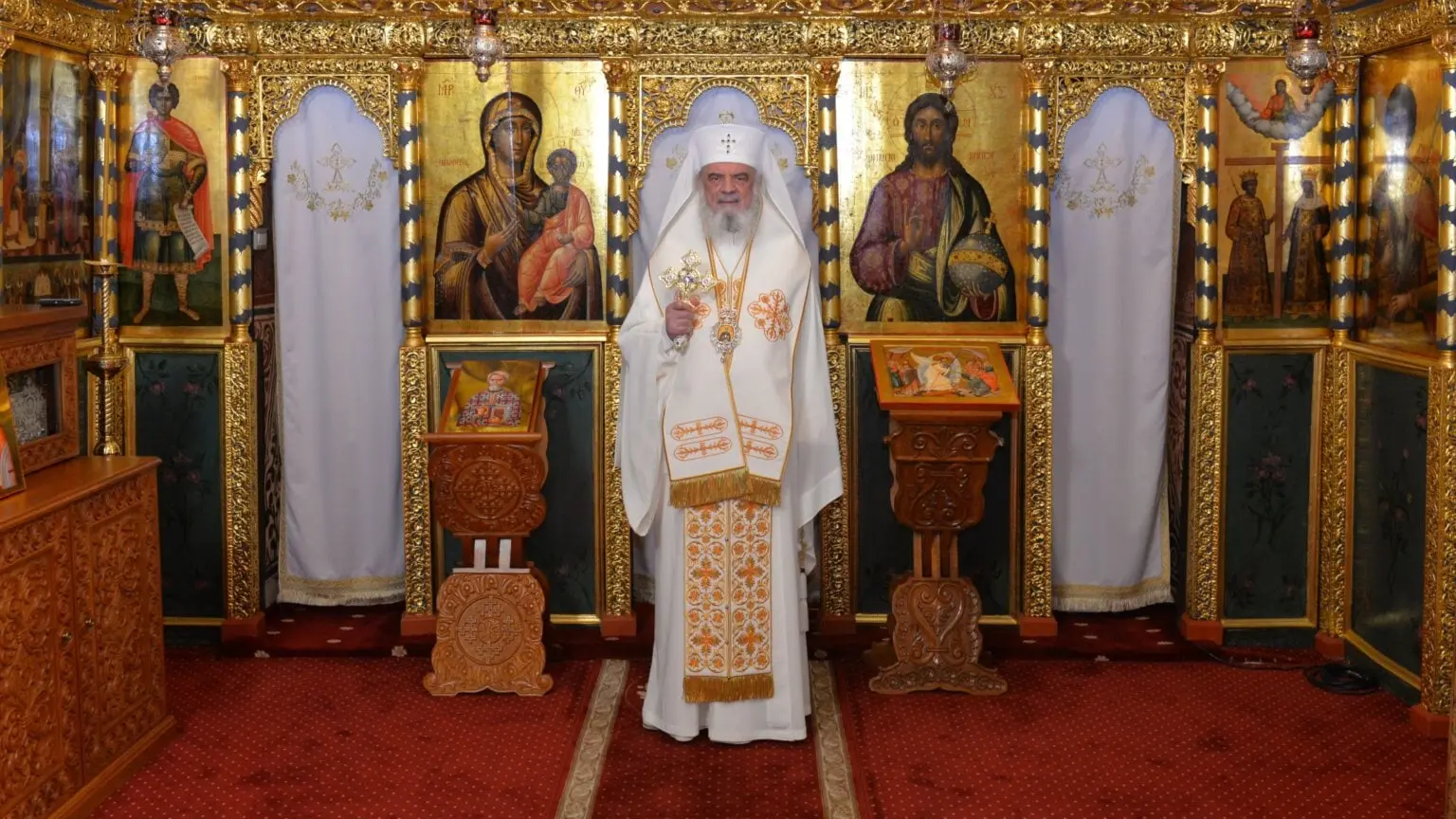
His Beatitude Patriarch Daniel said on Sunday at the historic chapel of St George at the Patriarchal Residence that gratitude is a state of humility and spiritual well-being.
The Patriarch referred to the Gospel reading on the healing of the ten lepers, noting that only one returned to give thanks.
“Immediately after he was healed, he understood that his healing was the gift of the Merciful God, who worked through the man Jesus. Indirectly, this healed and grateful leper confessed that Jesus Christ is the Giver of life and the Physician of people’s souls and bodies,” Patriarch Daniel said.
Christ asked the grateful man: “Were not ten cleansed? But where are the nine?”
“Through His question, as a reproach addressed to the ungrateful and dissatisfied, Jesus teaches us that a person who is ungrateful for a good deed received is in an unnatural, unhealthy and unworthy spiritual state. Why? Because gratitude is the most natural feeling of a person who has benefited from someone’s help,” the Patriarch said.
Constant thanksgiving
Patriarch Daniel said a person truly has a healthy soul when they are grateful to God and to others for the gifts and good deeds they receive.
“The faithful, righteous and dignified person continually gives thanks to God because he lives within God’s creation and makes use of it—meaning he uses the air, water, earth, the warmth of the sun and all created realities made by God to sustain human life,” he said.
“For this reason, every Sunday and feast day—and in monasteries, even every day of the week—the Church offers thanksgiving or gratitude to God through the service of the Holy Eucharist, or the Eucharistic Divine Liturgy,” he added.
The Patriarch stressed that the Divine Liturgy is the Church’s most holy and highest act of gratitude offered to God for all blessings received from Him, “known and unknown, fully revealed and not fully revealed”.
The “eucharistic” person
Through his gesture of thanksgiving, the Samaritan healed of leprosy becomes a teacher to those around him, the Patriarch said.
“Every person who humbly cultivates the sense of gratitude can become a good teacher to their fellow human beings when they have lost the sense of gratitude, regardless of age, social status or ethnicity,” he said.
“From a spiritual point of view, superior to us is the one who is more humble than we are, more righteous, more dignified—the one who thanks God and people more than we do. The thankful, grateful person is the eucharistic person, the person who shows gratitude,” Patriarch Daniel added.

We need to thank God
The Patriarch said gratitude for the gifts received helps believers grow spiritually in communion with God and with others.
“It is not God who needs our thanksgiving; rather, we need to thank God and other people in order to have a healthy and upright soul, and to grow in communion of humble love and gratitude towards God and towards our neighbours,” he said.
“If we do not thank God and other people, we interrupt or weaken our communication and communion with God and with our neighbours. If we do not thank our benefactors, we limit ourselves and become spiritually poorer—meaning we isolate ourselves in a passionate self-love,” Patriarch Daniel warned.
At the end of his sermon, he urged gratitude towards all those who contributed to people’s physical and spiritual formation: “Let us thank all those who, through word and deed, pass on to us God’s blessing and love.”
Photo: Lumina Newspaper