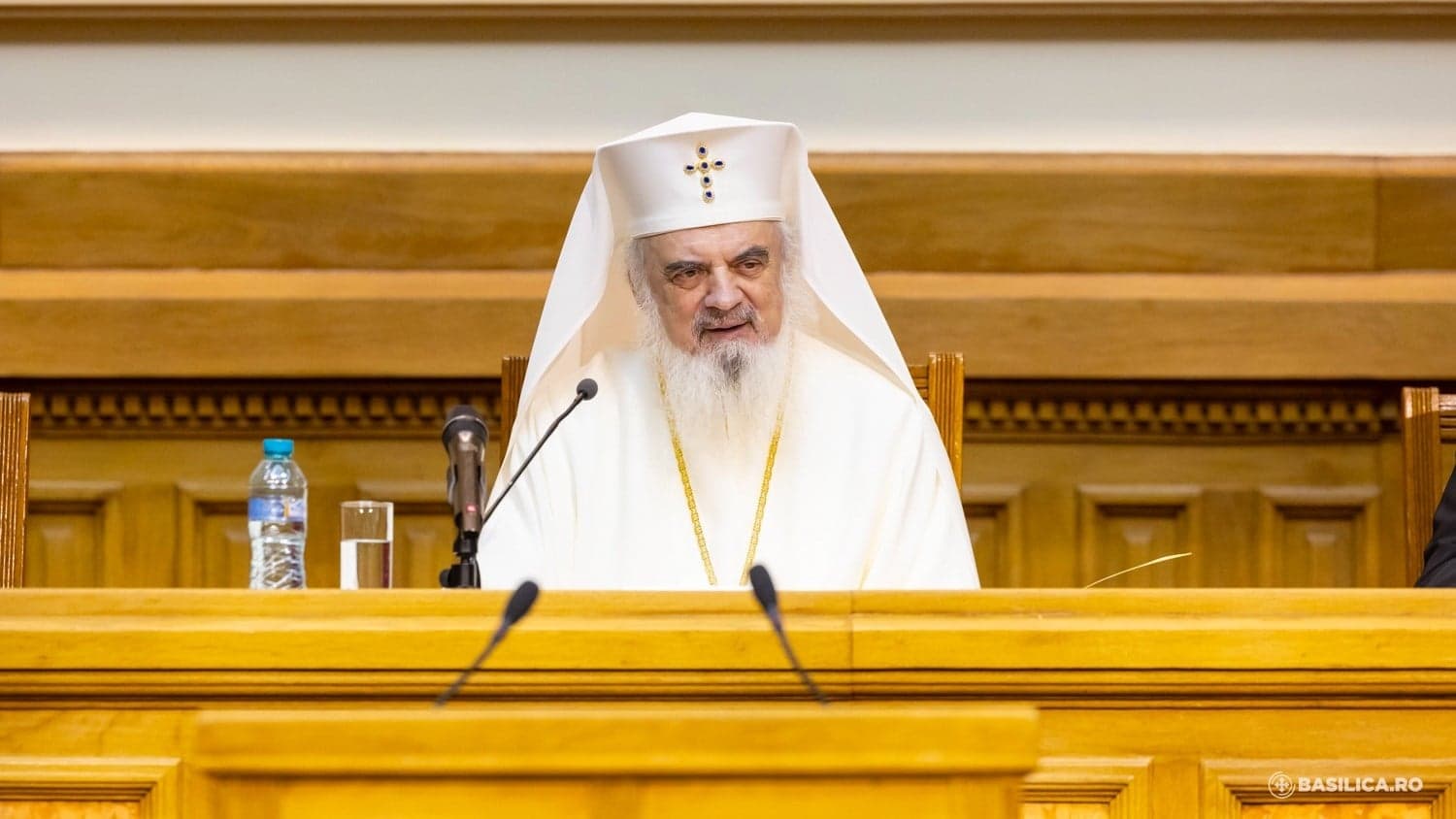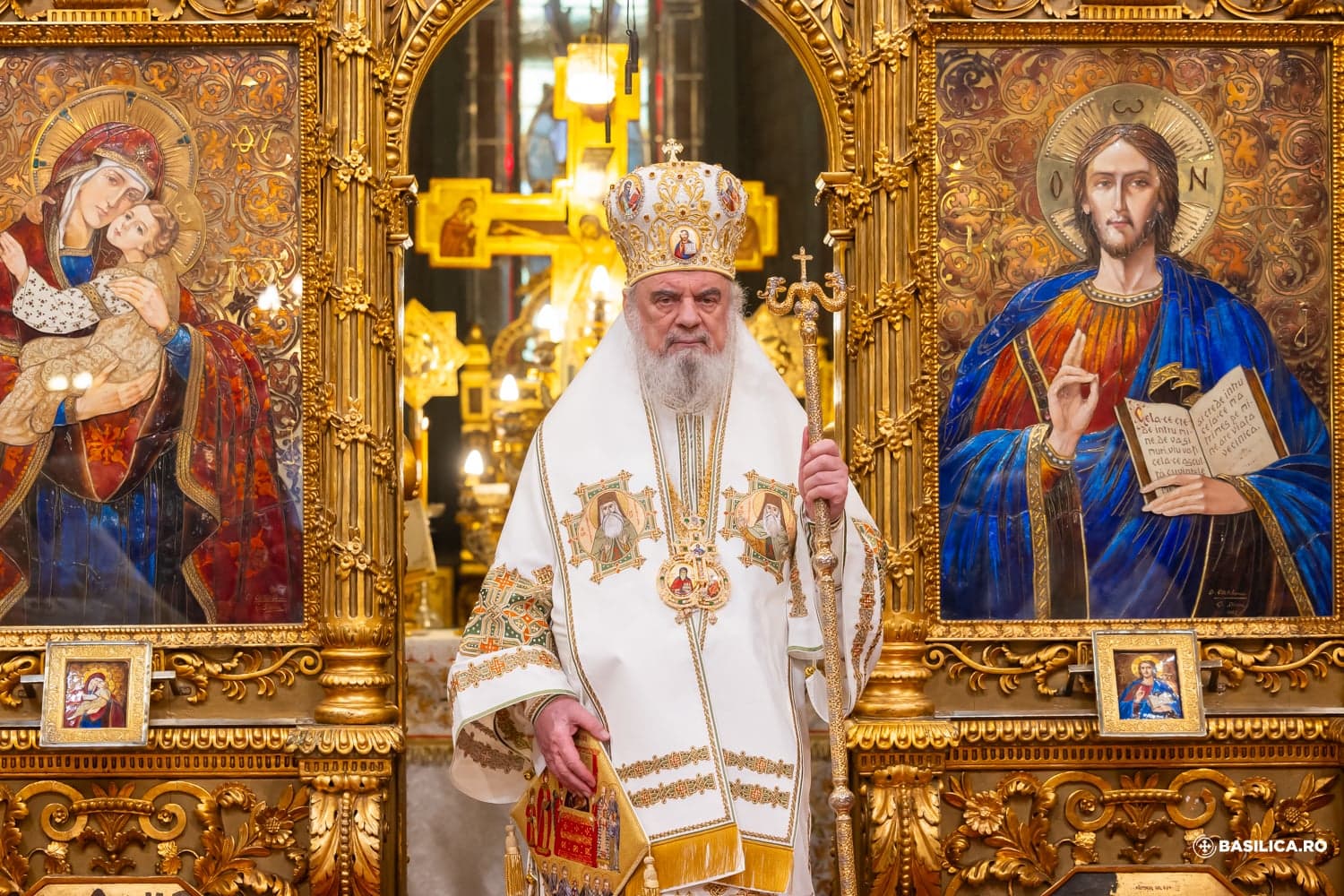
Patriarch Daniel said on Sunday that when a sinner turns back to God and takes the first steps of repentance, God Himself runs out to meet that person — and that the outstretched hands of God the Father are made visible in the saving and sanctifying work of Christ’s Church.
“When a sinner returns to God and makes the first steps of repentance, God, running, goes out to meet him. The hands of God the Father, which He stretches out to embrace the repentant person, are the holy works of the Church of Christ, namely the reception of repentance and the granting of forgiveness of sins,” the Patriarch said.
He stressed that the Gospel of the Sunday of the Prodigal Son is closely linked to the very mystery of repentance, confession and the forgiveness of sins — the Sacrament of Confession — which is, in fact, the sacrament of the reconciliation of the human person with God.
The father in the parable represents the fatherly love of God, the Father of our Lord Jesus Christ and our Heavenly Father, while the two sons represent two different attitudes of people toward God, the Patriarch explained.
“The elder son represents the faithful person who, throughout life, seeks to fulfil the words and commandments of God and remains close to the house of God, the Church. The younger son represents the confused freedom of the passionate person, expressed in a sinful way of life,” he added.
Because the merciful father forgives the prodigal and sinful son who repents, and asks the obedient and hardworking son to be merciful and forgiving, today’s Gospel is at the same time a Gospel of forgiveness for the repentant sinner and of correction and softening for the pious but unforgiving person, Patriarch Daniel said.
God respects human freedom but offers trials as spiritual therapy
When the younger son wished to experience freedom by separating from his father and the parental home, the father accepted this, showing that God, in His great merciful love, respects human freedom and the right of every person to choose their own path in life.
God respects this freedom even when He knows that it can be used against His will and to one’s own spiritual decline. At the same time, the Gospel reveals the drama and failure of freedom when it leads to estrangement from God.
When human freedom becomes self-destructive, God’s wisdom calls the person back to repentance and change. The famine in the distant land, the Patriarch said, can be understood as God’s pedagogy meant to recover the prodigal son.
“The great famine in the distant land often represents the trials permitted by God, not as punishment, but as prevention and spiritual therapy, so that a person may understand that everything material he possesses is limited and passing, including earthly life itself. In this sense, human freedom becomes a freedom lived in relation to God’s freedom.”
Sin alters human nature
Another teaching of the parable, Patriarch Daniel explained, is that man’s estrangement from God and the wasting of life in selfish passions are not natural states, but unnatural ones.
“From a spiritual perspective, sin and death are not natural according to God’s will. They belong to a fallen condition and are the consequences of a false freedom — a freedom lived as separation from God and a fall from communion with Him.”
Thus, the return to oneself — brought about by the harsh circumstances in the land of famine — became the decisive chance for the salvation of the young man who had lost his true way of life.
“Through sin, a person loses what is natural and proper to him. He deviates from what is normal. But when he repents and returns to God, he returns to what is truly natural.”
The ring of God’s unending love
Patriarch Daniel also explained the gifts offered to the returning son in the parable. The first robe symbolises the illumination and cleansing of the soul; the golden ring symbolises adoption by grace for the person estranged from God through sin; the new sandals symbolise God’s help in walking over the thorns of temptation; and the slaughtered calf represents the Sacrament of the Holy Eucharist.
“The golden ring is the sign of the repentant person’s full restoration into the complete, uninterrupted, undiminished and unchanging love of God — a love made present in the healing and sanctifying work of the Church of Christ,” he said.
“The Gospel of the Prodigal Son reveals the boundless and unconditional fatherly love of God toward the sinner who repents.”
The father in the parable, the Patriarch added, addresses no reproach to the son who returns home and does not ask him for an account of the wasted inheritance, because the human soul, saved and gained for eternity, is more precious than any material possession.
“The merciful love of God, which rises above any material calculation, surpasses the logic according to which the prodigal son should have been punished.”
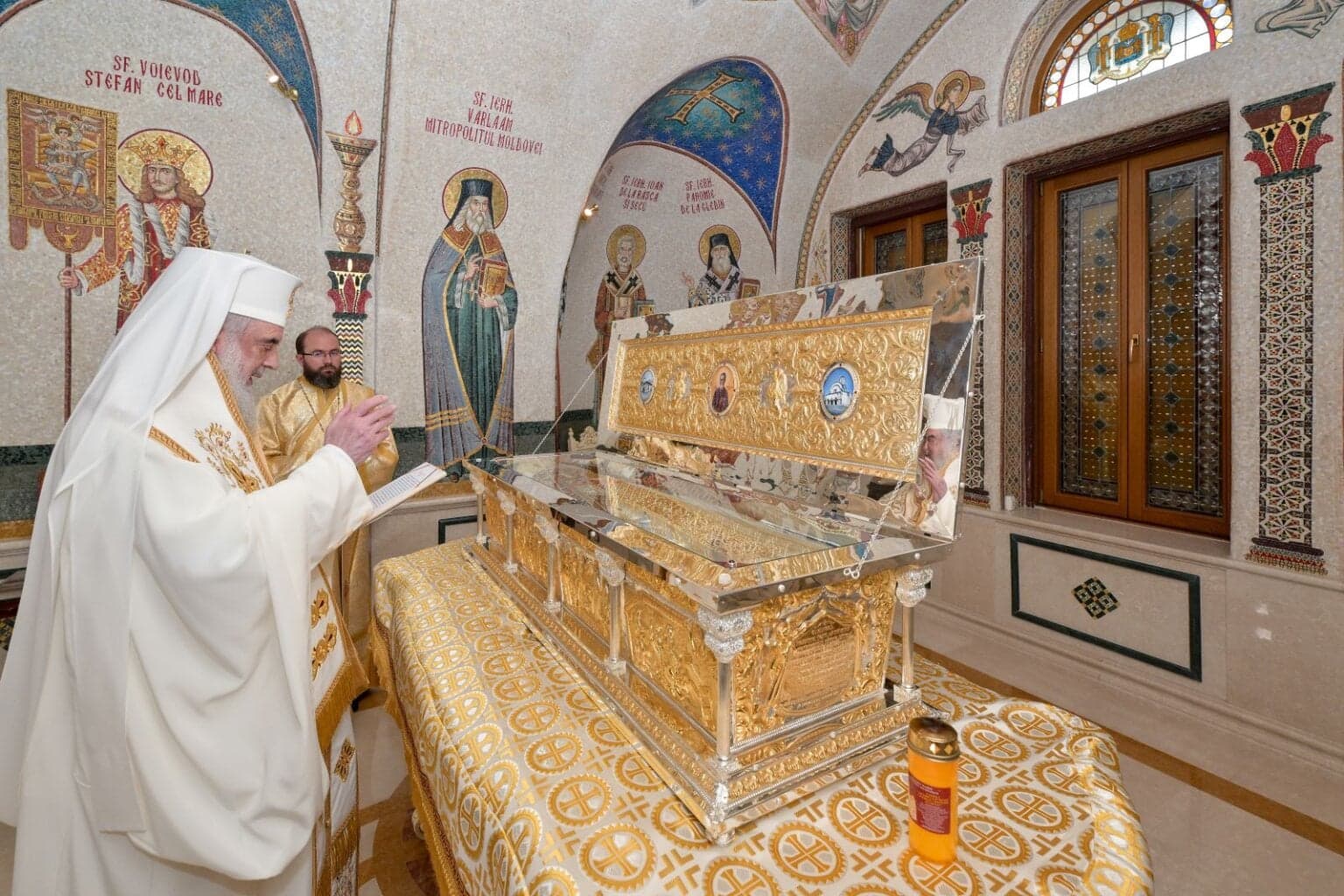
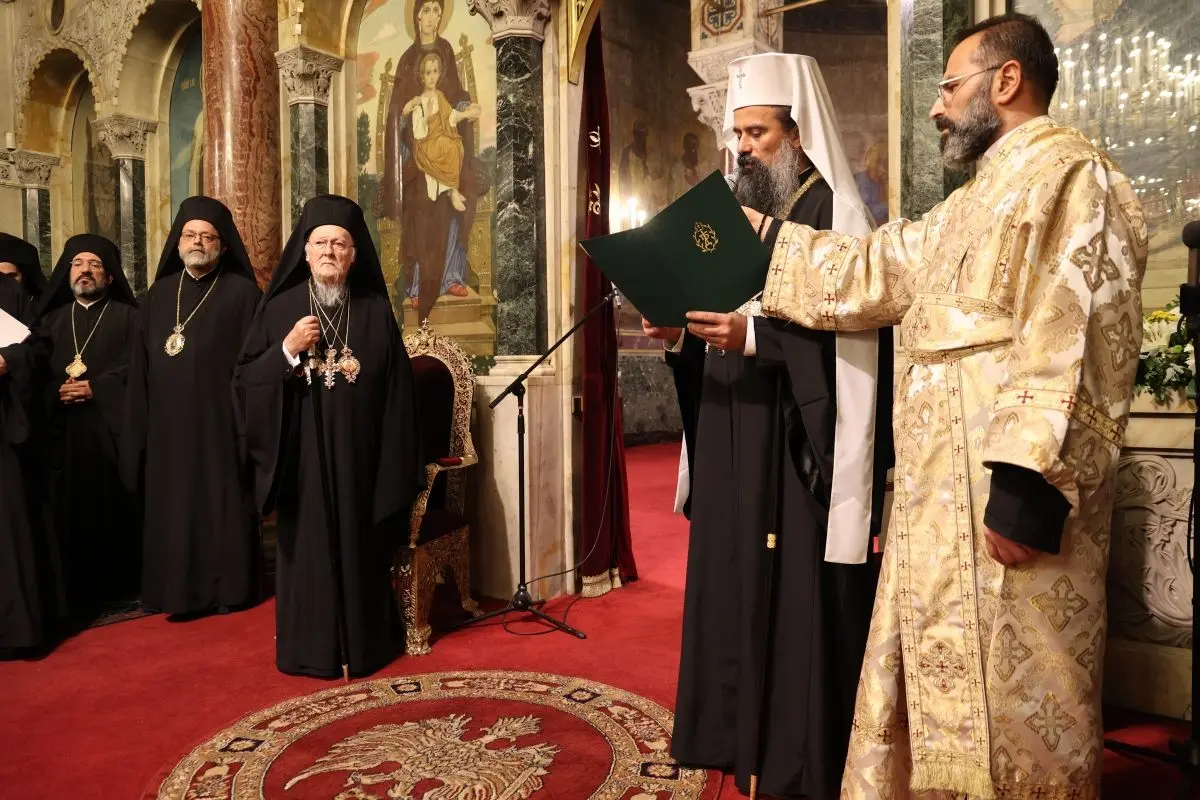
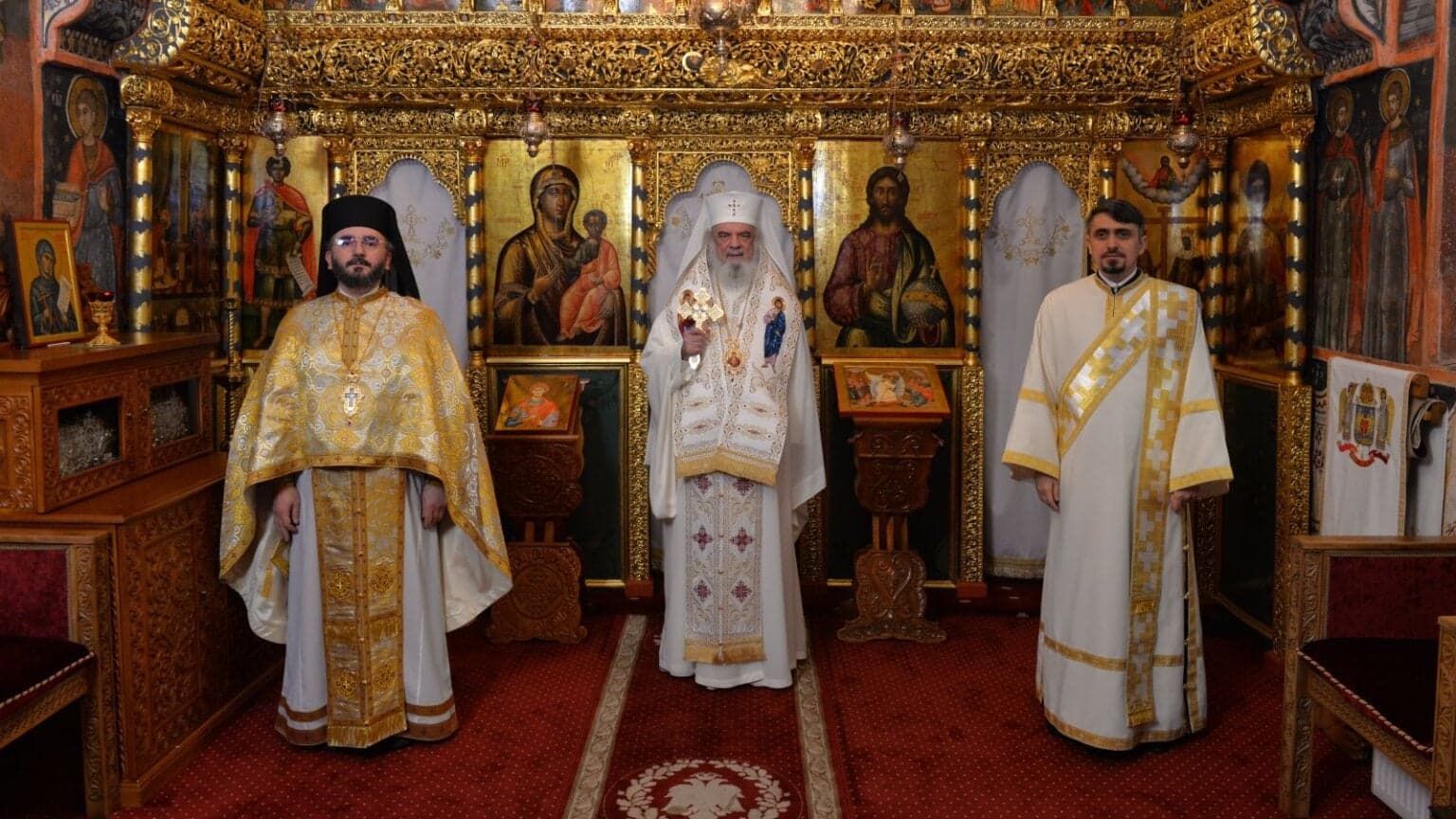
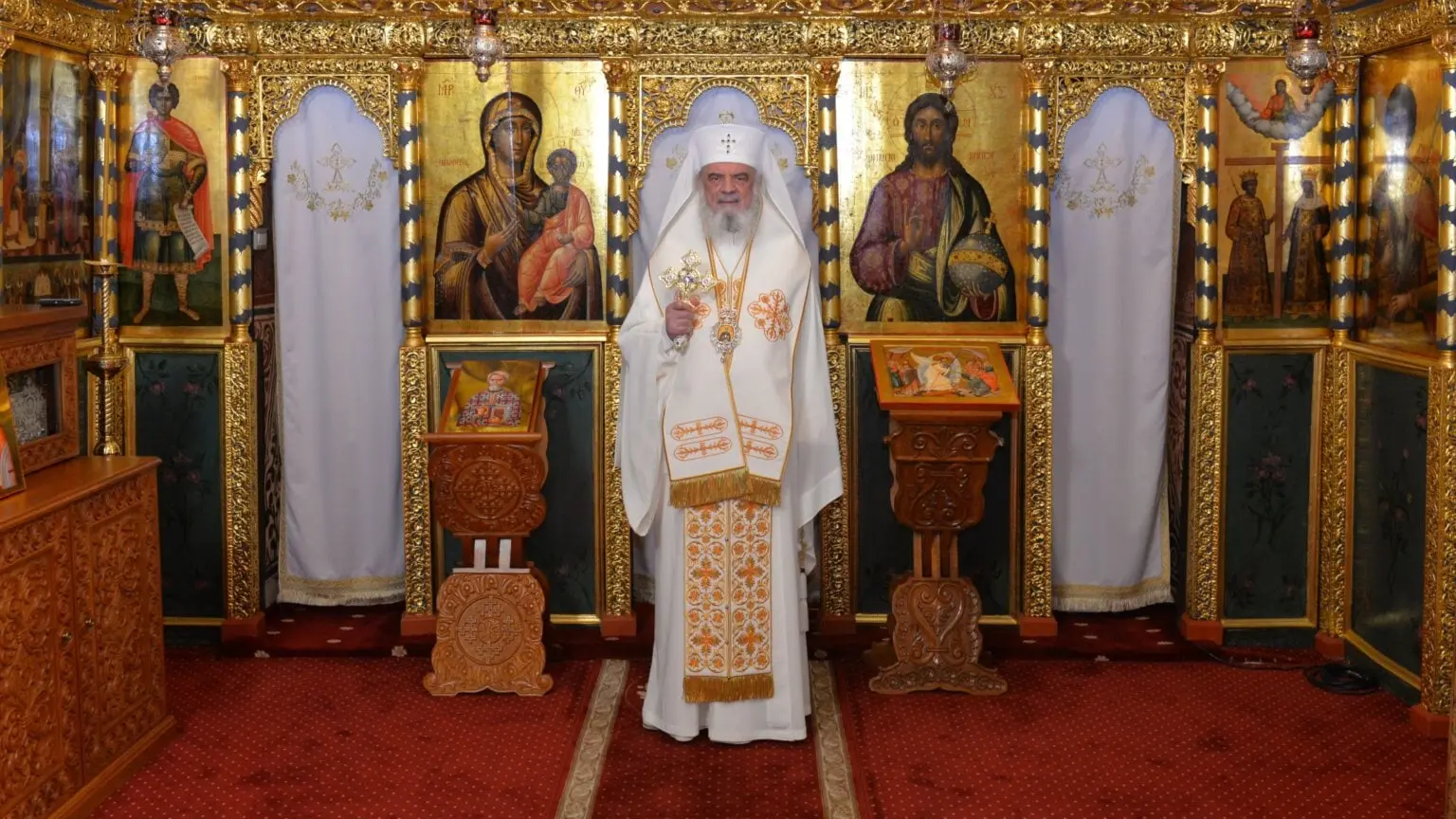
Patriarch Daniel spoke during the Divine Liturgy celebrated on Sunday at the historic Chapel of Saint George at the Patriarchal Residence in Bucharest.

Photo: Arhiva Basilica.ro / Mircea Florescu