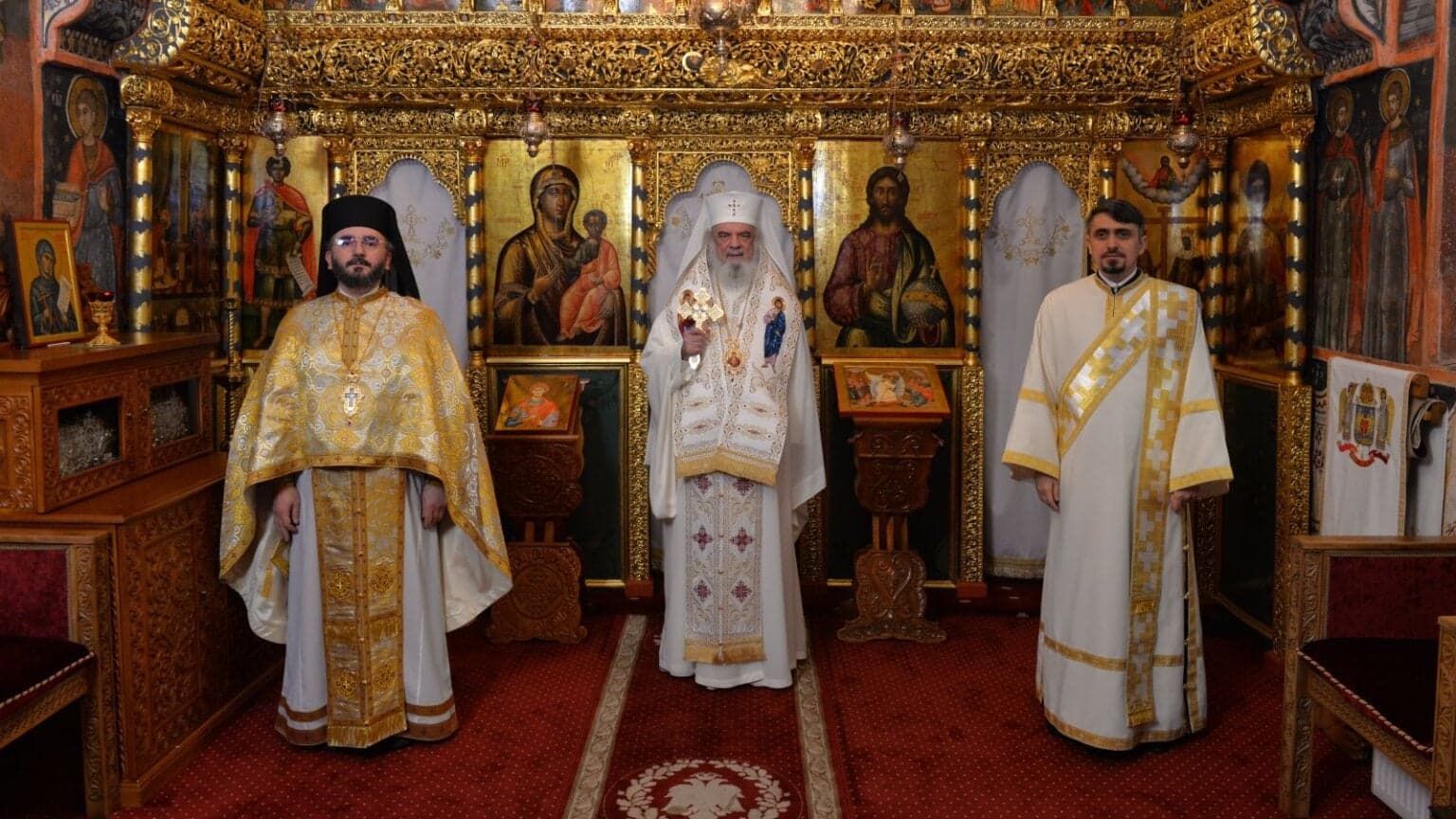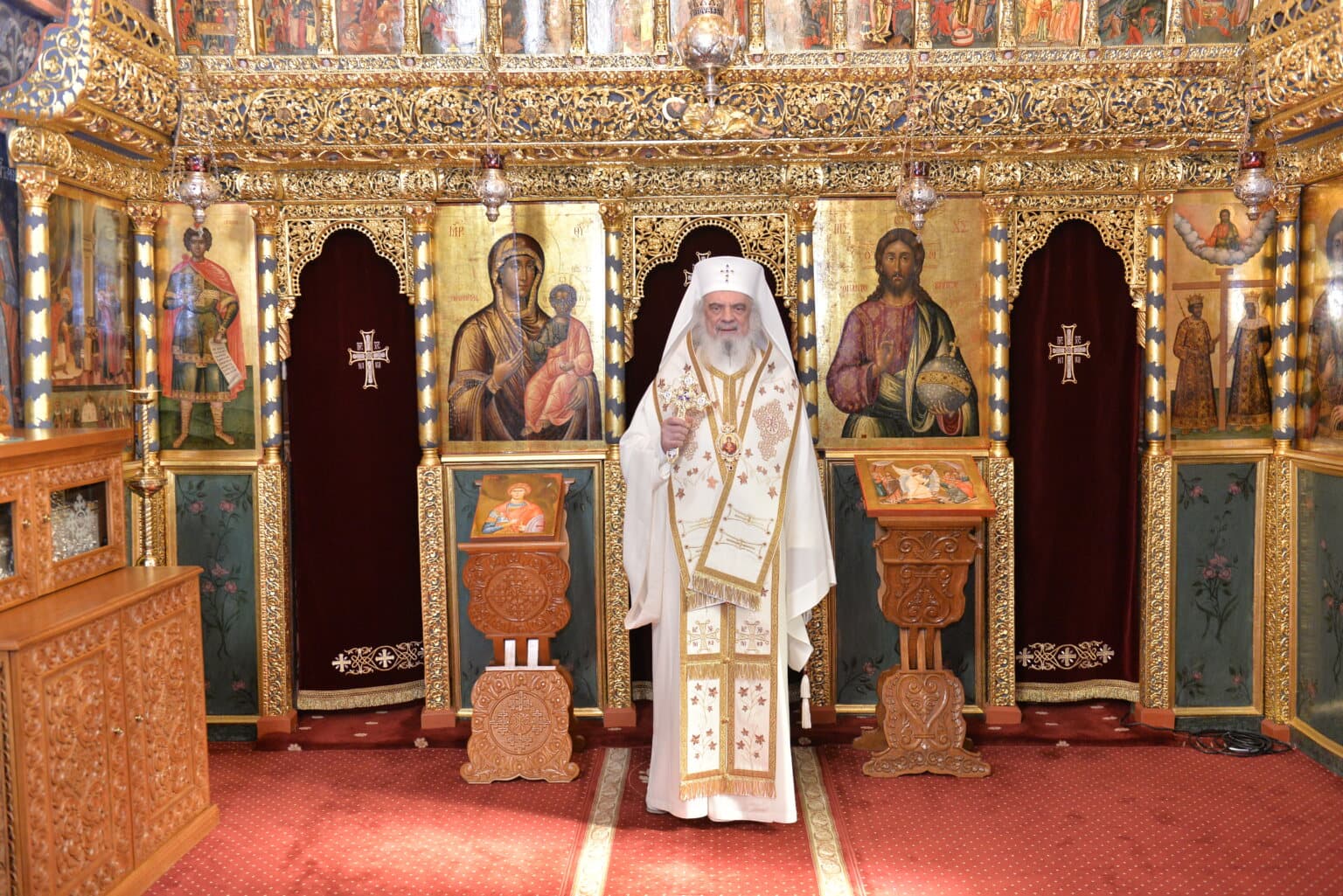
Romanian Patriarch Daniel said on Sunday that fasting should not be practised “to be seen or praised by others,” but in order “to love God more.”
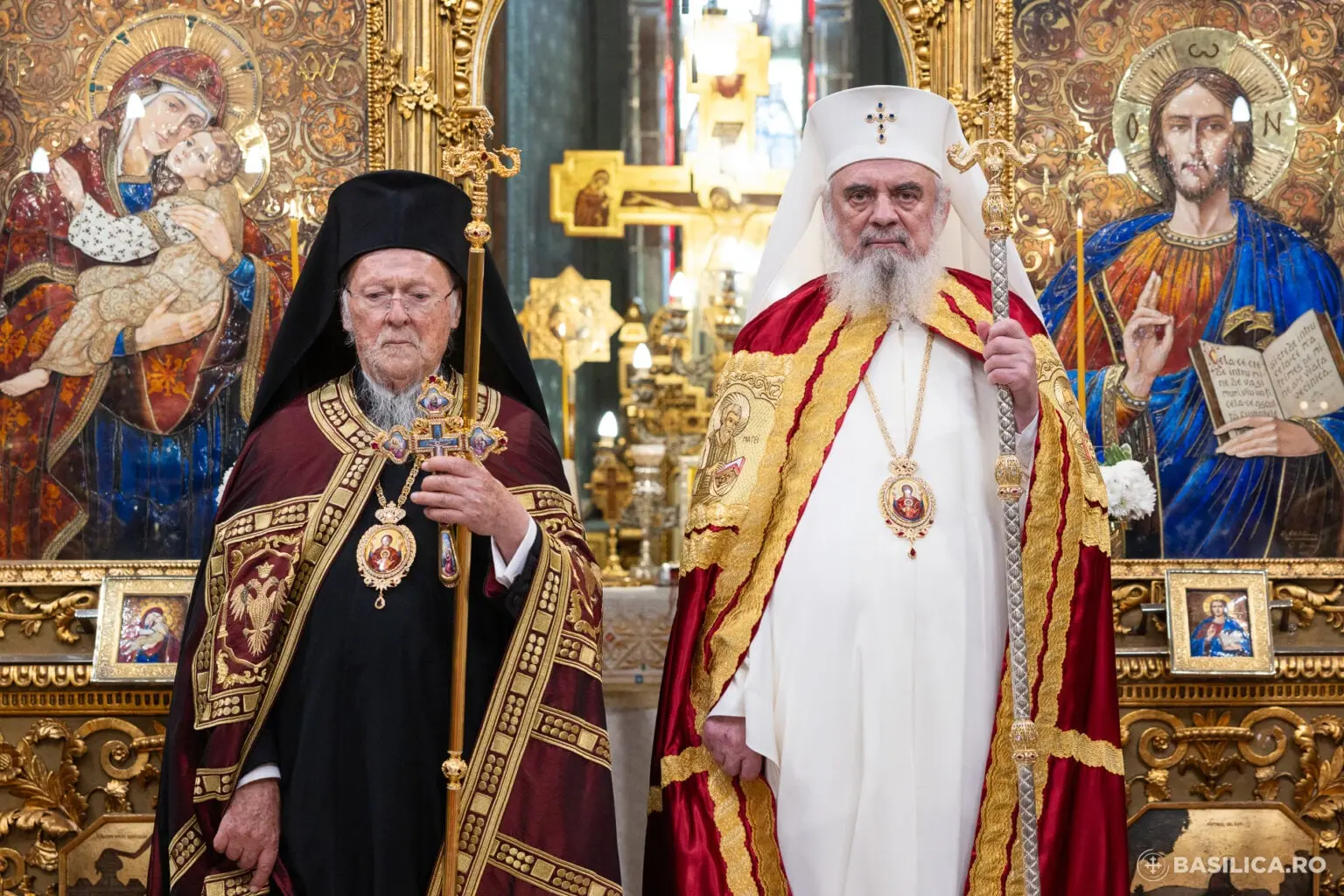
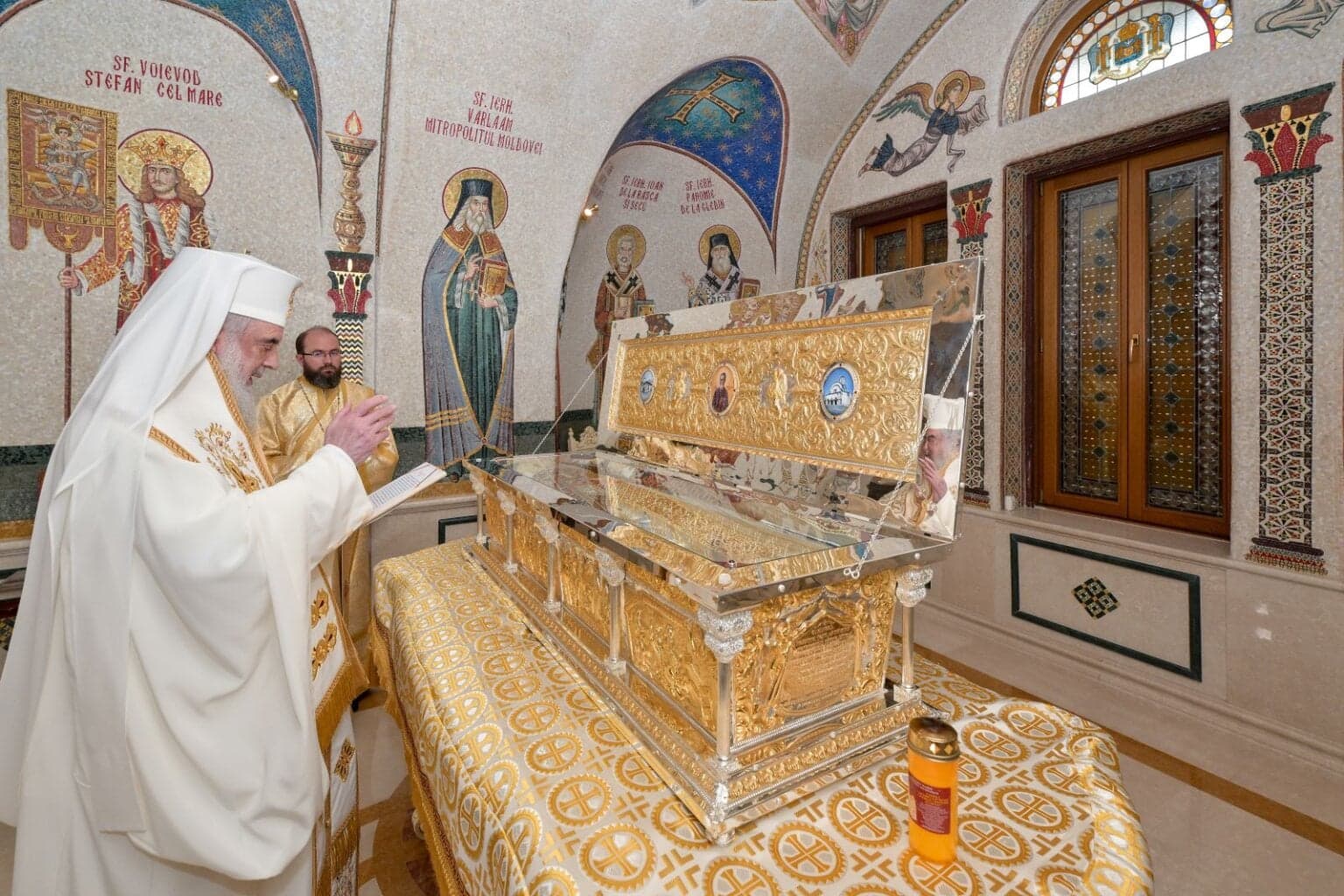
The Patriarch of Romania took part in the Divine Liturgy celebrated at the historic chapel of St George at the Patriarchal Residence, where he explained the Gospel reading for the Sunday of the Expulsion of Adam from Paradise, highlighting the true motivation for fasting.
“Fasting is self-offering, a gift of oneself brought to God in gratitude for the gift of life and as a desire for the sanctification of life. The reduction of food and drink — or abstinence from them — is motivated by reverence and love for God. We fast because we love God the Giver more than His gifts that we consume. We entrust ourselves to Him because He is the source of our life,” the Patriarch said.
What Is True Fasting?
Patriarch Daniel stressed that fasting must be accompanied by prayer.
“Fasting supports the prayer of the faithful, who regard their relationship with God as the centre, light and nourishment of the soul. Whoever fasts but does not pray gathers no spiritual light in the soul. He is not sanctified. He merely performs a biological and psychological exercise motivated by hygiene or aesthetics,” he said.
True fasting, he added, is a personal work carried out together with God and, when practised properly, produces a transformation in the person’s life.
“Fasting must be united with humility and joy, so that it becomes an interior, intimate work of communion between the soul and God, who sees in secret the soul and deeds of the faithful person who sacrifices, prays and fasts.”
He described fasting as a passage “from greed or possessive attachment to material things to the love of virtues and spiritual gifts,” cultivating more intense prayer and loving communion with the immaterial, infinite and eternal God.

A Hidden Participation in Christ’s Forty-Day Fast
The Patriarch of Romania explained that through fasting, prayer, vigilance and spiritual struggle, believers gather in their souls “divine grace, the humble and sanctifying love of the eternal God.”
“In this way, the spiritual person who prays and fasts, enlightened by Christ’s grace, acquires humble and spiritual thinking and vision, uses spiritual words and performs spiritual deeds, thereby becoming like the holy, humble and merciful God,” he said.
Practically, fasting includes “prayer, the reading of holy books, spiritual conversations, confession and more frequent Eucharistic Communion.”
At the same time, Orthodox fasting represents “a hidden participation in the forty-day fast undertaken by the Lord Christ in the wilderness, teaching us that no one can overcome evil spirits and dark, selfish passions without first receiving the light of divine grace through fasting and prayer, confession and more frequent Eucharistic Communion.”
Obedience to the New Adam
Patriarch Daniel also outlined the three “great mistakes” that led to Adam’s expulsion from Paradise: disobedience to God, failure to fast, and refusal to repent, instead shifting blame.
“From then until today, sinful humanity tends to excuse itself and accuse others. For this reason, salvation is impossible without repentance — without acknowledging one’s sins with regret and asking forgiveness,” he said.
In conclusion, Patriarch Daniel affirmed that “the obedience of Christ, the New Adam, heals the disobedience of the Old Adam.”
Photo: Lumina Newspaper