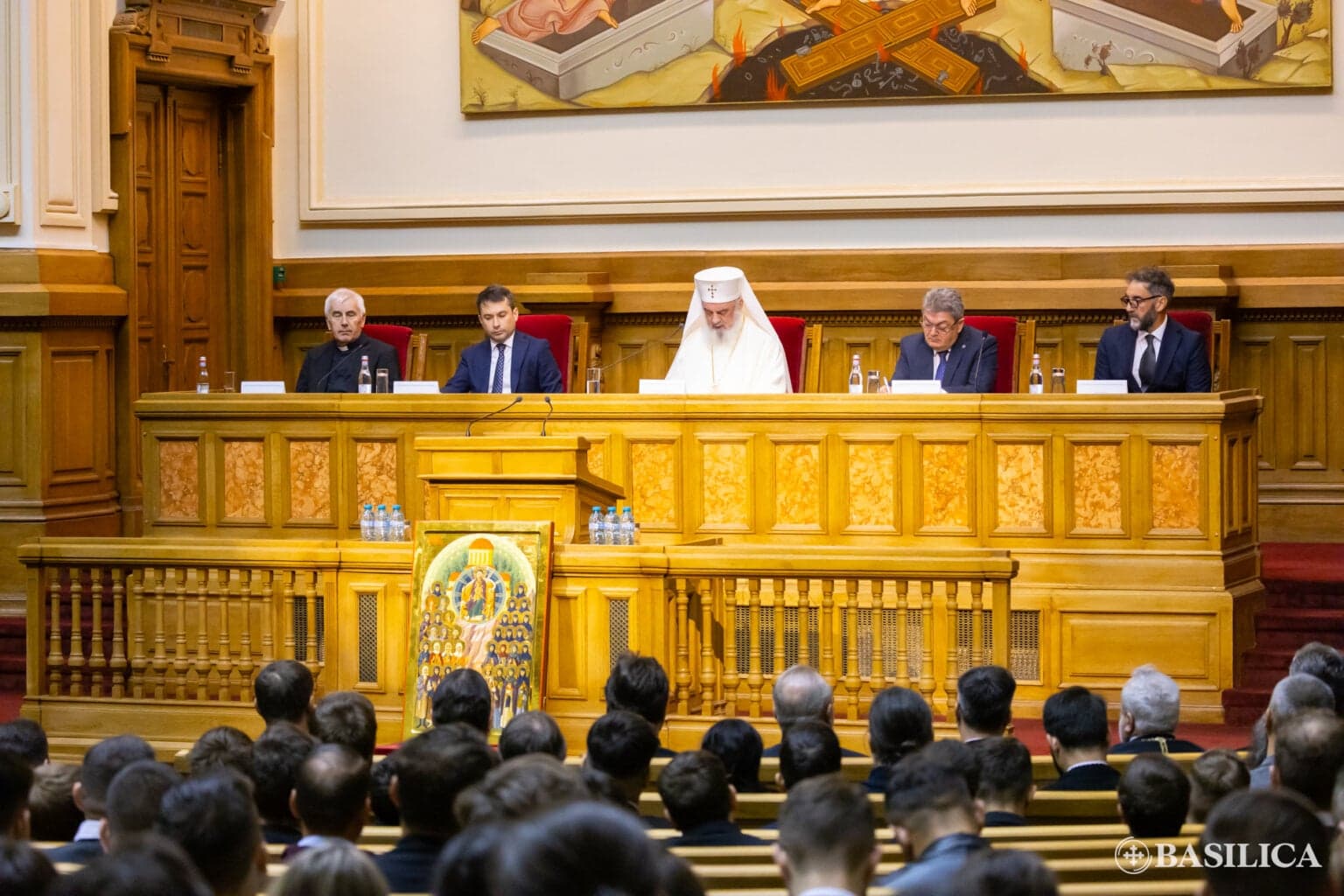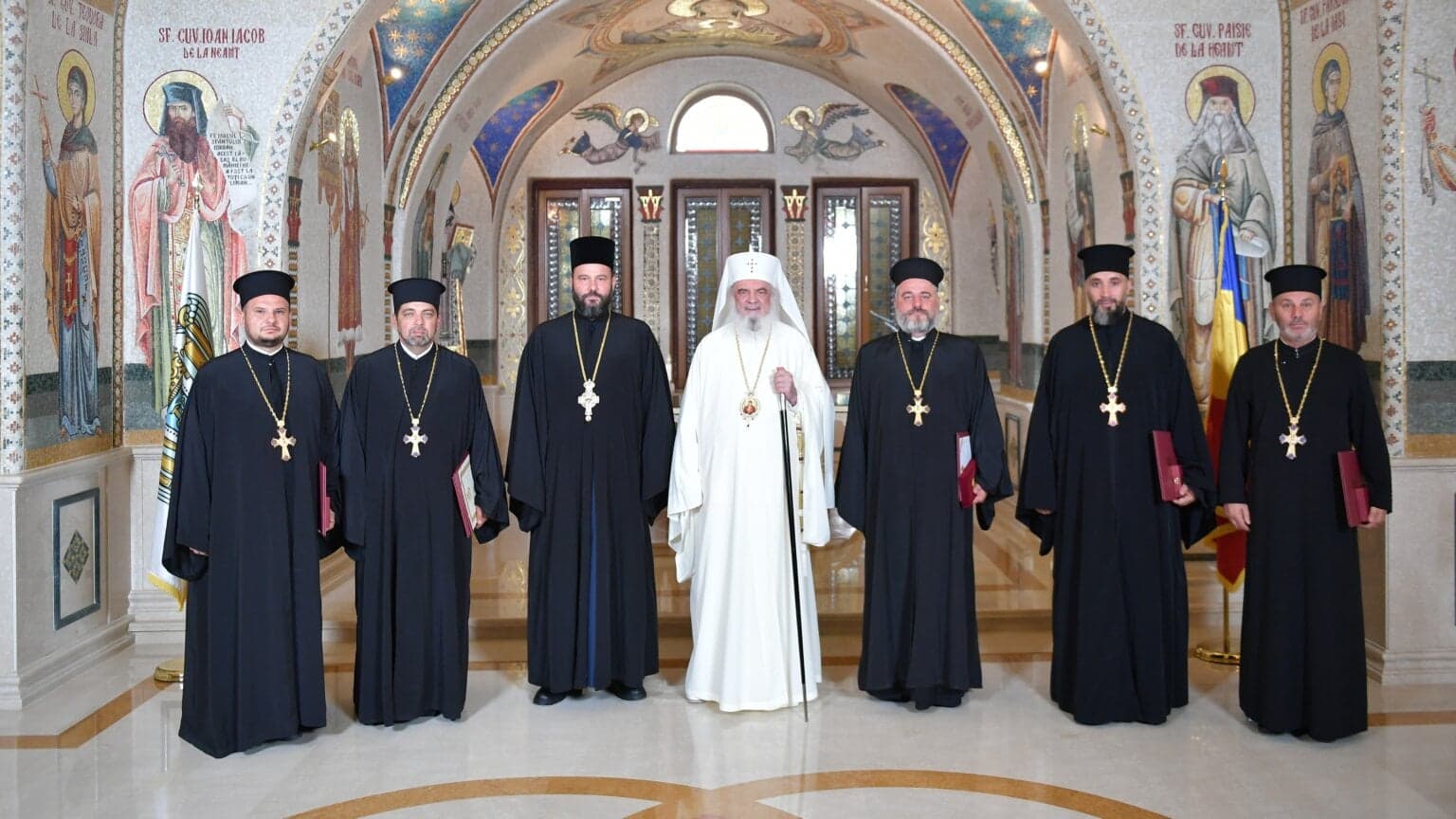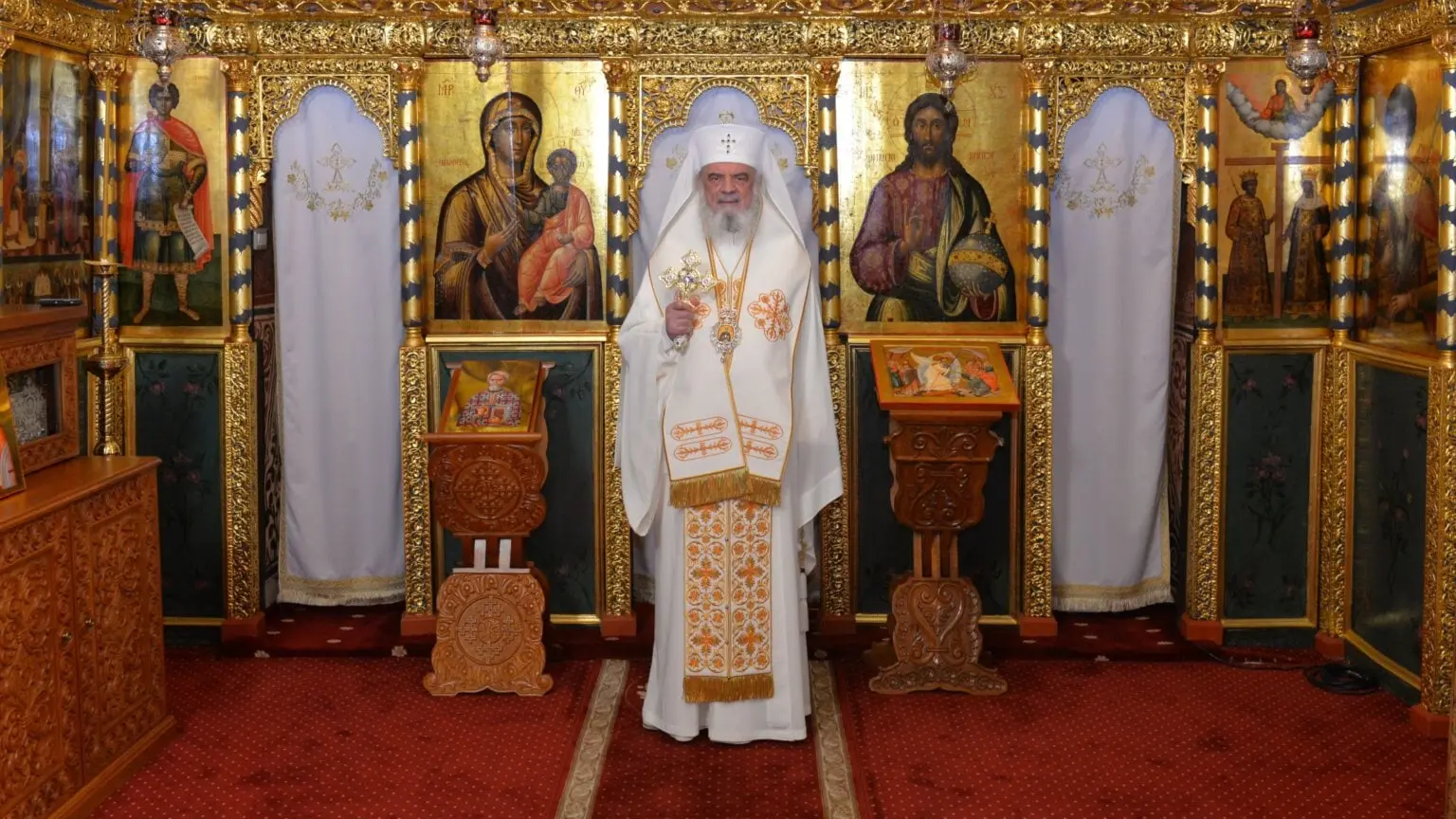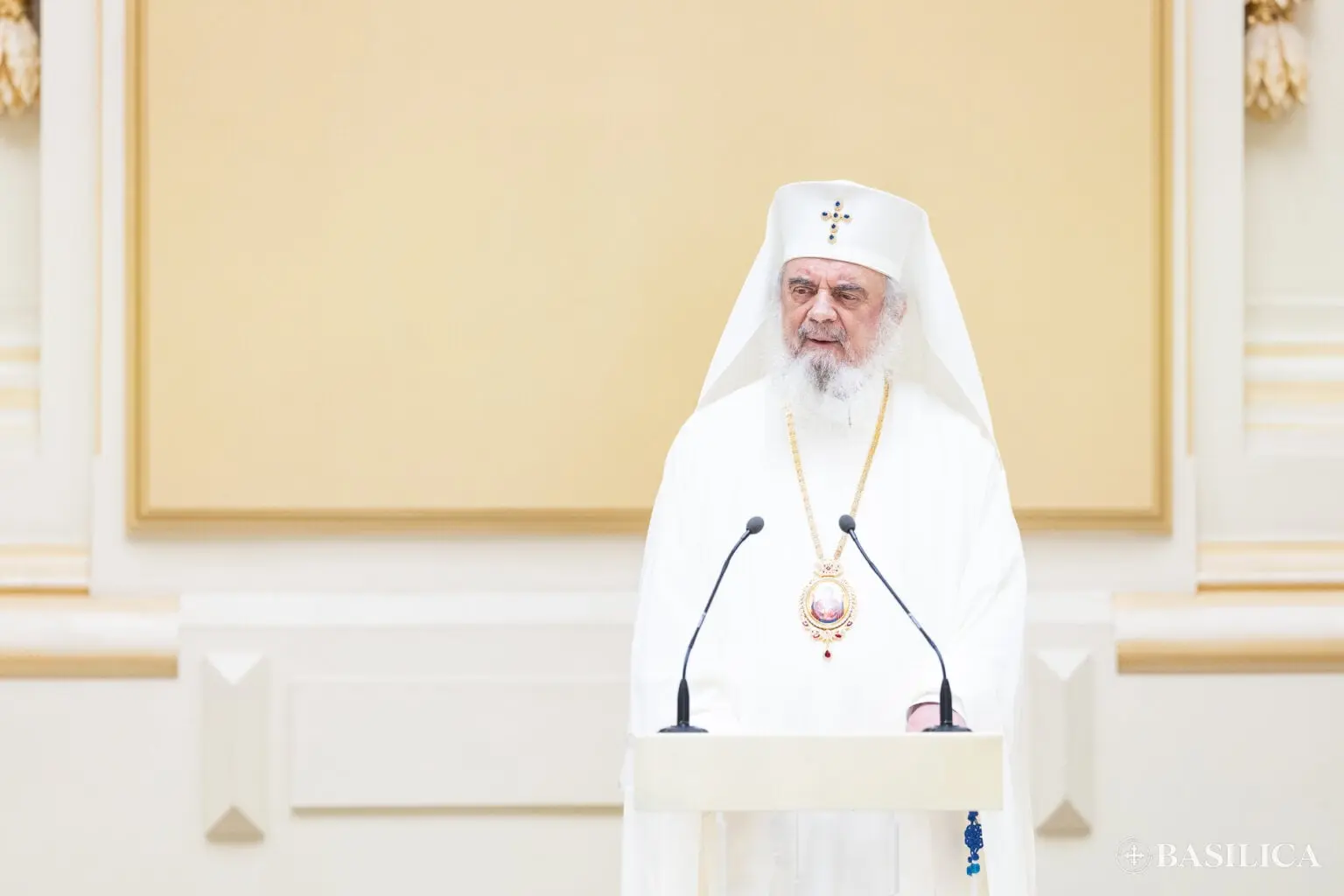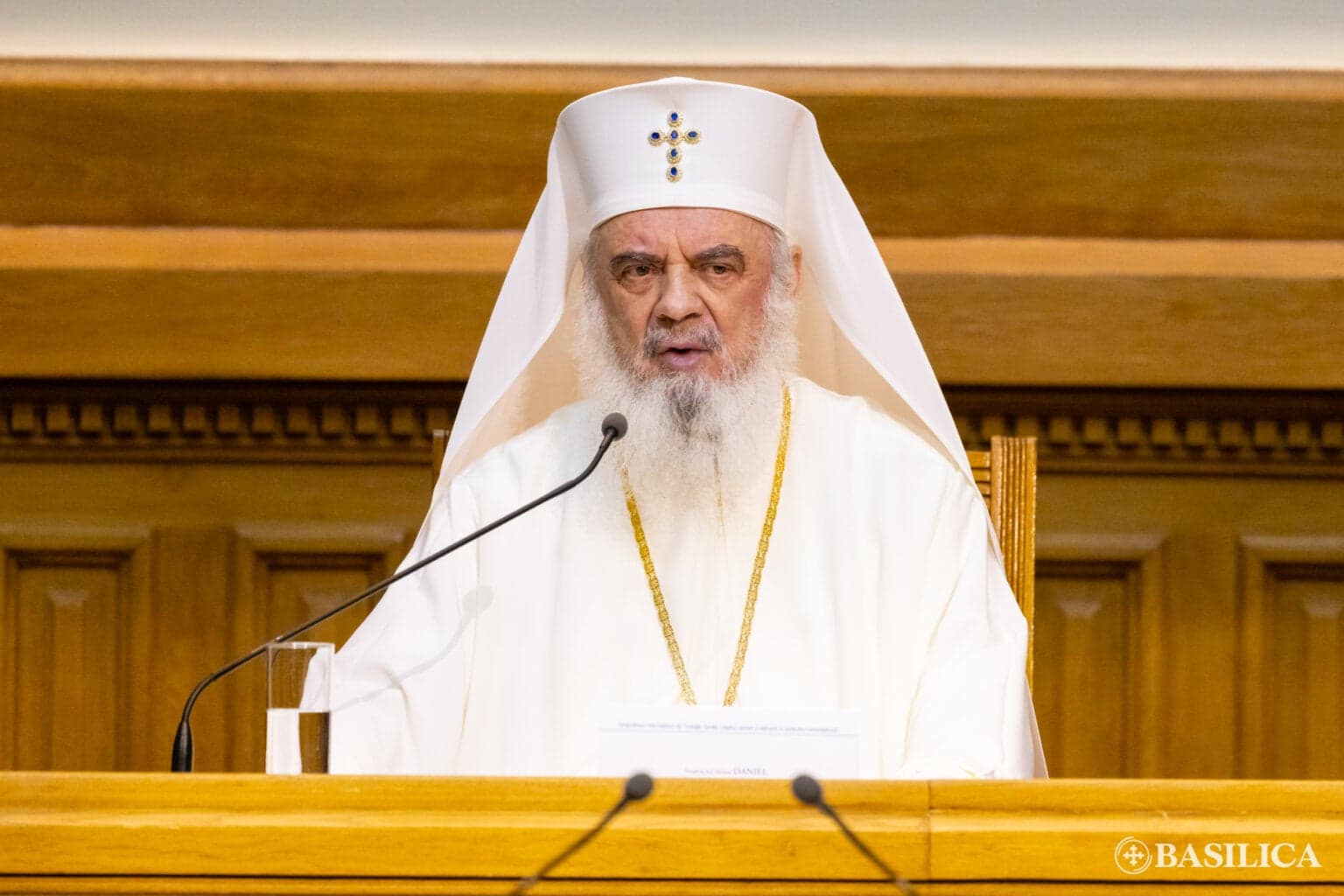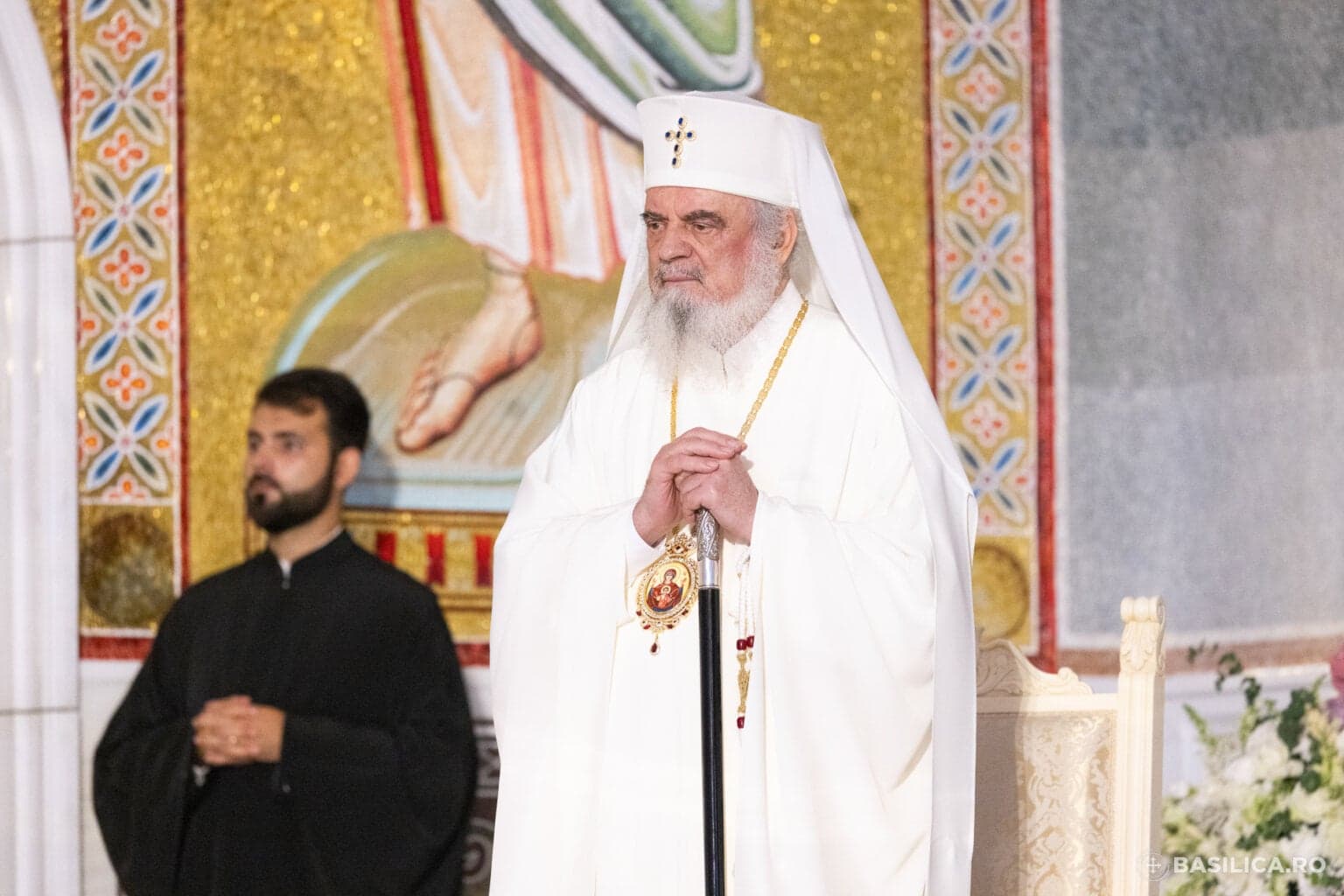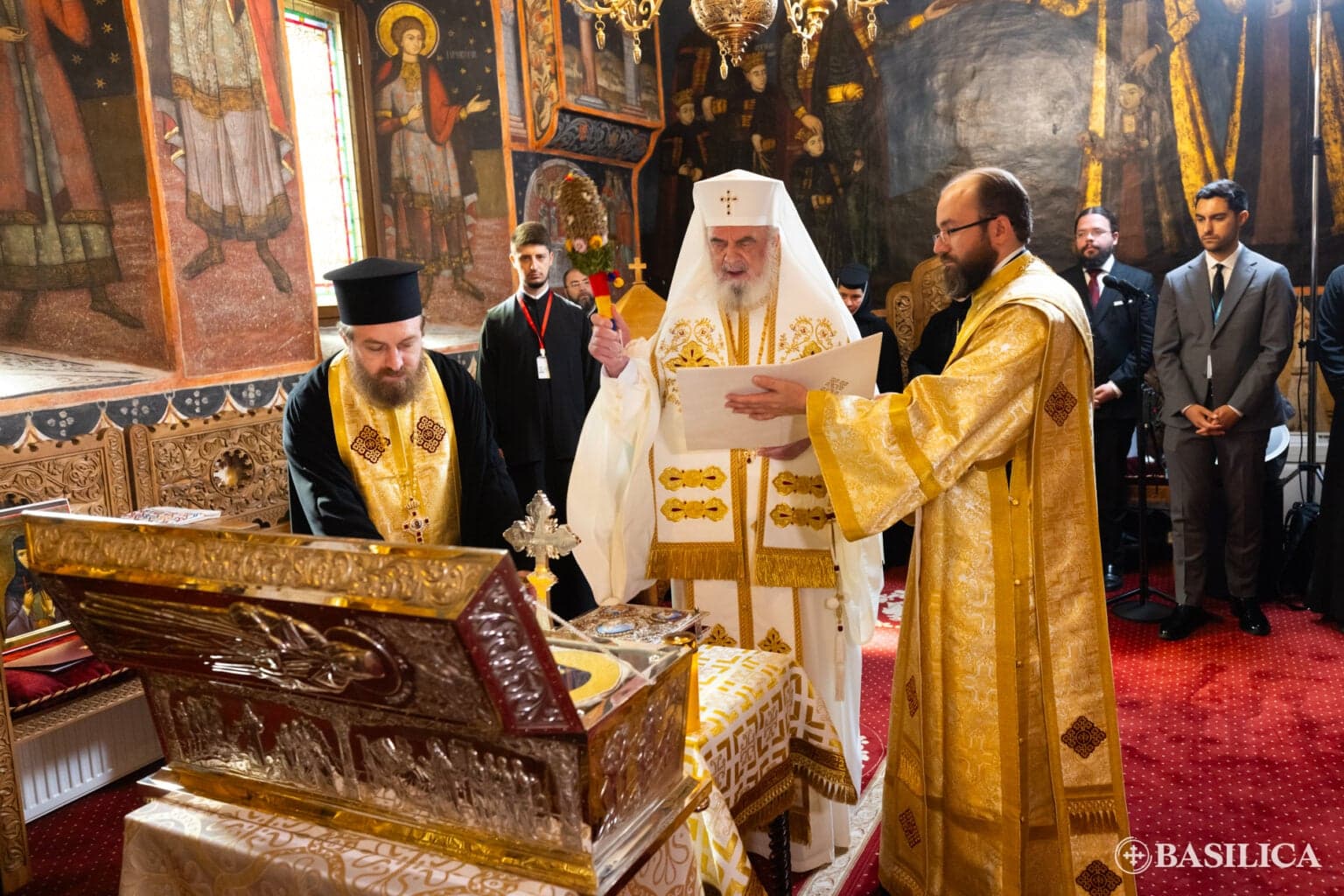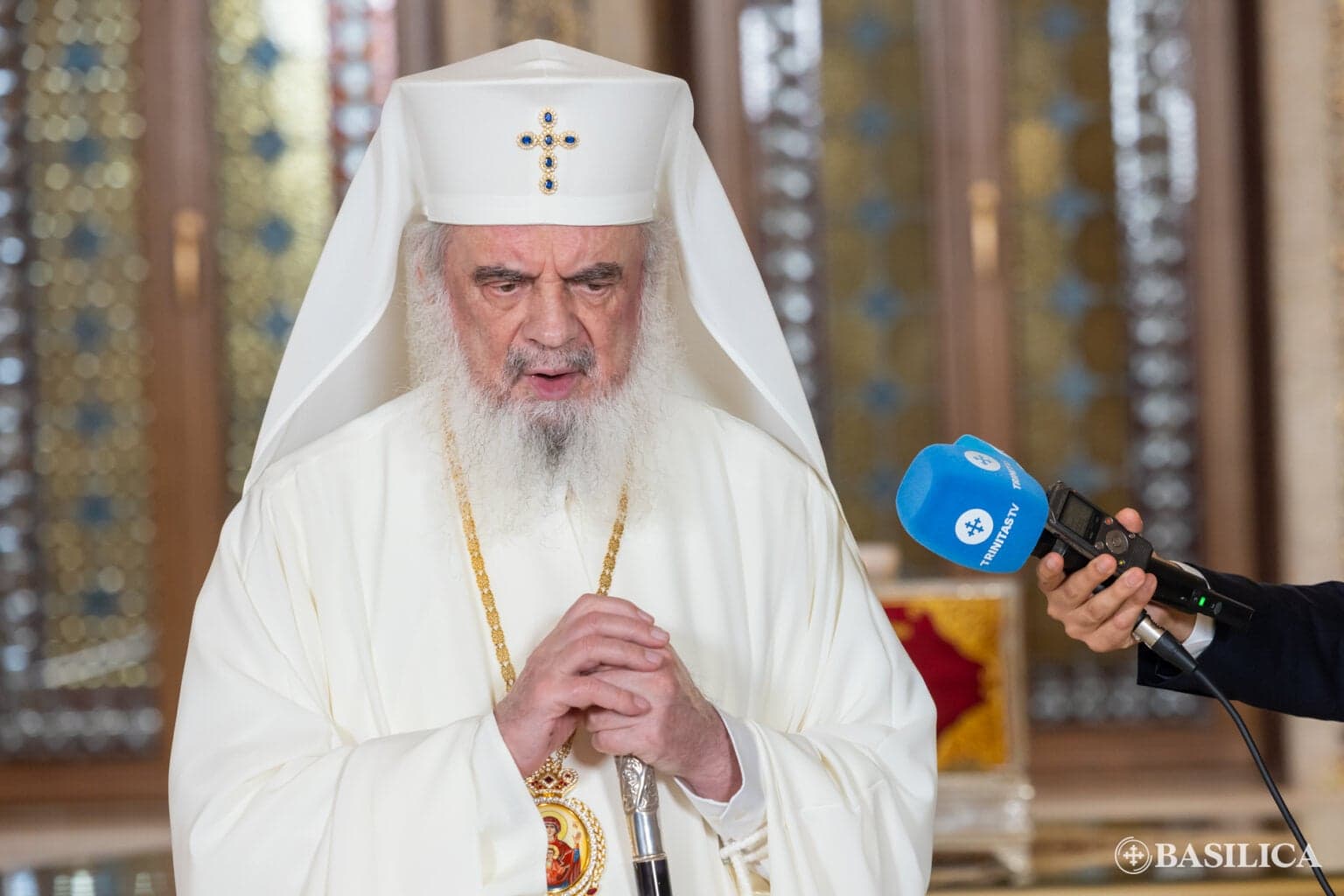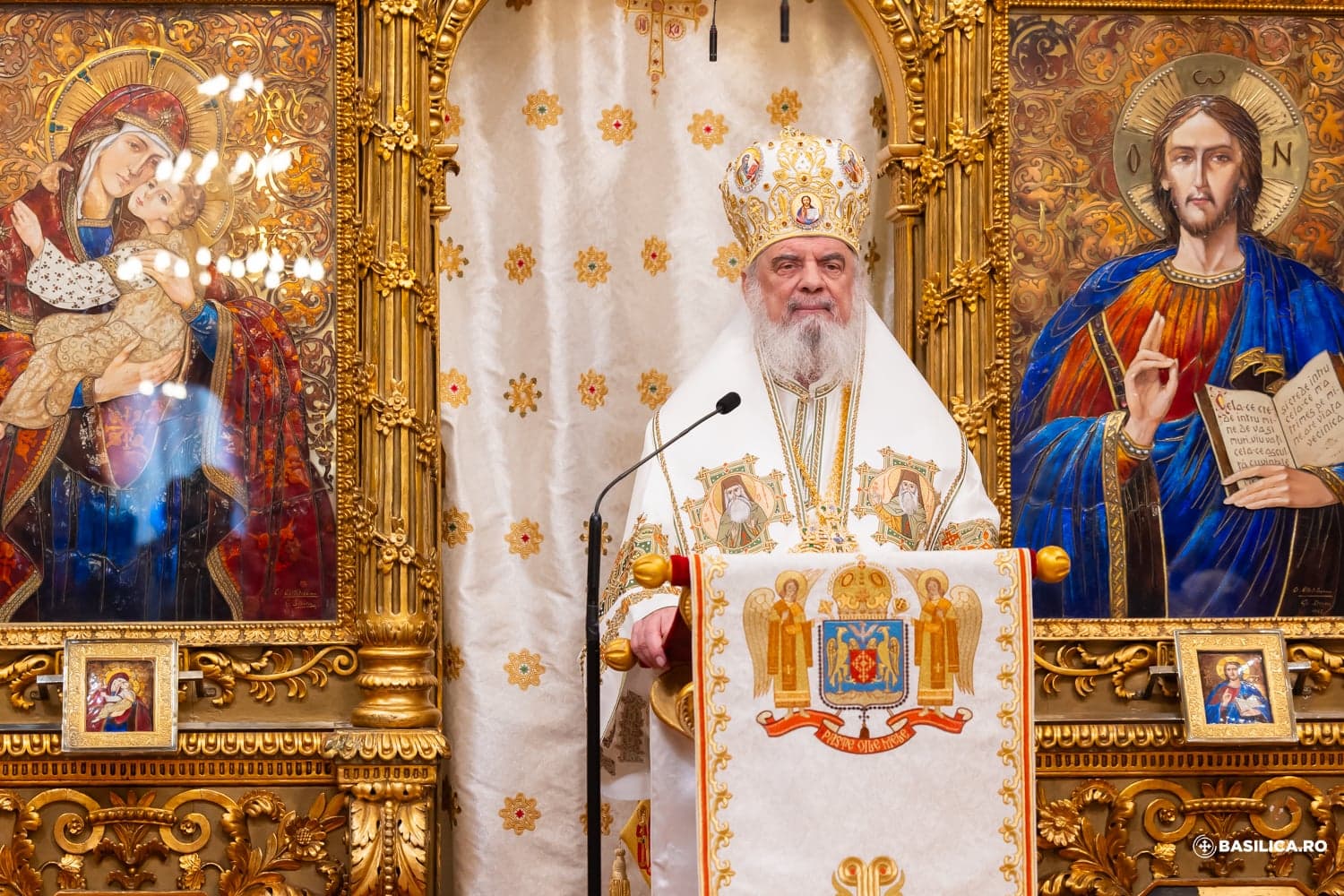
His Beatitude Patriarch Daniel delivered an official address on Friday morning, 6 February, during the solemn proclamation of the canonisation of 16 Romanian Women Saints, held at the Patriarchal Cathedral in Bucharest, in the presence of the members of the Holy Synod of the Romanian Orthodox Church.
In his message, the Patriarch described the newly proclaimed saints as “the spiritual mothers of our people” and emphasised that the 16 Romanian holy women stand as living models of “piety, sacrificial love and confessing courage”, showing contemporary believers that holiness is rooted in family life, faithful devotion to the Church and steadfast witness to Christ, even in times of suffering and persecution.
Please find below Patriarch Daniel’s message.
The Romanian Holy Women Are Models of Piety, Sacrificial Love and Confessing Courage
Your Eminences and Your Graces,
Venerable and Reverend Fathers,
Venerable Mothers,
Beloved faithful,
The Holy Synod of the Romanian Orthodox Church has decided that the year 2026 shall be proclaimed the Solemn Year of the Pastoral Care of the Christian Family and the Commemorative Year of the Holy Women of the Church calendar (myrrh-bearing women, martyrs, venerable monastics, wives and mothers) in the Romanian Patriarchate.
The theme of this commemorative and celebratory year seeks to emphasise the essential role played by both the family and women in forming and preserving Christian identity, as well as in transmitting the Orthodox faith from one generation to another.
The sixteen Romanian Holy Women, canonised in 2025 and proclaimed today in the Patriarchal Cathedral in Bucharest, are important spiritual landmarks from the historical past of the Romanian Orthodox Church. Like spiritual mothers of the Romanian people, they show us the path that leads to Christ. They sanctified their lives through humility and love for their neighbour, through strong faith and confessing courage, through patient endurance of trials, through ascetic struggle and prayer.
Holiness in family life
Many of these holy women were wives and mothers who passed on to their children a profoundly Christian education that bore fruit in holiness. For example, Princess Saint Maria Brâncoveanu raised eleven children, cultivating in their souls faith in God and confessing courage. After witnessing, on 15 August 1714 in Constantinople, the beheading of her husband, Prince Saint Constantine Brâncoveanu, and of their four sons by the Ottomans, she was deported to exile in Anatolia. She later returned to her homeland with her daughters, preserving her dignity and her unshaken Christian faith.
Likewise, Venerable Saint Platonida of Argeș (formerly Despina Milica), the wife of Prince Saint Neagoe Basarab and mother of six children, offered her children an outstanding education based on Scripture and the teaching of the Holy Fathers. After her husband’s death, she became a nun at Ostrov Skete, dedicating herself to the beautification of holy places and to helping those in need.
Among these holy women we also find devoted mothers who were simple women of the people and who raised their children in love for God, such as Venerable Saint Philothea of Pasărea, the mother of Saint Callinicus of Cernica. She raised four children, two of whom embraced the monastic life at Cernica Monastery.
Another luminous example is Saint Olympias of Fărcașa, the mother of Saint Petronius of Prodromou Skete and of seven other children. She helped the poor, the sick and those in distress in her village, practising hidden spiritual asceticism even in the midst of family life.
Another mother distinguished by the education she gave her children is Saint Philotimia of Râmeț, the mother of twelve children, among whom was Saint Dometius the Merciful. She lived in deep humility, facing many hardships and sorrows, seven of her children having died at a young age. After becoming a widow, she entered the monastic community of Râmeț Monastery. Saint Porphyrios of Kavsokalyvia testified that after her death she ascended to heaven like a seraph.
Reflecting on the lives of these spiritual women, we realise that they were mothers not only through biological birth, but also through their beneficial influence on the formation of their children, who in turn became great missionary spiritual fathers. In this way, they became spiritual mothers of the Romanian people. The sacrificial love of these holy women was manifested through suffering borne with trust in God and through total self-giving in helping their neighbour.
The devotion of the Romanian holy women to the Holy Church
Deep devotion to the Church is a central characteristic of the lives of the Romanian holy women. They regarded the Church not merely as a place of worship, but above all as the mystical Body of Christ and the centre of their spiritual life.
Their devotion was expressed through faithfulness to Orthodox teaching, constant participation in the holy services and care for holy places. The wives of rulers were also outstanding supporters of monasteries and churches in the Romanian Principalities and on the Holy Mount Athos.
The monastic women proclaimed today as saints showed their devotion through humility, fasting and prayer. Thus, Saint Mavra of Ceahlău, a great hesychast spiritual guide; Saints Nazaria and Olympias of Văratec, disciples of Saint Paisius (Velichkovsky) of Neamț; Saint Antonina of Tismana; and Saint Elizabeth of Pasărea lived in profound humility and obedience, acquiring the gift of unceasing prayer and the grace of working miracles.
Saint Elizabeth (Safta) Brâncoveanu of Văratec showed great zeal in the beautification of holy places and in helping the sick and the poor. In her cell she fulfilled her rule of prayer with great strictness and attained deep spiritual growth.
Saint Matrona of Hurezi, a disciple of the Venerable Orest Baldovin, fought against the secularising current at the beginning of the twentieth century and reintroduced communal life at Hurezi Monastery, reorganising it according to the principles of cenobitic life.
The confessing courage of the Romanian holy women
Confessing courage shines forth in the lives of the Romanian holy women, especially in times of persecution. They refused to renounce Christ and defended the Orthodox faith. For example, the Holy Venerable Martyr Eulogia of Samurcășești, the only martyr among the sixteen saints, was a devoted missionary of the “Patriarch Miron” Association.
She preached the Gospel in the villages of Muntenia (Wallachia), awakening consciences, combating sectarian teachings and bringing people back into Orthodox Eucharistic communities. In the villages she visited, many people abandoned taverns and began to participate in the services of the Church.
Saint Blandina of Iași, a teacher, wife and mother, who was for a time deported to Siberia, was deeply attached to the Metropolitan Cathedral of Iași, where the relics of Saint Paraskeva are kept. When her son forced her to choose between her family and the Church, she chose the Church and was driven from her son’s home, as he feared the communist authorities.
With humility she washed the cathedral floor every day. When former colleagues judged her and claimed she was humiliating herself, she answered courageously: “I am not ashamed to wash the feet of the Saviour.”
Saint Anastasia Șaguna, the mother of Saint Andrew Șaguna, worked tirelessly for the Orthodox education of her three children after her husband converted to Roman Catholicism. She remained steadfast in defending Orthodoxy and, with tact and wisdom, contributed decisively to the Orthodox formation of her children, despite the pressures of the authorities of the time.
Saint Magdalena of Malajnica, a widowed woman from Serbian Banat, went to church regardless of the weather, sang at the kliros and confessed her faith during the communist period. She encouraged those who sought her counsel and often said, for the comfort of believers suffering under atheist communist policies, “God sees.”
Throughout history, Romanian holy women have shown that the path to holiness does not depend on belonging to a certain social category, but on cooperation between the human person and divine grace.
These new Romanian holy women show us that the Romanian Orthodox Church has always been blessed with faithful and devout women who fought the good fight of faith and completed their earthly journey in holiness (cf. 2 Timothy 4:7), in many forms of service: mothers whose children became saints, women who sanctified their lives through love and sacrifice within the family, the ecclesial community and society, martyrs who defended the Orthodox faith with their blood, monastics who laboured in humility, fasting and unceasing prayer in monasteries and in the wilderness, women confessors who endured persecution for the name of Christ, and the wives of princes and rulers who supported the Church and the Romanian people.
Today, at this blessed moment of the general proclamation of the canonisation of the sixteen Romanian Holy Women, we wish to express our appreciation and gratitude to the hierarchs, clergy, monastics and lay faithful who have come with much love to honour them.
We offer special thanks to the Metropolitan Synods that contributed to the documentation for the canonisation of the sixteen Romanian holy women; to those who prepared the canonisation dossiers; in particular to Mr Răzvan Clipici, Patriarchal Adviser; to the hymnographers who composed the services of the Romanian Holy Women—among whom we mention hieroschemamonk Iosif Cismaș of Gai Monastery, Deacon Sabin Preda and schemamonk Gavriil Bănculescu of Vatopedi Monastery on Mount Athos; to the iconographers Răzvan and Mihaela Bădescu, who painted the canonisation icons; and to the nuns working in the embroidery workshop of Copou Monastery, coordinated by Stavrophore Nun Maria-Magdalena Vrânceanu, abbess of the monastery, who are preparing the coverings for the relics of the Romanian Holy Women.
We also thank the delegations from the monasteries of Pasărea, Samurcășești, Durău, Văratec, Râmeț, Tismana and Hurezi, present today in the Patriarchal Cathedral in honour of the saints who laboured in those monasteries, as well as the family members of Saint Elizabeth of Pasărea, Saint Olympias of Fărcașa and Saint Philotimia of Râmeț, who are present here today.
We pray to the Romanian Holy Women, together with the Most Holy Mother of God and all the saints, to intercede before the Most Holy Trinity, that peace and joy, health and salvation may be granted to us all.
† Daniel
Patriarch of the Romanian Orthodox Church
Photo: Basilica.ro / Mircea Florescu