Orthodox Christians enter Cheesefare Week on Monday, the final stage of preparation for Great Lent, a period during which the faithful abstain from meat but may consume dairy products, eggs and fish.
The discipline of this week has a pedagogical purpose, helping believers ease into the ascetic effort of fasting through dietary restraint, intensified prayer and reconciliation with others.
Beginning Wednesday of Cheesefare Week and continuing until Wednesday of Holy Week, the Prayer of Saint Ephrem the Syrian—“O Lord and Master of my life”—is recited, accompanied by prostrations.
Wednesday and Friday of this week are considered aliturgical days, meaning the Divine Liturgy is not celebrated. The final Sunday before the start of Great Lent is known as the Sunday of the Expulsion of Adam from Paradise, also called Forgiveness Sunday.
The commemoration recalls humanity’s fall and the need to return to God through repentance. On this day, the faithful ask one another for forgiveness in order to begin the Lenten season with purified hearts.
Saturday of the Holy Ascetics

On the Saturday at the end of Cheesefare Week, the Church commemorates all God-bearing Fathers and Mothers who shone forth in asceticism, namely, the venerable saints who laid the foundations of Christian monasticism and ascetic life.
In his book Great Lent: Journey to Pascha, Father Alexander Schmemann writes that the Church remembers these saints to remind the faithful that they do not undertake the ascetic struggle alone. The holy ascetics stand as models and guides in the demanding “art” of fasting and repentance.
Great Lent is considered the most important and rigorous fasting period of the ecclesiastical year, marked by intensified prayer, confession, almsgiving and spiritual preparation for the celebration of the Resurrection of the Lord.
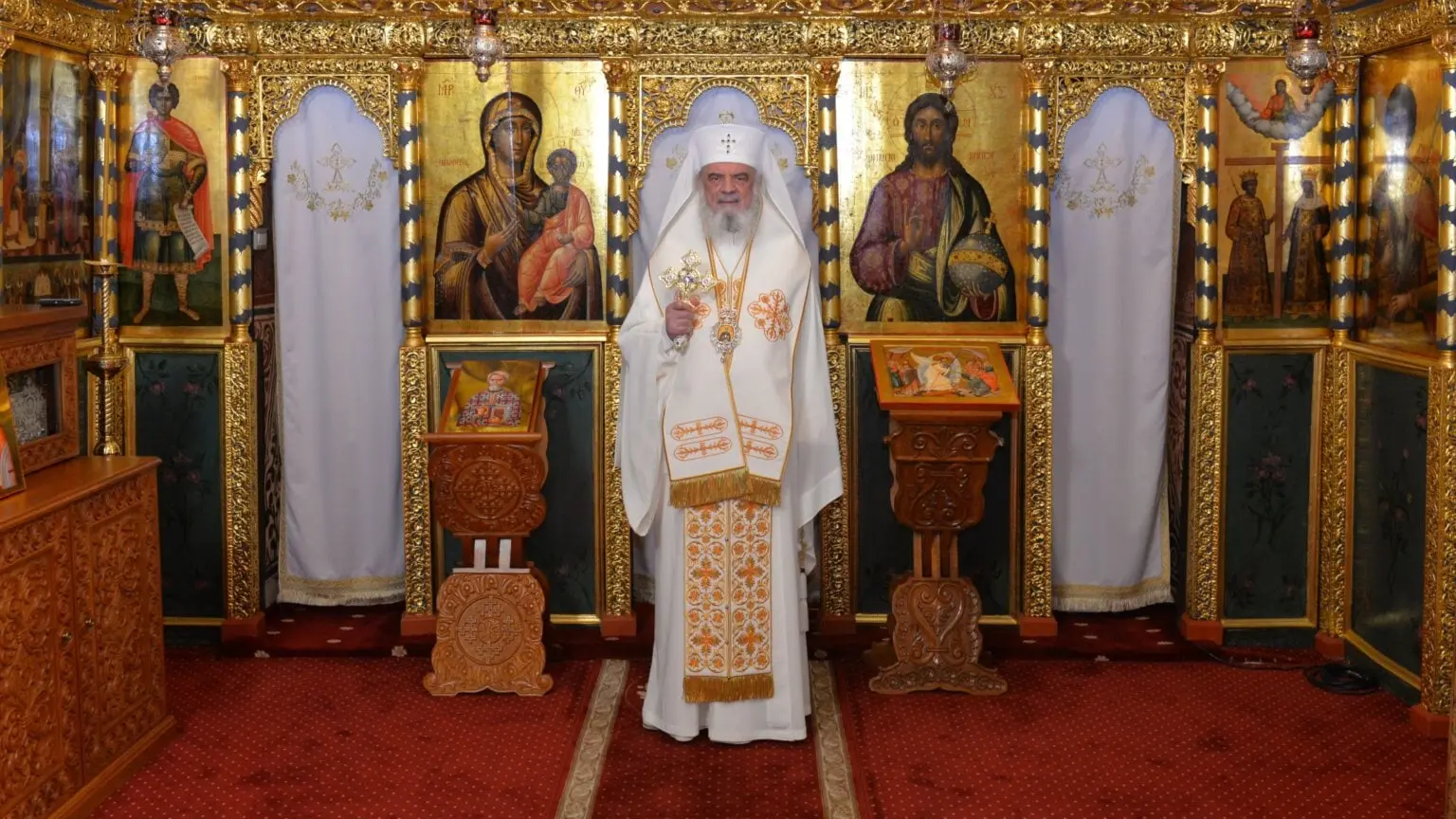
Photo: Doxologia.ro / Oana Nechifor