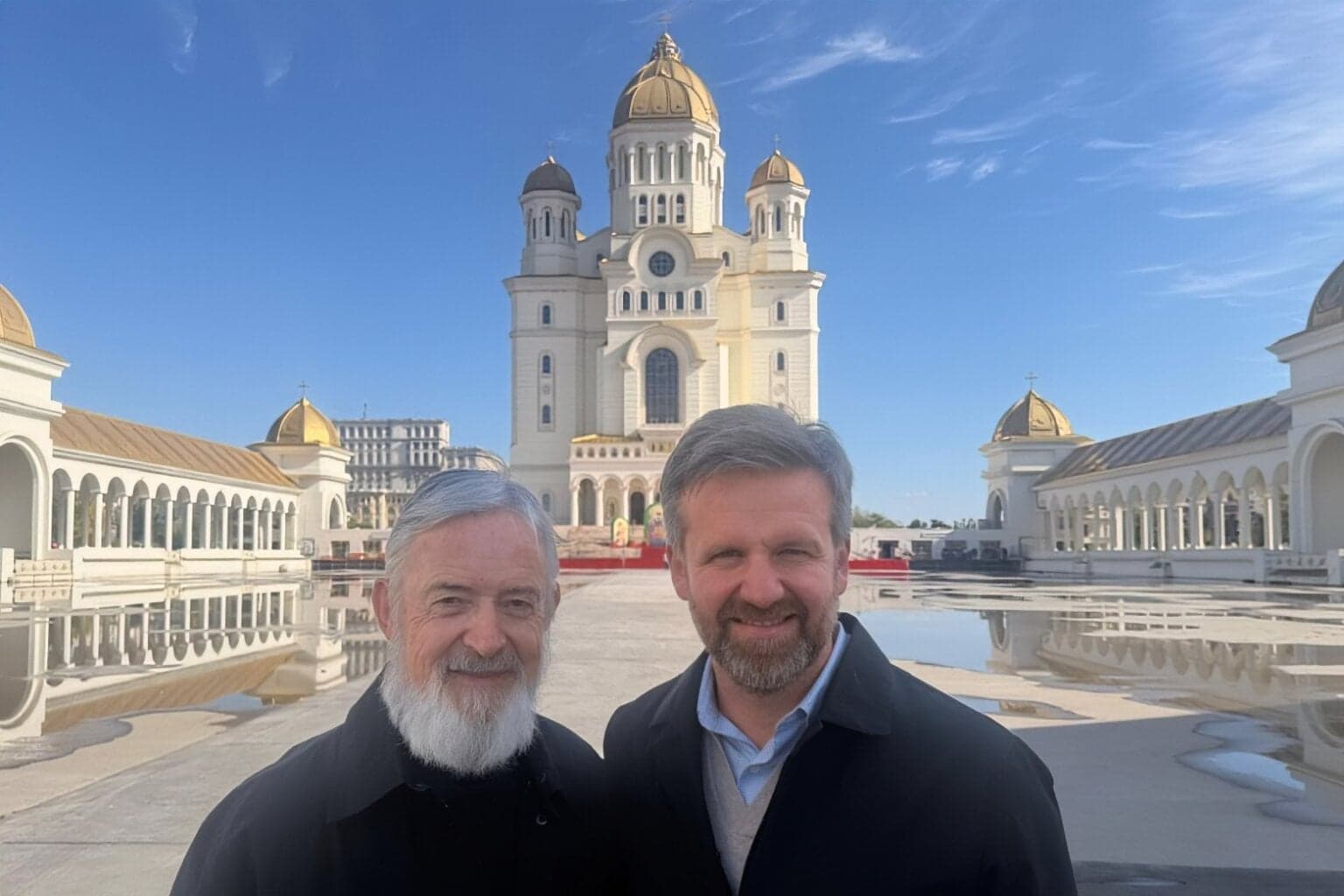
What makes human life valuable? What does freedom truly mean? How do we respond to fear, social pressure, and a culture that leaves the most vulnerable exposed? The reflections offered by Mr. David Bradshaw, Professor of Philosophy at the University of Kentucky, bring a faith-rooted perspective that illuminates the meaning of courage, responsibility, and sacrifice. The interview was given for the #FridayForLife column.
Alexandra Nadane: From your philosophical perspective, what is the most compelling reason to affirm the inherent dignity of every human life, including the unborn?
Prof. David Bradshaw: I think we learn to value human life first because we each value our own life and would, if threatened, offer reasons why we should be allowed to live. As you reflect on these reasons you soon realize that they apply to others just as much as to yourself. For instance, if you say, “I should be allowed to live because I have accomplished such-and-such things, or because I have a great future ahead, or simply because you have no right to kill me,” all of these reasons also apply to other people.
So you realize that, if your own life is valuable, so are those of others. Then the question becomes, does it make sense to include some people but not all? Many attempts have been made in the past to draw such a line, based on race, religion, social status, and so on, but all are arbitrary. So too is any line based merely on age or location. Abortion depends on drawing such a line between a child inside the womb and a child outside the womb, but nothing about the child’s location, or the fact that it is now slightly older than when it was inside the womb, warrants such a massive moral difference.
AN: How can the Christian understanding of freedom counter the modern view that personal autonomy justifies any choice – even the ending of a life?
Christ says that whoever sins is a slave to sin (John 8:34). It’s an illusion to think that merely doing what you want makes you free, because what you want is subject to all kinds of influences and compulsions – everything from the fear of what others will think, to shame at being pregnant, to the pride that says no one else can tell you what to do. We are often dominated and controlled by such passions. Only Christ can set us free from the passions and give us the ability to act according to his will, which is true freedom.
AN: What do the Orthodox Fathers teach us about responding to fear and social pressure, especially for women facing difficult pregnancies today?
Prof. David B.: I think here of the stories of the martyrs, who faced social pressure to the point of knowing that they would be put to death if they did not deny Christ. Yet they not only remained faithful, but did so with joy because they knew that Christ would welcome them into his kingdom. As St. Paul says, “For our light affliction, which is but for a moment, works for us a far more exceeding and eternal weight of glory” (II Cor. 4:17). We all have to face social pressure of various kinds, but we should do so knowing that the reward at the end far outweighs anything we might suffer here.
AN: In a culture shaped by technological power, how can Christians preserve a moral vision that protects the vulnerable and resists dehumanization?
Prof. David B.: We should be more vigilant than ever in doing the things we already know we should do: studying Scripture, spending time in prayer and worship, serving the poor, and performing our duties faithfully and well. Orthodox also have the great privilege of visiting monasteries and benefiting from the teaching of monastic elders. The more we do these things, the more the internet will be reduced to its proper role as simply one tool among others and not the context of our whole existence.
AN: What role can theology play in rebuilding a culture where motherhood, family, and sacrifice are seen as sources of meaning rather than obstacles to self-fulfillment?
Prof. David B.: I am glad you mention sacrifice because it is the most universal of these three. All of us, whether married or single, monastic or laity, must learn to embrace sacrifice as part of what it means to follow Christ. All sacrifice done for the sake of Christ is blessed and there is not an ounce of it that God does not know and treasure. When we think about motherhood in this way, we will see that it is an opportunity rather than a burden – or perhaps that it is an opportunity precisely because it is sometimes also a burden.
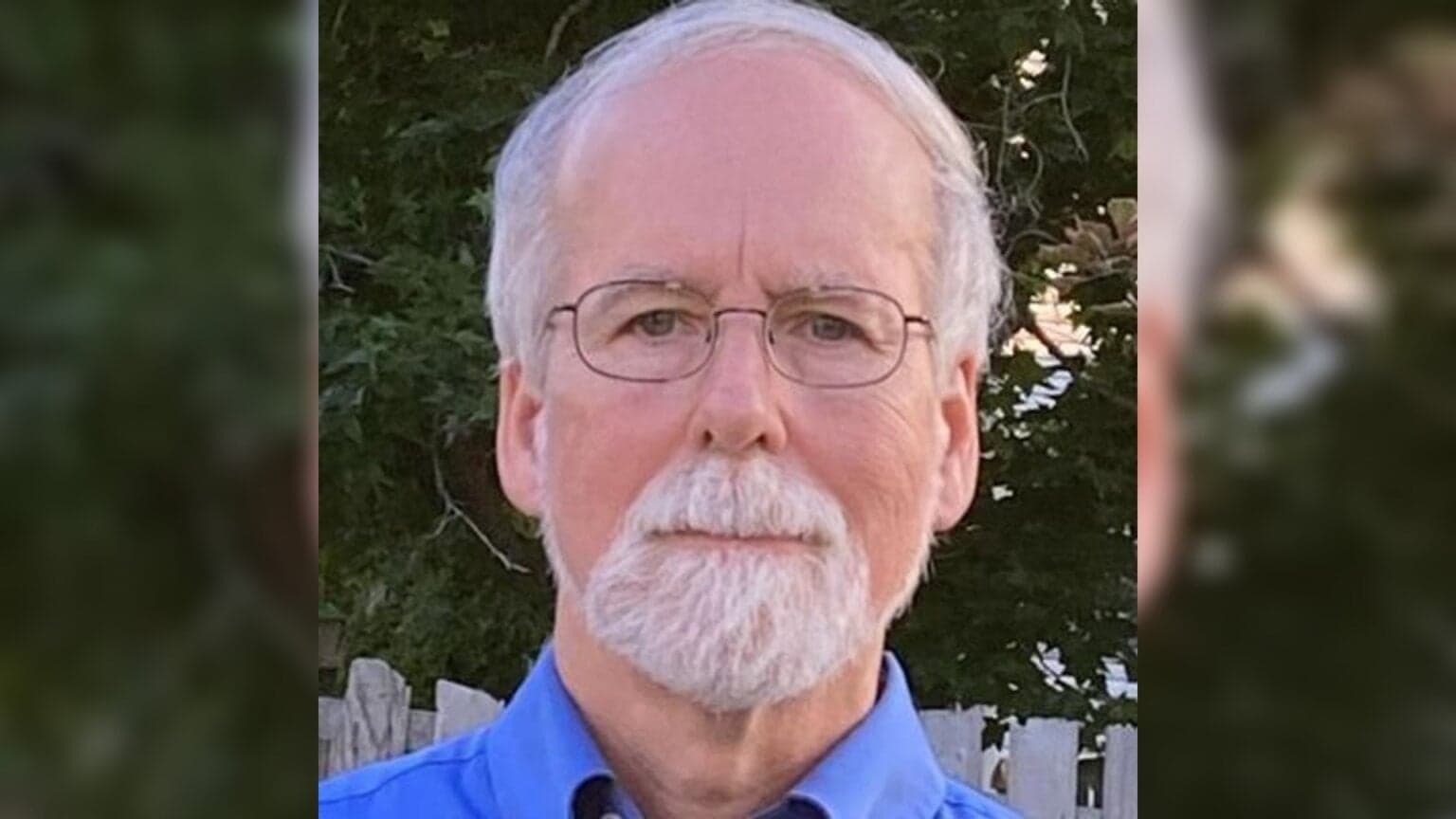
* David Bradshaw is a professor of philosophy at the University of Kentucky and one of the most respected contemporary scholars in Greek philosophy and patristic theology. He graduated from Auburn University with a Bachelor of Science in Physics (B.S., 1982), and later followed his intellectual vocation toward philosophy, earning his Ph.D. (1996) at the University of Texas at Austin, one of the strongest philosophy programs in the United States.
He is internationally known in academic circles for his landmark contributions to ancient metaphysics and to the study of the relationship between Eastern Christian theology and the Western philosophical tradition. His book Aristotle East and West: Metaphysics and the Division of Christendom, published by Cambridge University Press, has become a major reference point in the study of the uncreated energies and in understanding the deeper background of the differences between Eastern and Western Christian thought.
Through the rigor of his scholarship, as well as his openness to dialogue between philosophy and theology, and between science and faith, David Bradshaw is regarded today as a leading intellectual voice in patristic studies and ancient philosophy.
Photo: University of Kentucky