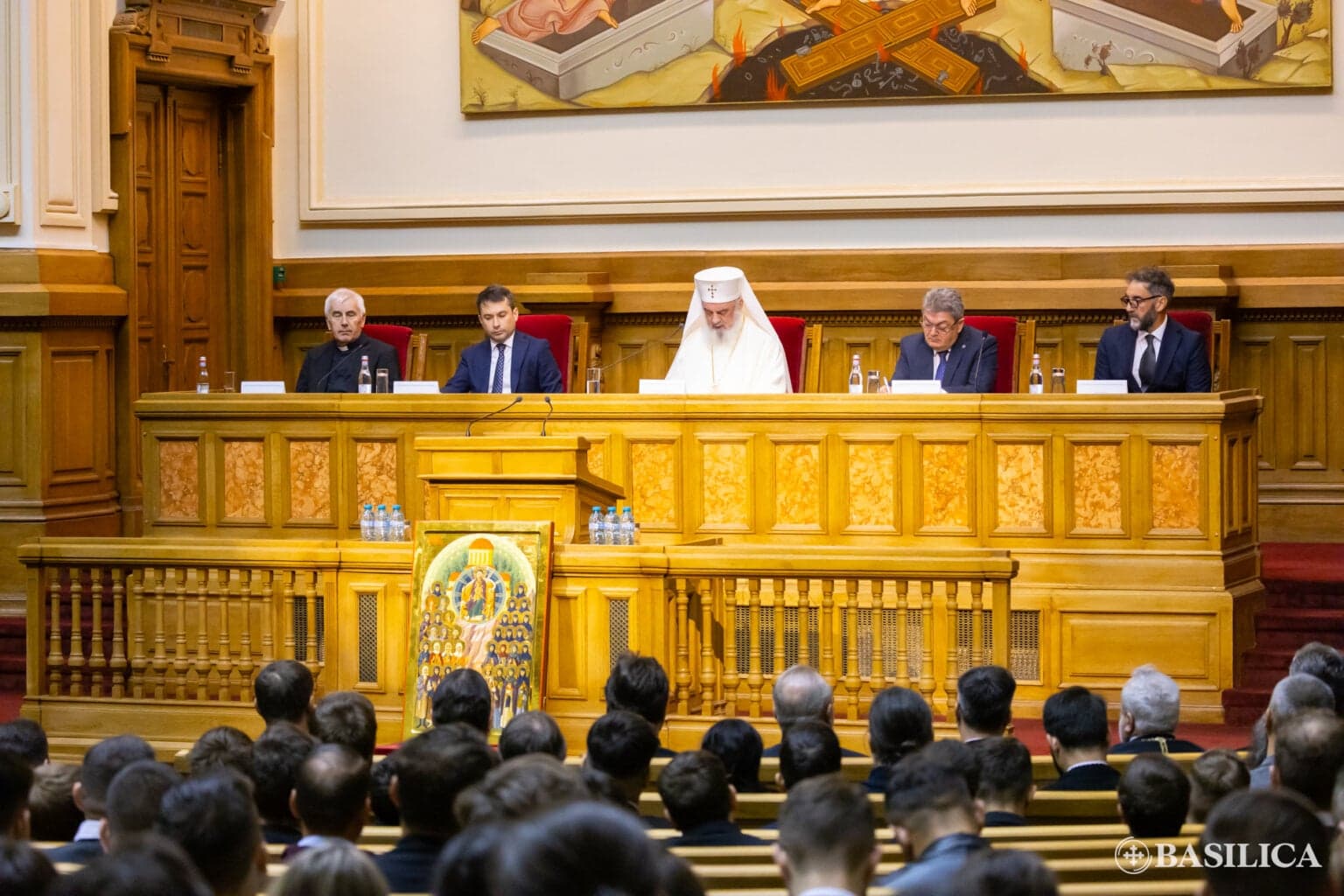
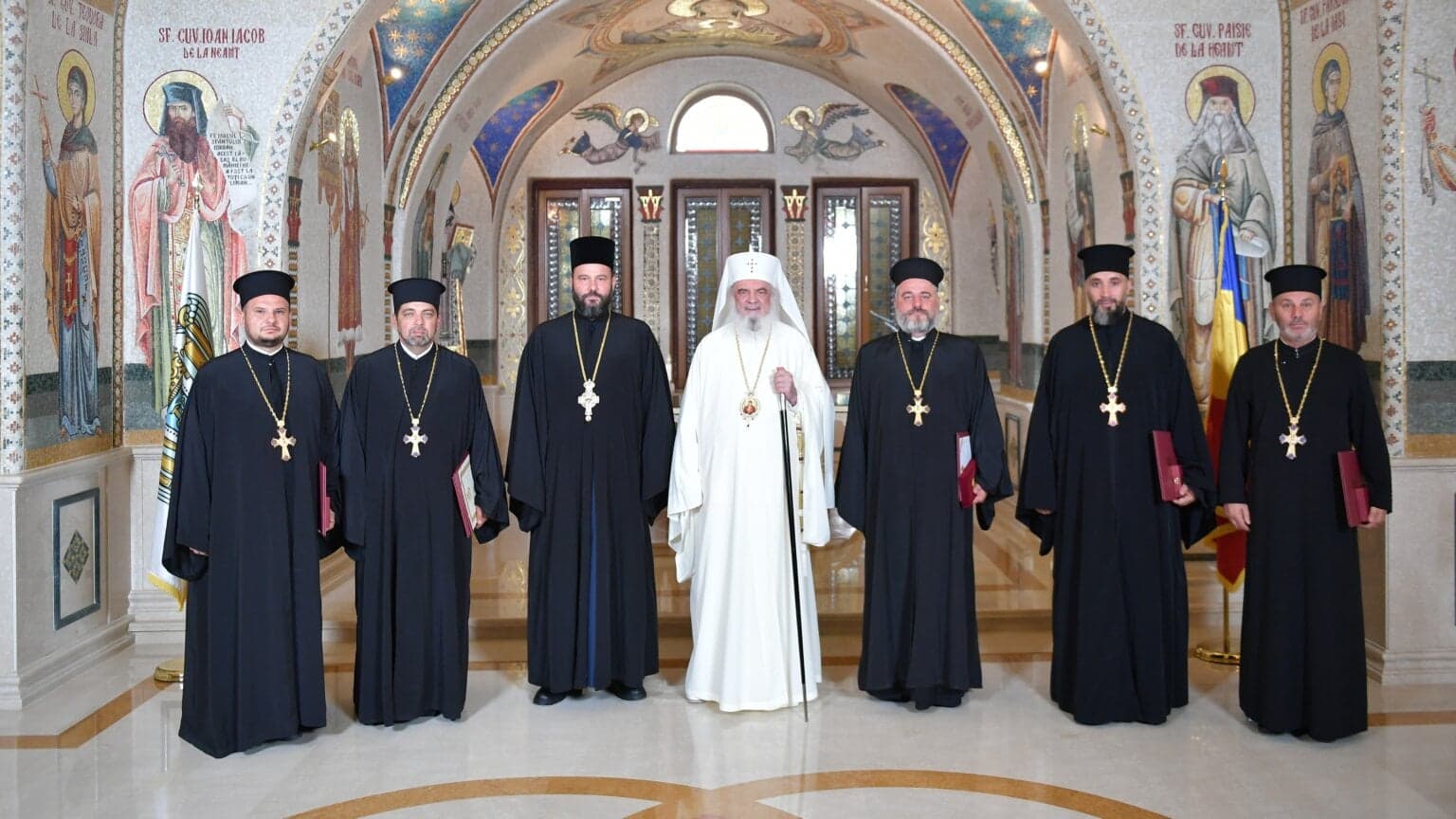
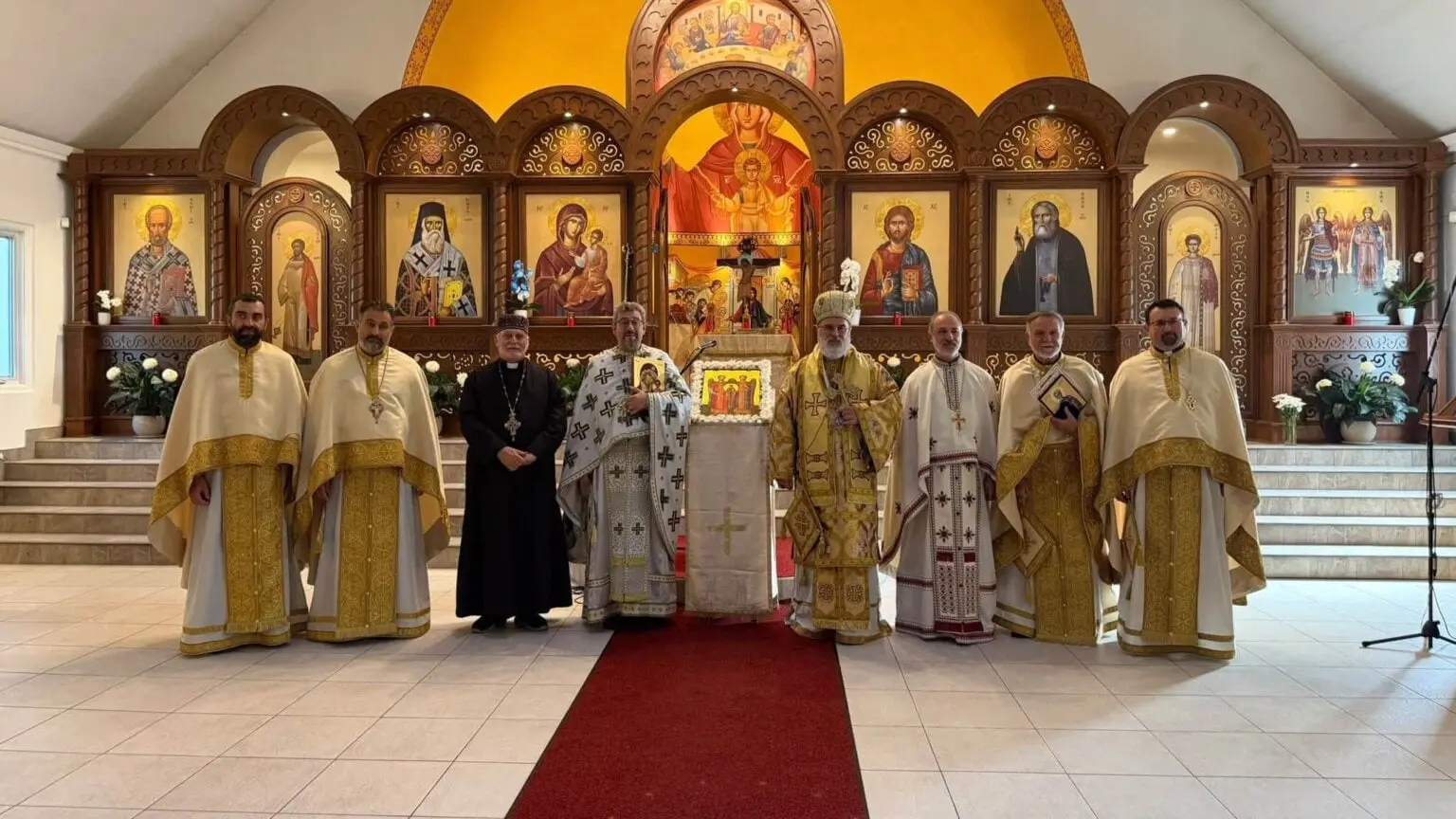
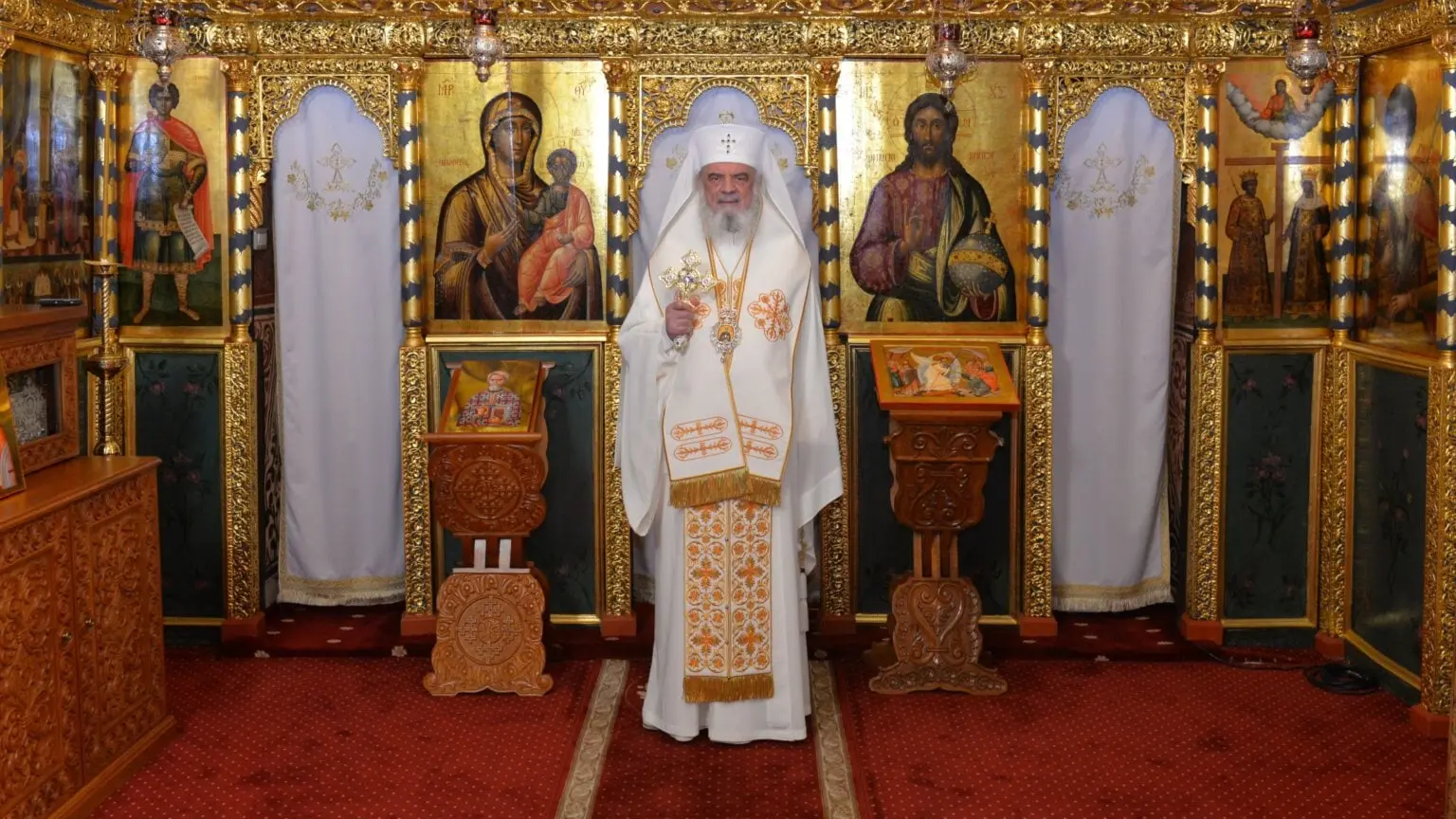
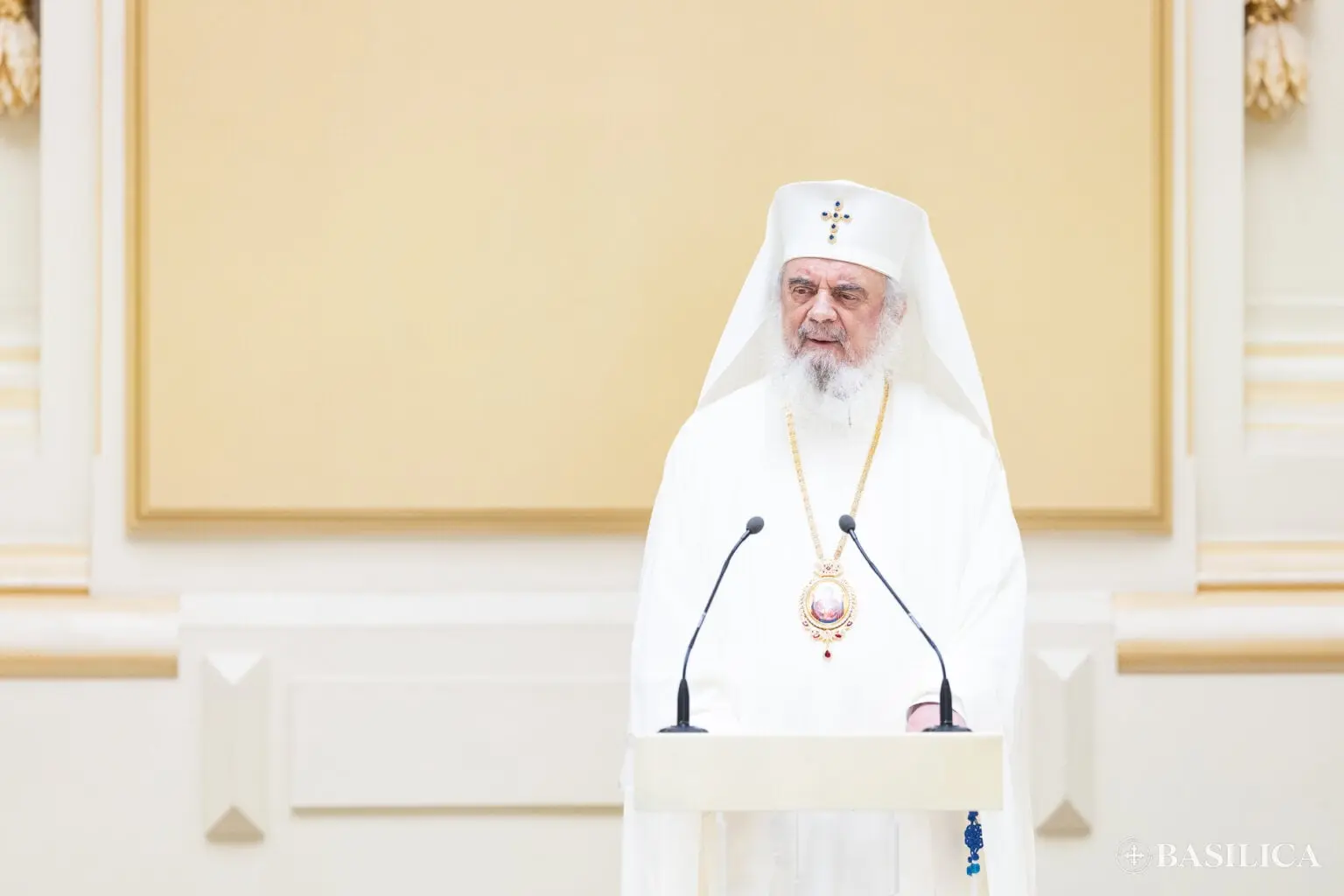
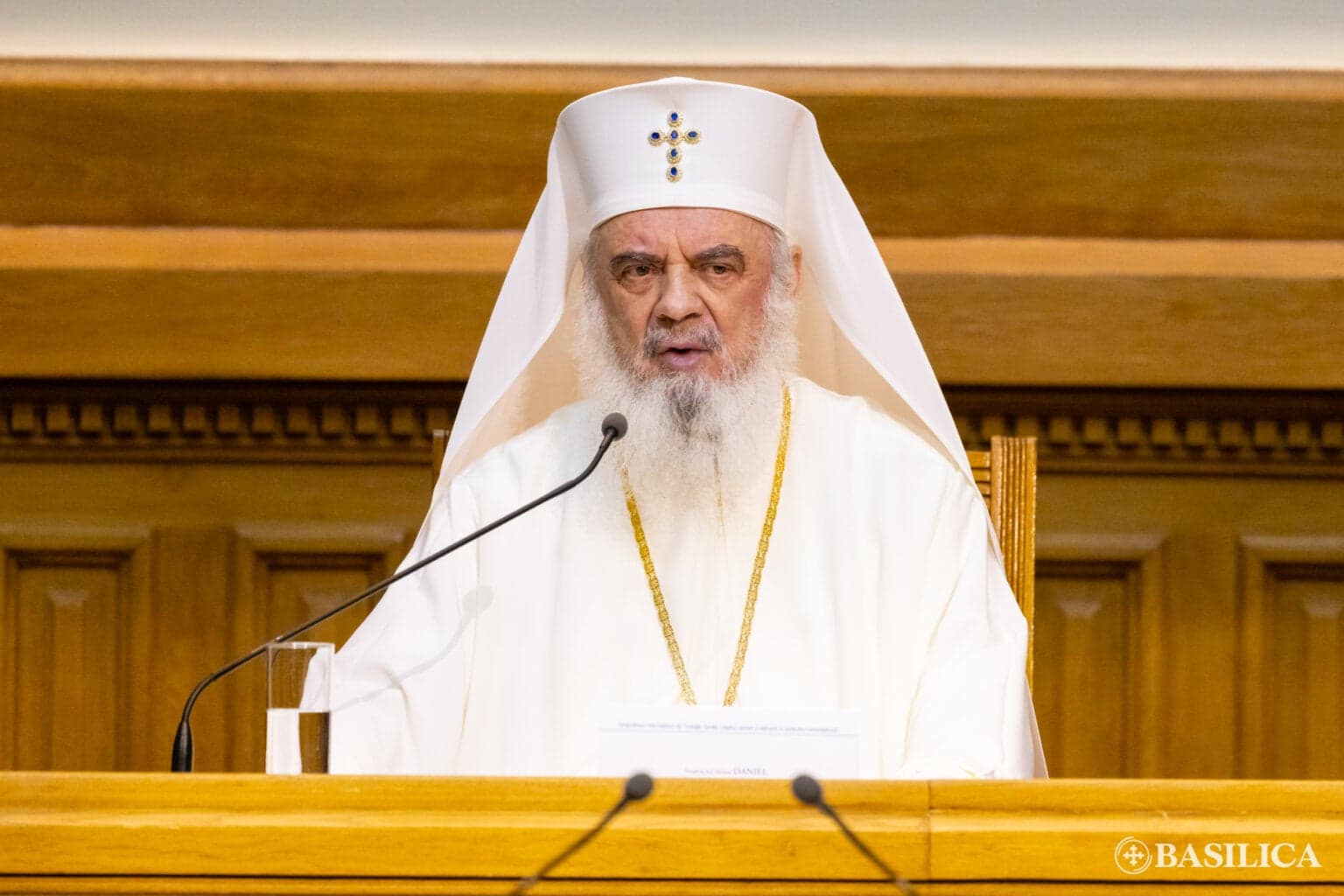
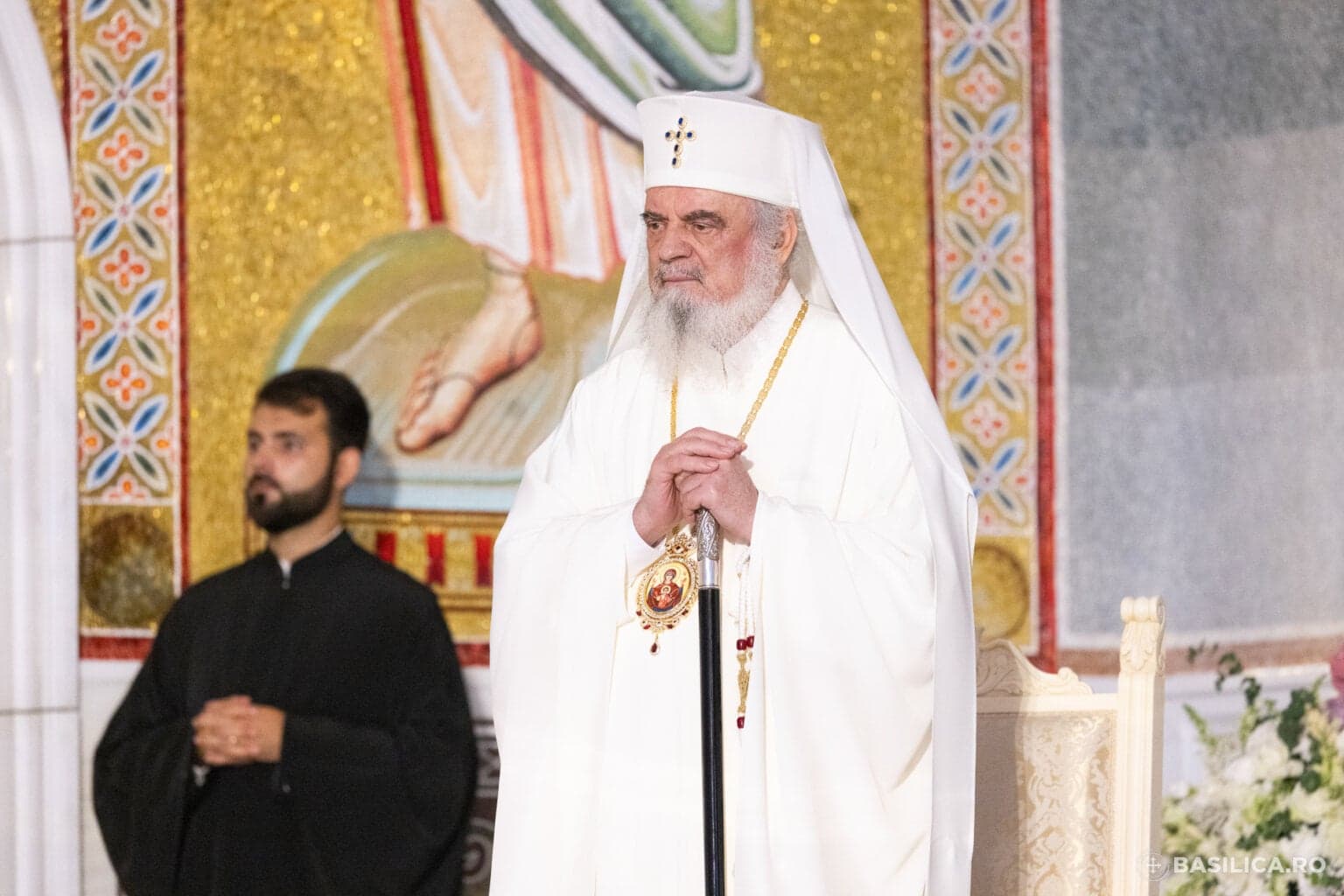
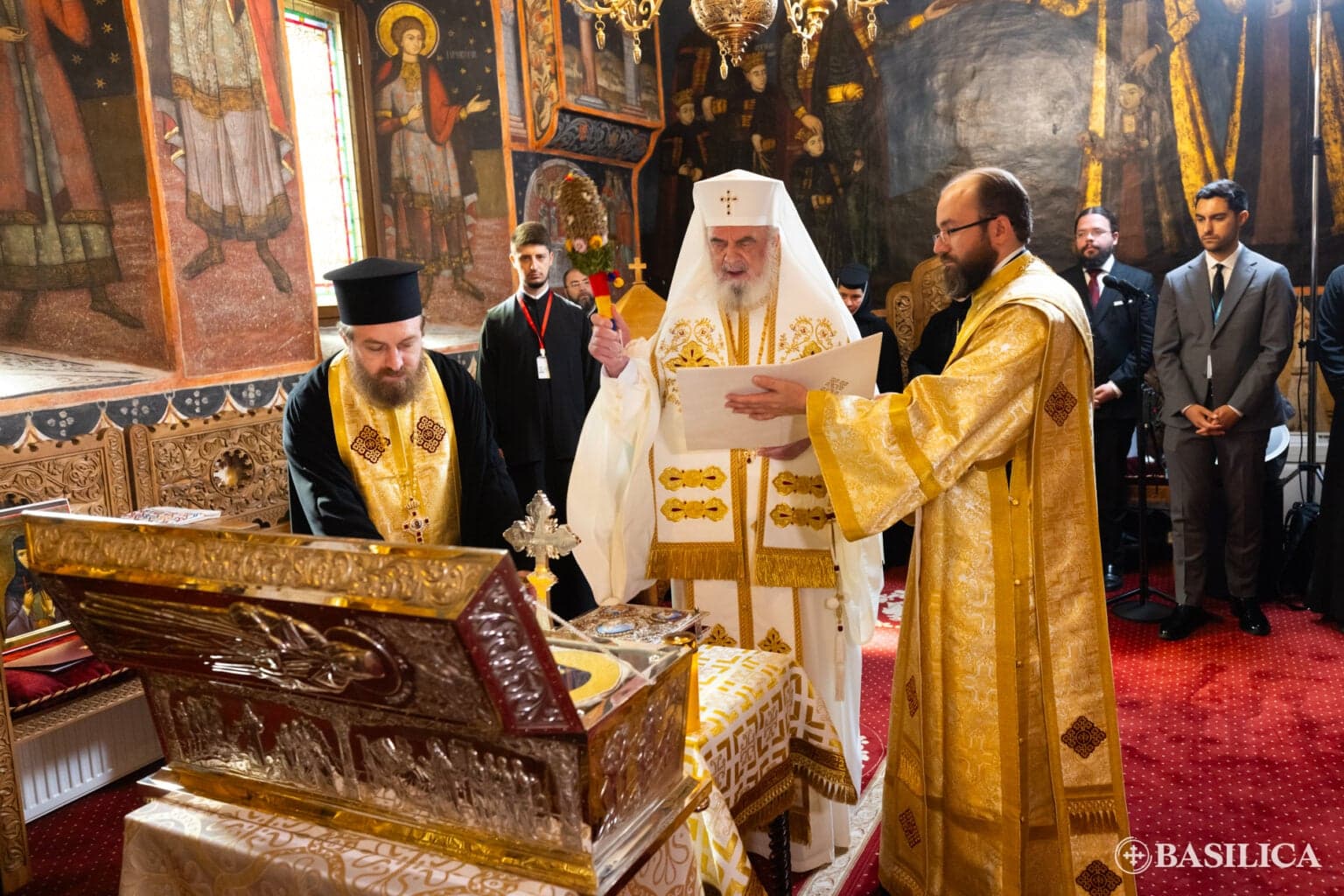
The Romanian capital has gained a new monastic settlement through the reactivation of Mihai Vodă Monastery. Assistant Bishop Timotei of Prahova and Archimandrite Nectarie Șofelea installed the abbess of the monastery on Saturday, May 9.
Nun Cipriana Tănase comes from the community of Râmeț Monastery, where she was a disciple of Stavrophore Ierusalima Ghibu, who recently reposed in the Lord.
The spiritual father of the new Bucharest monastery, Hieroschemamonk Iosif Cismaș, also comes from Transylvania, having previously served at Almaș Skete and later at Arad-Gai Monastery.
Archimandrite Nectarie Șofelea read the decree of installation, while Assistant Bishop Timotei of Prahova handed the abbess her pastoral staff and delivered a brief address on the monastery’s history and the spiritual lineage of the new community.
“Let us pray for the new community”

“We must pray wholeheartedly — the priests at the altar and everyone else in their personal prayer — that Fr Iosif, sister Cipriana and sister Agripina may receive help, inspiration, consolation and much patience,” said the assistant bishop.
“And if we were to quote Saint Cleopas of Sihăstria, we would have to repeat for minutes on end the word patience, which he considered the foremost virtue of the monk.”
“Let us pray with all our hearts, each according to his measure and love, for this community which is now stepping onto a path of tradition that had been temporarily interrupted,” His Grace continued.
“And let us tell those here — the priest and the two nuns — not to fear, little flock, keeping their gaze fixed upon the Shepherd and Comforter, upon the One who will always find, beyond waves, trials or calm weather, the path they must follow.”
Bucharest residents seek spiritual oases in the city

Abbess Cipriana Tănase recalled the history of the monastery, founded by Prince Michael the Brave after Saint Nicholas of Myra saved him from death.
She also recalled the rescue of the church through relocation engineering carried out by engineer Eugen Iordăchescu during the period when Nicolae Ceaușescu was restructuring Bucharest’s civic centre.
The abbess also spoke about the monastery’s wonderworking icon of the Mother of God “The Directress”, painted on Mount Athos, noting that a monastic paraman is painted on the reverse side of the icon.
“In the few days since I arrived here, I have noticed that people stop here before going to work, venerate the icons, participate in the Divine Liturgy and receive Holy Communion. After work, they come here again and do the same. They are eager, they love Christ, and they have a special devotion to this icon,” Nun Cipriana Tănase said.
The abbess stressed that although Bucharest is a noisy city, people can still find peace if they remember that they are surrounded by saints.
Sharing the peace acquired in the wilderness

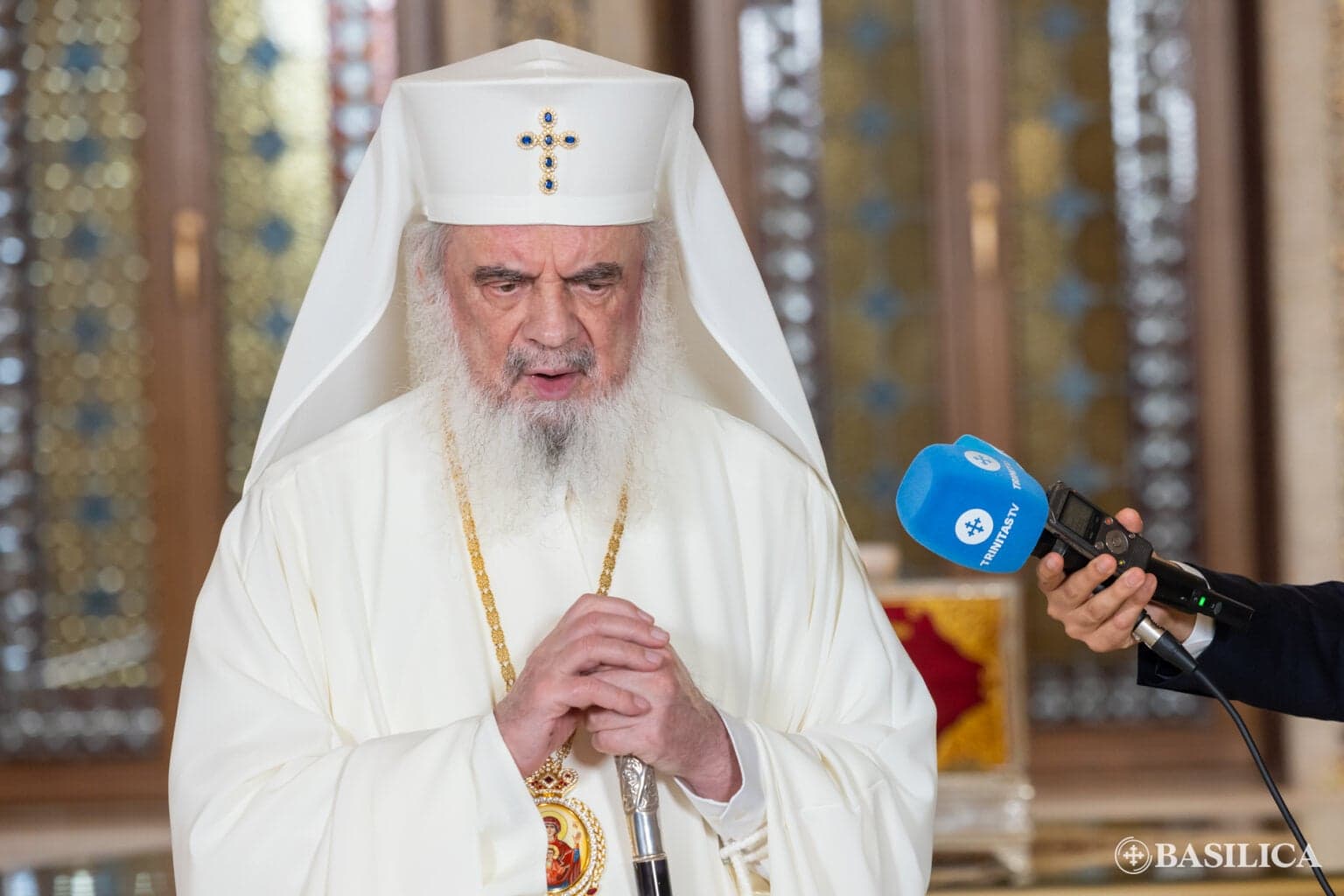
“Both I and the nuns truly lived in the wilderness, and each of us is aware that God brought us out from there, God took us and brought us here, and God gives us the strength not to feel that our bond with Him has changed,” the monastery’s spiritual father, Hieroschemamonk Iosif Cismaș, told Trinitas TV.
“And I hope, and ask for the prayers of the Mother of God and of Saint Nicholas, that our coming here may become a sharing of the peace that we acquired with difficulty over decades, and which may somehow be an undeserved divine gift that we wholeheartedly wish to share with those who, amid the noise of a city, seek peace and the Giver of peace in the depths of their souls.”
Mihai Vodă Monastery is located at 4 Sapienței Street, behind apartment blocks facing Splaiul Independenței. The nearest underground station is Izvor.
For more pictures, please visit our Photo Gallery section.
Photo: Basilica.ro / Raluca Ene