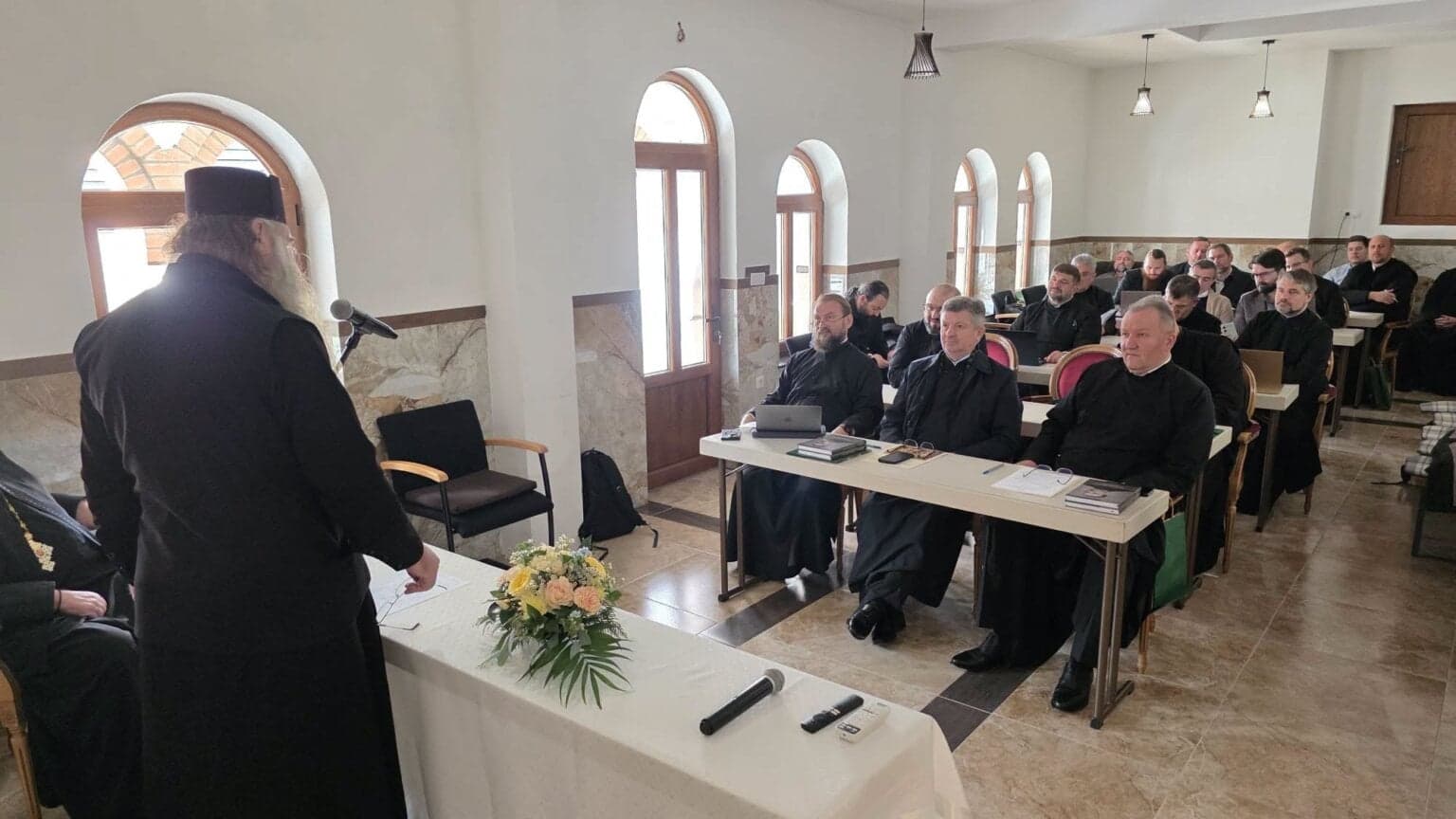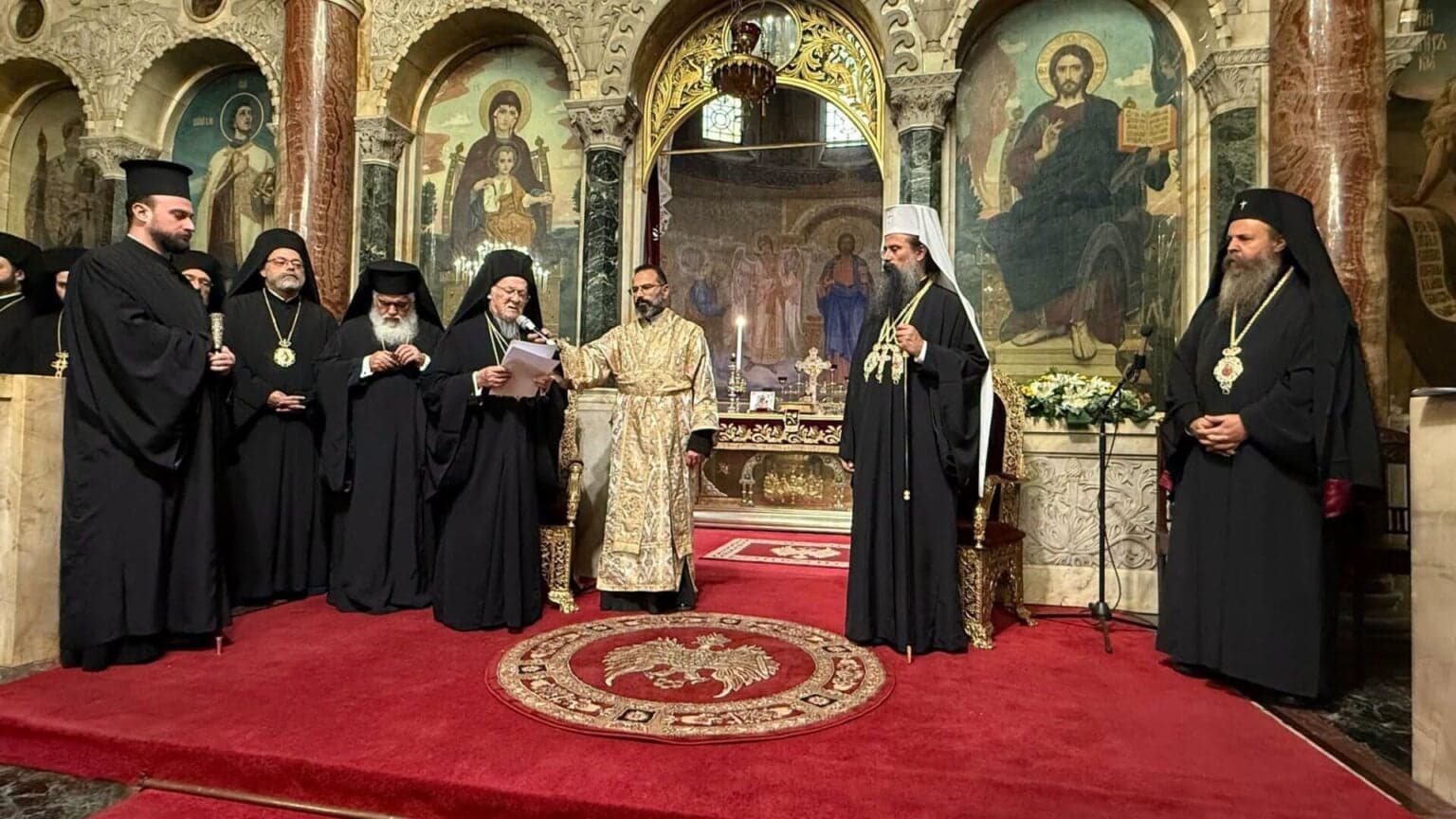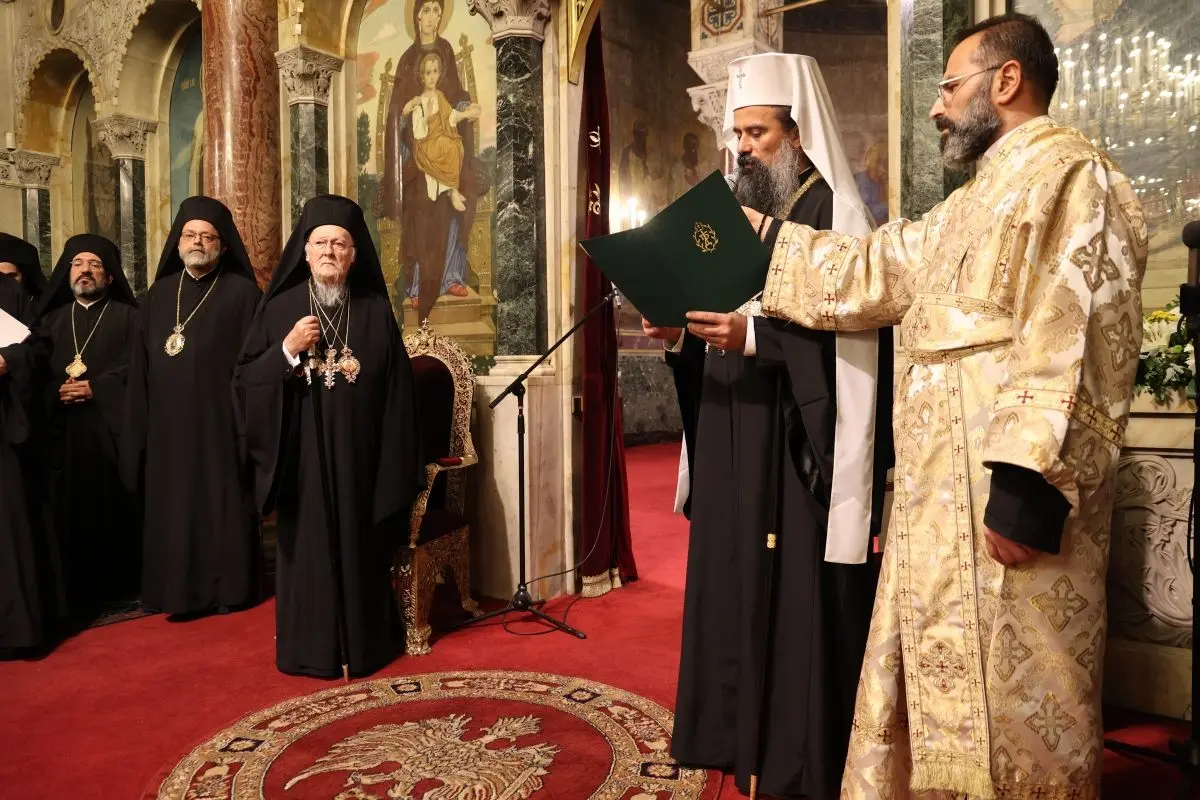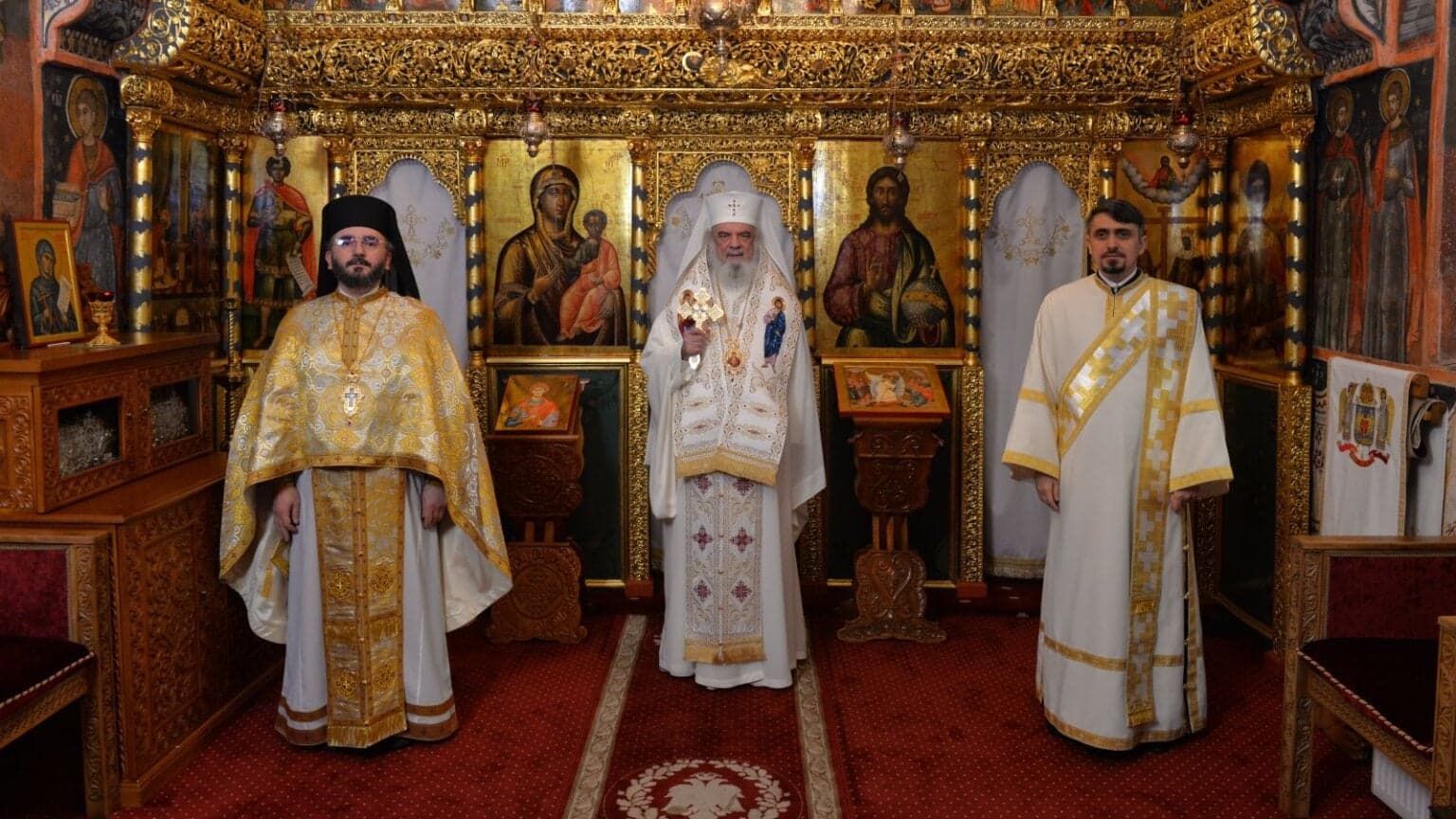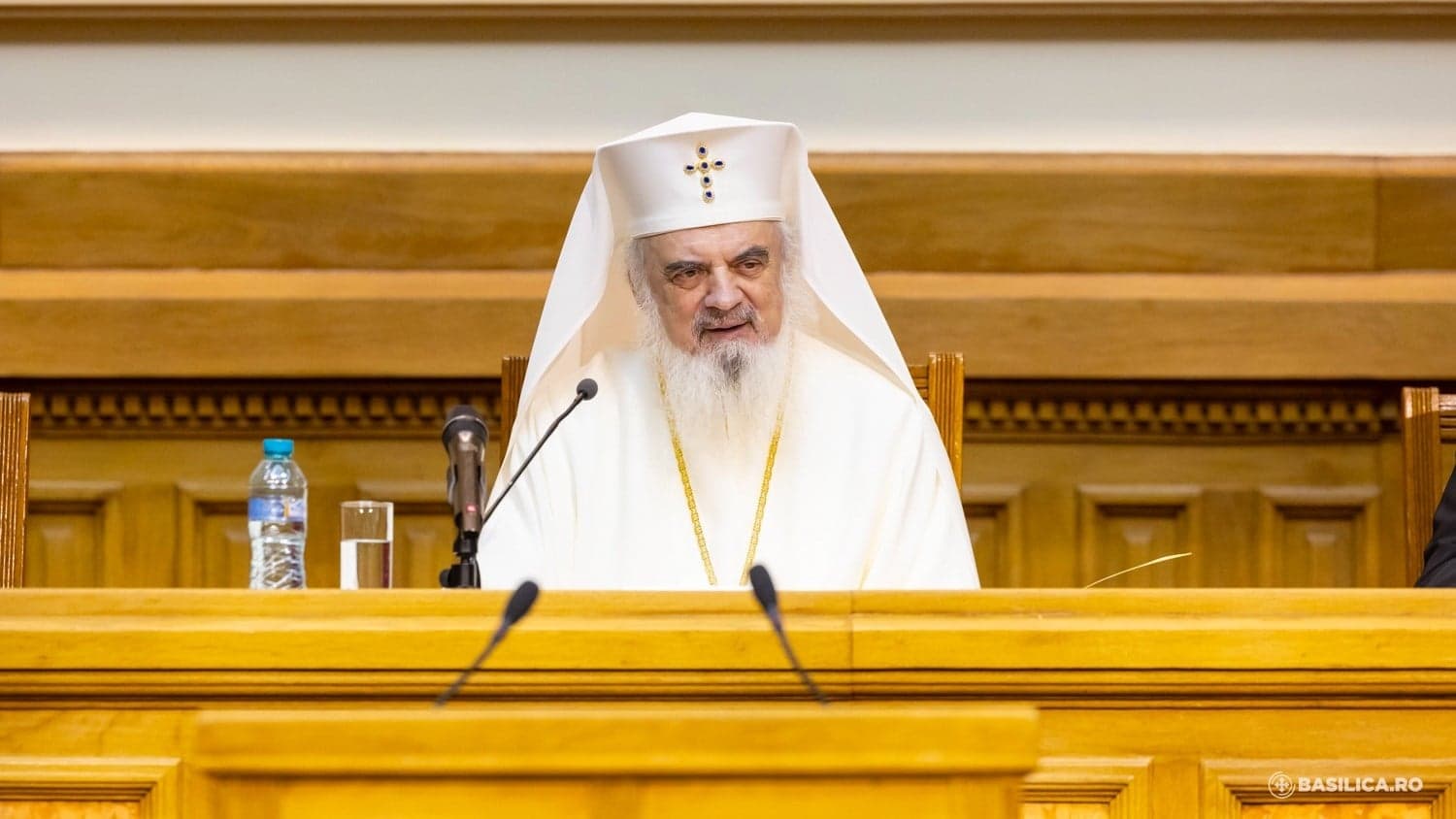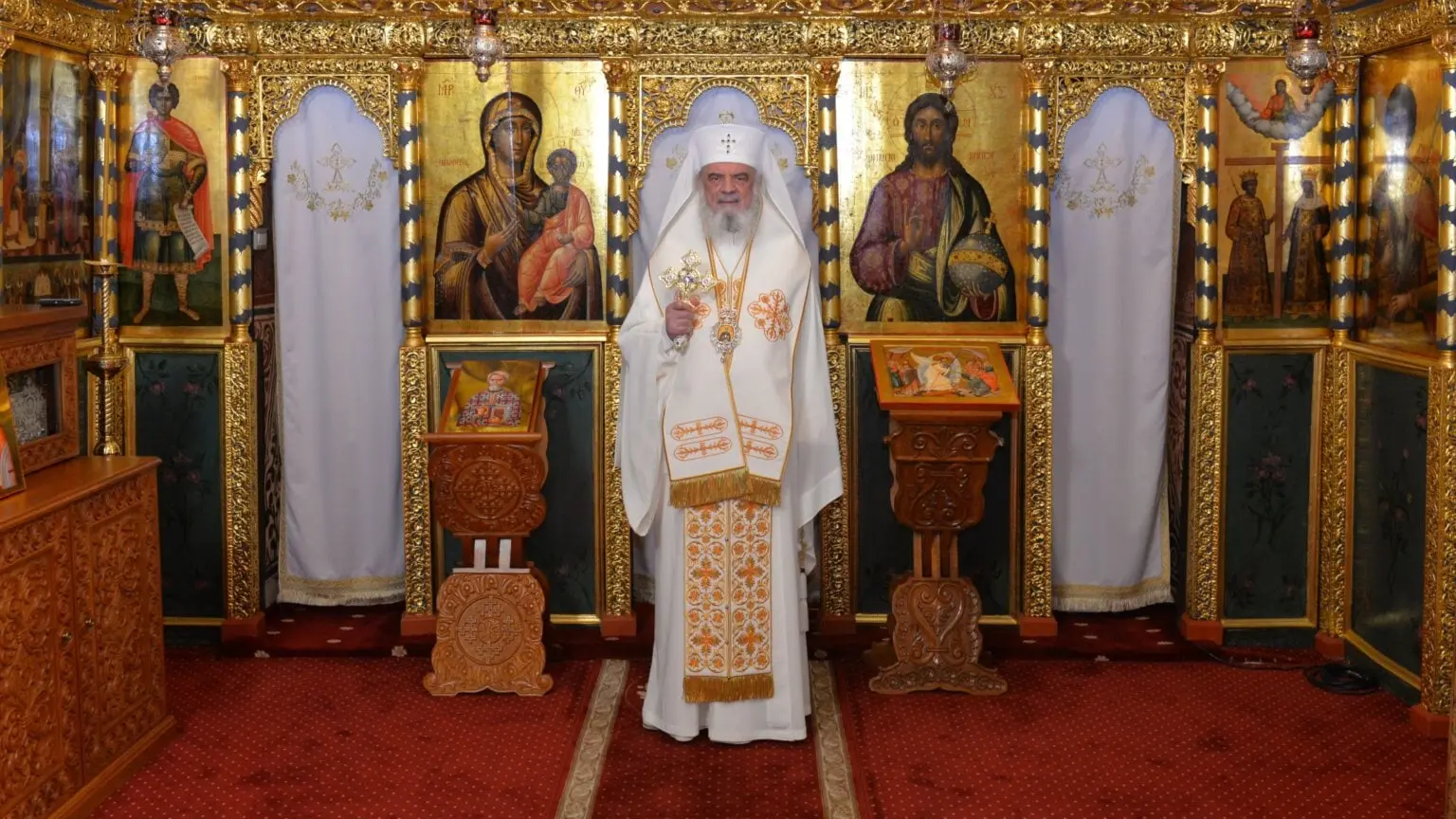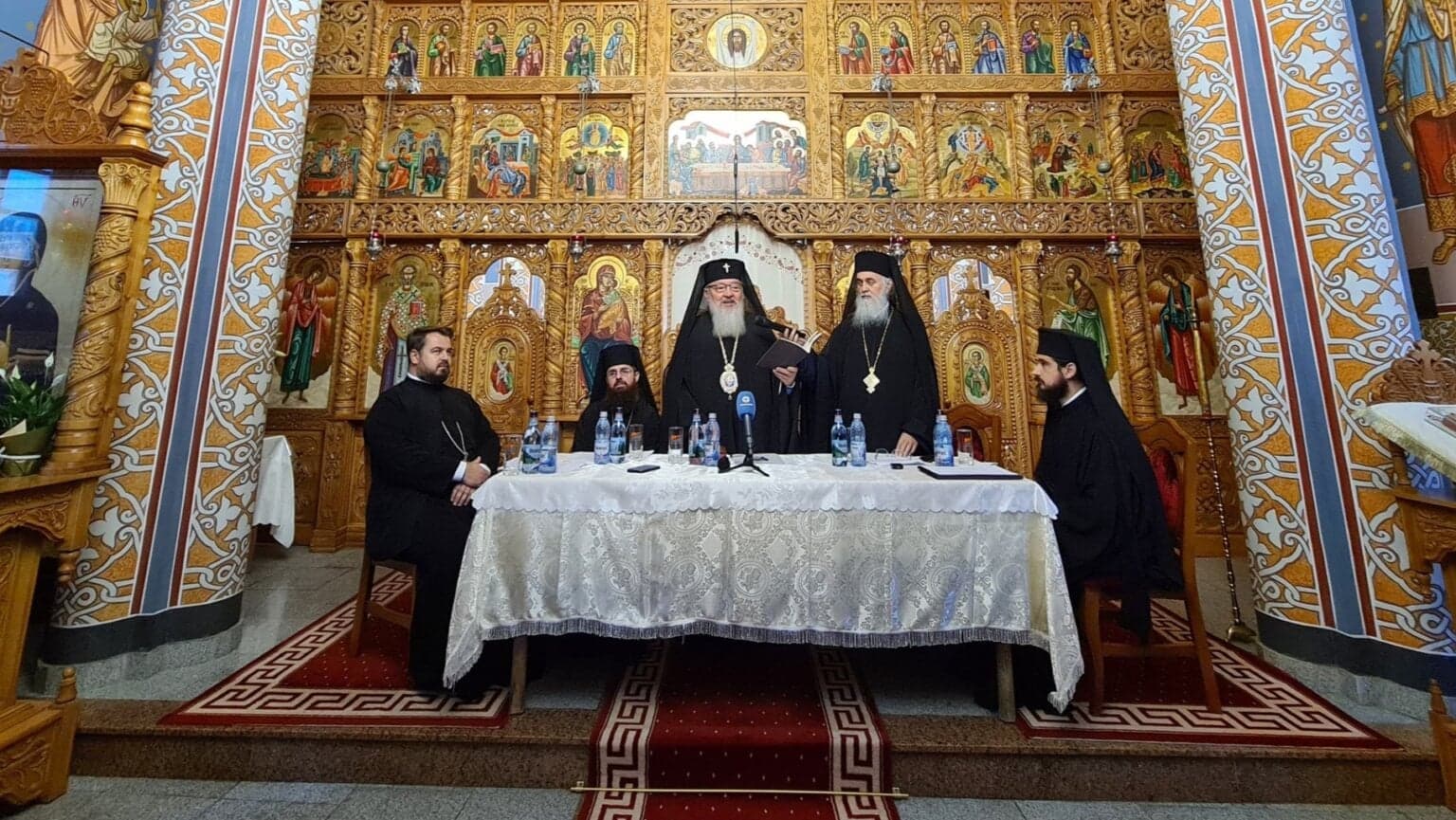
On Thursday, His Eminence Metropolitan Andrei presided over the synaxis of monastics from the Archdiocese of Vad, Feleac, and Cluj, held at the “Protection of the Mother of God” Monastery in Florești.
The gathering began with the Divine Liturgy, celebrated by Assistant Bishop Benedict of Bistrița.
In his opening address at the monastic synaxis, Metropolitan Andrei emphasized the ascetic struggle that every monk must undertake.
“To emerge victorious in our struggle, because the monk is a fighter, as St. Maximus the Confessor says: the monk is the most determined warrior in the service of the Spirit, the eminent knight of the soul. To win in a battle, in our case spiritual warfare, which often extends beyond the spiritual realm into all aspects of our life, the monk needs courage to overcome evil.”
“Courage, paradoxically, does not have its roots in indulgence but in asceticism. This is how St. Maximus the Confessor understood our monastic vocation: courage in the battle against evil, as knights of the Holy Spirit, rooted in asceticism. Asceticism does not weaken the body but rather strengthens it. We have brilliant examples before us. If we humble ourselves, as monastics should, we realize how weak and unfulfilled we are,” the hierarch explained.
His Eminence offered St. Silouan the Athonite as an example of asceticism.
“St. Silouan the Athonite was a good monk. The book left to us by St. Sophrony about his life teaches us many things, including the fact that, in this fight against evil, monks need asceticism. They must add constant prayer to that, as St. Paul says: ‘Pray without ceasing!’ When we pray, we meditate and respond to our conscience.”
Divine Liturgy
Metropolitan Andrei highlighted that monastics must prioritize the Divine Liturgy and prayer above all other duties.
“Prayer is the monastic’s primary concern: ‘Pray without ceasing.’ In the world we live in, which is becoming increasingly secularized and, I fear, secularizes us as well, we are often led to neglect, for example, the most important prayer, the Divine Liturgy,” warned Metropolitan Andrei.
“The monks of old were very rigorous and would attend to all their duties only after celebrating the Divine Liturgy. They never neglected the Divine Liturgy. Today, we often justify neglecting the Divine Liturgy by saying we have other things to do. But the prayer of prayers is the Divine Liturgy.”
“To participate properly in the Divine Liturgy, we must confess, so that we can then receive Communion.”
“Now, you might say that there are no longer great spiritual fathers. There may not be as many great spiritual fathers, but even the less famous spiritual fathers can help us prepare for the Divine Liturgy. There may be fewer great spiritual fathers, but perhaps we aren’t seeking them either. Therefore, the monk is the person who allows himself to be written with the pen of the Spirit. The knight of the Holy Spirit is first and foremost concerned with prayer and then with other duties.”
During the gathering, Hieromonk Efrem Crișan, the spiritual father of “Mihai Vodă” Monastery in Turda, gave a lecture titled “Christian Mission Supported by the Prayers and Struggles of Monks.”
Archimandrite Dumitru Cobzaru, the exarch of monasteries in the Archdiocese of Cluj, moderated the synaxis, which announced the latest decisions of the Holy Synod, as well as administrative and pastoral-missionary decisions.
The Archdiocese of Vad, Feleac, and Cluj is home to 35 monasteries and one skete, where around 300 monks and nuns reside.
Photo: Cluj Metropolis / Ionuț Chifa