Exactly 1,700 years ago, on May 20, the First Ecumenical Council (of the entire Church) was convened in Nicaea — a foundational moment in shaping Christian doctrine.
The Arian doctrine, which claimed that God the Son does not share the exact nature as God the Father, was the main reason that made a universal meeting of all bishops of the Christian Church necessary.
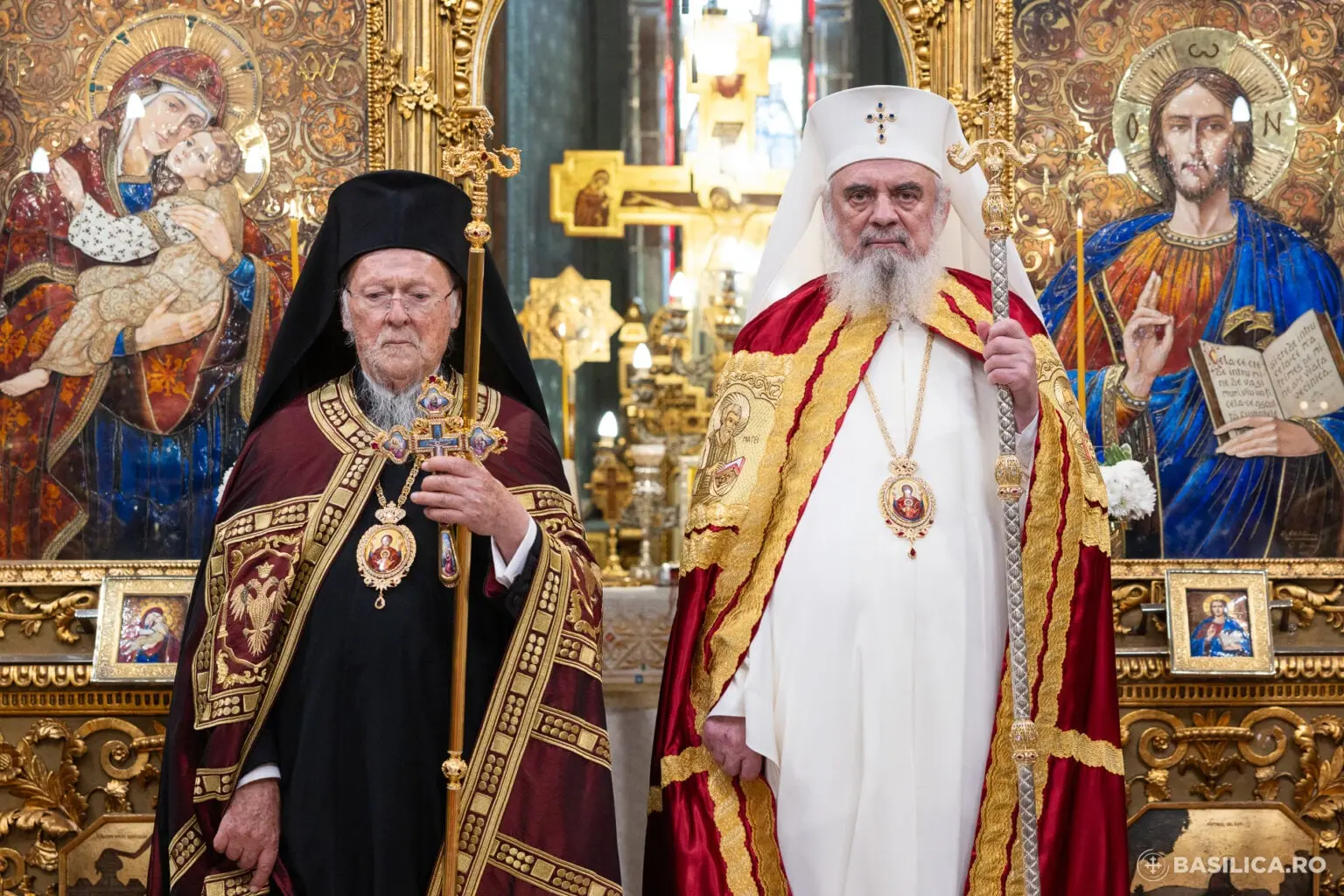
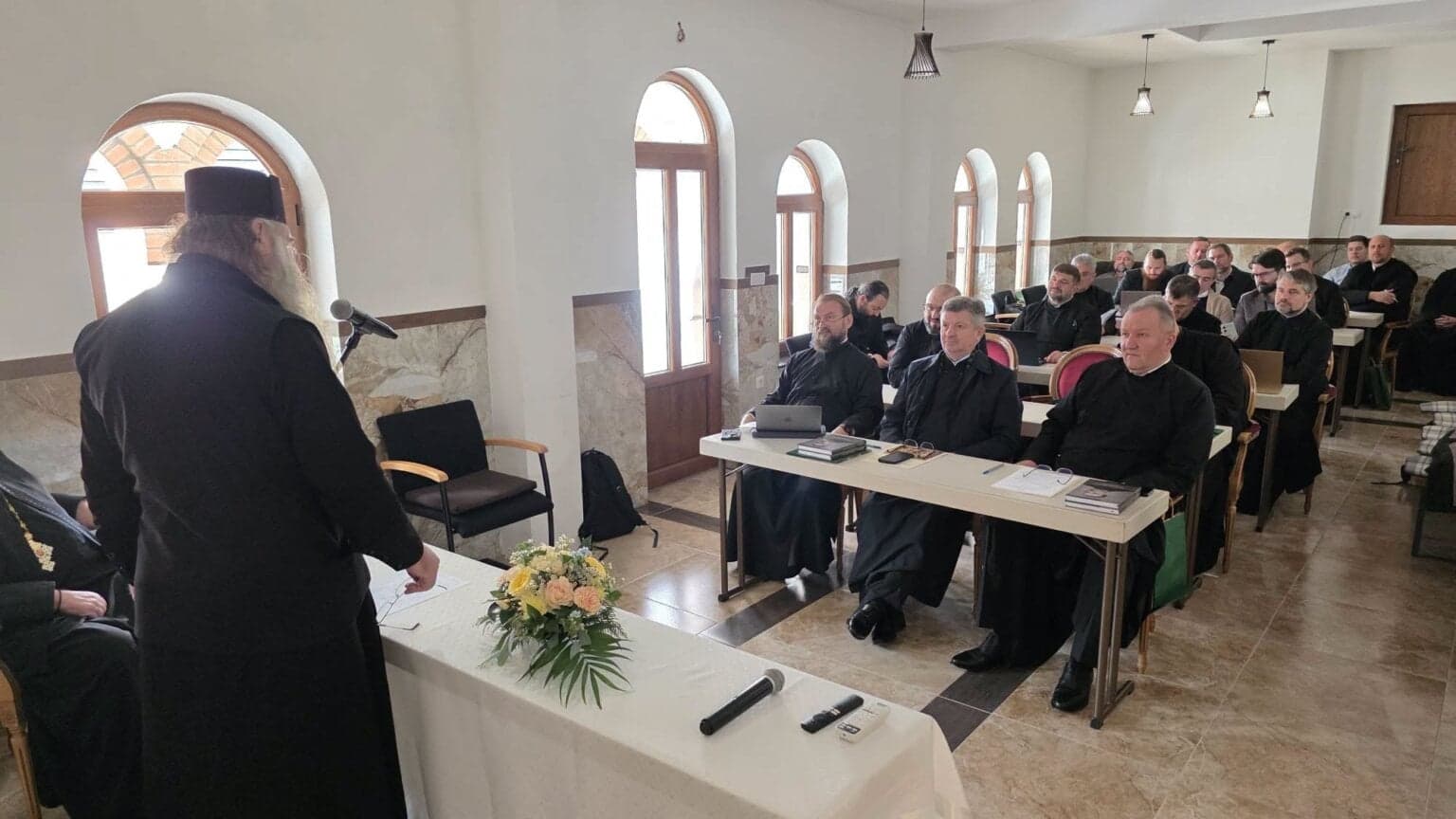
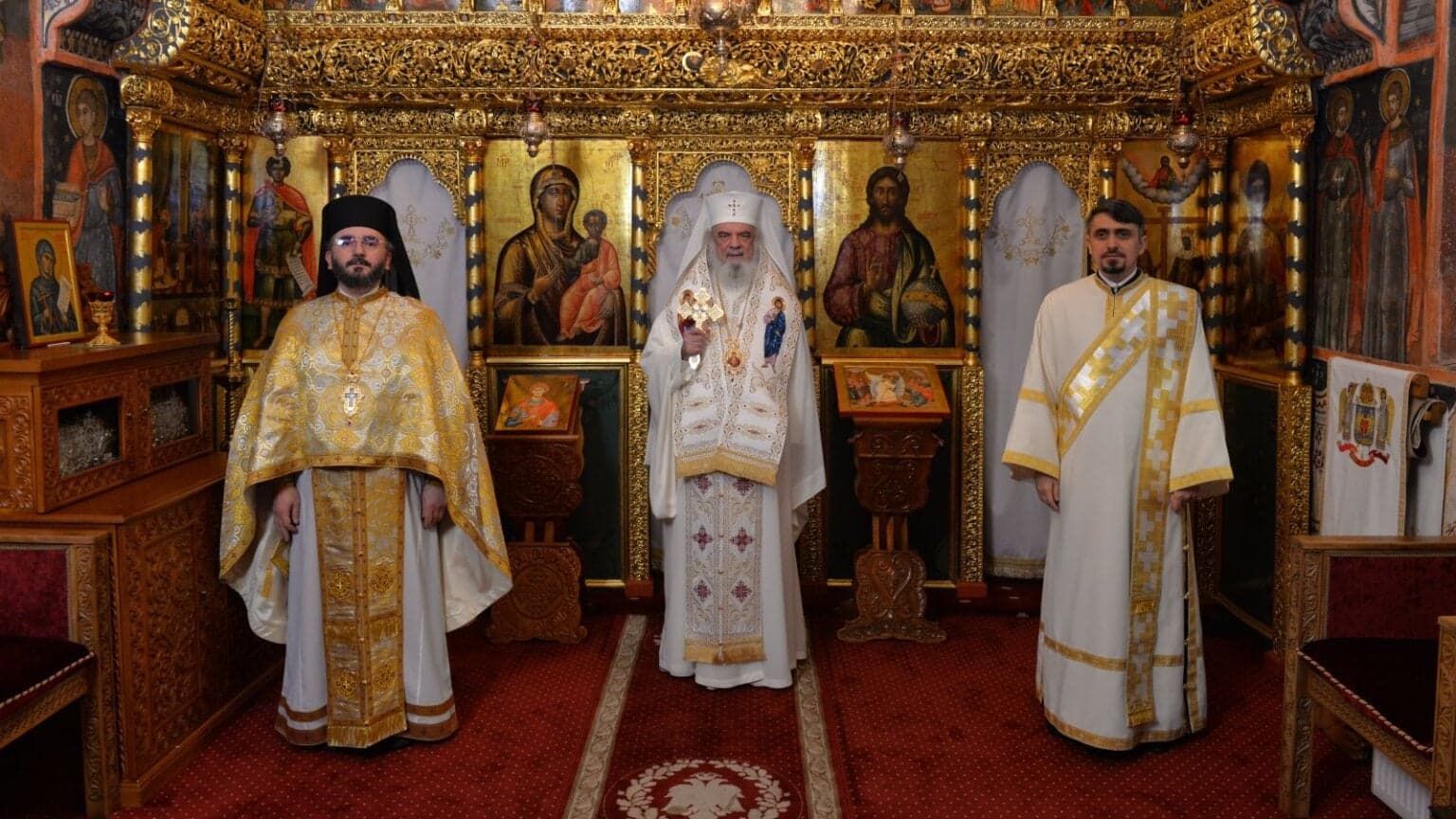
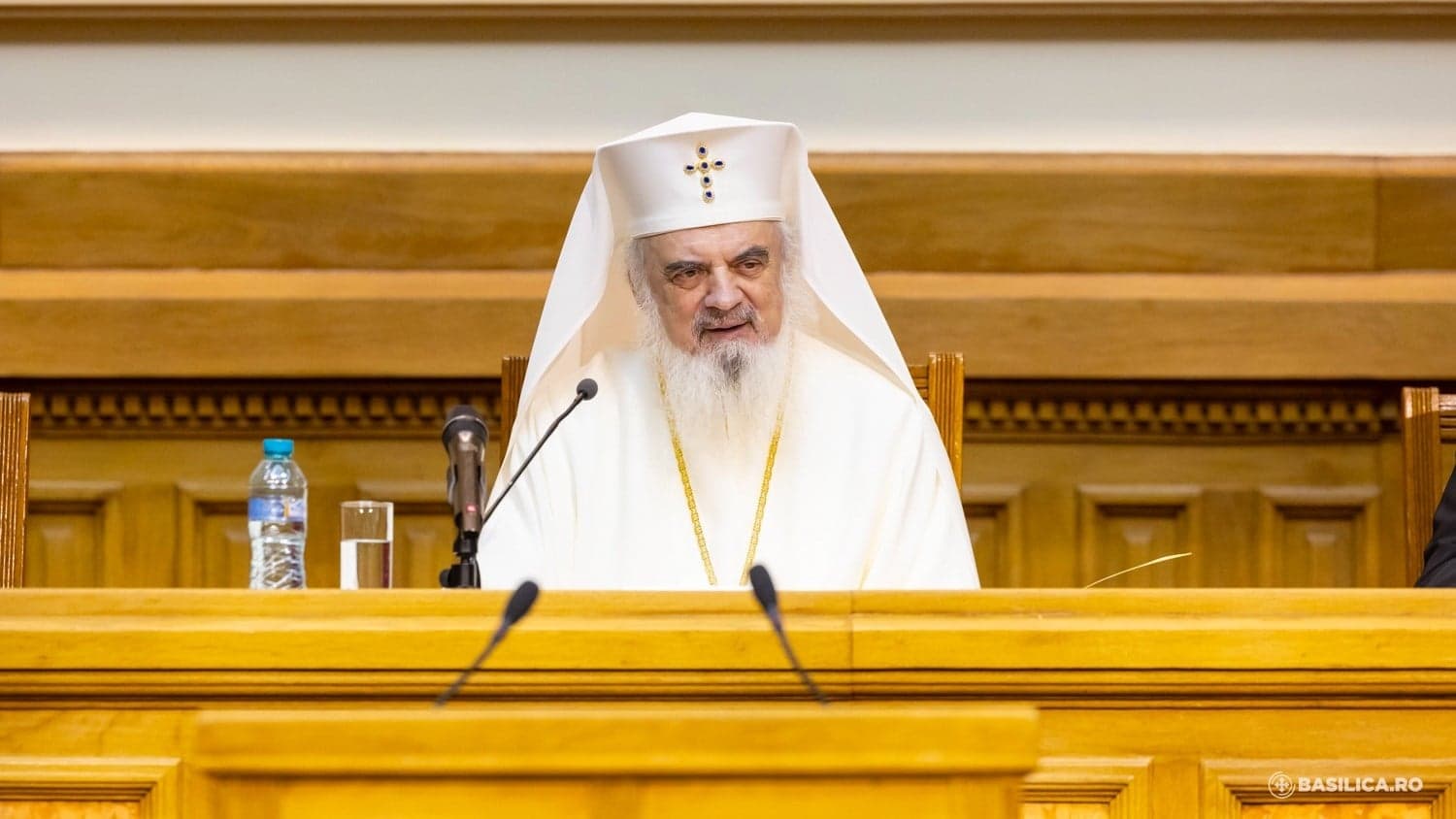
However, Patriarch Daniel explained during the international theology symposium held in Bucharest that the First Ecumenical Council of Nicaea was not merely an episode of doctrinal confrontation with the heresies of the time.
The First Council was “a fundamental and necessary step in the dogmatic formulation of the Orthodox faith and its confession as salvific truth, following three centuries of harsh persecution and hostility against Christians in the Roman Empire, and amid a context marked by intense theological controversies,” said the Patriarch of Romania.
The Council was convened by the Holy Emperor Constantine the Great, who had issued the Edict of Milan more than a decade earlier — the first official act granting Christians full of religious freedom.
Among those present at the Council were Saints Athanasius, Nicholas, Spyridon of Trimythous, and even hierarchs from the territory of present-day Romania. A total of 318 Holy Fathers participated, a number confirmed by Saint Athanasius of Alexandria.
Council Outcomes
Key outcomes of the Council of Nicaea include the condemnation of Arianism, the drafting of the first seven articles of the Nicene Creed, and the initial establishment of the method for calculating the date of Easter. The Council also addressed internal Church divisions such as the Meletian schism in Egypt and the Novatianist schism in Rome.
The Council issued 20 canons, including restrictions regarding promotions within the clergy, regulations on the election and ordination of bishops, the structure of ecclesiastical organization, and overall Church discipline.
Foundations of Church Organization
Canon 4 stipulated that all bishops in the diocese should ordain a new bishop. If that was not possible, at least three bishops, with written consent from the absent ones, were required. The ordination was to be confirmed by the metropolitan of the respective diocese.
“This ruling was extremely important,” explained Fr. Viorel Ioniță, honorary patriarchal counsellor, in Lumina Newspaper.
“With such measures, the foundations of the ecclesiastical organization into ‘dioceses’ were laid — referring at that time to the group of bishoprics within a province. The bishop of the provincial capital in the Roman Empire’s administrative system, i.e., the metropolis, held the title of ‘metropolitan’ — a title that originated then.”
Another important ruling was Canon 6, which later became the basis for the system of Pentarchy at the Fourth Ecumenical Council (Chalcedon, 451), affirming the primacy of the five apostolic patriarchal sees: Rome, Constantinople, Alexandria, Antioch, and Jerusalem.
“Canon 6 of Nicaea, issued in 325, recognized the primacy of the See of Rome, followed by Alexandria and then Antioch. Constantinople did not yet exist as such; in the old city of Byzantium, there was only a simple bishop,” Fr. Ioniță added.
Among the early canons, there was also a liturgical ruling for the life of the entire Church: Canon 20 declared that during Sundays and the weekdays of the Pentecost season — that is, from the Feast of Pascha (Easter) to the Feast of Pentecost — “prayers should not be made while kneeling.”
The commemoration of the Holy Fathers of the First Ecumenical Council takes place on the seventh Sunday after Pascha (this year, on June 1).
Photo: Lumina Newspaper