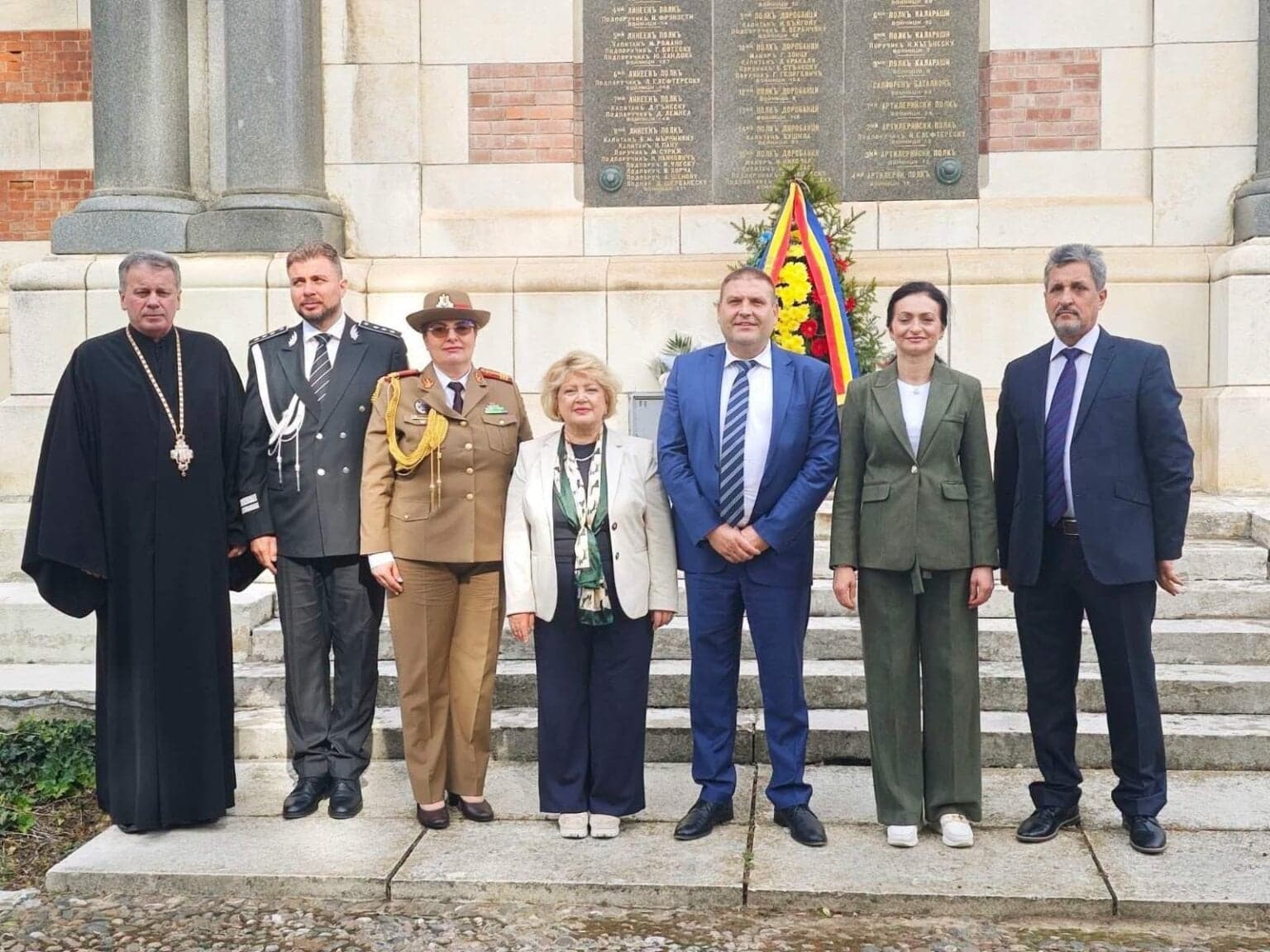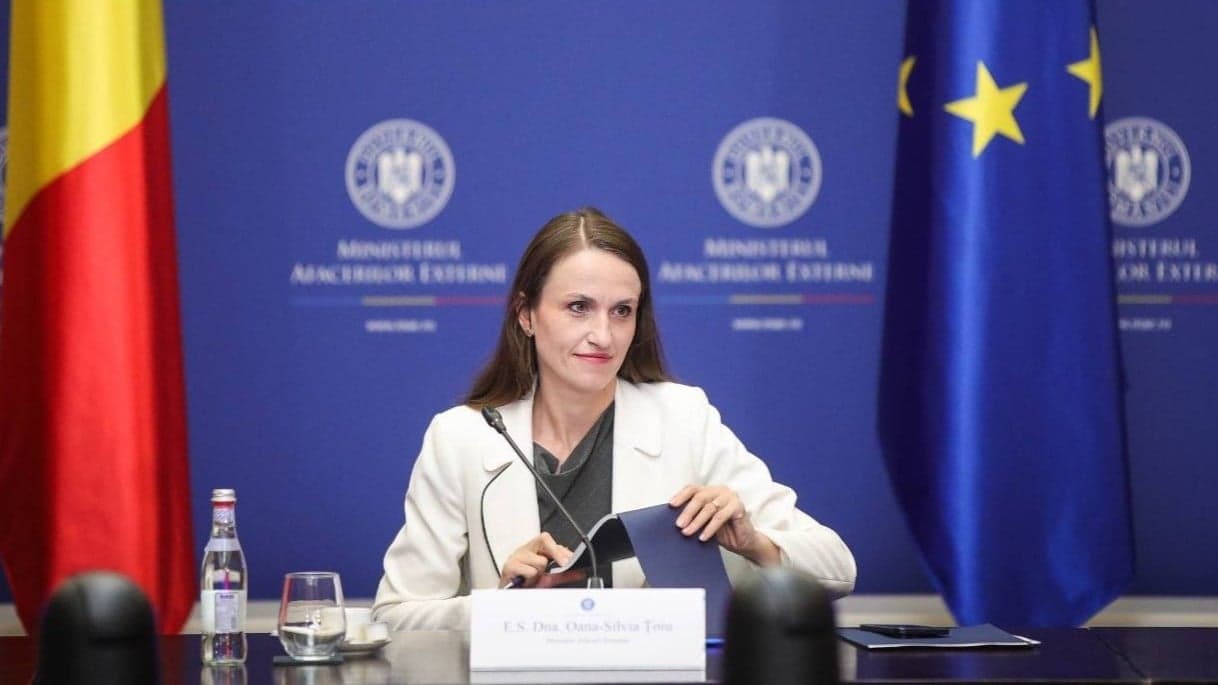
Romania’s Foreign Minister Oana Țoiu said on Wednesday that the victims of the Fântâna Albă massacre “deserve remembrance,” marking 85 years since the tragedy.
In a message posted on social media, the minister stressed that the events of April 1, 1941, remain an open wound in the collective conscience: “Not all wounds heal with the passage of time. Some require the courage to remember in order to close.”
“For too long, this tragedy was absent from Romania’s history textbooks, due to a culpable silence imposed by the communist regime. The atrocious crimes of the Soviet period—crimes against Romanians—cannot be forgotten, because a strong state is built on an assumed collective memory,” she said.
Lessons Still Relevant Today
Țoiu highlighted the continued relevance of the tragedy’s lessons: “The lessons of the Fântâna Albă massacre are, unfortunately, extremely relevant today. They remind us why we continue to fight for a Europe of values and for the right of every nation to decide its own destiny.”
“Falsifying or ignoring history is an insult to the victims, and failing to confront the past encourages perpetrators to commit new crimes,” she warned.
The minister also referred to a recent film by Romanian director Tudor Giurgiu, The Spruce Forest, dedicated to the victims of the massacre, describing it as “more than an artistic act—it is an act of moral reparation.”
Honouring Their Memory
Țoiu called for acknowledging the past and honouring the victims: “We honour today the dignity of the victims, because preserving their memory is the duty of those who oppose the repetition of history.”
Wednesday marked 85 years since the Fântâna Albă massacre—often referred to as the “Romanian Katyn”—when between 3,000 and 5,000 people were systematically killed while attempting to cross the border peacefully into Romania.
Each year, memorial services are held both at Putna Monastery and at the monument in Fântâna Albă, now located in Ukraine.
Photo: Facebook / Oana Țoiu