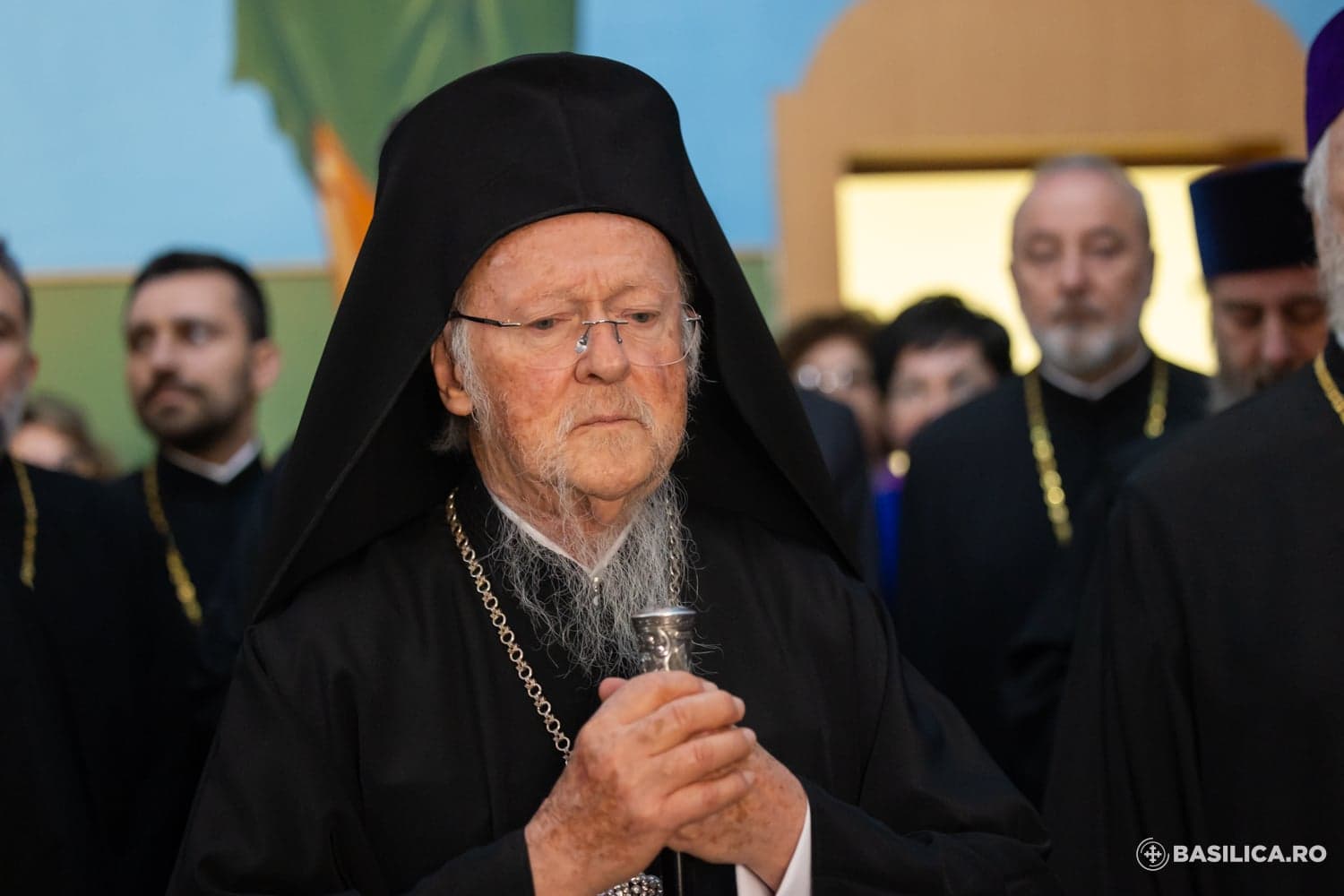
Ecumenical Patriarch Bartholomew I said euthanasia is “one of the most delicate and complex contemporary issues our societies are called to confront,” speaking last week at an international conference held at the Phanar.
The conference, titled “Good Living – Decisions at the End of Life,” took place on December 19–20 under the auspices of the Ecumenical Patriarchate and was organised by the Laboratory of Applied Philosophy of the Faculty of Philosophy at the National and Kapodistrian University of Athens.
In his opening address, Patriarch Bartholomew stressed that the Church’s position on such matters must always be expressed “with pastoral sensitivity and not through generalisations or in a legalistic spirit.”
Death must not be hastened
The Ecumenical Patriarch reaffirmed that human life possesses an inherent spiritual dignity, noting that, according to the Church’s teaching, “there are no limits to the spiritual dignity of the human person, regardless of the extent to which the body or mind may have been affected by the passage of time.”
Referring to suicide, he recalled that it is described as “a tragedy” and “a profound offence against the dignity of the human person,” stressing that it “can never be regarded as a permissible solution to worldly suffering.”
At the same time, based on pastoral oikonomia, he said that “the full funeral service should not, in principle, be excluded” for those who find themselves in such circumstances.
Death should not inspire fear
Turning specifically to euthanasia, Patriarch Bartholomew emphasised that “even in the case of persons suffering from severe illnesses, death must not be hastened,” describing euthanasia as “a practice foreign to the Christian understanding of life.”
He clarified that “it is entirely permissible for persons approaching death to refuse extraordinary medical treatments and technologies that artificially prolong bodily life,” adding that “it cannot be a Christian duty to prolong the suffering of the body out of fear of an inevitable end.”
For Christians who “await the resurrection of the dead and the life of the age to come,” the Patriarch concluded, death “in the grace of God should not inspire fear,” since the human being is not a “being-towards-death,” but a “being-towards-life.”
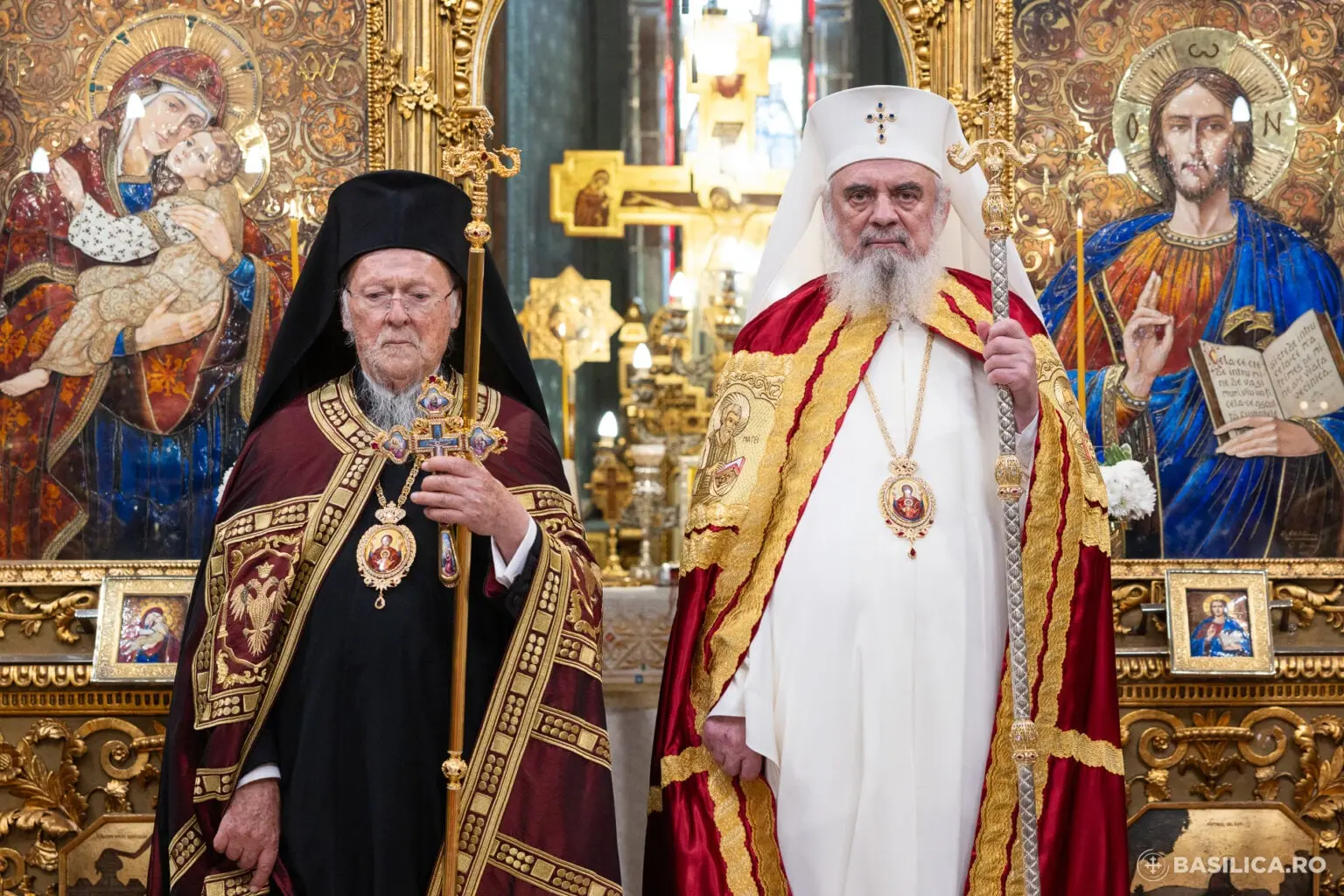
Photo: Basilica.ro / Mircea Florescu