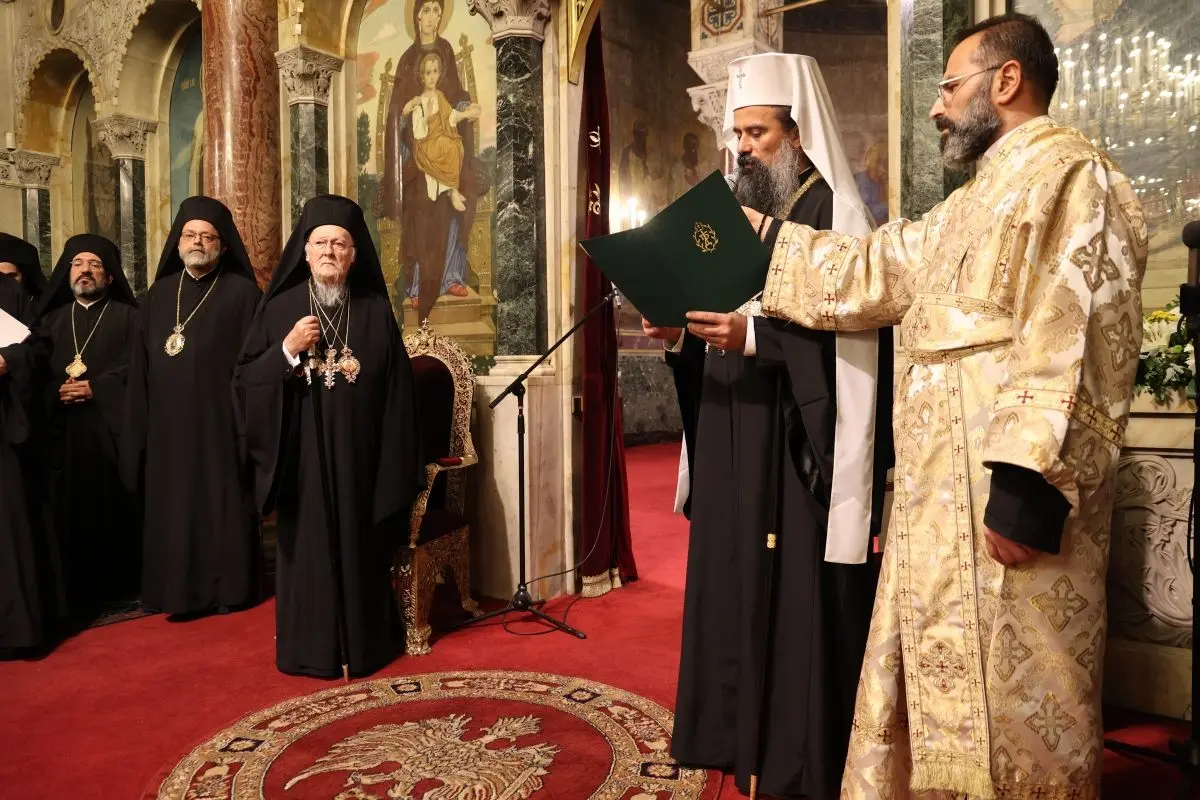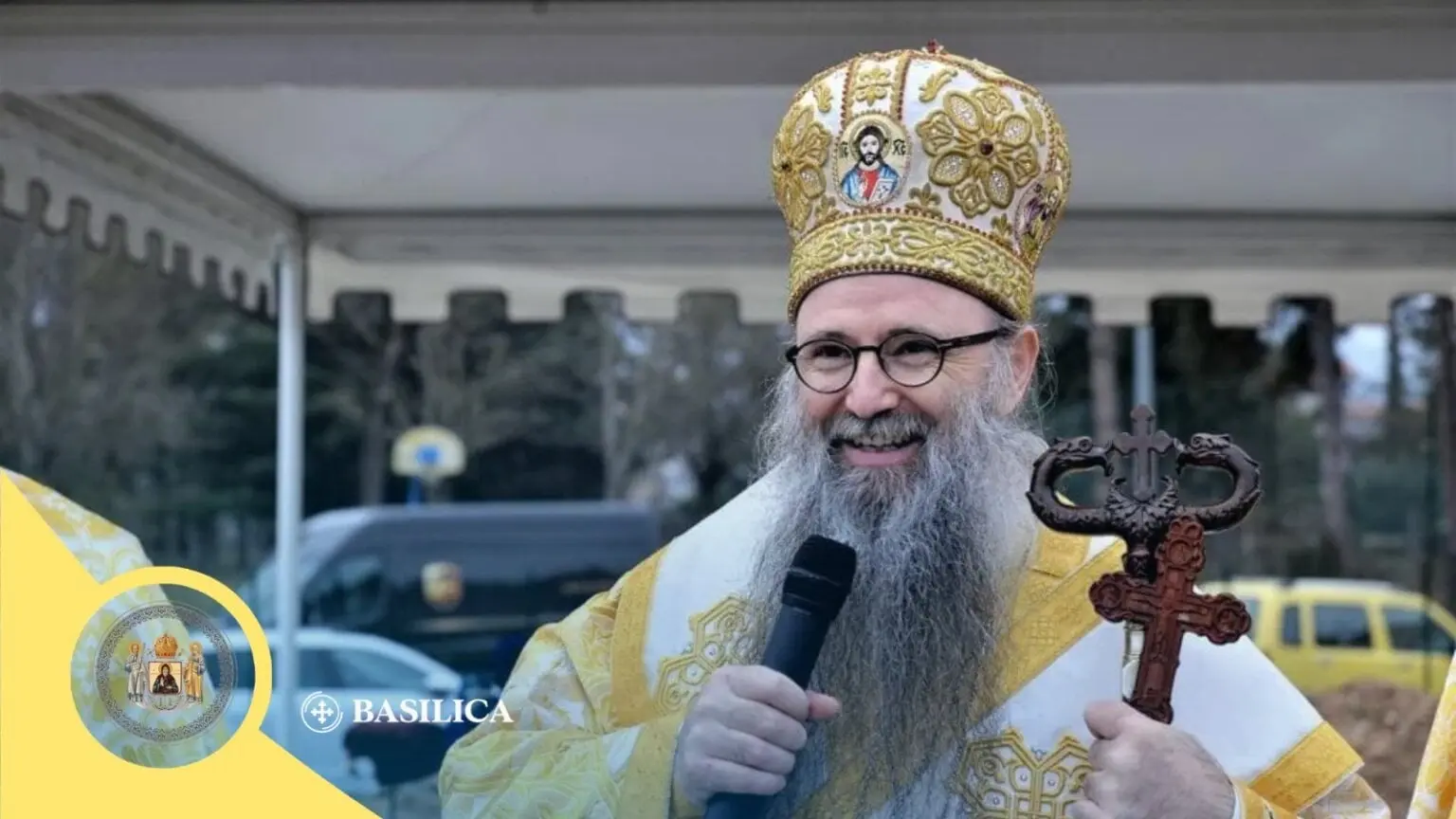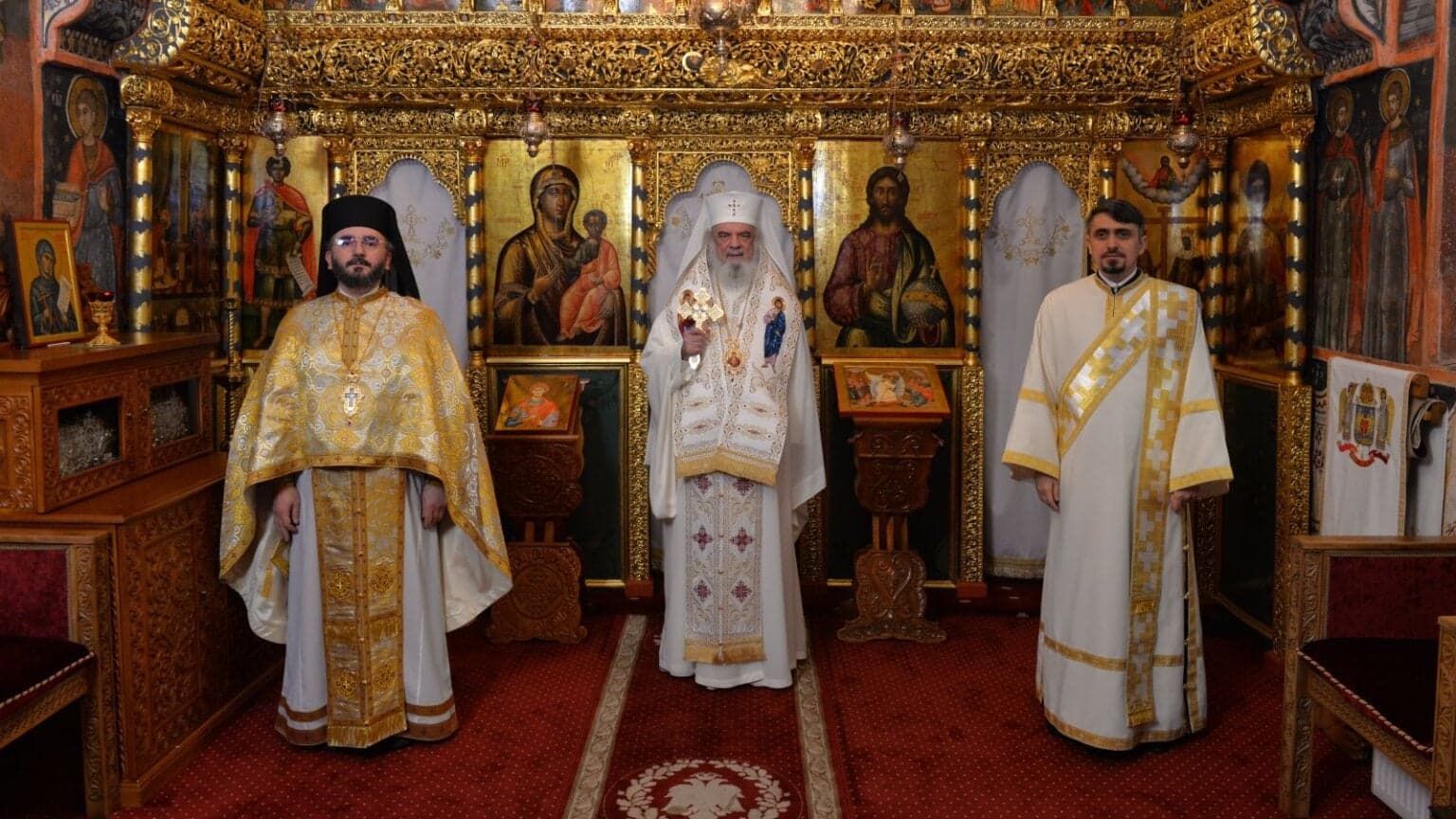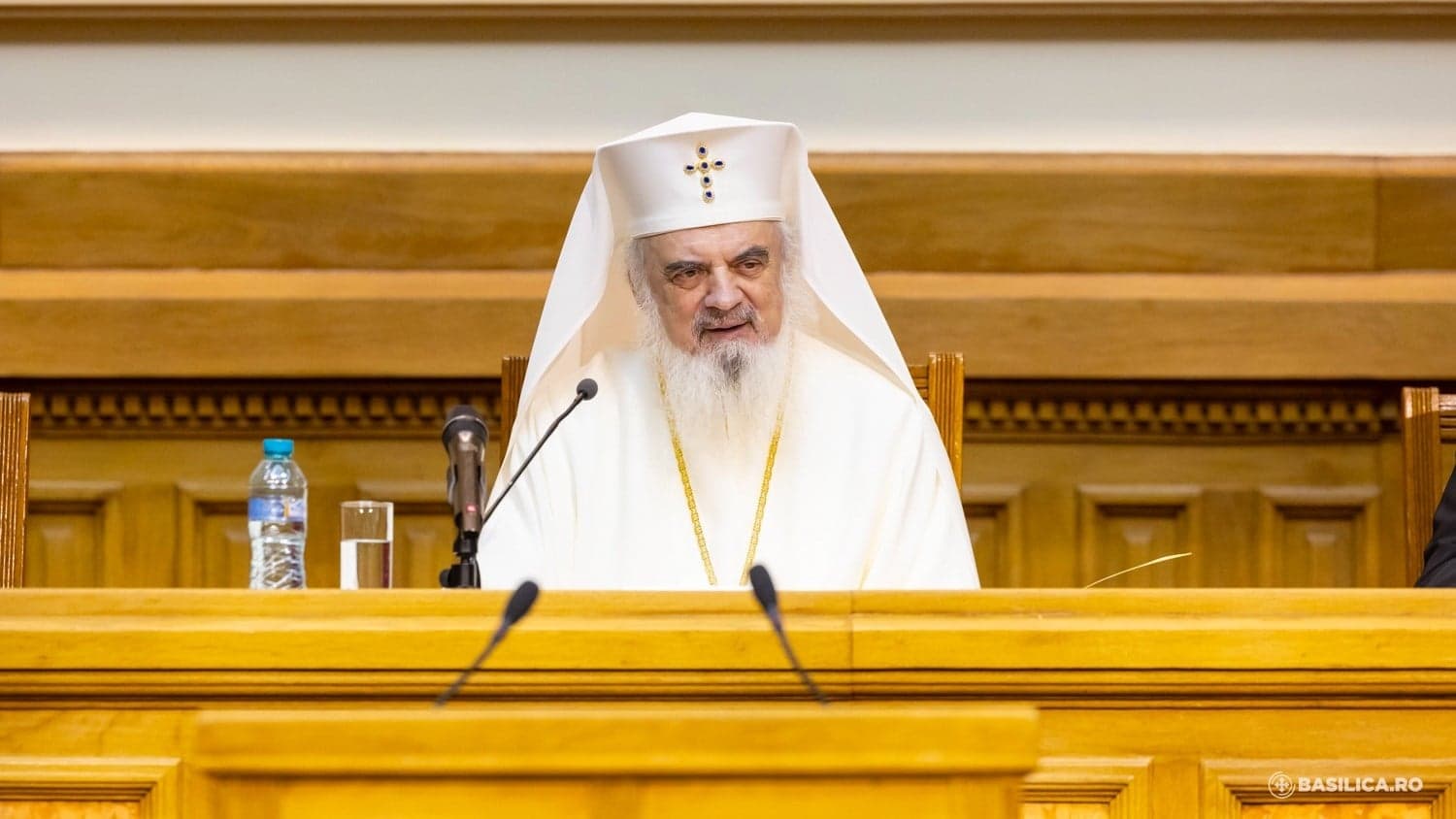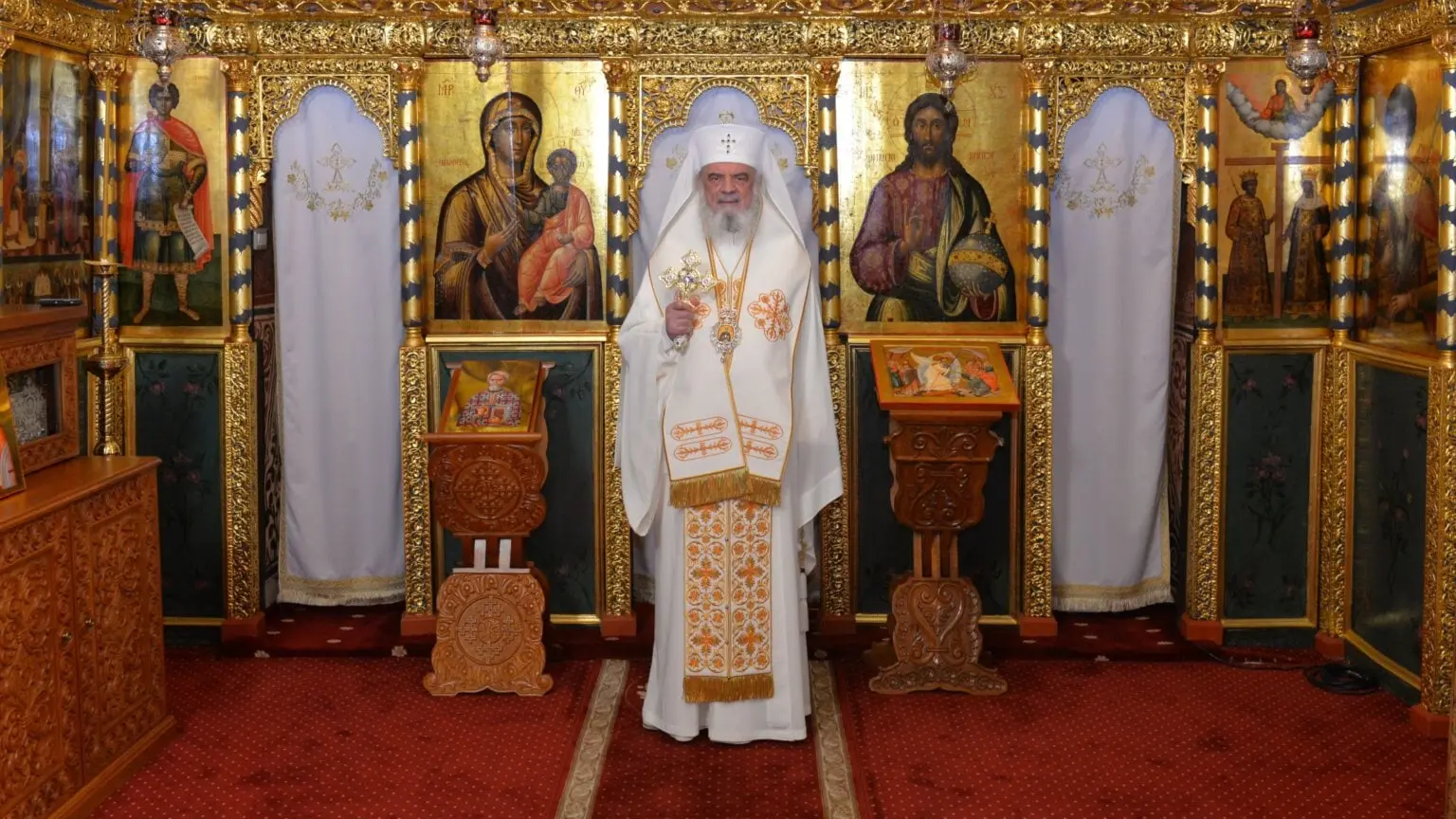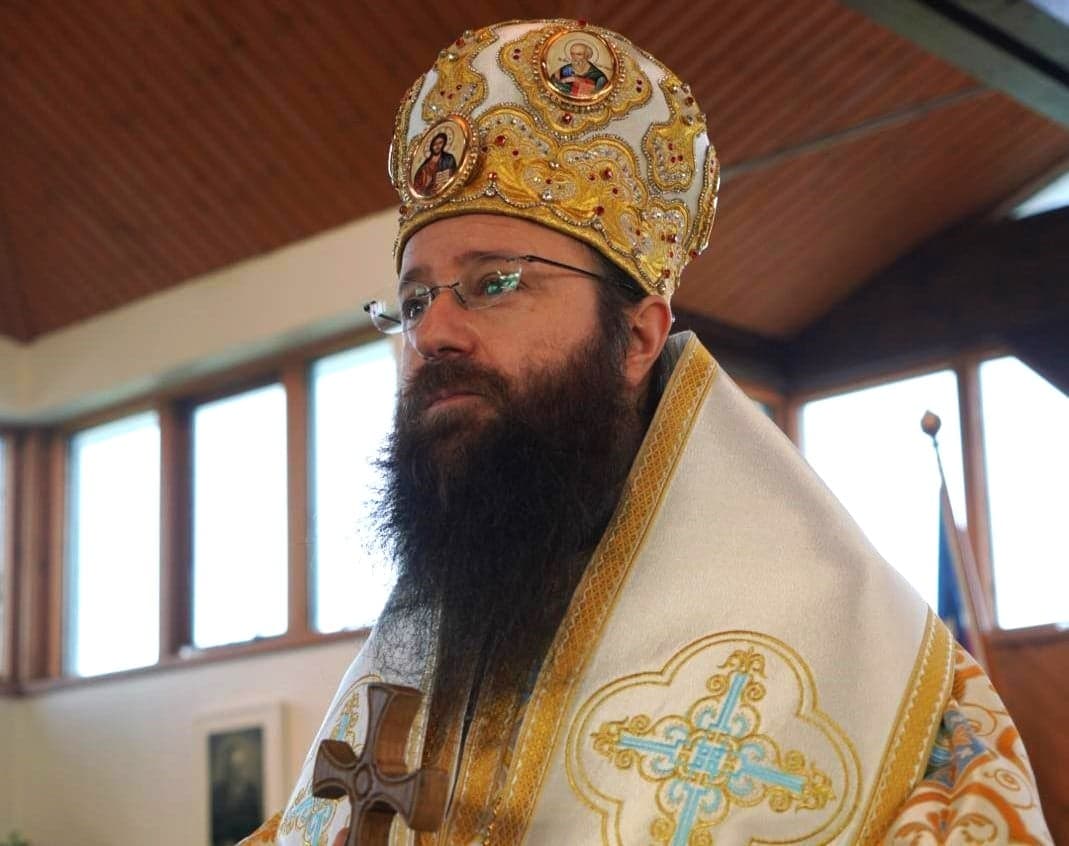
Bishop Nectarie of the Romanian Orthodox Diocese of Ireland and Iceland underscored the need for inner change and the rediscovery of spiritual purity in the face of contemporary challenges in his first Christmas pastoral letter since his enthronement.
“Our renewal begins today — a perpetual today — for before the Lord there is no yesterday, through the Holy Mystery of Confession, nor tomorrow, since tomorrow may be the most uncertain event of our lives,” Bishop Nectarie of Ireland and Iceland said in his encyclical.
The hierarch explained that God’s coming into the world is the very purpose of raising humanity to heaven. The Son of God became a sharer in human nature, becoming “a partaker of our own substance,” without any change to His divinity.
“Christ the Lord saw the light of day like any other newborn child — something seemingly ordinary at first glance, yet one that fundamentally changed the course of human history, because the Saviour Christ was not a mere man, but true God and true Man,” Bishop Nectarie noted.
A perpetual “today” of renewal
Human transformation is made possible through humility, the Bishop noted, recalling that Christ revealed Himself to the world in the frailty of an infant, laid in a manger.
Christ clothed Himself in the garment of humility precisely to reveal the inner power of this virtue, one capable of embracing all creation.
“It is this all-embracing love-humility that the prophet also has in mind when he says: ‘In the midst of two living creatures You shall be revealed, when the years are fulfilled’ (Habakkuk 3:2). According to traditional exegesis, the two living creatures refer to the ox and the donkey beside the manger, or symbolically to the thief on the right and the one on the left,” he added.
Beyond the logic of consumer society
The Bishop went on to warn that contemporary attitudes increasingly empty the feast of its mystical meaning.
Bishop Nectarie stressed that where God so wills, the order of nature is overcome — something that requires stepping outside the logic of a society that emphasises celebration rather than the One being celebrated.
“Our relationship with God is not, and never will be, mercantile, commercial or based on merit. Through it is expressed the real, incarnate, tangible love of our Father. ‘Where God wills, the order of nature is overcome,’ says the hymn — meaning that we step outside the logic of this world, of a society that places the emphasis not on the One celebrated — Christ the Lord — but on the celebration itself, attractively dressed in a pietistic garment and, often, merely a culinary one,” the hierarch wrote.
The solution he proposed for resisting this spirit of the age is a conscious effort to live a Christian life through prayer, participation in the Divine Liturgy, and the reception of the Body and Blood of the Saviour.
“Faced with this spirit, this mentality, we can do nothing other than strive to live as Christians — by fasting, praying, participating in and living the Divine Liturgy, coming to the Holy Mystery of Confession, and receiving, according to our unworthiness, the Body and Blood of the Saviour, for the forgiveness of sins and for eternal life,” he added.
Childhood as a model of innocence
The Feast of the Nativity of the Lord, the Bishop underscored, also calls to mind childhood — the age of innocence. Referring to the Holy Fathers, Bishop Nectarie noted that childhood is free from lawlessness, greed and deceit.
“Childhood is the age, as we say, of innocence, of a spiritual purity that we adults long for and strive, through the Holy Mystery of Confession, to regain,” he stressed.
Thus, childhood remains the age of innocence that adults must continually seek to recover through the Mystery of Confession.
Photo: Diocese of Ireland and Iceland