His Grace Bishop Macarie Drăgoi of Northern Europe has offered seven pastoral guidelines for spiritual renewal during Great Lent, urging the faithful to turn the fasting season into a time of reconciliation with God and neighbour, and of concrete solidarity with those who suffer.
Ascetic struggle during Lent
The bishop called believers to embrace ascetic effort, highlighting the inner tension between bodily desires and the aspirations of the soul.
“The body is flesh and wants flesh. The soul is heaven and longs for heaven! When we practice asceticism, we feel deep within a tension, an inner struggle: the body seeks pleasure, comfort and indulgence; the soul yearns for peace, purity, light and communion with God.”
He recalled the words of St. Paul in the Epistle to the Galatians: “For the flesh lusts against the Spirit, and the Spirit against the flesh” (Galatians 5:17).
Encountering God
Bishop Macarie stressed the importance of prayer, describing it as that which “cleanses the mind, softens the heart and warms the soul, lifting us up and uniting us with God.”
In preparation for the Great Feast of the Resurrection, he underlined that spiritual reading of Holy Scripture, sincere confession and Eucharistic communion are essential paths toward encountering God.
“If the body feels the absence of its usual food, the soul needs substantial nourishment. The daily reading of Holy Scripture and spiritual books renews and strengthens us inwardly.”
“When we confess and receive forgiveness, we are conscious that we stand before God, not merely before a man, for the confessor is the witness and representative of the Lord.”
He further urged the faithful:
“Let us participate in the Divine Liturgy with fervent desire and inner preparation, receiving the Body and Blood of the Savior and allowing ourselves to be fully permeated by His presence.”
Fasting in today’s world
Addressing contemporary challenges, the bishop encouraged philanthropy and reconciliation, calling believers to overcome resentment and extend compassion beyond their immediate circles.
“Fasting calls us to step out of selfishness and embrace in our hearts not only those close to us, but all our neighbours — including those who have wronged us or harmed us.”
He concluded with a warning about what he termed “digital dissipation” and social agitation, urging discernment in the face of online pressures:
“Let us not be absorbed by the constant stream of disputes and conflicts, nor allow ourselves to be caught in the nets of the digital world.”
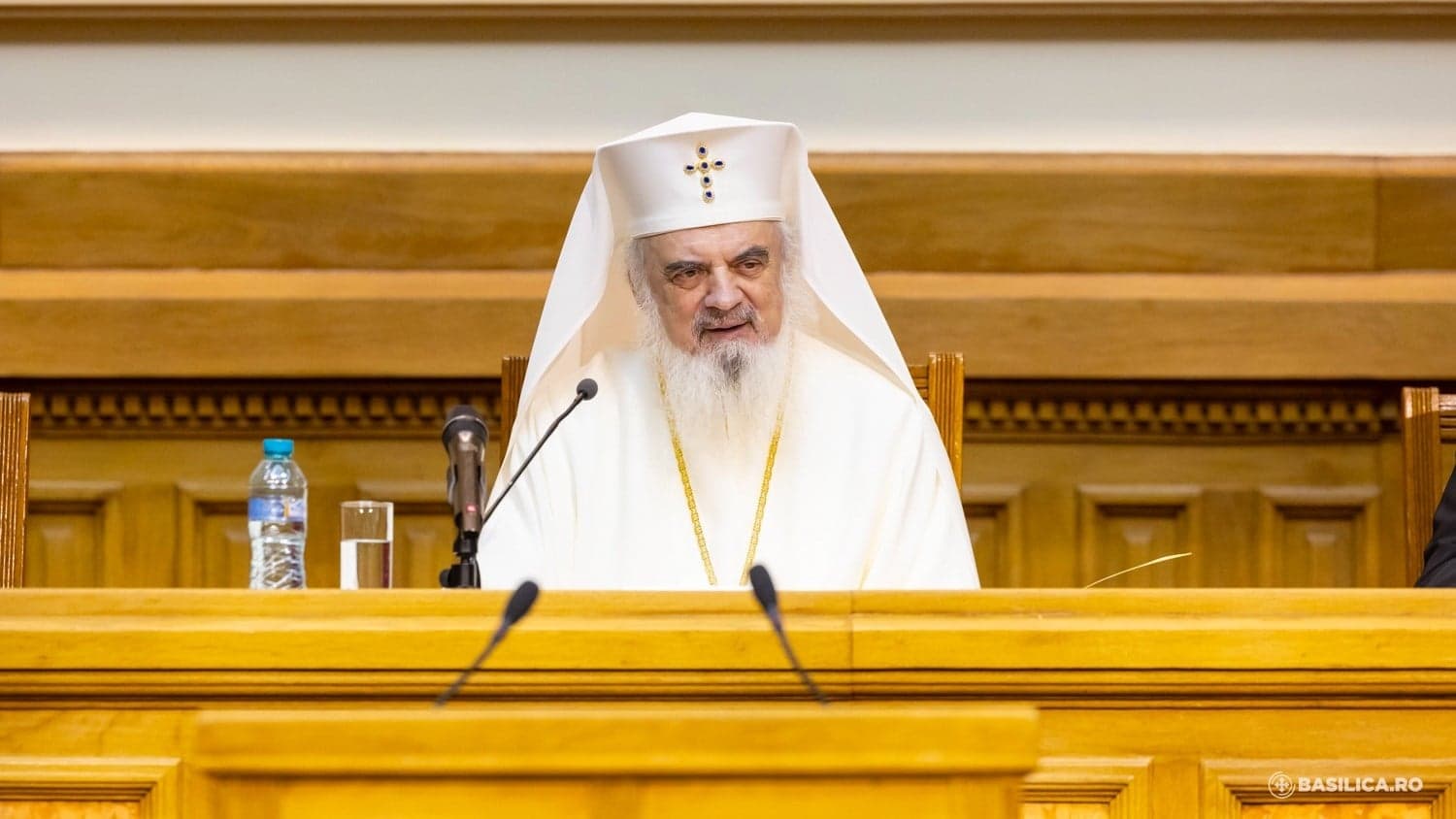
Photo: Basilica.ro / Raluca-Emanuela Ene