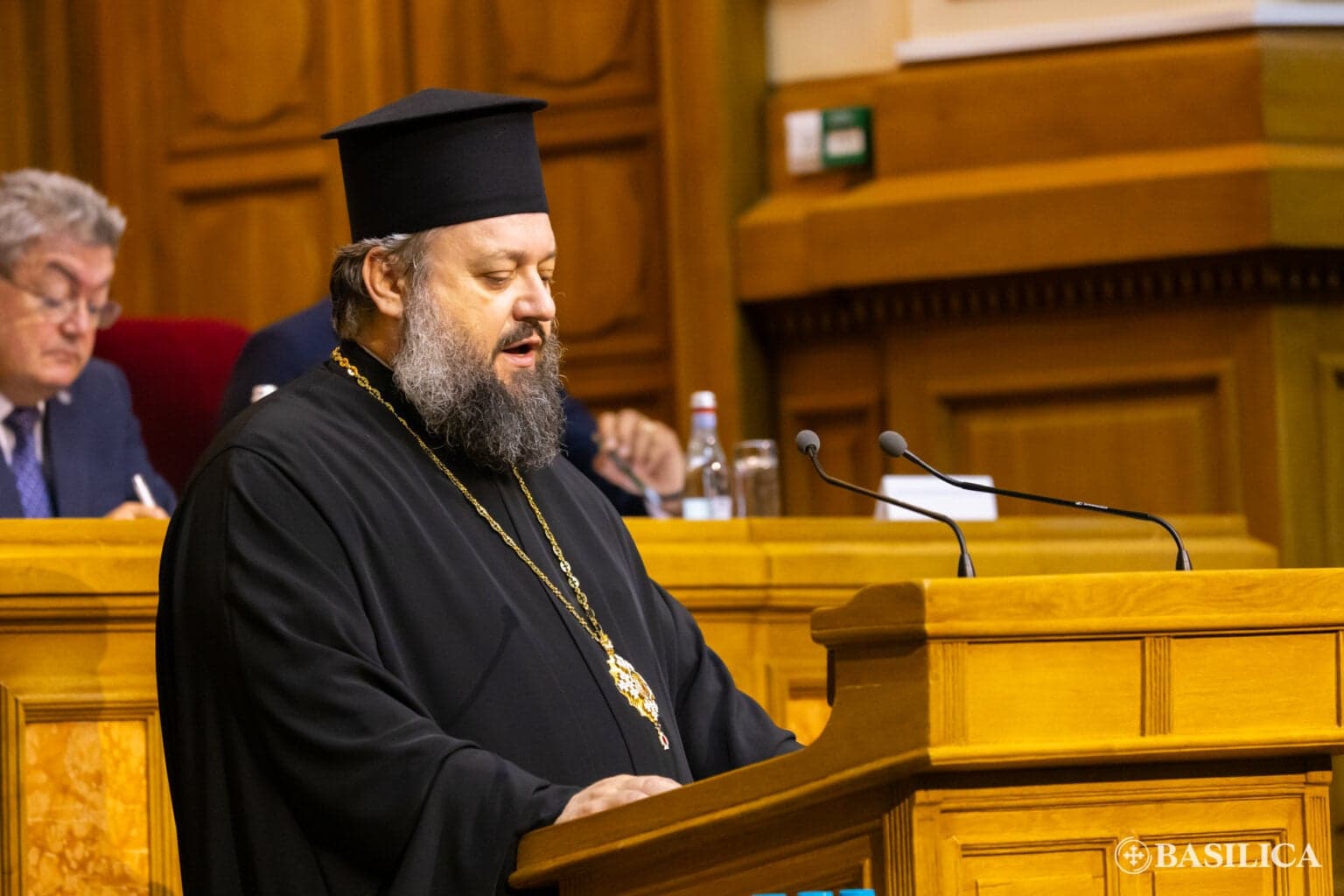
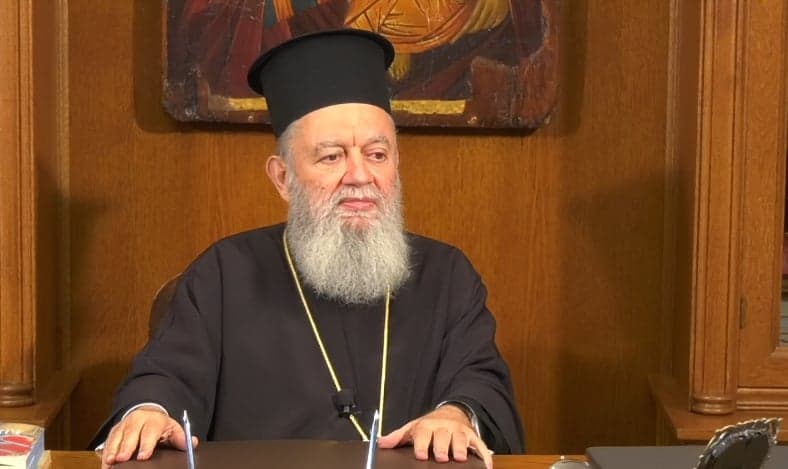
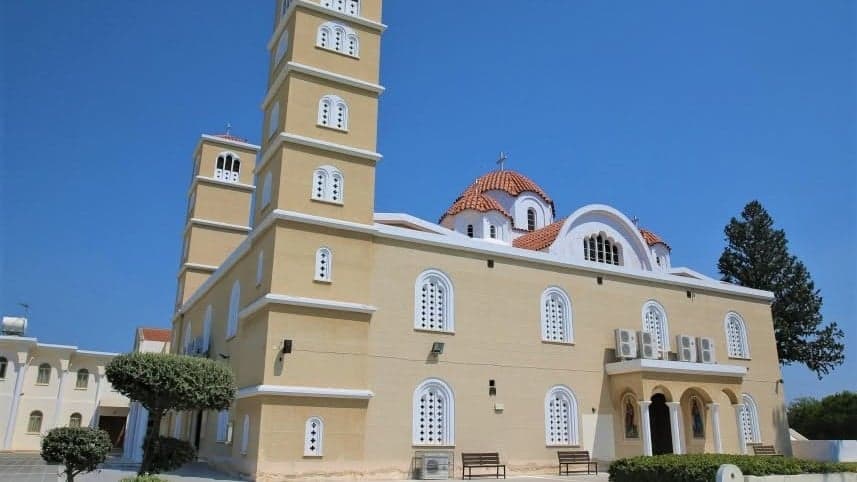
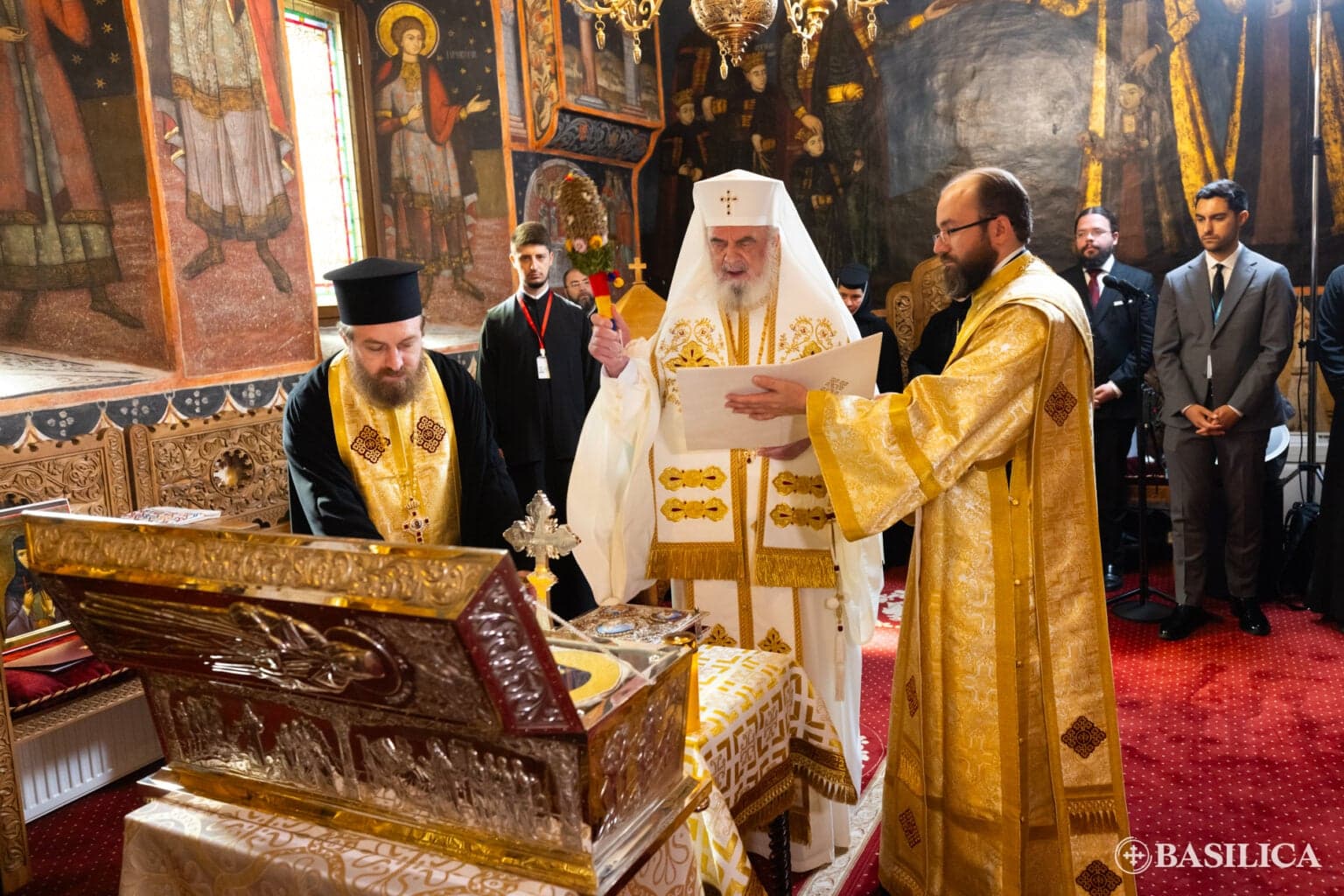
Bishop Ignatie of Huși celebrated the Divine Liturgy on Sunday at the Church of the Dormition of the Mother of God in Brașov’s Council Square. In his homily, he spoke about narcissism hidden behind a mentality built on unshakable certainties.
“The more sinful such a mentality is, the harder it becomes to change a person’s way of thinking, their convictions, their faith. Once someone installs themselves in false certainties and believes they hold the truth, it is very difficult to move anything in their mind,” he said.
What does the mountain symbolise?
Reflecting on the Gospel account of the healing of the epileptic child and the faith that “moves mountains”, the bishop said the “mountains” symbolise entrenched mentalities, especially those rooted in pride, arrogance and narcissism.
“Saint Maximus the Confessor tells us that the mountain Christ speaks of is, in fact, man’s mentality. Just as it seems impossible, rationally and naturally, to move a mountain from one place to another, so it is almost impossible to change a mentality that dominates and structures our life,” he explained.
Thoughts shape life
Bishop Ignatie drew a parallel between modern psychology, Stoic philosophy and the Philokalia, noting that every thought influences life and human relationships for good or for ill.
“Our thoughts shape our life, the way we understand it, and our ability to perceive what happens around us. If these thoughts are tainted by sin, especially the sin of pride, it is impossible to change a proud man,” he said.
“He is too full of himself, too convinced that his opinions are perfect and that everyone must take them into account,” the bishop added.
The age of narcissism
The bishop stressed that even the smallest authentic faith can transform a life if accompanied by humility. He warned against pride, calling it “the sin of personal, social and global disaster”, noting how proud people become impossible to change, incapable of admitting mistakes.
“It is very rare for a proud person to ask forgiveness or to admit being wrong. Almost always, they believe the other is at fault and demand that others apologise on their terms, according to their mind. These are egocentric people, dominated by the sin of narcissism, who believe everything revolves around their own thinking,” he said.
Quoting Romanian Christian thinker Andrei Pleșu, the bishop observed: “It is impossible to live alongside someone who is ‘installed in certainties’. The more shallow those certainties are, the harder it is to shake him from his opinions. He believes in nothing; he is sovereign. We have enough self-proclaimed sovereignists, utterly convinced of their opinions, as if they could never be wrong.”
Acknowledging error
According to Bishop Ignatie, if people had faith even the size of a mustard seed, they could “move the mountains of sinful and prideful mentalities”. He underlined the need—in family, in society, and globally—for humble people with the capacity to discern, even when they make mistakes.
“We may err gravely and wound those around us, but we must have the ability, upon reflection, to admit that we were wrong. A dictator never believes he is mistaken, never imagines he might be in error. A dictator is perfect, and we have some dictators in our world today, in love with themselves and their ego, to the point they no longer need the opinions of others,” he said.
Humility invites self-examination
“Humility always invites us to evaluate ourselves. A faithful man is a humble man. In Holy Scripture, we see that all who approached Christ did so in humility. Faith is nothing other than a visible and concrete expression of humility in the soul,” the bishop noted.
Romanian Migrants’ Sunday
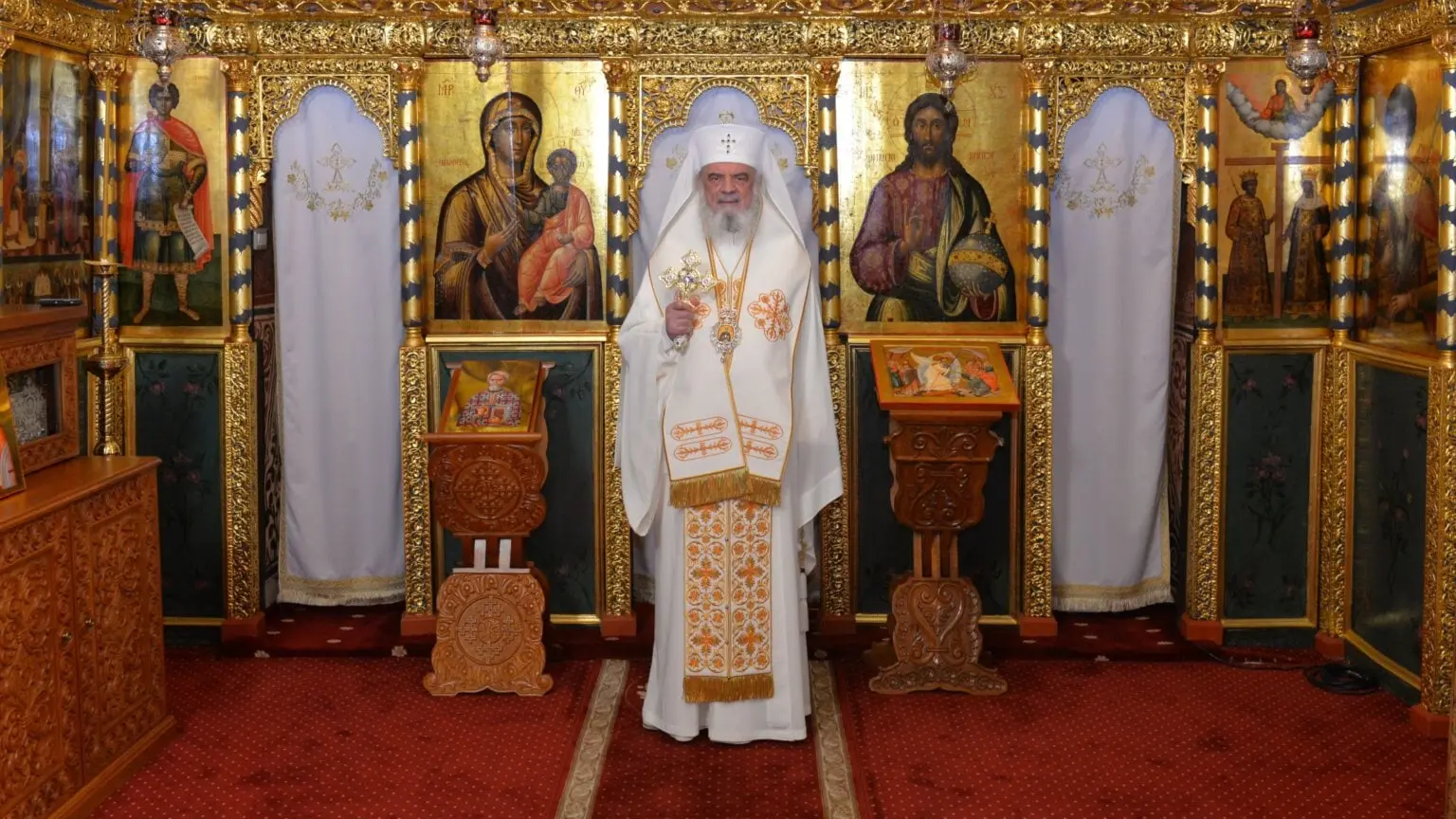
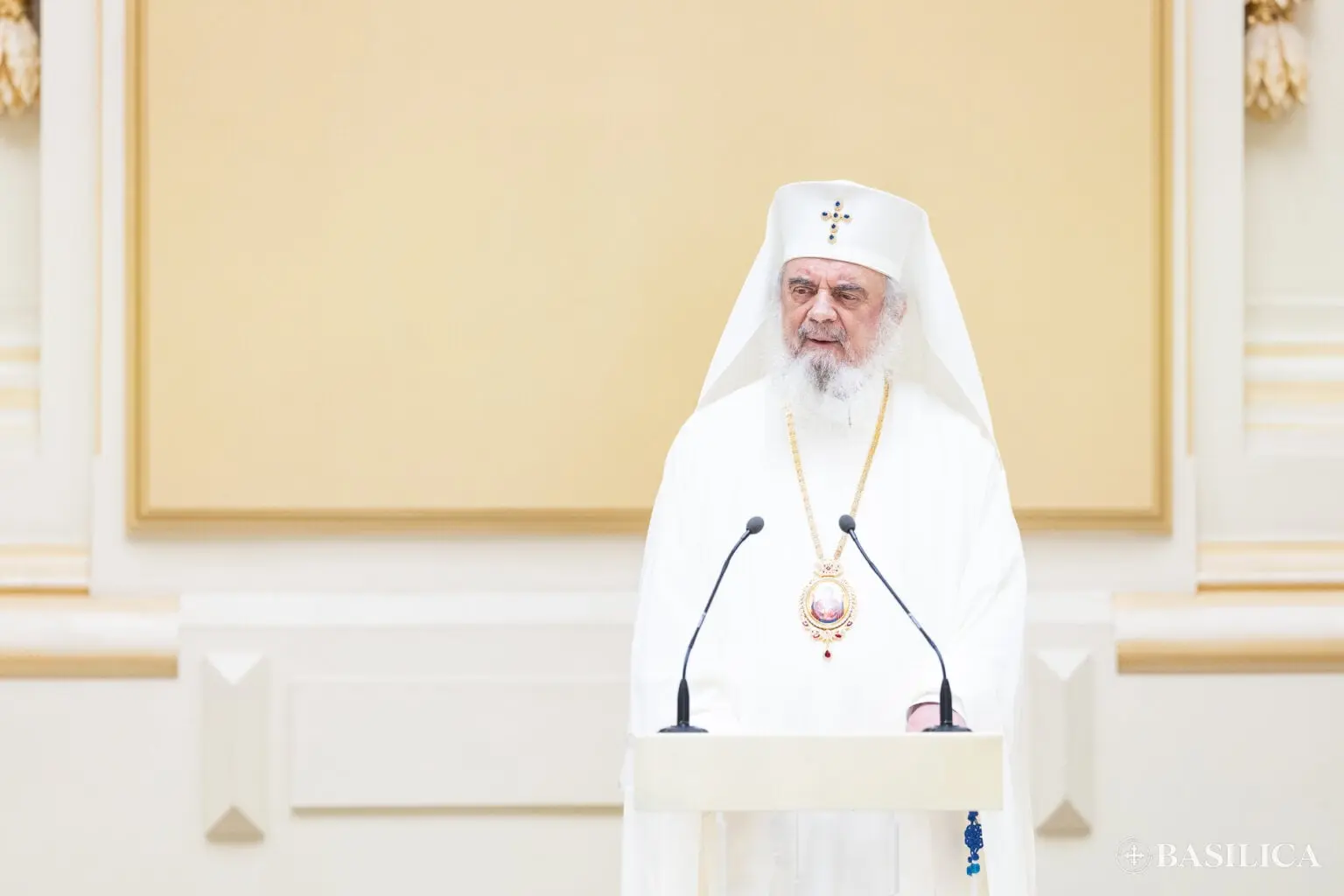
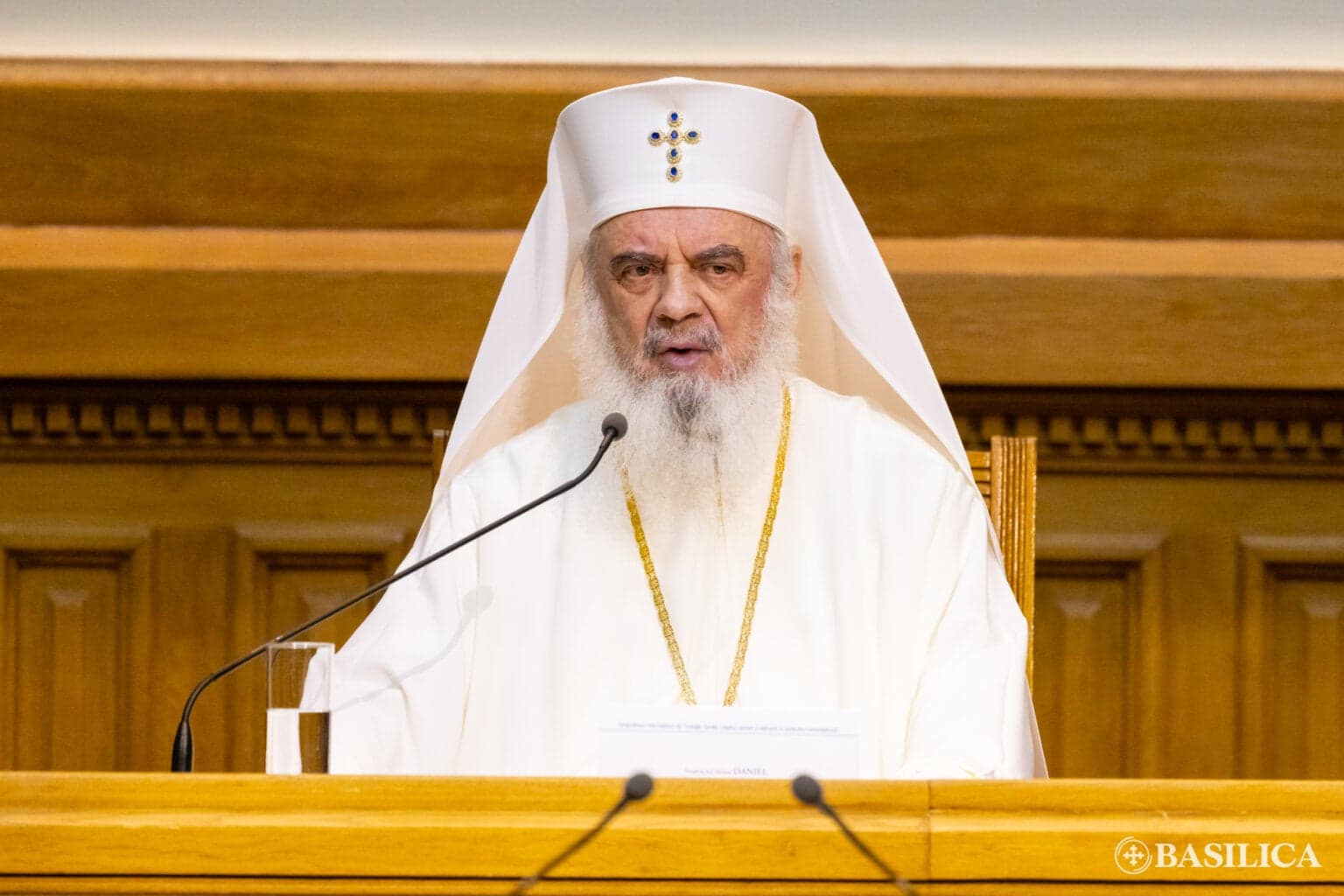
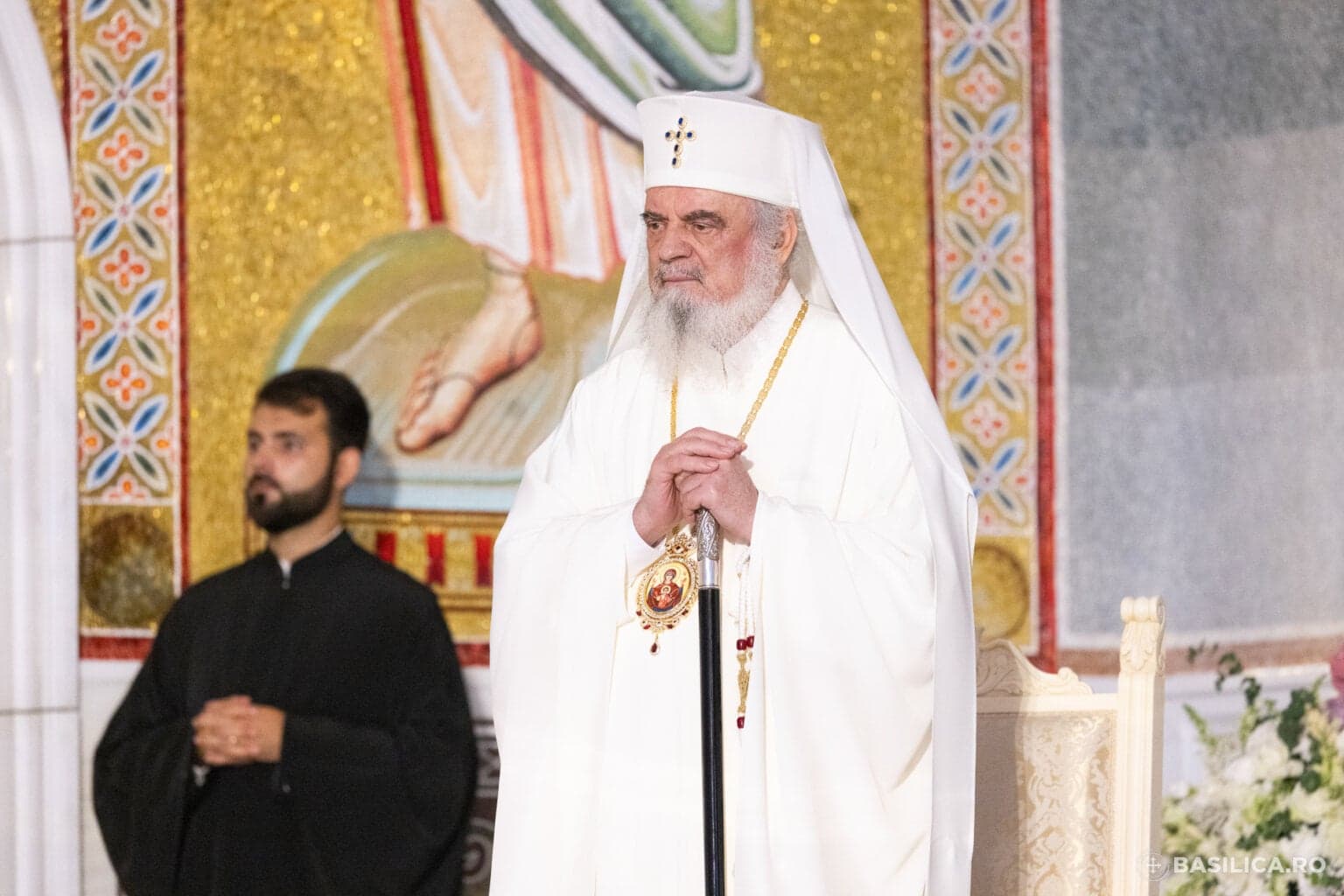
At the end of the service, the dean read the message of His Beatitude Patriarch Daniel of Romania, occasioned by Romanian Migrants’ Sunday, observed this year in the context of the Centennial of the Romanian Patriarchate.
Since 2009, Romanian Migrants’ Sunday has been celebrated throughout the Romanian Patriarchate on the first Sunday after the Feast of the Dormition of the Mother of God (15 August).
The feast was first introduced in the Metropolis of Moldavia in 2006 at the initiative of Patriarch Daniel, then Metropolitan of Moldavia and Bukovina, when the first Sunday after the Dormition was dedicated to Romanians living abroad.
The Holy Synod of the Romanian Orthodox Church has declared 2025 the Solemn Year of the Centennial of the Romanian Patriarchate and the Commemorative Year of Romanian Orthodox Spiritual Fathers and Confessors of the 20th Century, marking a unique moment in the Church’s history.
Photo: Diocese of Huși