UNESCO’s World Heritage Committee has inscribed the archaeological site of Sebastia in the West Bank on the World Heritage List.
The decision was adopted during the Committee’s 48th session, held in Busan, South Korea.
More than three millennia of continuous habitation
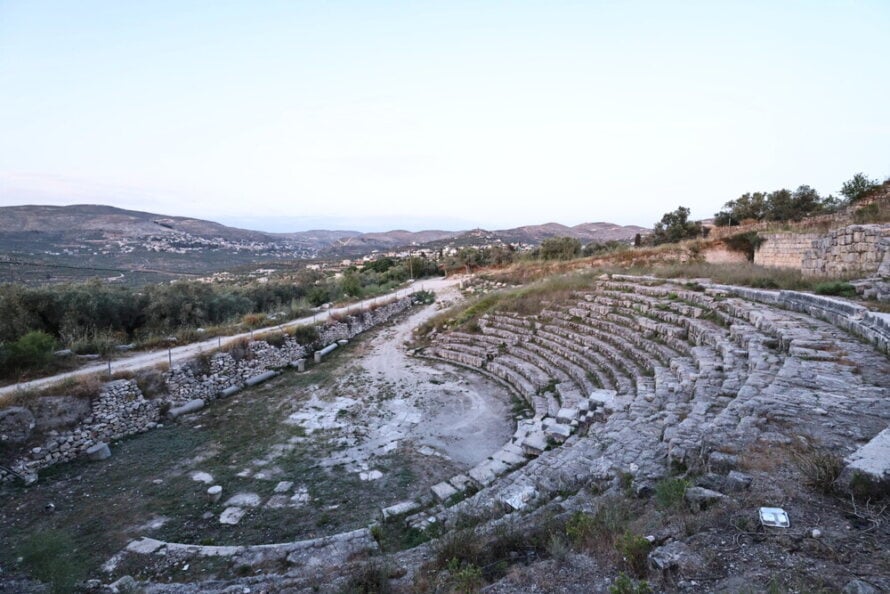
According to the nomination dossier, Sebastia has been continuously inhabited for more than 3,000 years and illustrates the evolution of successive civilisations in the eastern Mediterranean.
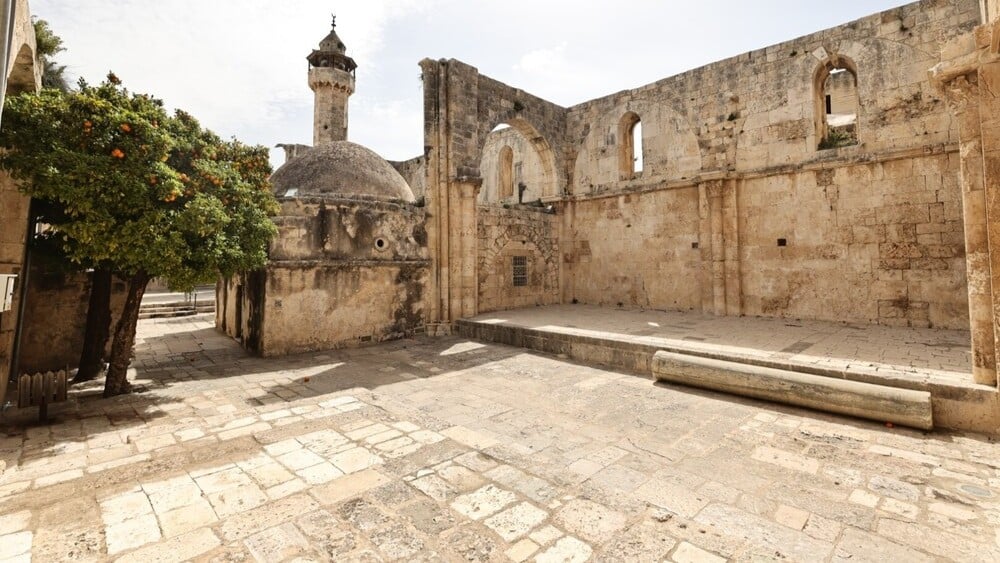
UNESCO notes that the site has served at different times as the capital of the northern Kingdom of Israel, a Hellenistic fortress, a Roman colony, a Byzantine bishopric, and an Islamic religious centre.
The organisation described the site as “a continuous urban narrative spanning over three millennia.”
The World Heritage Committee also highlighted Sebastia’s rich architectural heritage, ranging from Iron Age remains to Roman, Byzantine, and medieval monuments, including some of the best-preserved Hellenistic circular towers in Palestine.
Traditional site of St. John the Baptist’s tomb
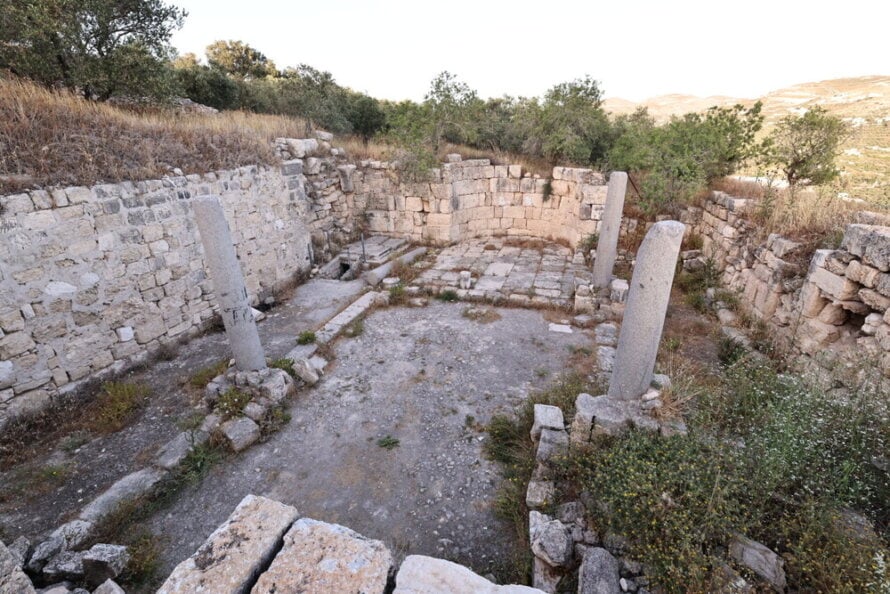
Sebastia’s religious significance also played an important role in UNESCO’s decision. According to the nomination document, the site is associated with the traditional tomb of St. John the Baptist and serves as a meeting point of Christian and Islamic traditions.
UNESCO emphasises that the site has preserved a shared veneration of the Forerunner of Christ over the centuries, hosting “a unique tradition of shared veneration between Christians and Muslims.”
“The authenticity of Sebastia is deeply rooted in the spirit and feeling of a place where millennia of history is palpable in the daily lives of its inhabitants,” the document concludes.
Photo: Palestinian Ministry of Tourism and Antiquities (MoTA)