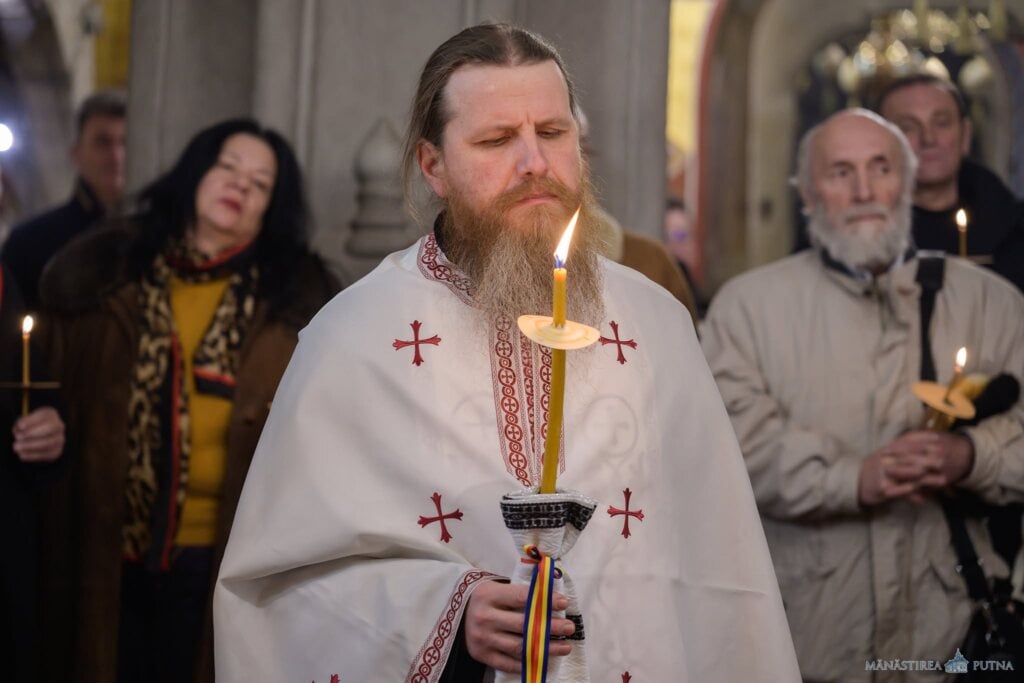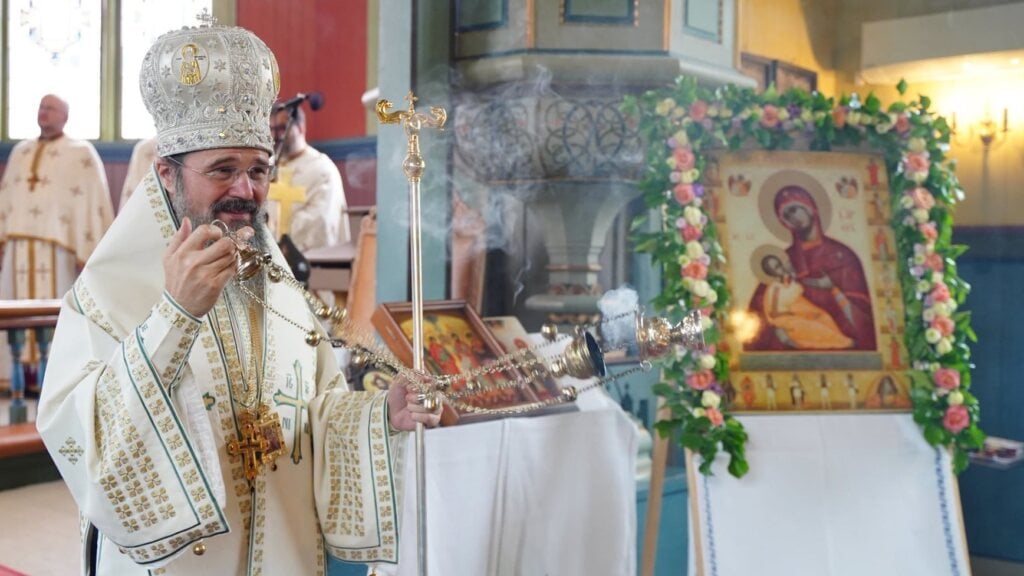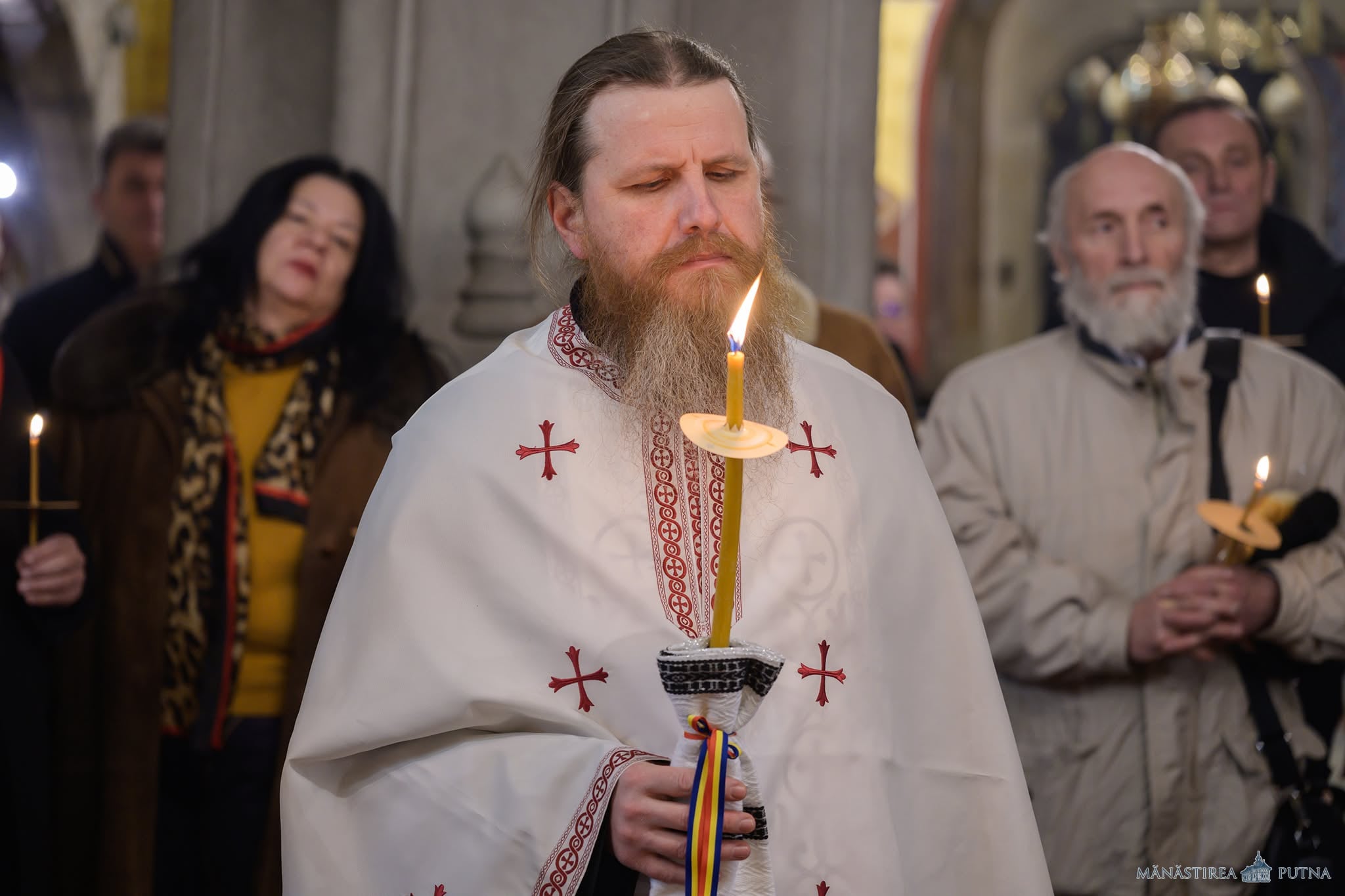
Archimandrite Ieremia Berbec, abbot of the Romanian Orthodox Monastery of St. Demetrius the New in Middletown, New York, recently gave an interview to a youth magazine edited by Putna Monastery.
In his conversation with Iulian Tomeac, former president of ASCOR Suceava, the archimandrite reflected on the meaning of monasticism and how one discerns the calling to dedicate one’s life entirely to God.
“Those who receive this grace, expressed as the desire to enter a monastery, must realise that it is something exceedingly precious because it is not of this world,” the archimandrite said.
“At the same time, as foreign as it is to this world, it is equally impossible to fulfil by one’s own strength, whoever that person may be. Two things should be understood: first, that this calling is priceless; second, that it cannot be accomplished alone.”
What makes a monastery beautiful?
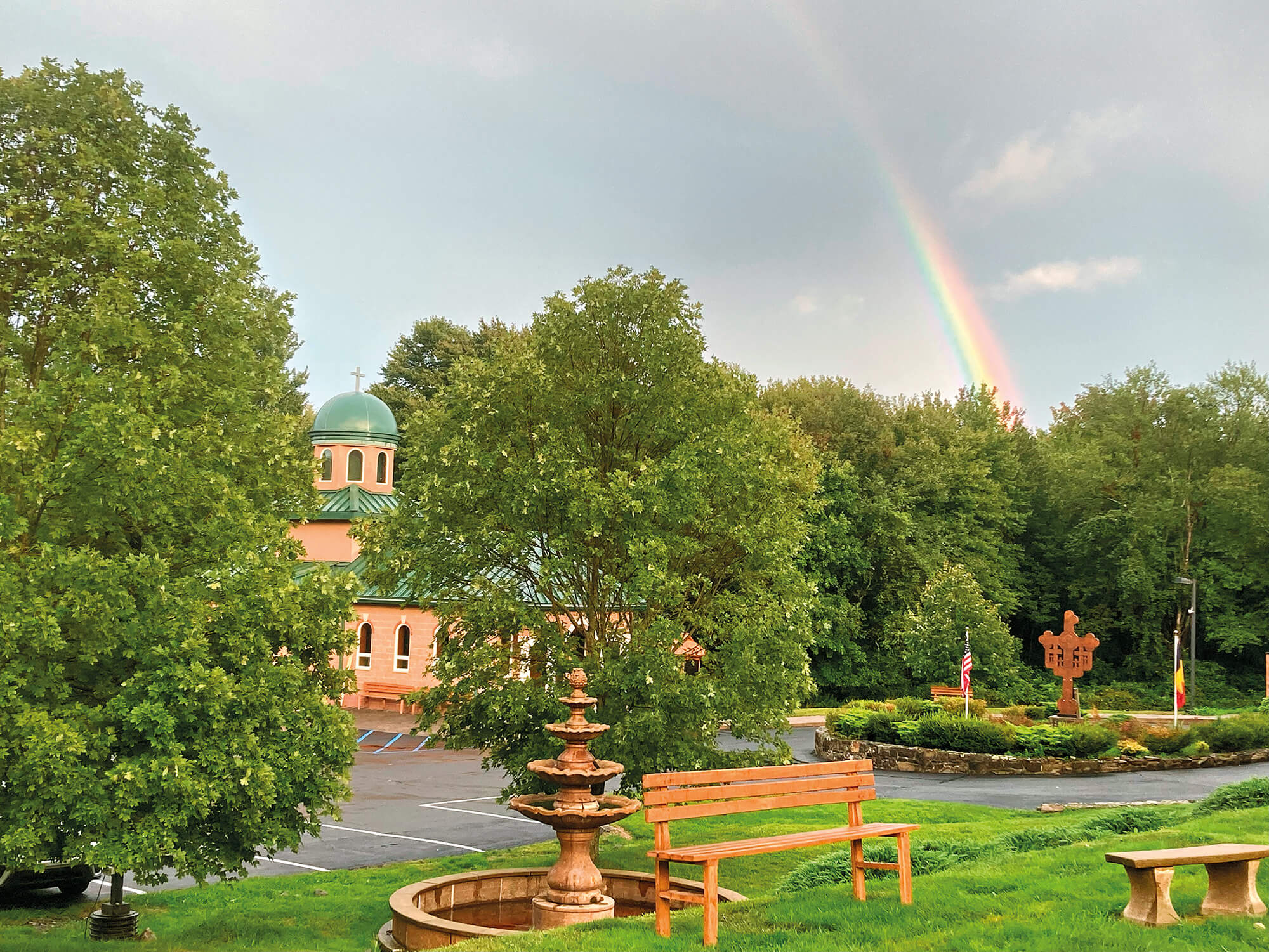
“What makes a monastery beautiful, above all, is the grace of God,” noted the abbot.
“And if it is to be what it should be, monks must take their monastic vows seriously—especially the vow of obedience. Where there is obedience, there is the grace of God, and there is a beautiful monastery.”
“And perhaps here we find the answer: a monastery is made beautiful by beautiful monks.”
In this context, Fr. Ieremia recalled the words of Ecumenical Patriarch Bartholomew during his 2004 visit to Putna Monastery: “It is not the walls that make a monastery, but its monastics.”
Monasticism in Romania and across the ocean
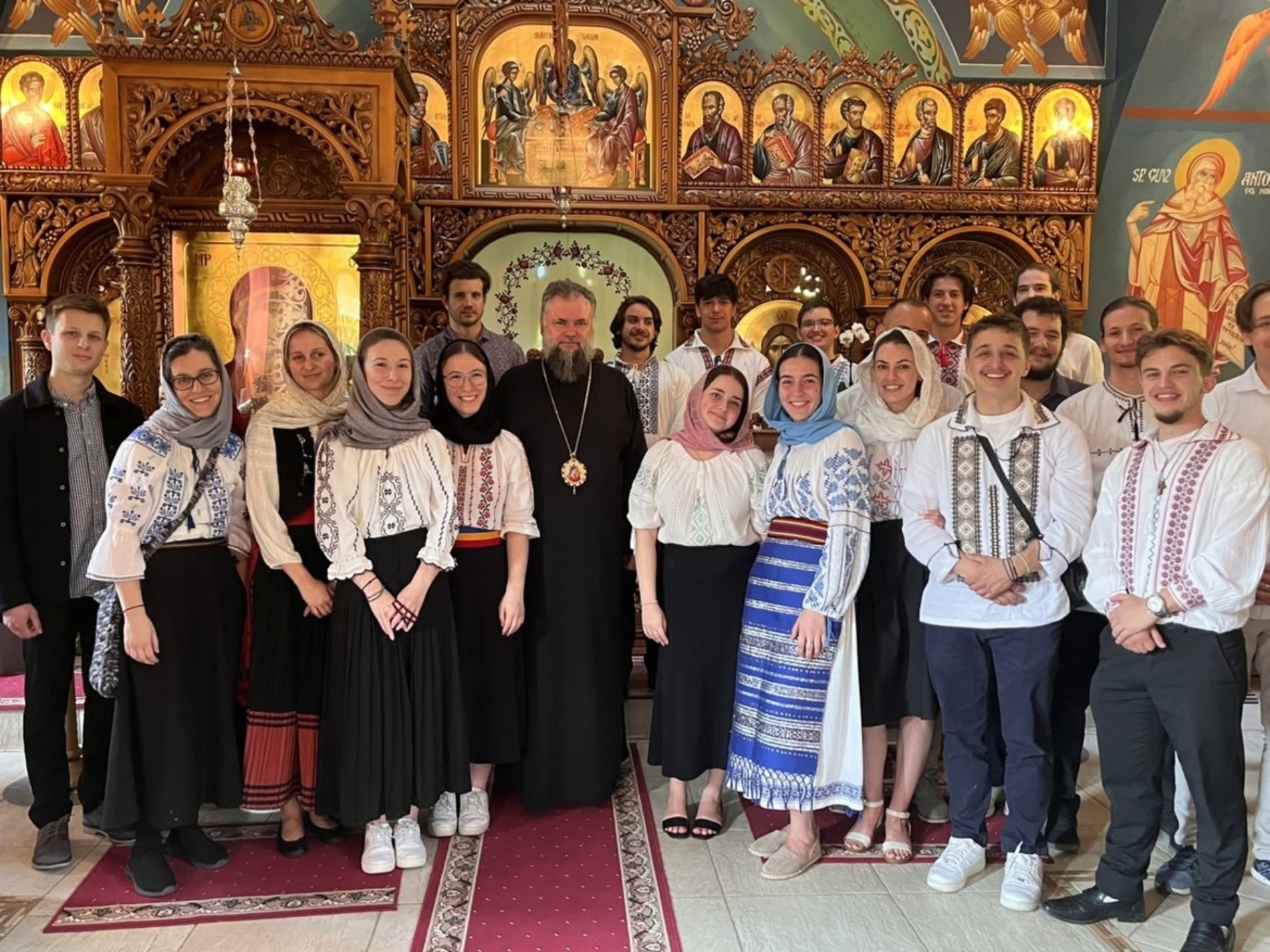
Asked to compare monastic life in Romania with that in other parts of the world, Archimandrite Ieremia responded:
“I don’t know whether we can truly speak about monasticism here in the United States. What exists is an attempt to establish monasticism that has not yet stood the test of time. Of course, Elder Ephraim succeeded with his monastery in Arizona, St. Anthony’s.”
He added that the two realities cannot really be compared.
“They cannot be compared because they are simply not on the same level. We do not have the elders or the abbots. In my own case, I could not have a monastery here without my connection to Putna Monastery, without my relationship with the abbot and the fathers who pray for us. This bond through prayer and spiritual fatherhood is absolutely vital.”
He likened spiritual ancestry to roots that nourish a tree.
“At Putna, we have a tradition handed down through saintly forebears and generations of spiritual fathers who have been added—to use Old Testament language—to the lineage of their fathers. These accumulated spiritual treasures are lacking in the United States, and in the West generally, which is a land not yet sanctified or permeated by grace.”
According to the archimandrite, this absence is compensated for in the West through the sacramental life of the Church.
“Here in the West, this deficiency is made up through the Holy Mysteries—above all through the Divine Liturgy and frequent Holy Communion. Therefore, frequent Communion in the West is not a luxury; it is a necessity.”
He draws a parallel with Orthodox families in the diaspora, where children often no longer receive the same nourishment from the presence of the extended family and the values it transmits.
Cultivating a monastic calling
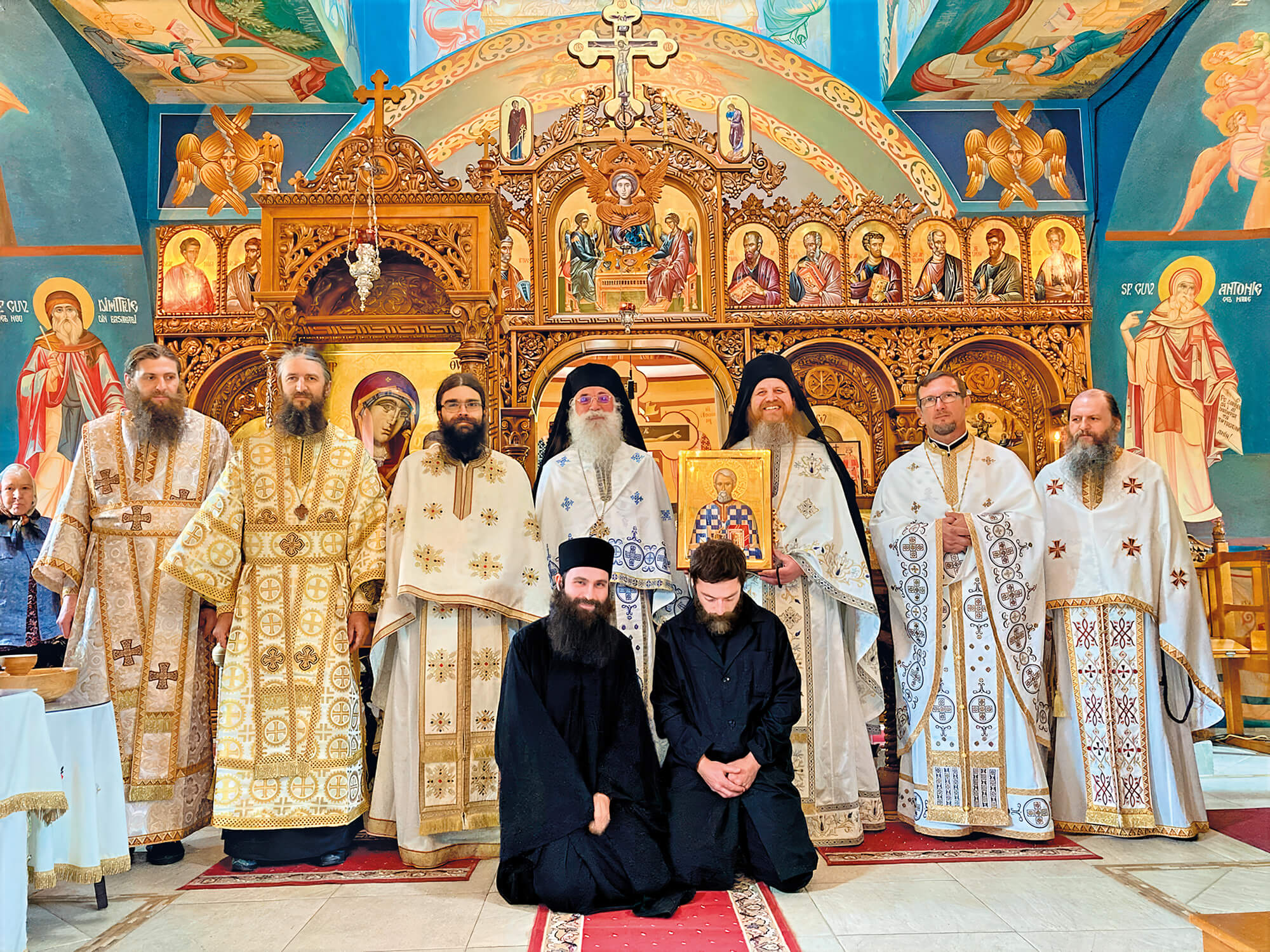
The abbot also offered advice to those discerning a monastic vocation.
“When this grace touches a person, it must be cultivated. In its initial form, it guarantees nothing; it can easily be lost, as though it had never existed. That is what happens in most cases.”
He explained that a monastic calling should be nurtured with the guidance of an experienced spiritual father and under the protection of the Mother of God.
“The advice I always give is this: entrust this thought to the Mother of God. Let her cultivate it within you. Let her lead you by the hand to whichever monastery God has prepared for you.”
He also advised discretion. “It is good to keep this mystery, even from yourself, in the sense of not becoming consumed by questions such as: What should I do? How should I do it? When should I do it? Excessive analysis can block us or even wound us spiritually. The best thing is to pray that God may help us serve Him with our whole heart.”
He continued: “Again, the fulfilment of this calling does not depend on our own power. We ask the Mother of God and our spiritual father for help. Grace must be cultivated; otherwise it can be stolen by the evil one, buried in the ground, or choked by weeds as though it had never existed.”
Advice for monks
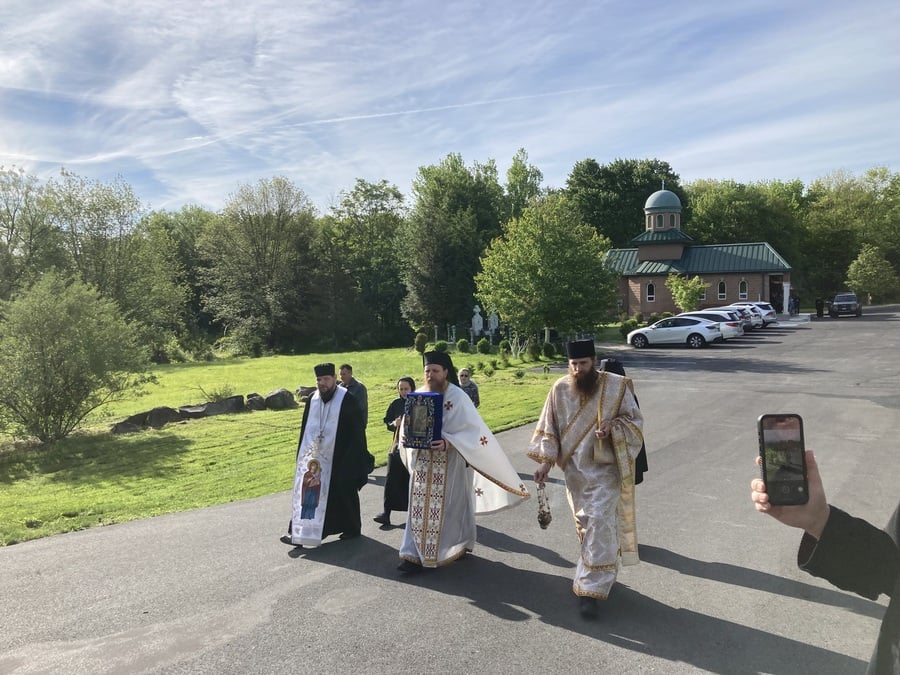
Speaking about guidance for monastics, Archimandrite Ieremia said that his own life rests entirely on obedience.
“I have no ascetic achievement or virtue on which to rely. My only support is that I have no personal agenda, no plan of my own, but place myself at God’s disposal through obedience.”
“This is my only hope. Obedience enables you to adapt even when you must leave the beaten path—as often happens in missionary settings. It allows you to adapt without losing grace. That is its great gift: obedience makes you capable of carrying out God’s work anywhere and at any time.”
His second piece of advice is that obedience must always be accompanied by a longing for the monastic cell—a longing to be with God.
Quoting Archimandrite Zacharias (Zaharou), he explained:
“Fr. Zacharias says that obedience must itself be sanctified. Without prayer, obedience becomes mere labour, an empty routine. At least half an hour each day should be spent pouring out one’s heart before God in one’s cell. This deep prayer sanctifies all the work that follows throughout the day.”
The monk’s greatest work: simply being a monk
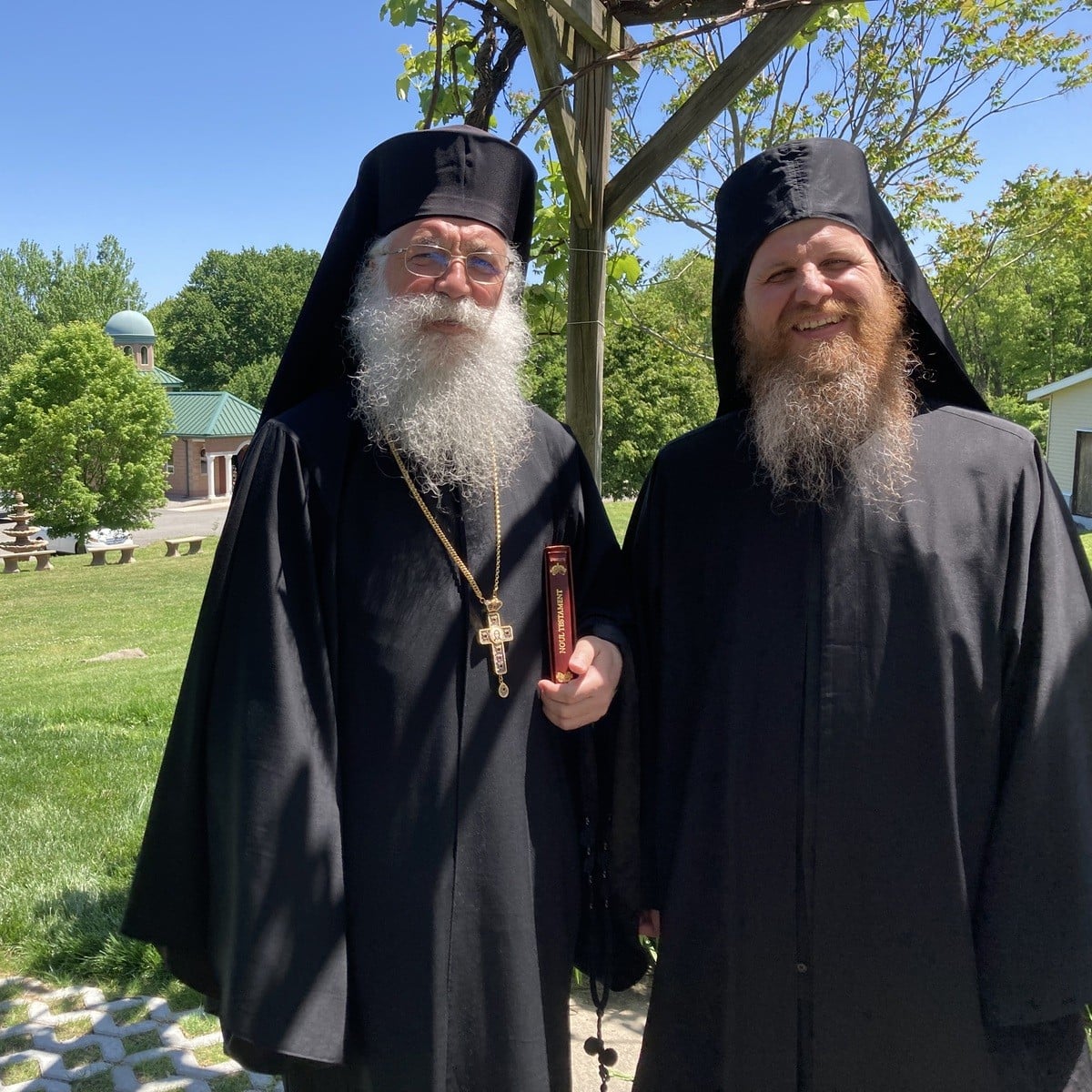
Asked what the monk’s greatest service to the world is, the abbot answered:
“I do not think a monk should consciously pursue this as a programmed mission. It comes naturally because, if he lives monasticism faithfully, he has already offered himself entirely.”
He pointed to the teaching of St. Silouan the Athonite and St. Sophrony of Essex.
“The great elders teach us that a monk does not begin with prayer for the whole world. He begins with obedience, and prayer for all humanity becomes the natural culmination of that path—often without the monk even realising it.”
As a final word of counsel, not only for monks but for everyone, the abbot encouraged Christians to become true workers in God’s vineyard.
“A true worker is one whose soul seeks only the consolation of God. If a person sincerely seeks this, God Himself will teach him what he must do.”
About Archimandrite Ieremia Berbec
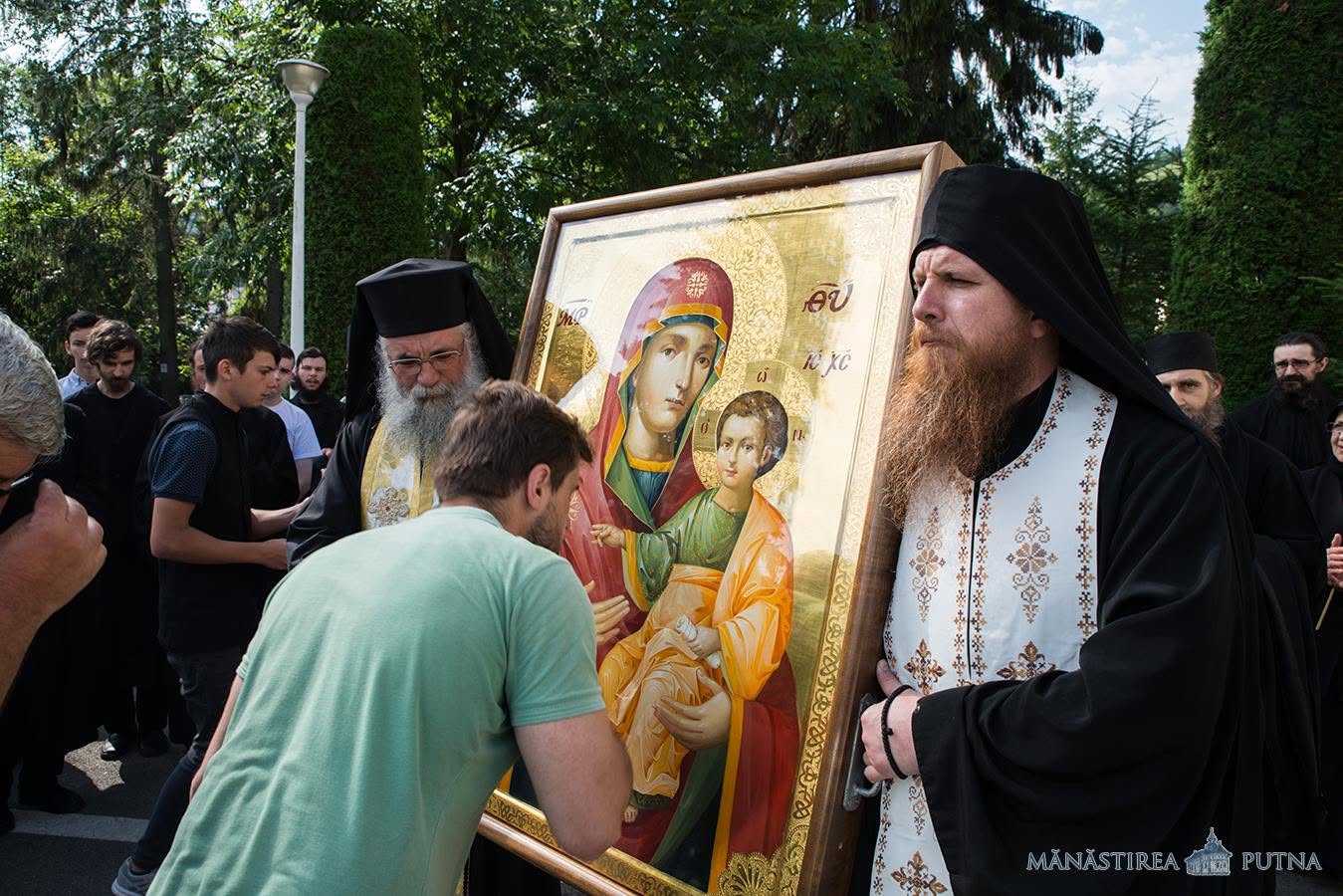
After earning a PhD in mathematics from the University of California, Berkeley—home to one of the world’s leading mathematics departments—in 2007, Archimandrite Ieremia Berbec entered the brotherhood of Putna Monastery.
He remained there until 2020, when he was entrusted with the mission of serving as abbot of the Romanian Orthodox Monastery of St. Demetrius the New in Middletown, New York.
Photo: Putna Monastery