Romania marks 70 years of UNESCO membership on Monday. On 27 July 1956, the country became a member of the United Nations Educational, Scientific and Cultural Organization (UNESCO), joining the international effort to protect and promote the world’s cultural and natural heritage.
Over the past seven decades, Romania has strengthened its presence within UNESCO through contributions in the fields of education, culture, science and heritage, while many expressions of Romanian spirituality and culture have gained international recognition.
The anniversary is being celebrated throughout 2026 under the programme “UNESCO 70 Romania – Celebrating the Past, Building the Future Together,” coordinated by the Romanian National Commission for UNESCO.
Ecclesiastical heritage: an essential contribution
A significant share of Romania’s UNESCO-recognised heritage consists of monuments and traditions preserved under the care of the Romanian Orthodox Church.
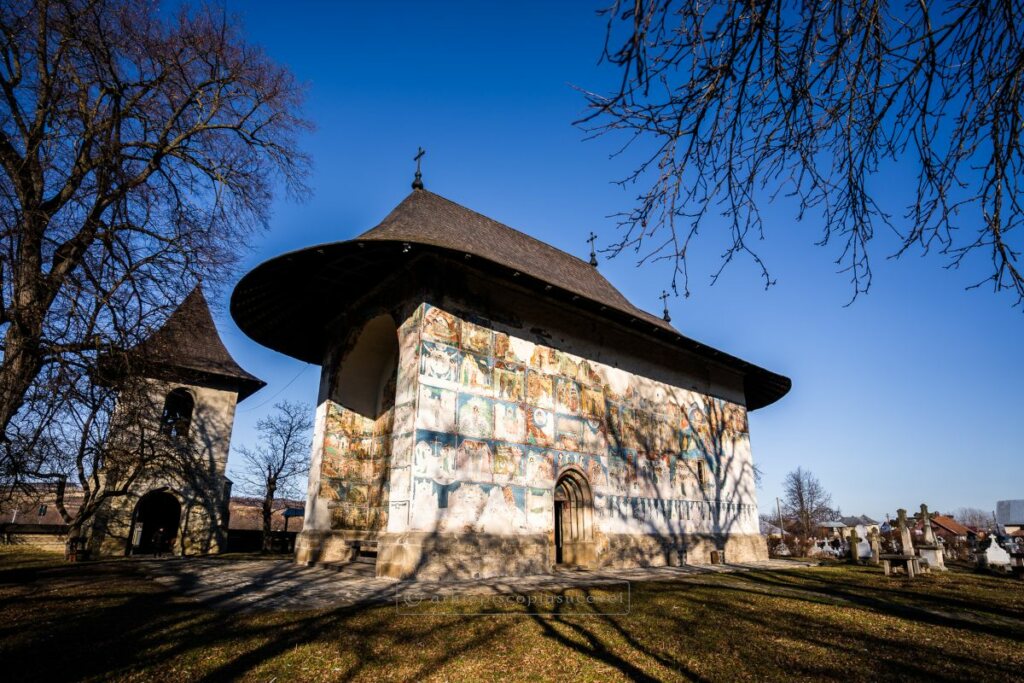
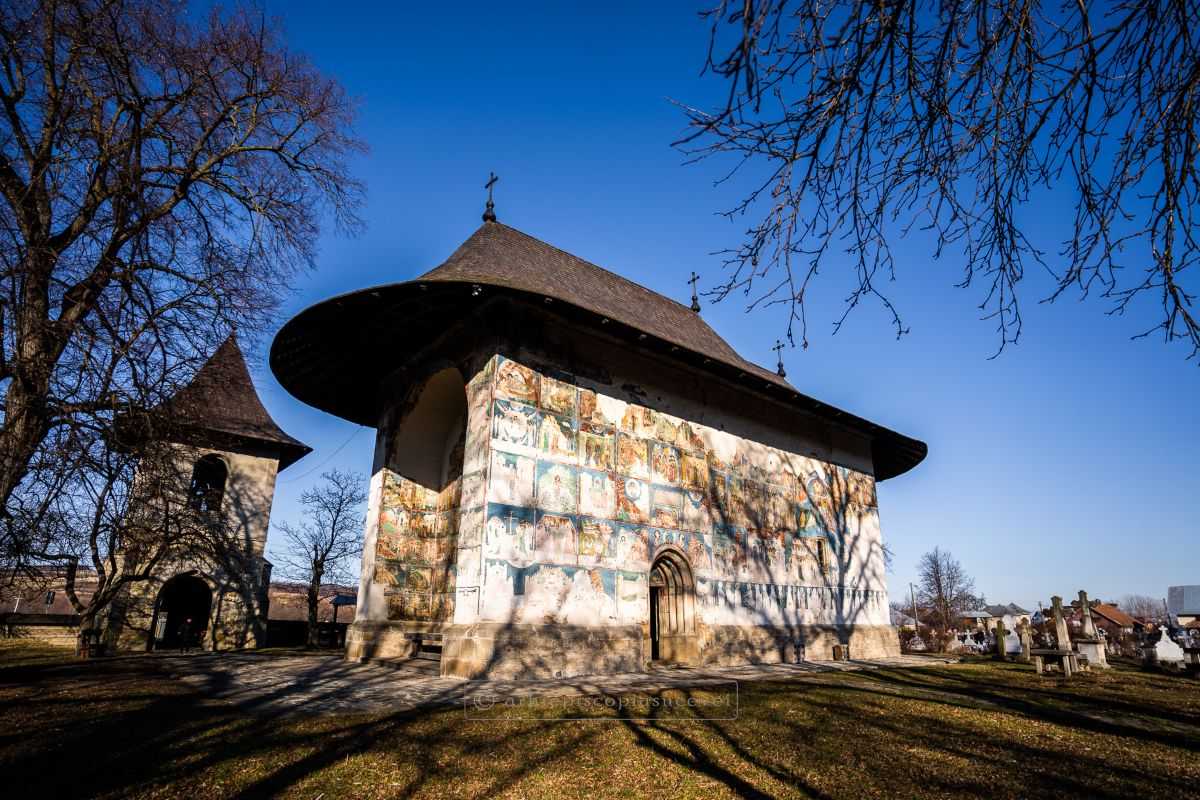
Among the best known are the Painted Churches of Northern Moldavia, inscribed on the UNESCO World Heritage List beginning in 1993 and renowned for their unique exterior frescoes.
Romania’s ecclesiastical heritage also includes Horezu Monastery, a masterpiece of the Brâncovenesc architectural style, inscribed in 1993, as well as the Wooden Churches of Maramureș, added to the World Heritage List in 1999.
These monuments are not only outstanding works of art and architecture but also living testimonies to the Orthodox faith and the continuity of Romania’s spiritual tradition.
In recent years, Romania’s Tentative List for World Heritage has been expanded with new nominations for historic places of worship, including princely foundations in Wallachia and Moldavia, further confirming the central role of religious heritage in the country’s cultural identity.
Living traditions
Romania’s contribution to UNESCO extends beyond historic monuments. The Representative List of the Intangible Cultural Heritage of Humanity includes elements such as the doina (traditional lyrical folk song), Horezu ceramics, men’s group Christmas carolling, traditional wall-rug weaving techniques, the mărțișor spring custom, the blouse with shoulder embroidery (ie with altiță), and, most recently, the art of crafting and playing the cobza, which was inscribed in 2025.
Many of these traditions are preserved and passed on within parish and monastic communities, where liturgical life naturally intertwines with local customs and traditional crafts.
A responsibility for the future
Seventy years after joining UNESCO, Romania has 11 sites inscribed on the UNESCO World Heritage List, along with numerous elements of intangible cultural heritage recognised internationally.
For the Romanian Orthodox Church, heritage is not merely a cultural inheritance but also the expression of a faith lived by generations of believers. The preservation of historic churches, icons, manuscripts, liturgical traditions and faith-inspired folk customs helps transmit an identity that goes beyond artistic or documentary value.
The 70th anniversary of Romania’s membership in UNESCO, therefore, provides an opportunity to reaffirm the shared responsibility of safeguarding and promoting both tangible and intangible heritage as a gift received from previous generations and a legacy entrusted to those yet to come.
Photo: Archdiocese of Suceava and Rădăuți