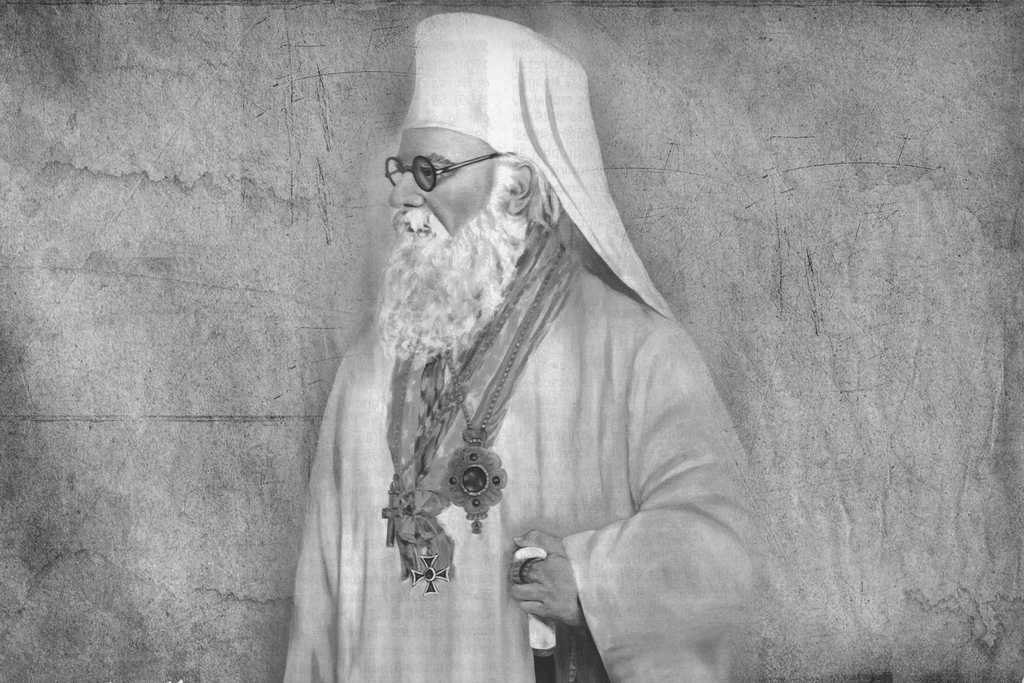
Patriarch Nicodim Munteanu was responsible for almost the entire translation of the Romanian Bible published in 1944, in addition to producing dozens of translations and original theological works.
Working directly from the Greek text of the Septuagint, Patriarch Nicodim translated fifty-one books of Holy Scripture into Romanian—twenty-four Old Testament books and the entire New Testament. He also published five editions of the New Testament and four editions of the Psalter, all translated by himself.
The second Patriarch of Romania also translated numerous works from Russian theological literature. Alongside these translations, he produced original writings inspired by Holy Scripture and by the pastoral needs of his time, ranging from substantial volumes to accessible booklets intended for a broad readership.
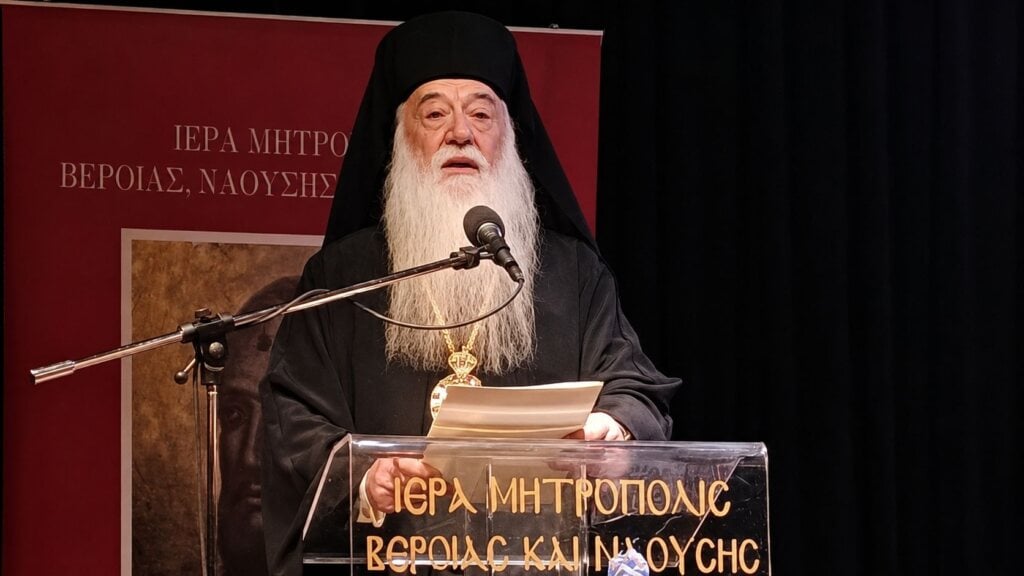
“This combination of the text of Holy Scripture with its social and pastoral context showed that Patriarch Nicodim was a realistic theologian and a shepherd who brought the word of life—the saving word that unites us with God the Word and with the Holy Trinity—into the realities of his own age,” Patriarch Daniel has observed.
The Romanian novelist Cezar Petrescu placed Patriarch Nicodim “in the tradition of the learned bishops of old”, describing him as “a servant of letters, not only of the altar”.
Recalling the years when Nicodim lived at Neamț Monastery, the writer remembered how, “protected from all the sterile agitations of the age, with the diligence of the ancient ascetics, Patriarch Nicodim laboured over his books and translations”.
The Light from the Scholar-Monk’s Cell
Viewing him through the eyes of a man of letters, Cezar Petrescu painted a memorable portrait of the future Patriarch.
“I neither knew nor believed that he then held any significant administrative position within our Church. He seemed simply a solitary figure, withdrawn from the world, a silent rebuke to our own vanities and to those of the age.”
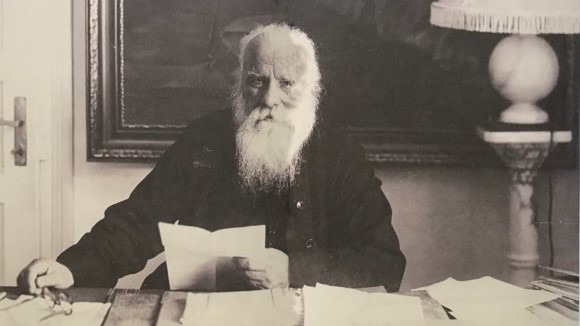
“Until late into the night, the light from his study cell shone like a warm guiding star in the darkness. Monks, holidaymakers and travellers alike settled into silence after the bells for Vespers had rung. Yet the light in the scholar-monk’s cell remained burning until the second crowing of the cock.”
Petrescu concluded that “from that painstaking labour as a servant of letters, and not only of the altar, there emerged, page by page, more than one hundred books, translations and original works, continuing the scholarly vocation first embraced by the young student of the Kyiv Theological Academy”.
Among these, he highlighted not only the Romanian Bible translation but also “that priceless translation of Biblical History from the Russian text by Professor Lopukhin, an immense undertaking in six volumes of some seven hundred pages each—sufficient to fill a lifetime of labour”.
Reflecting on the political and social upheavals through which Patriarch Nicodim lived, Cezar Petrescu wrote in 1945 that “fortresses, empires and temples have fallen, and human pride has turned to dust, yet the scholar’s diligence has remained unchanged”.
“Could there be a more strengthening example of steadfastness? And could a writer of secular literature offer a more reverent tribute to a scholar who dedicated his life to spreading and illuminating the teaching of Christ?” Petrescu concluded in the commemorative volume Nicodim (1865–1945), published by the Church Books Printing House in 1945.
Patriarch Nicodim was awarded an honorary doctorate by the Faculty of Theology in Cernăuți and was elected an honorary member of the Romanian Academy.
The Romanian Patriarchate dedicated 2019 to the commemoration of Patriarchs Iustin and Nicodim, as well as the translators of Church books.
Photo: Basilica Publishing House