The local proclamation of St Philotimia of Râmeț took place on Monday at Râmeț Monastery in Alba County. On the occasion, His Eminence Metropolitan Laurențiu of Transylvania said the saint’s life demonstrates that “holiness can be lived within the family, not only in monasteries”.
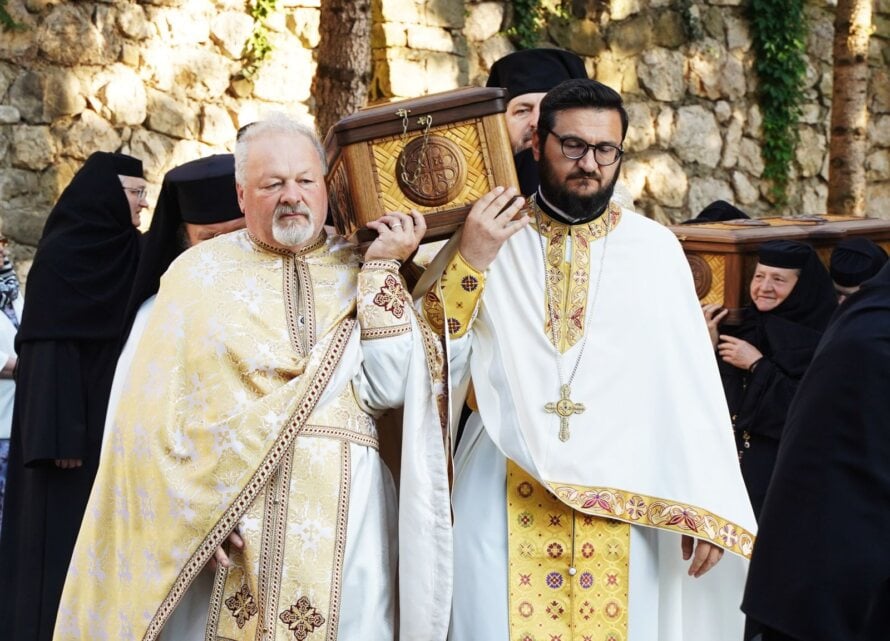
Before the Divine Liturgy, a procession was held with the relics of St Dometius the Merciful and St Philotimia from the Church of the Holy Apostles Peter and Paul to a specially prepared canopy near the monastery’s outdoor altar.
Thousands Attend the Local Proclamation
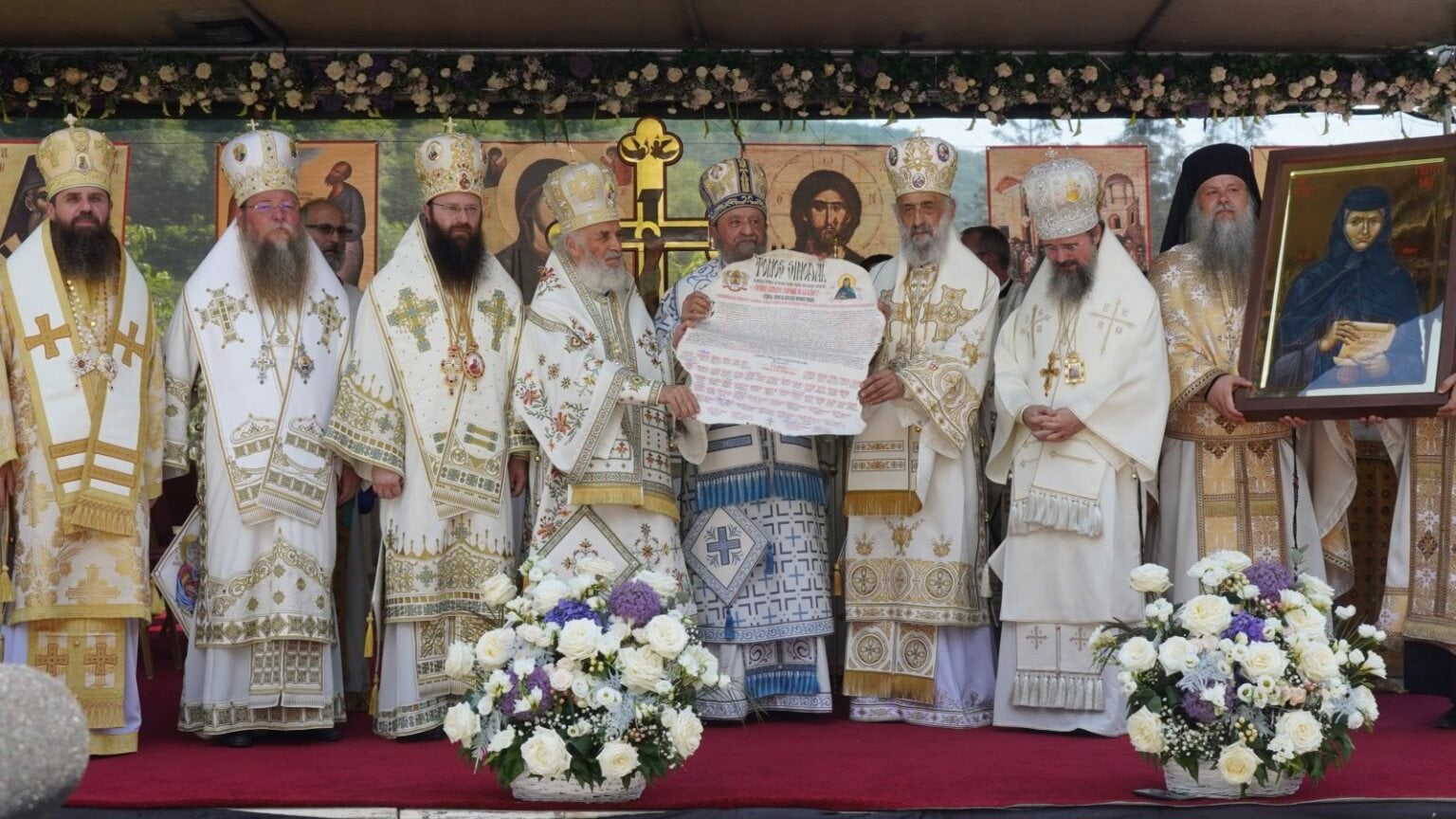
The local proclamation took place at the conclusion of the Divine Liturgy celebrated by Metropolitan Laurențiu together with Archbishop Irineu of Alba Iulia, Archbishop Casian of Lower Danube, Bishop Andrei of Covasna and Harghita, Bishop Benedict of Sălaj, Bishop Macarie of Northern Europe, Bishop Nectarie of Ireland and Iceland, Assistant Bishop Paisie of Lugoj of the Archdiocese of Timișoara and Assistant Bishop Gherontie of Hunedoara of the Diocese of Deva and Hunedoara.
Thousands of faithful from across Romania attended the celebration, alongside representatives of the national and local authorities. Patriarch Daniel was represented by Răzvan Mihai Clipici, Patriarchal Counsellor for Culture, Church Painting and Restoration.
The Synodal Tomos proclaiming the canonisation was read by Bishop Andrei. Through this official act, St Philotimia of Râmeț was formally inscribed among the saints of the Romanian Orthodox Church, with her feast assigned to 6 July, shared with her son, St Dometius the Merciful of Râmeț.
An Offering Made to Christ
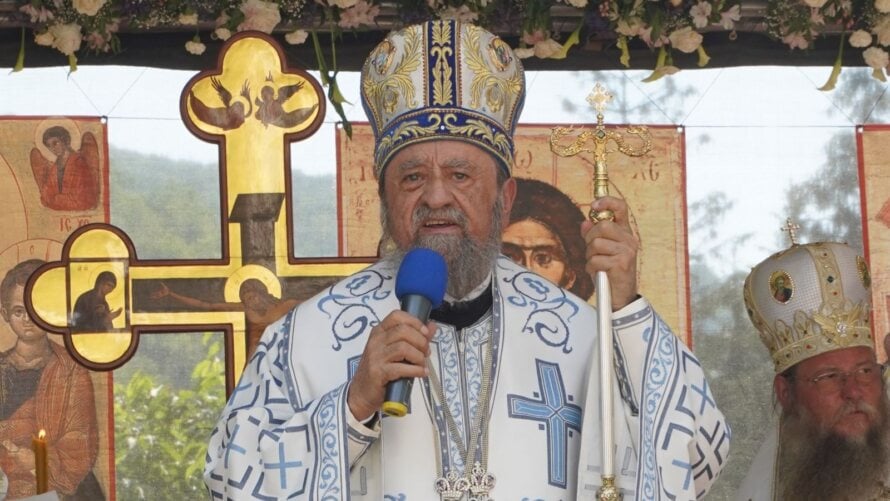
Following the reading of the Tomos, Metropolitan Laurențiu reflected on the continuing relevance of St Philotimia’s life.
“I would like us to remember something that God ordained in the life of this family—a work that He has chosen us to fulfil today, at a time when the Christian family is under attack from every direction and is increasingly disregarded.”
His Eminence said that the saint’s forty-three years of married life constituted “an offering she brought to Christ”.
The Metropolitan recalled that St Philotimia and her husband raised twelve children, four of whom dedicated their lives to the service of the Church, while eight predeceased their mother—a profound sorrow that she endured with patience and faith.
A Mother Who Planted Faith in Her Children’s Hearts
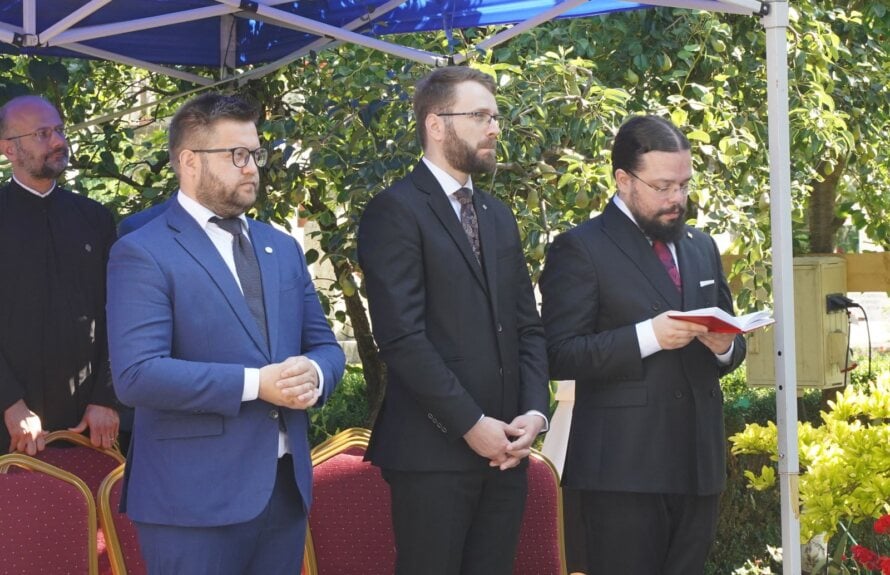
Speaking to Trinitas TV, Patriarchal Counsellor Răzvan Mihai Clipici highlighted the devotion shown by the faithful towards the newly proclaimed saint.
“I believe the people’s devotion to St Philotimia has been clearly demonstrated by the great number who participated in the Divine Liturgy.”
He also recalled the testimony of St Porphyrios of Kavsokalyvia, who, shortly after Mother Philotimia’s repose, said that she “ascended to heaven like a seraph”.
“The saint was distinguished by exceptional humility, profound devotion to the Church’s services and to prayer, living the life of a hesychast. She was an exemplary Christian and a remarkable mother who planted in her children’s hearts the love of God and of neighbour,” he added.
An Image of Sanctifying Motherhood
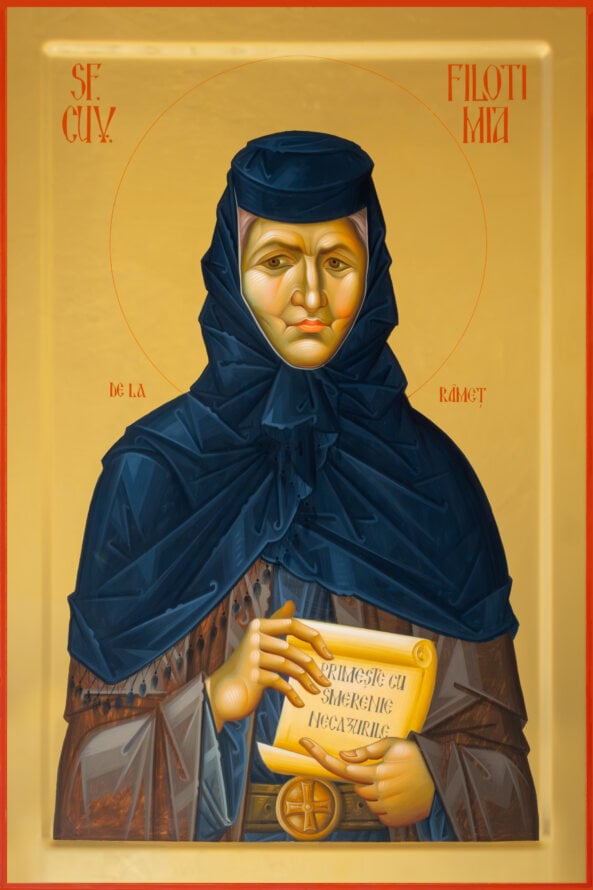
Saint Philotimia of Râmeț was born Filofteia on 30 April 1896 in the village of Bălănești, Buzău County, Romania. Together with her husband, Ioan Manolache, she raised twelve children in the fear of God, obedience and a strong sense of responsibility.
Following her husband’s death in 1959, she entered the Râmeț Monastery community. On 30 April 1974, she was tonsured into monasticism by her own son, St Dometius, receiving the name Philotimia.
Shortly before her repose, St Philotimia told her cell attendant that St Dometius had appeared to her and announced that her earthly life was drawing to an end. Having prepared herself through Confession and Holy Communion, she bade farewell to the monastic community and fell asleep in the Lord on 22 July 1989.
St Philotimia is among the sixteen Romanian women saints canonised by the Holy Synod of the Romanian Orthodox Church in 2025. Their solemn proclamation took place on 6 February 2026 at the Patriarchal Cathedral in Bucharest.
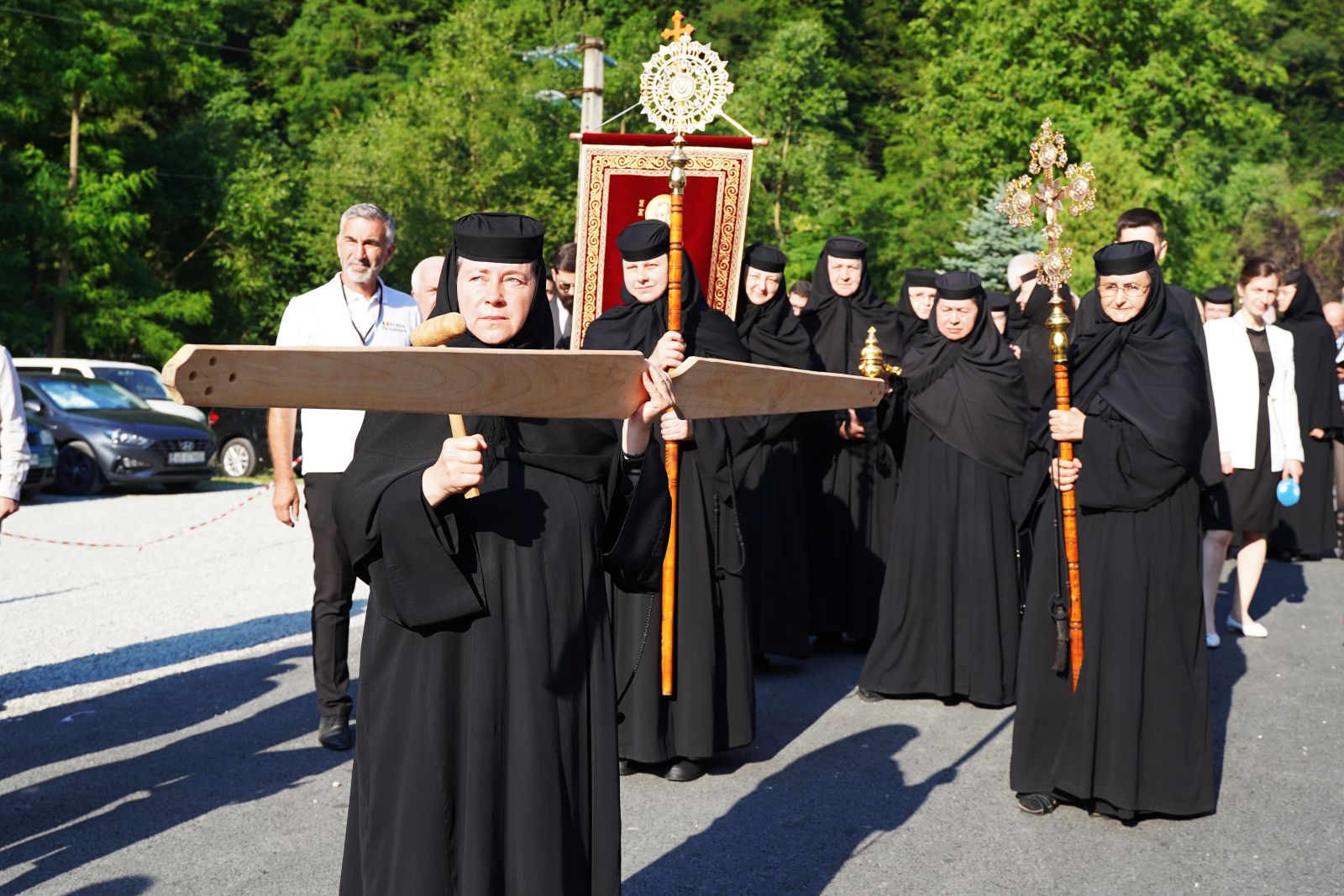
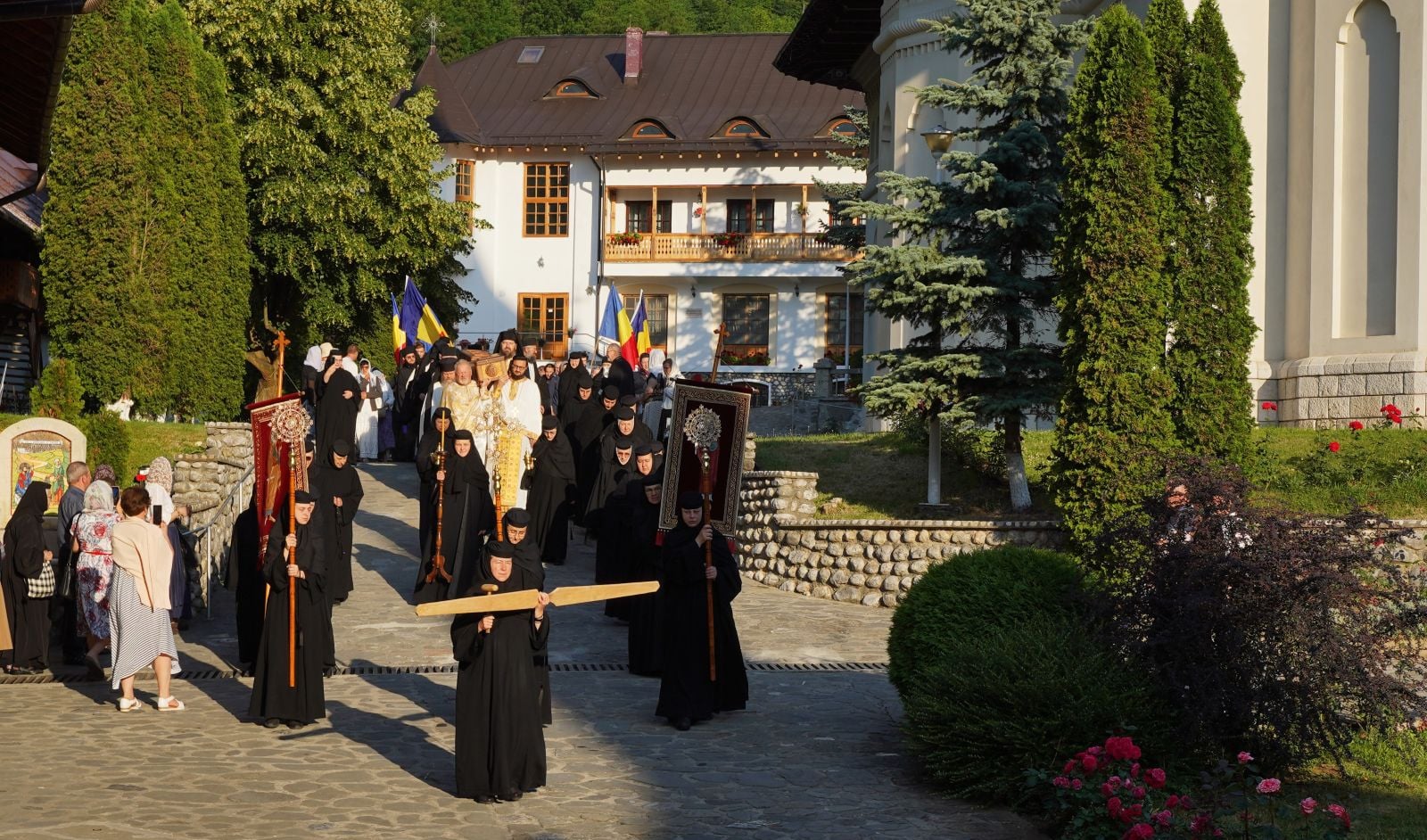
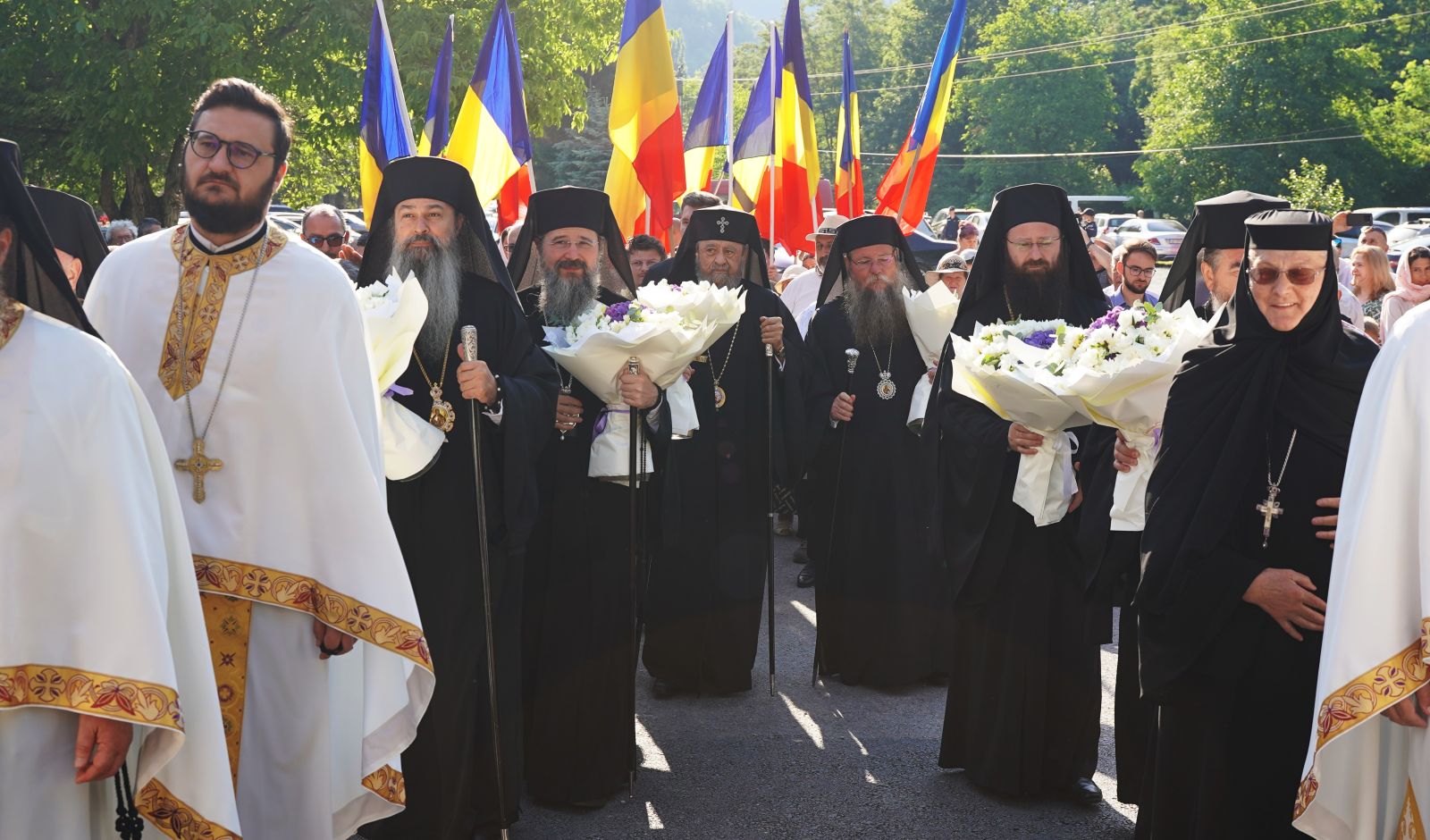
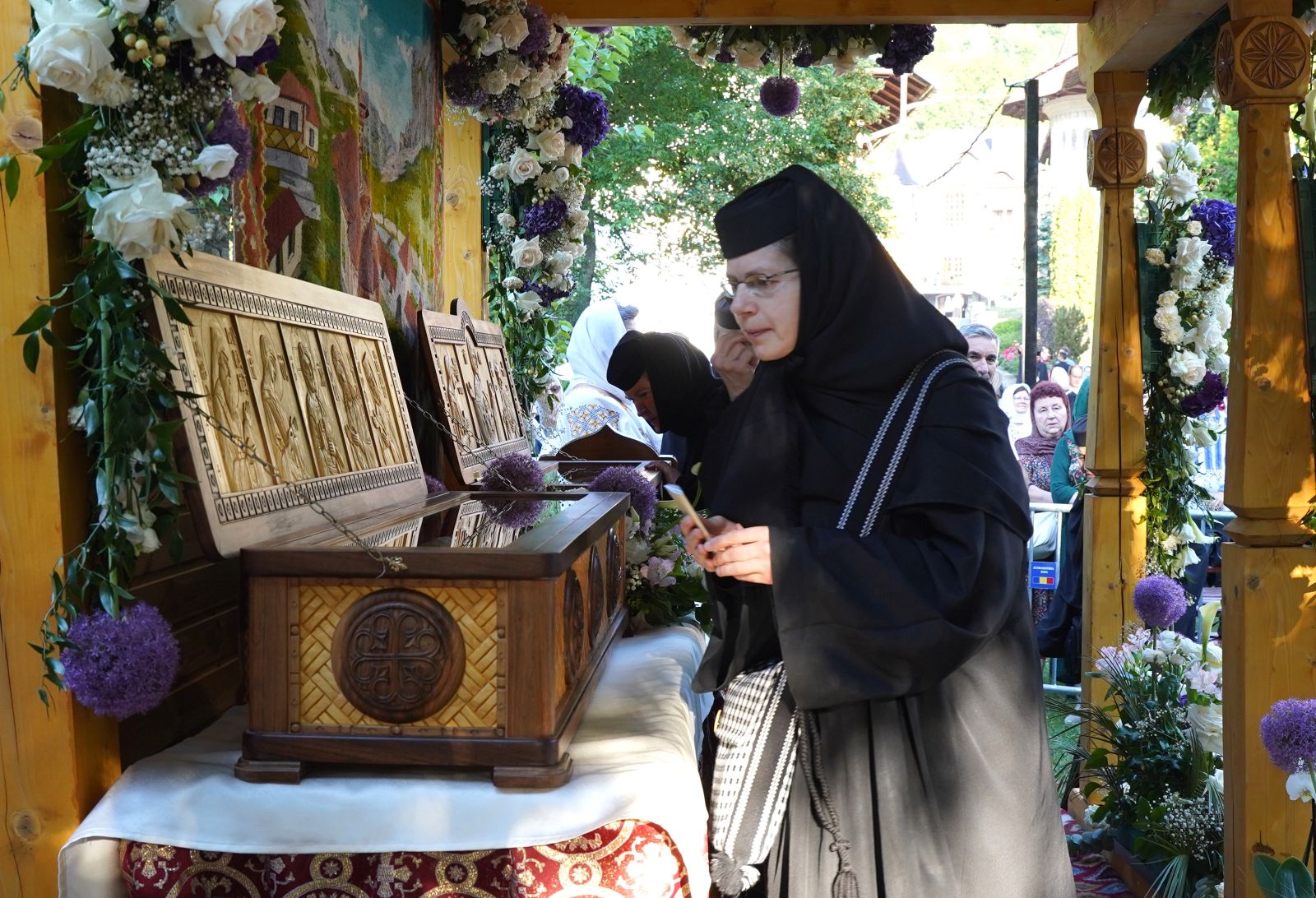
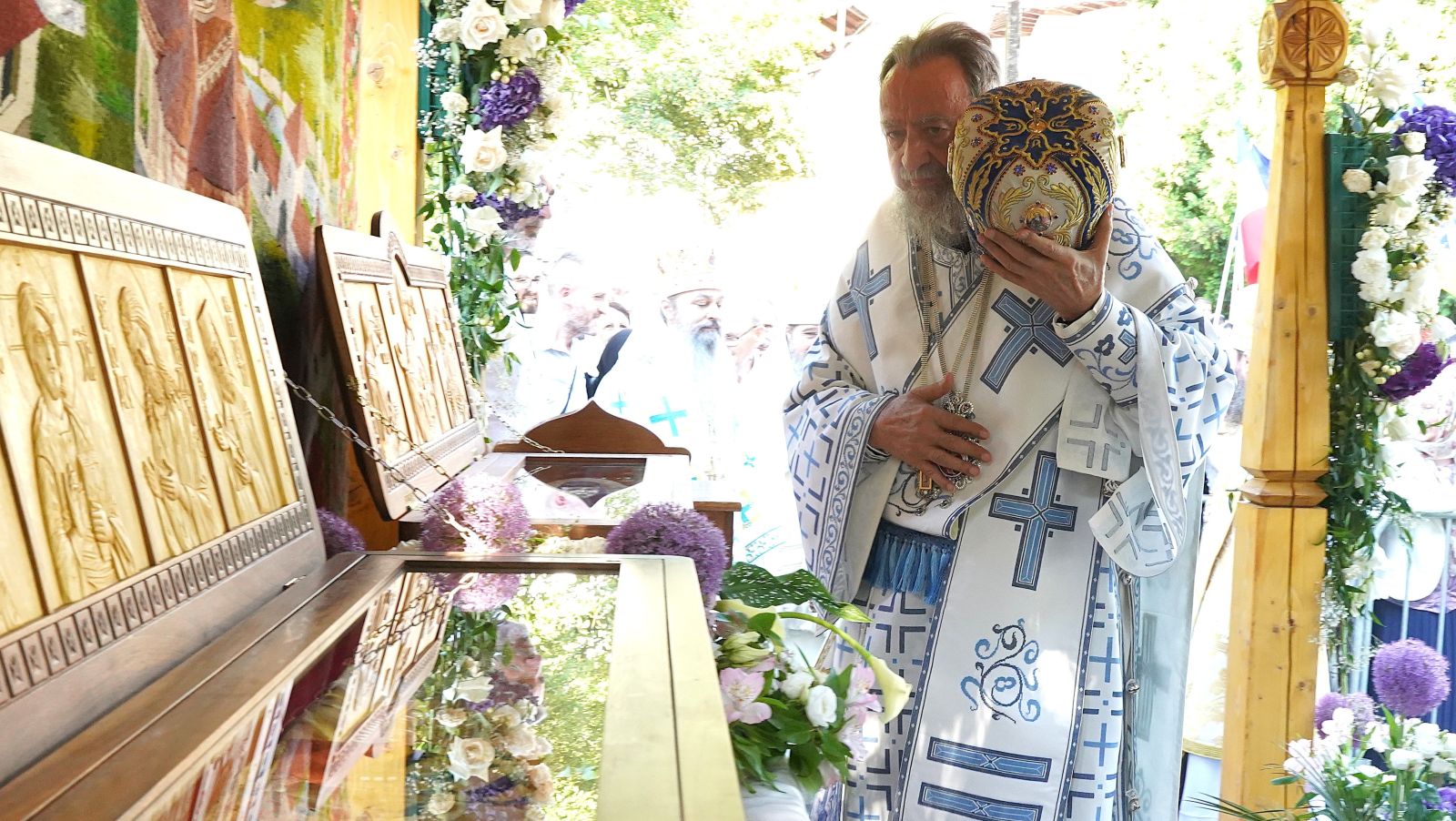
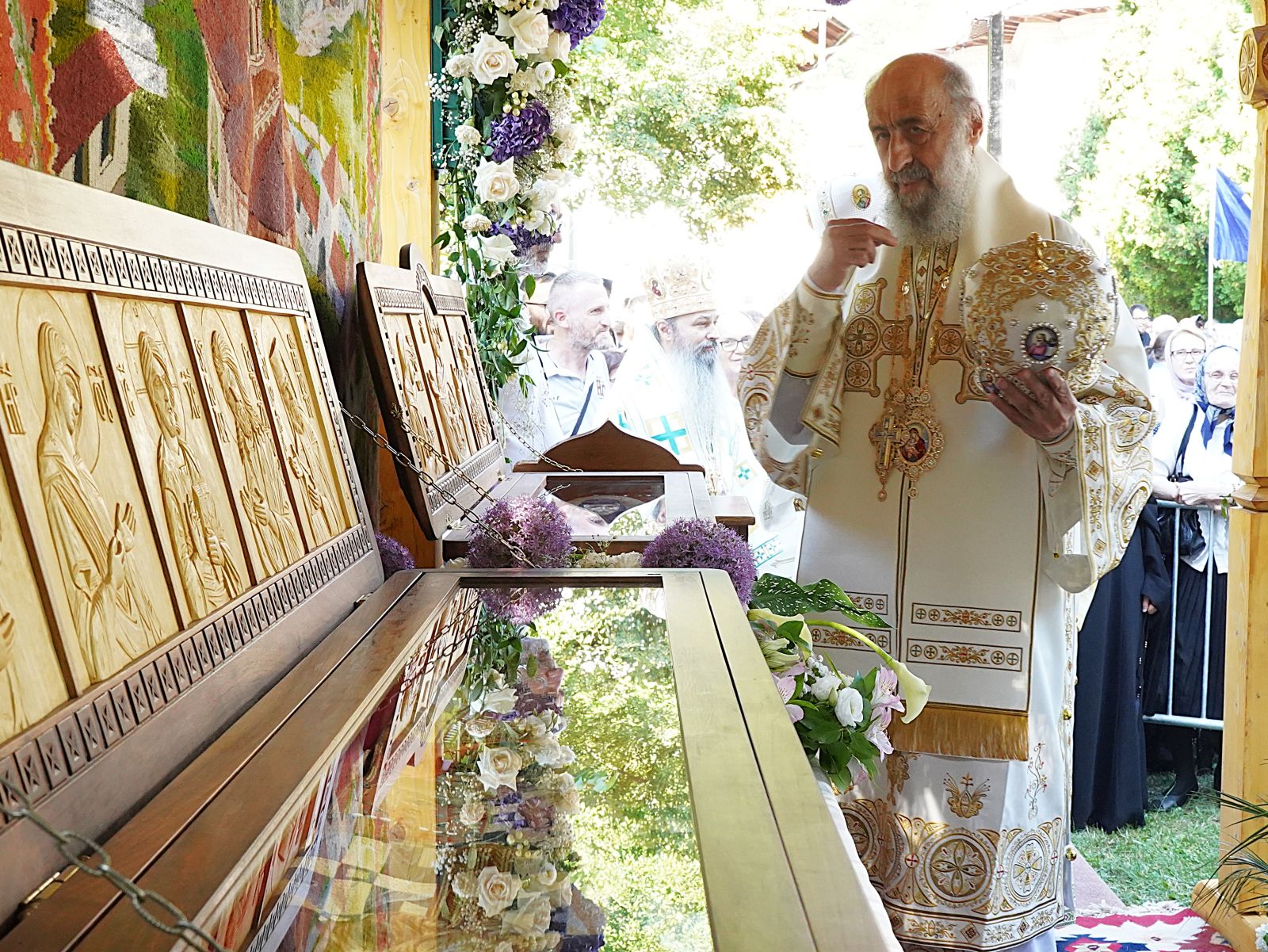
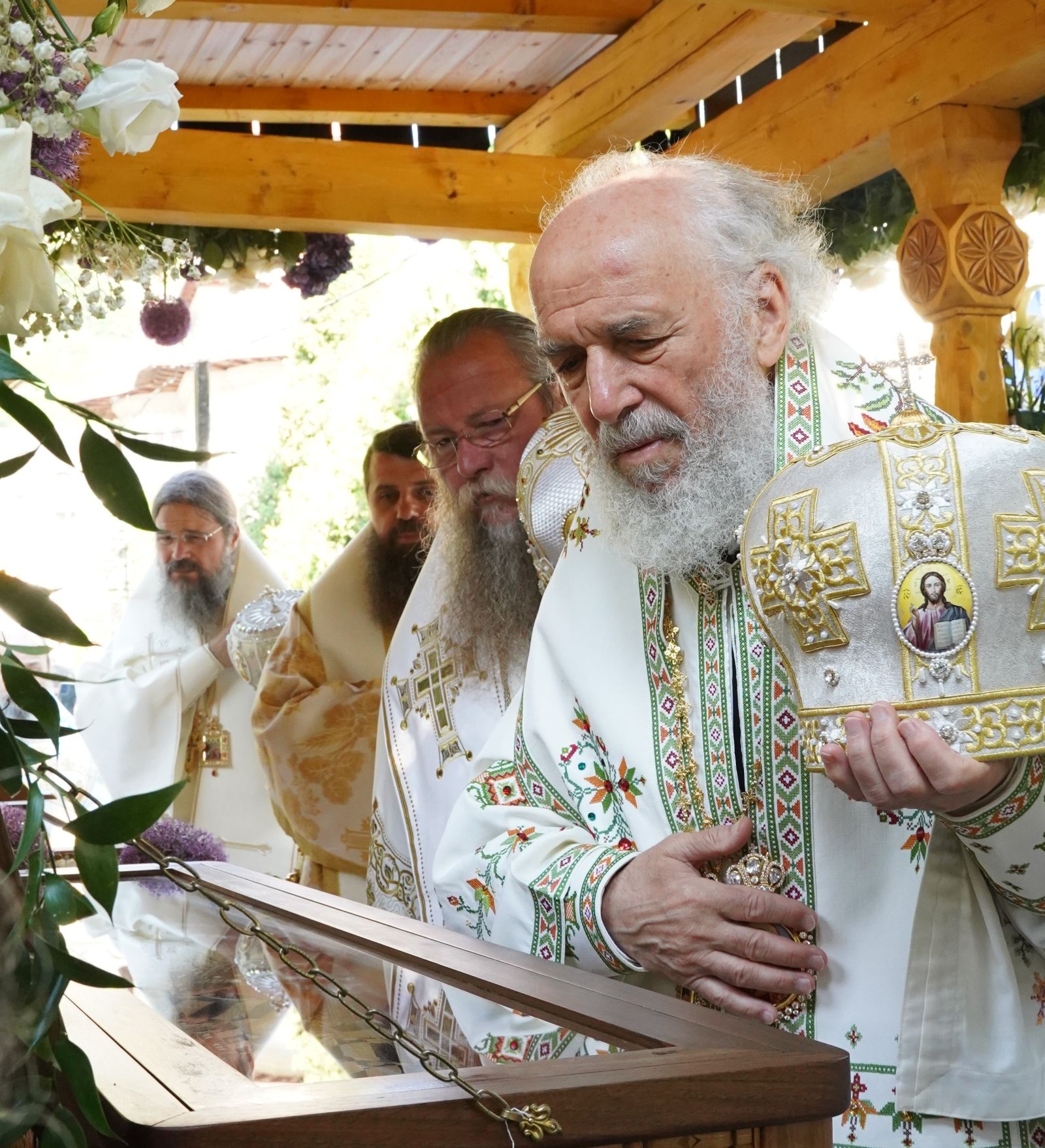
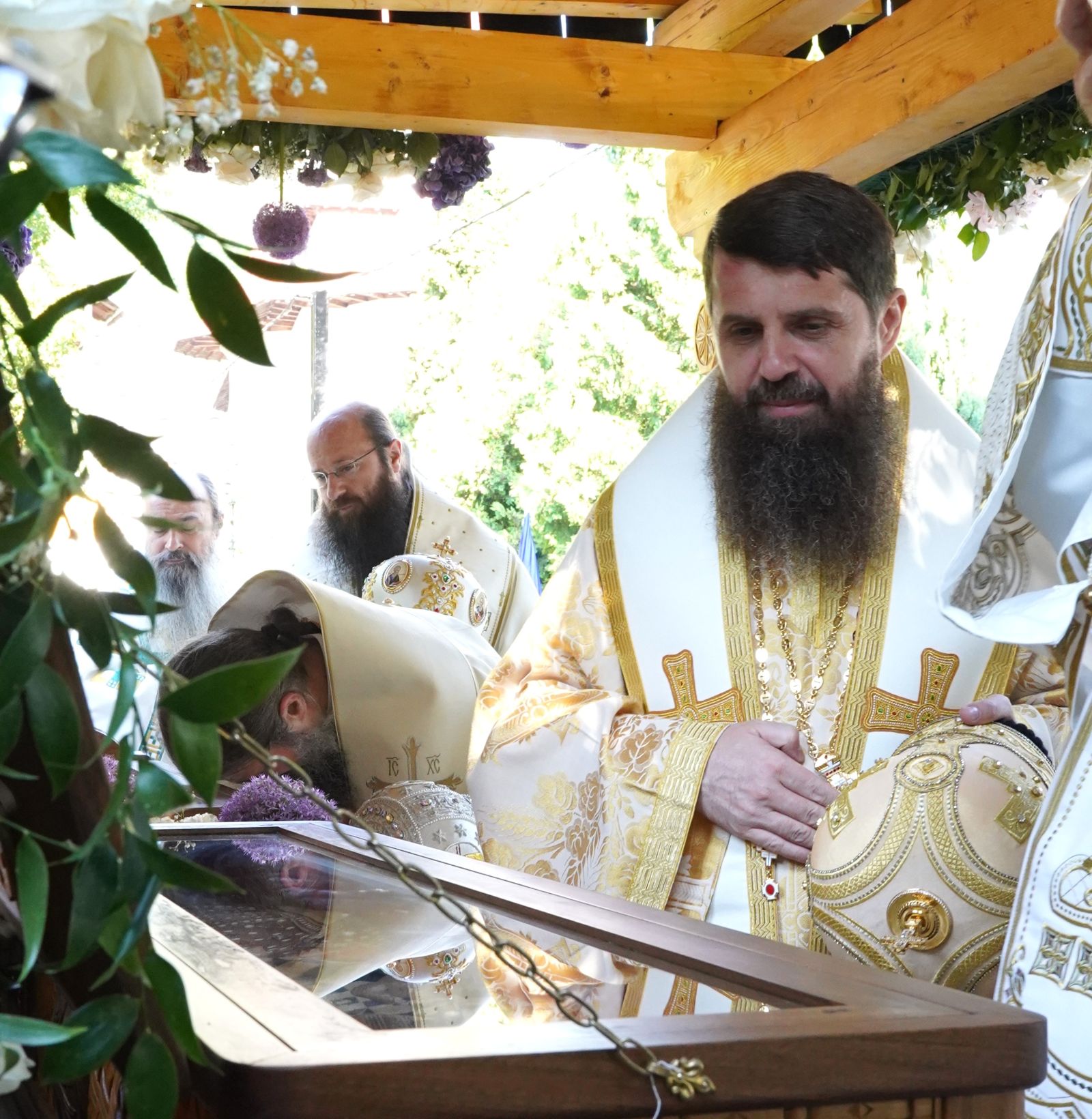
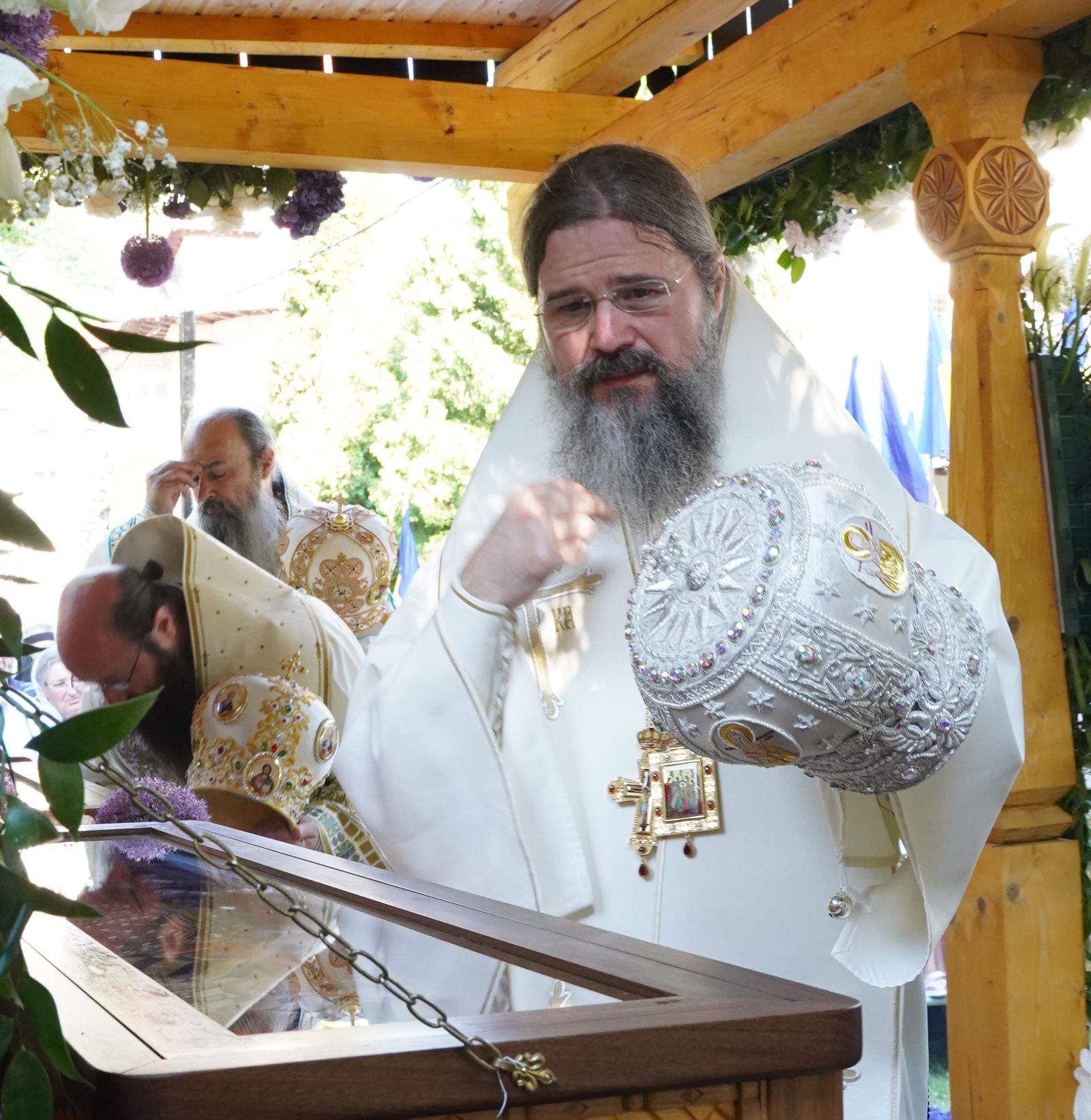
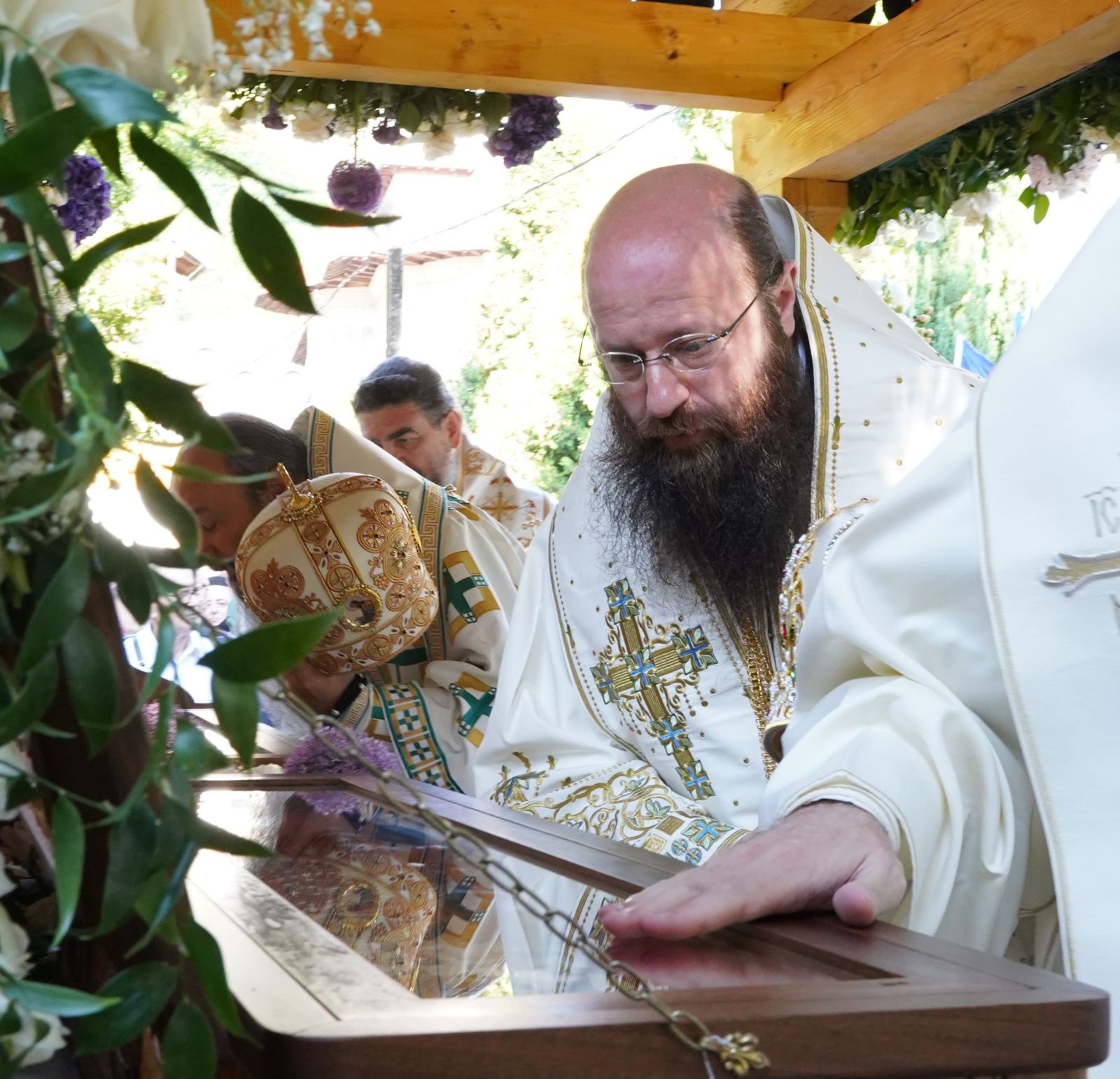
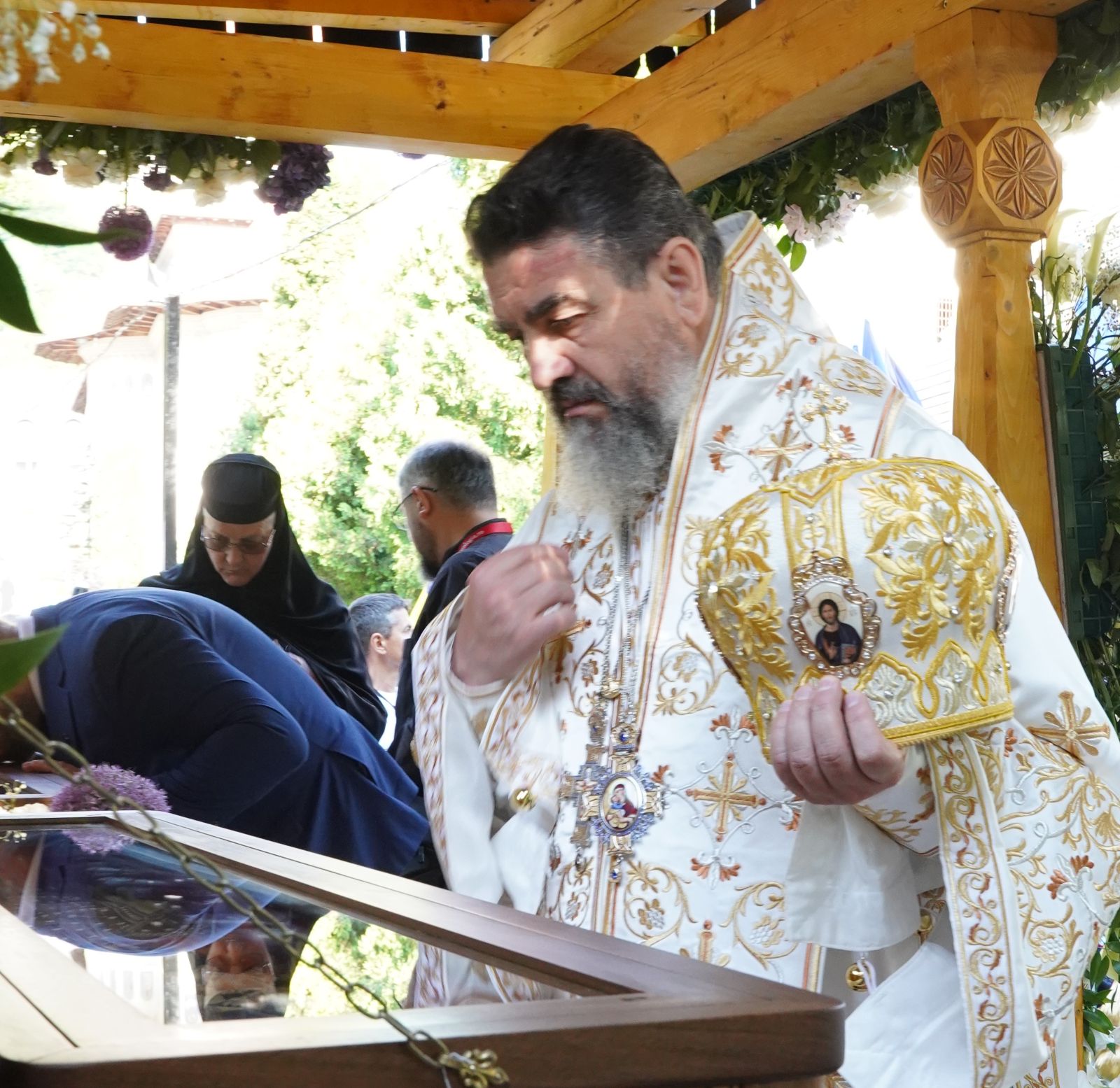
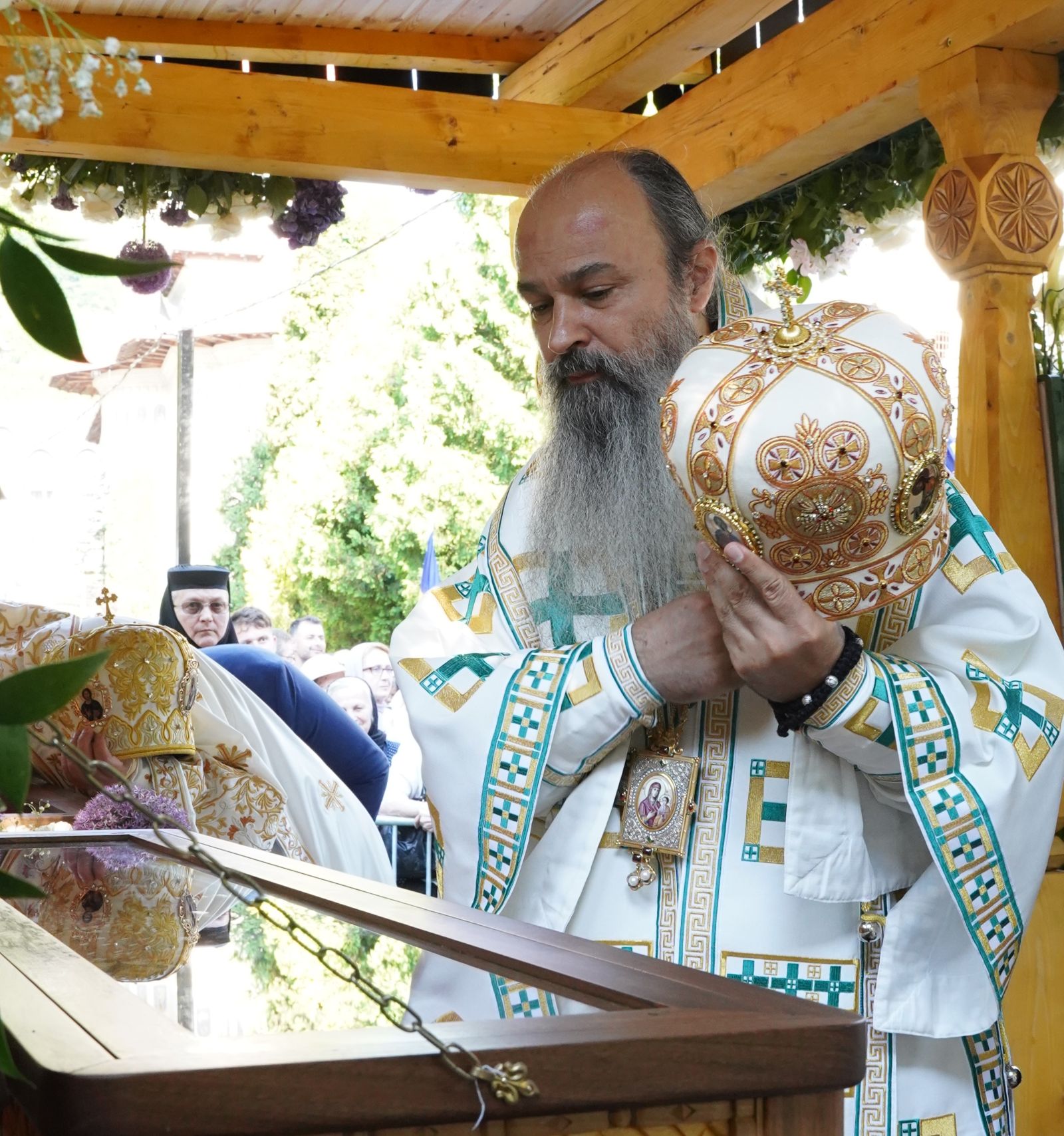
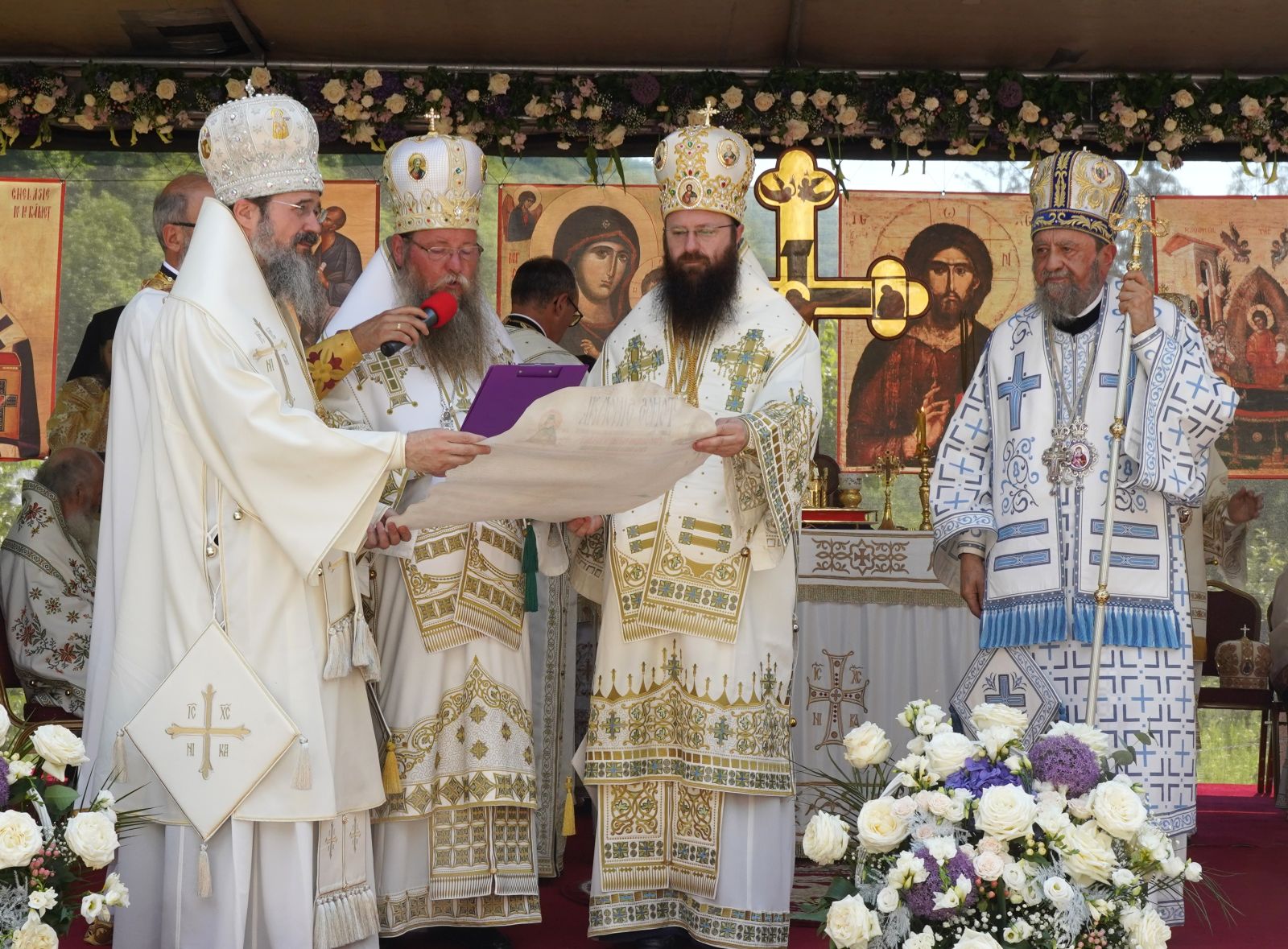
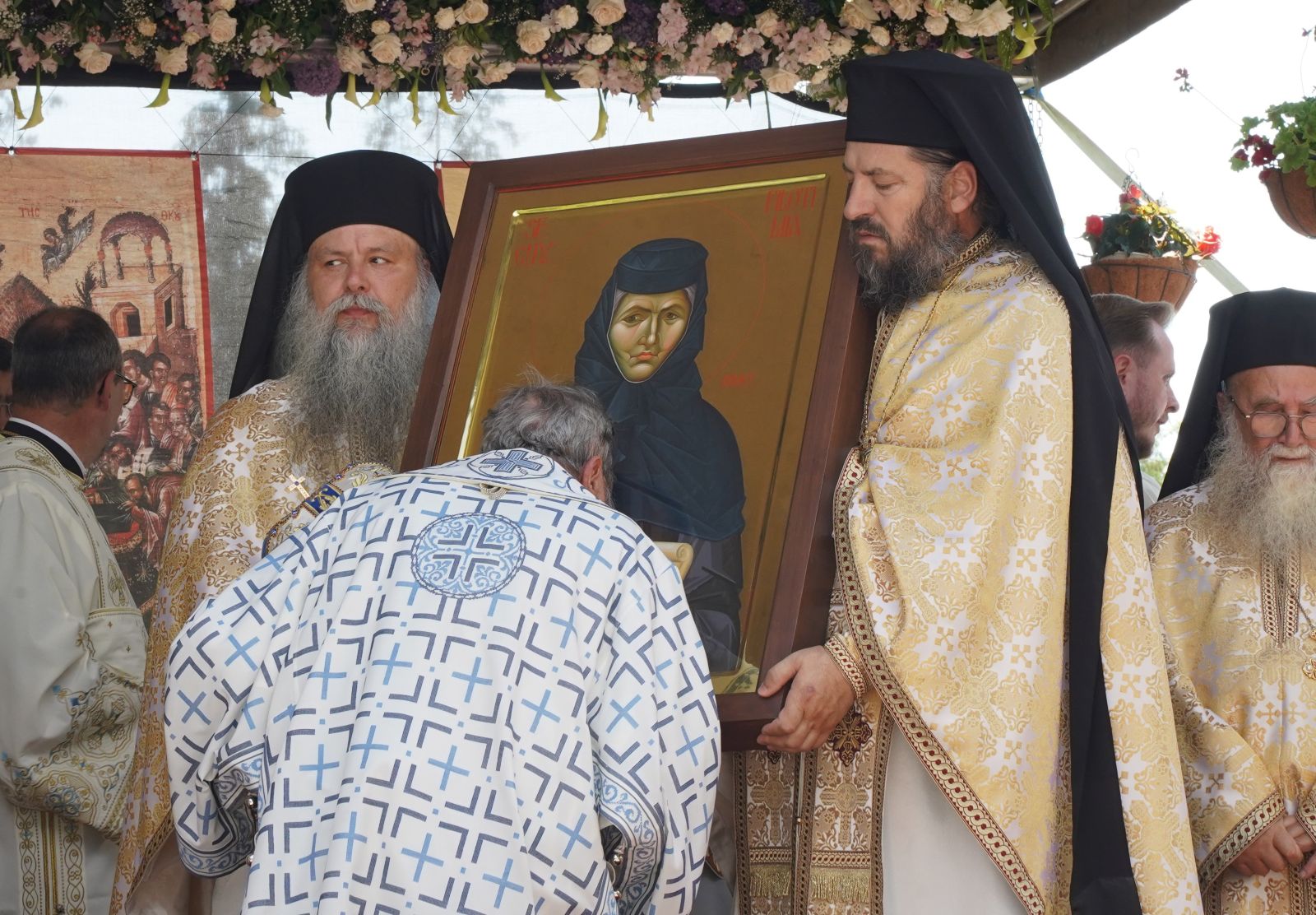
Photo: Radio Reîntregirea / Deacon Ștefan Bretoiu