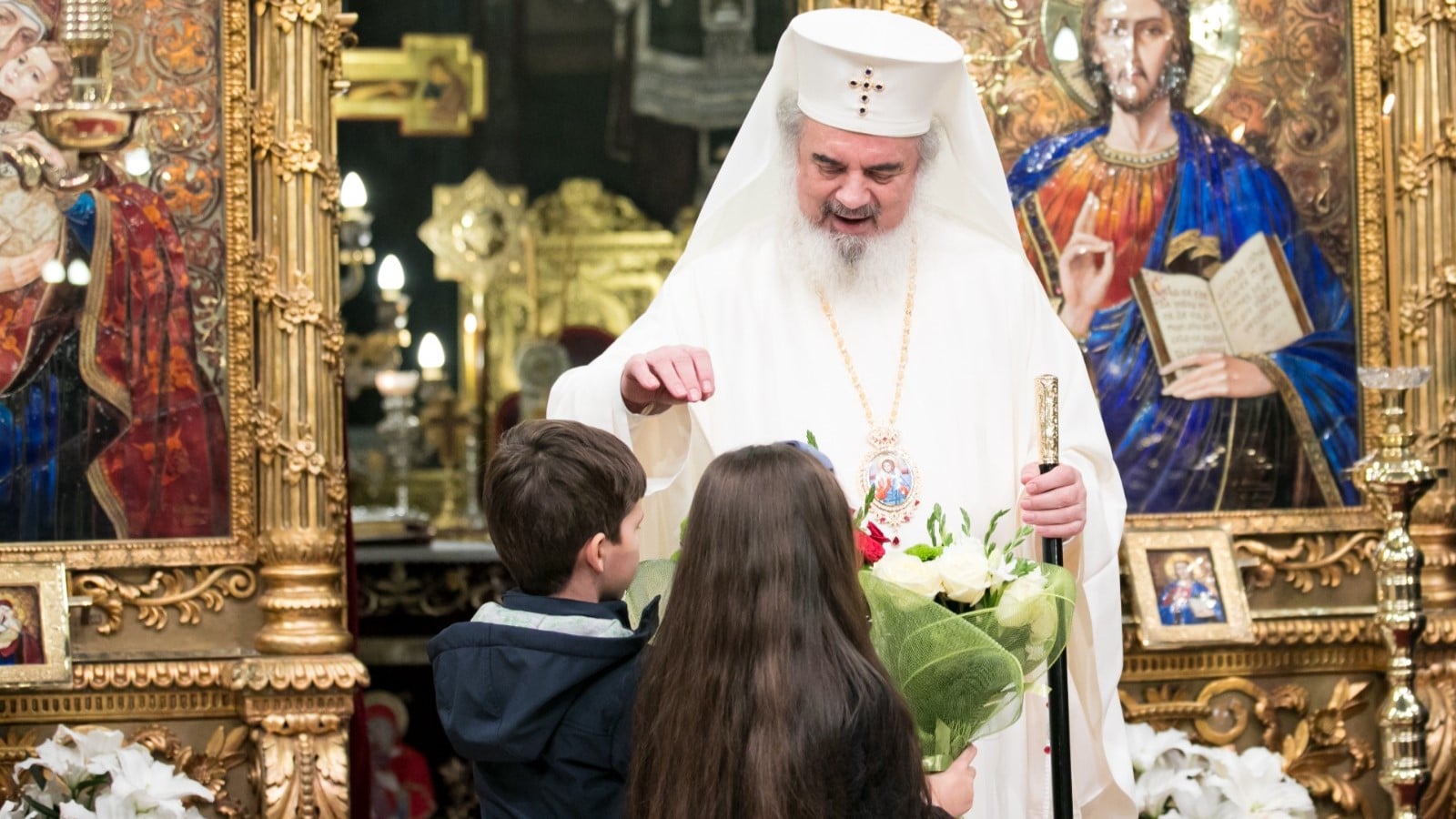
Patriarch Daniel has called on Christian families to rediscover the spiritual vocation of the home as “a space of faith and generous love” in his message for International Children’s Day 2026, celebrated this year together with the Feast of the Holy Trinity.
In the message, entitled “The Christian Family – Icon of the Love of the Holy Trinity”, the Patriarch of the Romanian Orthodox Church reflects on the relationship between the family, the Church and the mystery of the Holy Trinity, describing the family as the “household church” and the first school of faith for children.
The Patriarch warns that contemporary families face growing challenges, including demographic decline, weakened intergenerational ties, individualism, and the impact of technology and mass media on education. He stresses that the Church has the mission of offering pastoral guidance and spiritual support for every stage of family life.
Patriarch Daniel also notes that 2026 was proclaimed by the Holy Synod of the Romanian Orthodox Church as the Solemn Year of the Pastoral Care of the Christian Family, calling believers to rediscover models of holiness within family life through prayer, patience, forgiveness and sacrificial love.
Please find below the full text of Patriarch Daniel’s message on International Children’s Day.
The Christian Family – Icon of the Love of the Holy Trinity
This year, International Children’s Day coincides with the Feast of the Holy Trinity, while the Sunday of Parents and Children – established by the Holy Synod of the Romanian Orthodox Church through Decision no. 629 of 12 March 2009 as the first Sunday after 1 June – coincides with the Sunday of All Saints.
The High Priestly Prayer of our Lord Jesus Christ shows that the Holy Trinity is the source and perfect model of the Church: “I do not pray for these alone, but also for those who will believe in Me through their word; that they all may be one, as You, Father, are in Me, and I in You; that they also may be one in Us, that the world may believe that You sent Me” (John 17:20–21).
Created in the image of an eternal Communion (Genesis 1:26) – the Father, the Son and the Holy Spirit – the human person is called to enter into the eternal love of the Holy Trinity: “God is love, and he who abides in love abides in God, and God in him” (1 John 4:16).
The Holy Spirit confirms the Fatherhood of the Father in relation to the Son and the Sonship of the Son in relation to the Father. The Holy Spirit grants the love of the Holy Trinity to those who believe in the Lord Jesus Christ. Therefore, through the grace of the Holy Spirit in the Sacrament of Baptism, we receive the dignity of spiritual sons and daughters, while through the Sacrament of Ordination, we receive spiritual fatherhood; both are reflections of the active presence of the Holy Trinity in the life of the Church.
There is a profound connection between the mystery of the Church and the mystery of the family (cf. Ephesians 5:32). The family is the “household church,” in the words of Blessed Augustine, the first school of faith, where the child begins to understand the mystery of God’s parental love for all people and where filial and fraternal love in Christ is learned.
In a world marked by indifference or spiritual confusion, the family faces numerous challenges: demographic decline, uncertainty about the future, fragmentation of intergenerational ties, individual selfishness, distortion of authority, and the impact of technology and mass media on education.
The year 2026, proclaimed by the Holy Synod of the Romanian Orthodox Church as the Solemn Year of the Pastoral Care of the Christian Family, invites us to profound reflection on how holiness may flourish within the family home, transforming each Christian household into a space of faith and generous love.
The Christian family is called to rediscover models of holy living in the many saintly families throughout the history of the Church, where Christian virtues were learned and practised: persevering prayer, patience, forgiveness, helping those in need, discernment and sacrificial love.
The Church has the mission of offering pastoral guidance and spiritual support – especially through the Holy Sacraments – for every stage of family life: strengthening the bonds of love among family members, the birth and upbringing of children, and preparing young people for marriage.
At the same time, the Church affirms the dignity of the family in society, develops counselling programmes and spiritual and material support for families in difficulty, and provides appropriate religious education for children and young people.
We pray to the Holy Trinity, the Source of life and eternal love, to pour out abundant gifts upon parents and children, so that they may cultivate the enduring values of the confessing Christian family.
With much esteem and paternal blessing,
† Daniel
Patriarch of the Romanian Orthodox Church
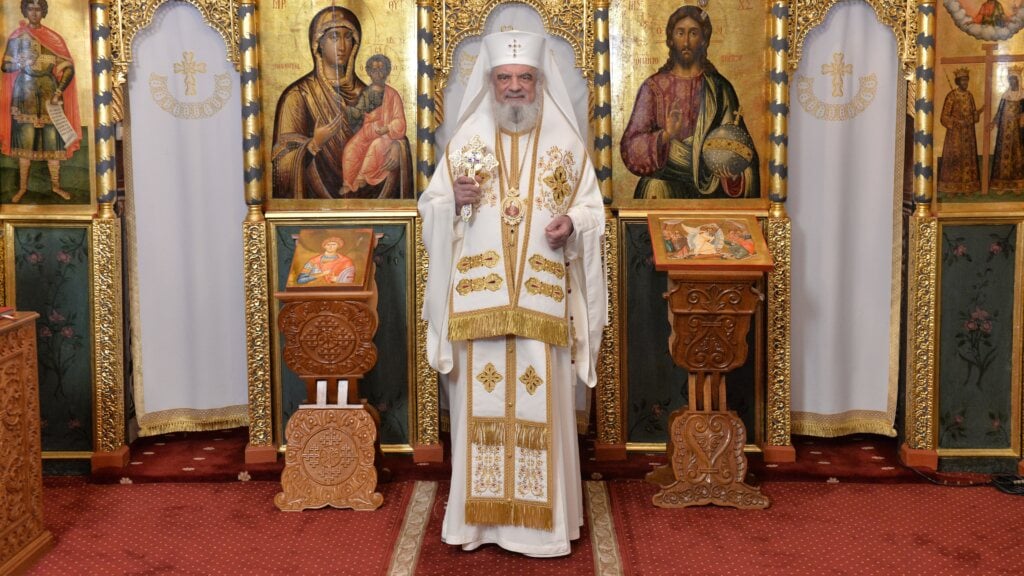
Photo: Basilica.ro / Mircea Florescu