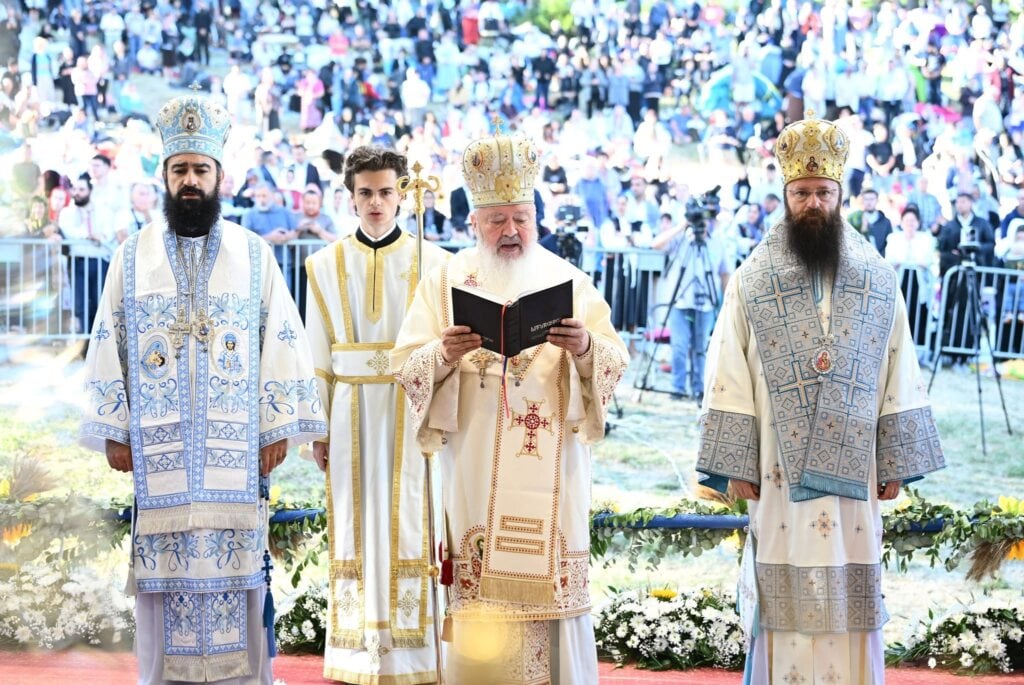
On Sunday, Patriarch Daniel of Romania described the Parable of the Prodigal Son as “a Gospel of forgiveness for the repentant sinner and a call to soften the unforgiving pious man”.
Speaking at the Patriarchal Cathedral, His Beatitude emphasized that the Church has placed this parable on the second Sunday of the Triodion period as a lesson in spiritual pedagogy, helping believers understand the importance of sincere repentance in the soul’s journey toward the Resurrection.
“How Wonderful It Is to Recover What Was Lost”
“The steps of spiritual ascent from sin, which the prodigal son followed, are the essential steps of repentance and confession,” Patriarch Daniel explained.
“This Gospel teaches us how to repent and, most importantly, how great the gift and joy of forgiveness are—how wonderful it is to recover what was lost and to witness the resurrection of one who was spiritually dead.”
The Patriarch explained that the two sons in the parable represent two attitudes toward God:
- The elder son symbolizes faithfulness and obedience to God, remaining steadfast in His House (the Church).
- The younger son represents a life of disorderly freedom and sinful passions.
“These two sons can represent two different types of people, but also two different spiritual states within the same person at different times in life—the freedom to remain in communion with God and the freedom to distance oneself from Him.”
“When We Are Forced to Fast”
His Beatitude explained key moments in the parable, including the “great famine” that struck the distant land where the prodigal son had wandered.
“A drought permitted by God could have caused this famine. When human freedom becomes reckless or self-destructive, God’s wisdom often seeks to save the sinful and passionate person by calling them to repentance.”
“In other words, when we do not voluntarily restrain our material greed, we end up fasting by necessity. God may allow external material hardships to bring about spiritual transformation in those enslaved by transient material possessions.”
Thus, the great famine symbolizes spiritual trials allowed by God—not as punishment but as spiritual therapy to remind humanity that all material things, including life itself, are temporary.
Patriarch Daniel further noted that the Gospel reveals that separation from God and indulgence in sinful passions are not natural states, even though society may normalize them.
“Sin and death are not natural or God’s will—they are the fallen state of human nature, the consequences of a misguided freedom that distances one from God.”
“The Unforgiving Pious Man”
In discussing the final scene of the parable, Patriarch Daniel emphasized that God’s merciful love transcends human calculations of fairness.
“The elder son believed that the reckless younger brother deserved punishment, not mercy. But the father’s boundless, undeserved love for his repentant son stirred jealousy and anger in the elder brother, who failed to understand his father’s spiritual wisdom.”
The Patriarch pointed out that the elder son represents certain devout and upright believers—diligent, pious, and devoted to the Church—who sometimes lack mercy and forgiveness toward sinners in their community.
“Rather than helping sinners to correct their ways, they are more likely to judge them morally,” he observed.
Since the merciful father forgave his repentant son and urged the faithful elder brother to show the same mercy, this parable is both “a Gospel of forgiveness for the repentant sinner and a call to soften the unforgiving pious.”
Episcopal Ordination During the Divine Liturgy
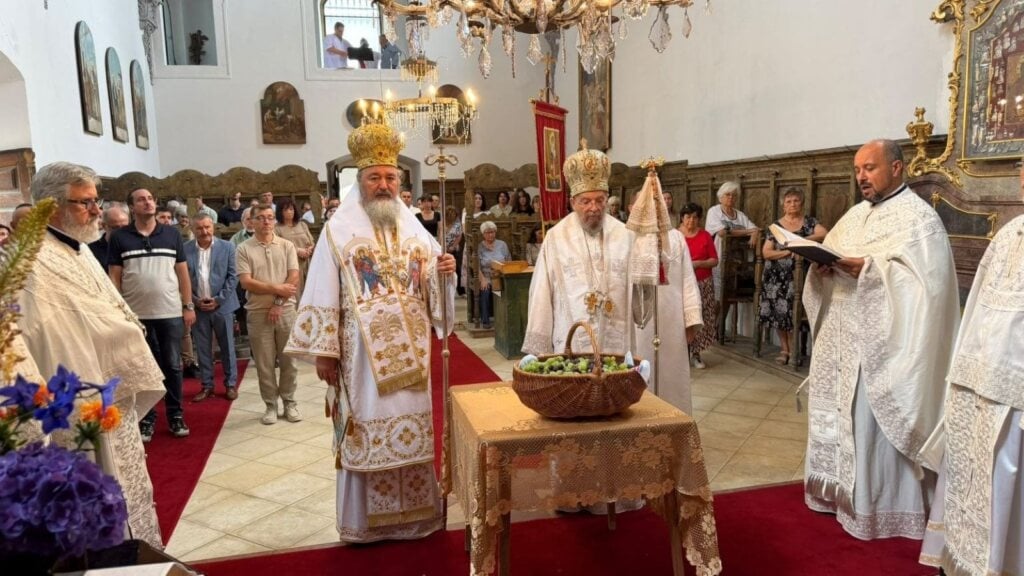
During the Divine Liturgy, Patriarch Daniel ordained Archimandrite Nectarie Clinci as the new Assistant Bishop of the Archdiocese of Chișinău.
Check out more pictures in our Photo Gallery section.
Photo: Basilica.ro / Mircea Florescu