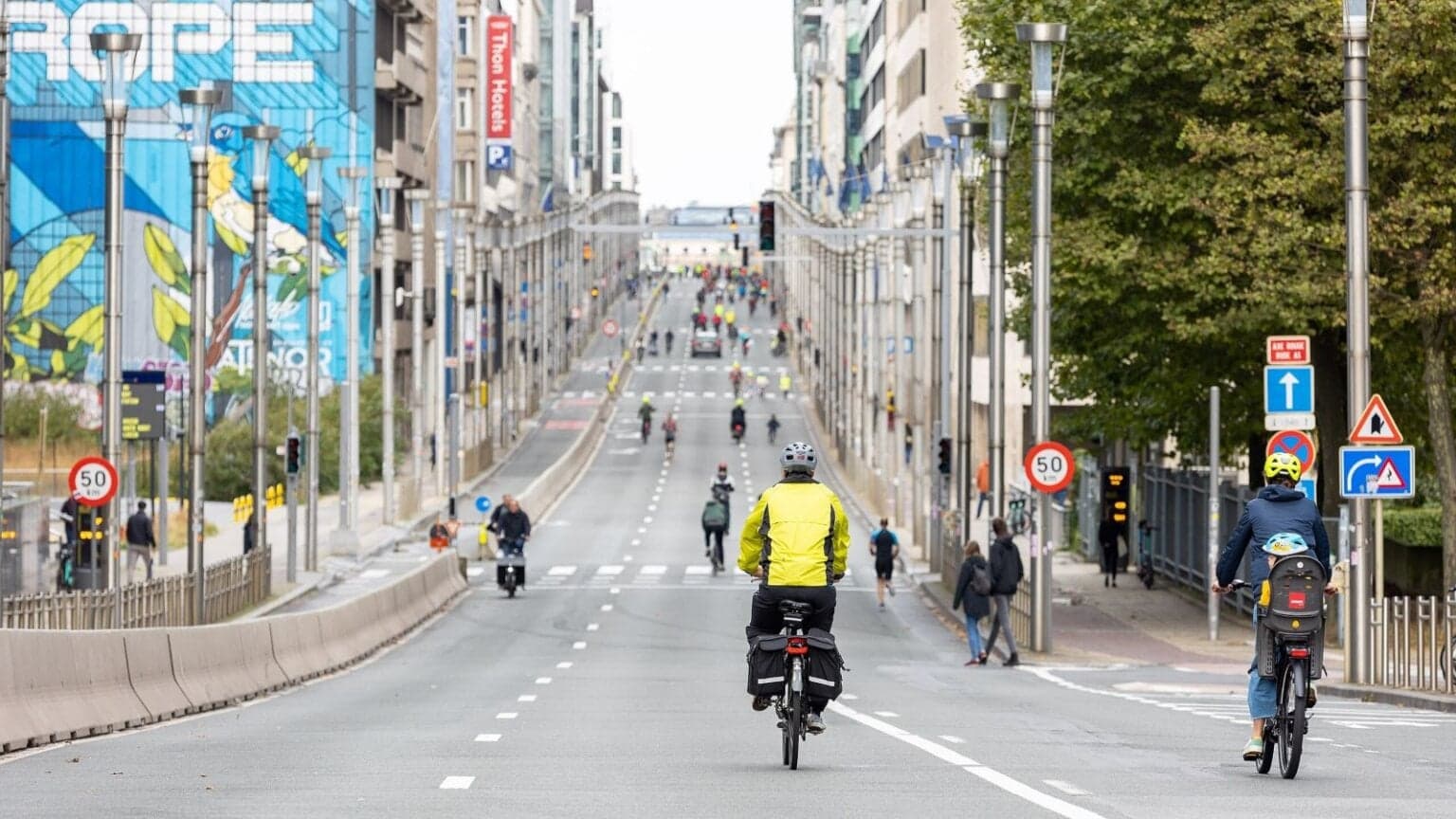
Sunday, September 22, marks World Car Free Day in cities around the world, an older initiative that gained popularity in the 1990s.
Car-free days were established in some Western countries during an oil crisis in the 1970s. But it was not until October 1994, at the International Conference on Accessible Cities in Toledo, Spain, that an international call for such projects was launched.
In the following years, the first Car Free Days were organised – in Reykjavík (Iceland), Bath (UK) and La Rochelle (France) – and an informal international consortium dedicated to the initiative was set up.
Today, Bogotá, the capital of Colombia, has the most extensive car-free day – city-wide.
This year, on World Car Free Day, the City of London is closing 200 streets to motorised traffic. Some of them are transformed into socialising spaces and public event venues.
In the European Union, World Car Free Day is part of European Mobility Week, an initiative launched in April 2002, which now involves more than 2,500 European cities.