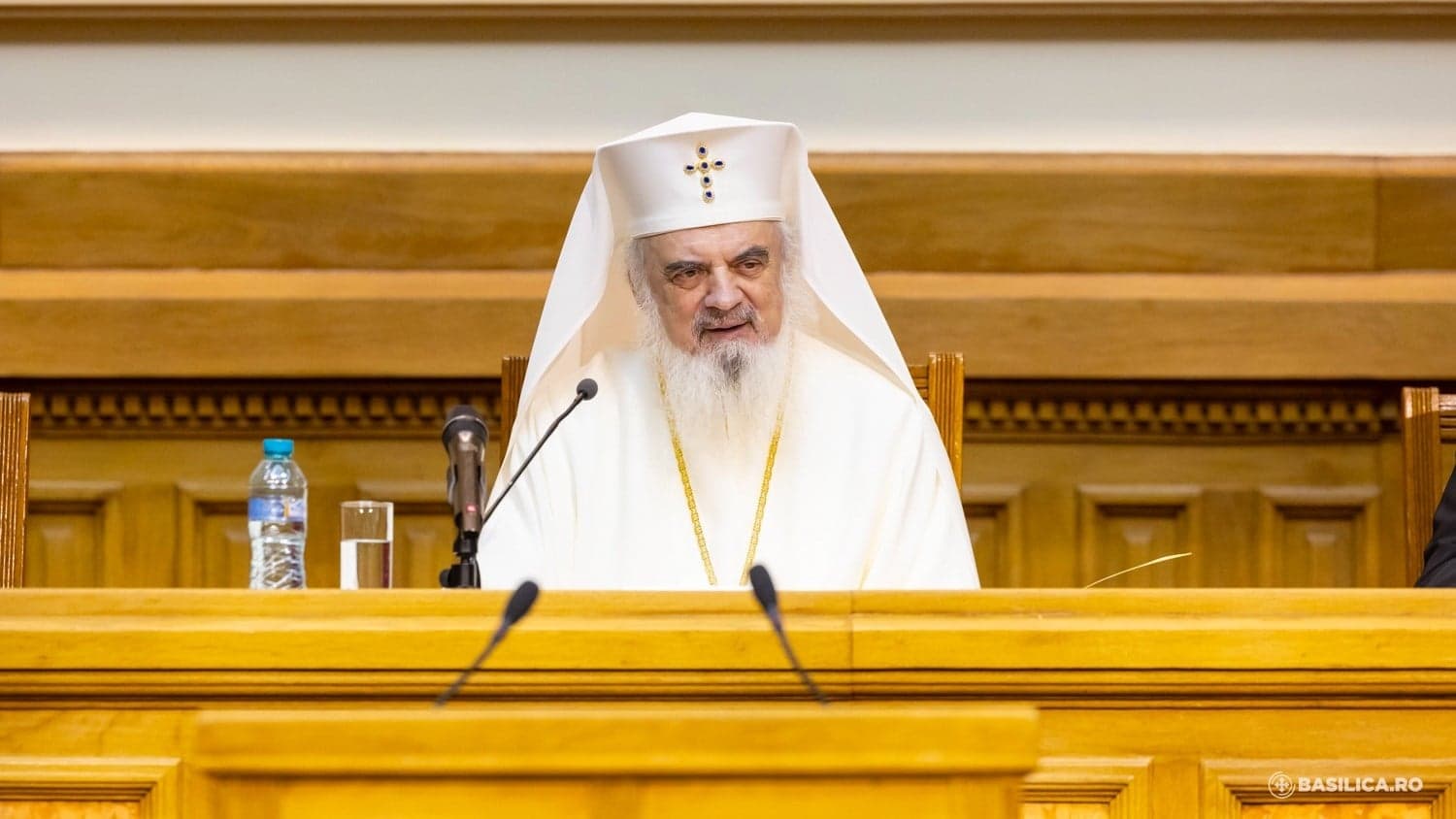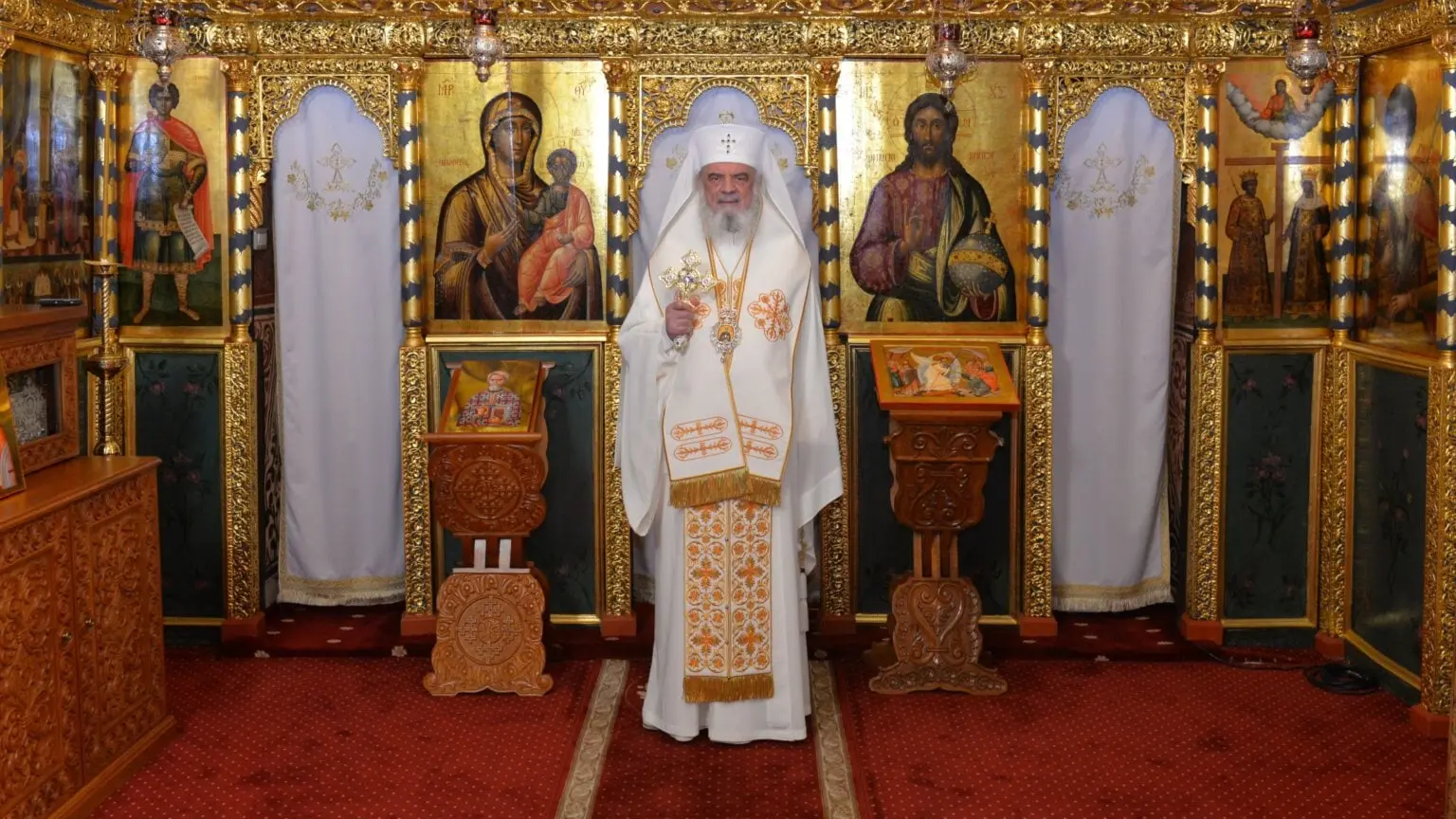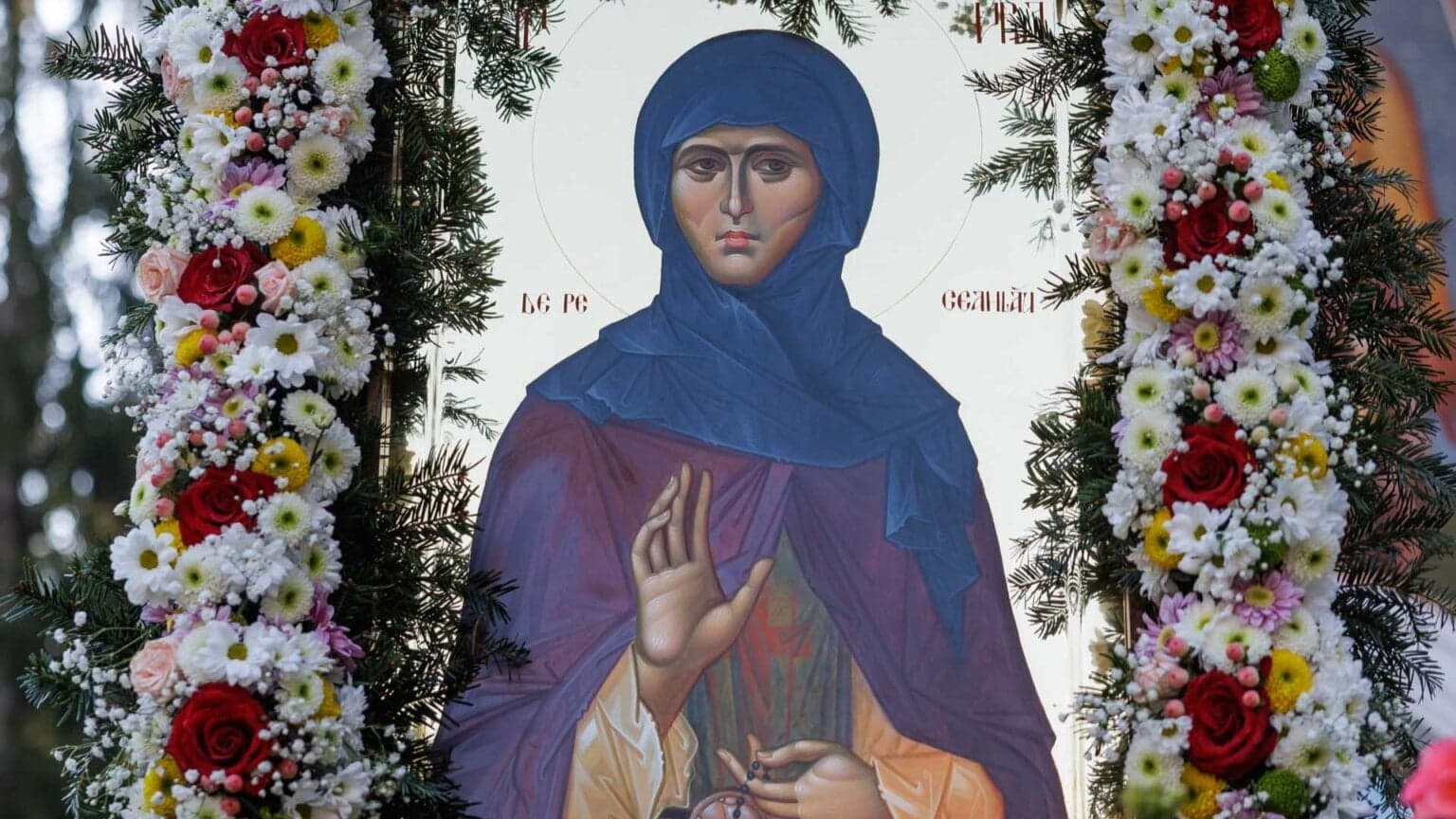
His Beatitude Patriarch Daniel of Romania on Monday delivered a message marking the local proclamation of the canonisation of Saint Mavra of Ceahlău, presenting the 17th–18th century ascetic as a model of unceasing prayer and humility for contemporary believers.
In his address, the Patriarch highlighted the saint’s role in the early development of hesychast spirituality in Moldavia, describing her life as evidence that the tradition of the Jesus Prayer had already taken root in the Carpathian region before its later flourishing under major monastic figures.
He also underscored the broader significance of her canonisation, which is part of the Romanian Orthodox Church’s wider recognition of Romanian holy women, noting their enduring contribution to the spiritual life and identity of the faithful.
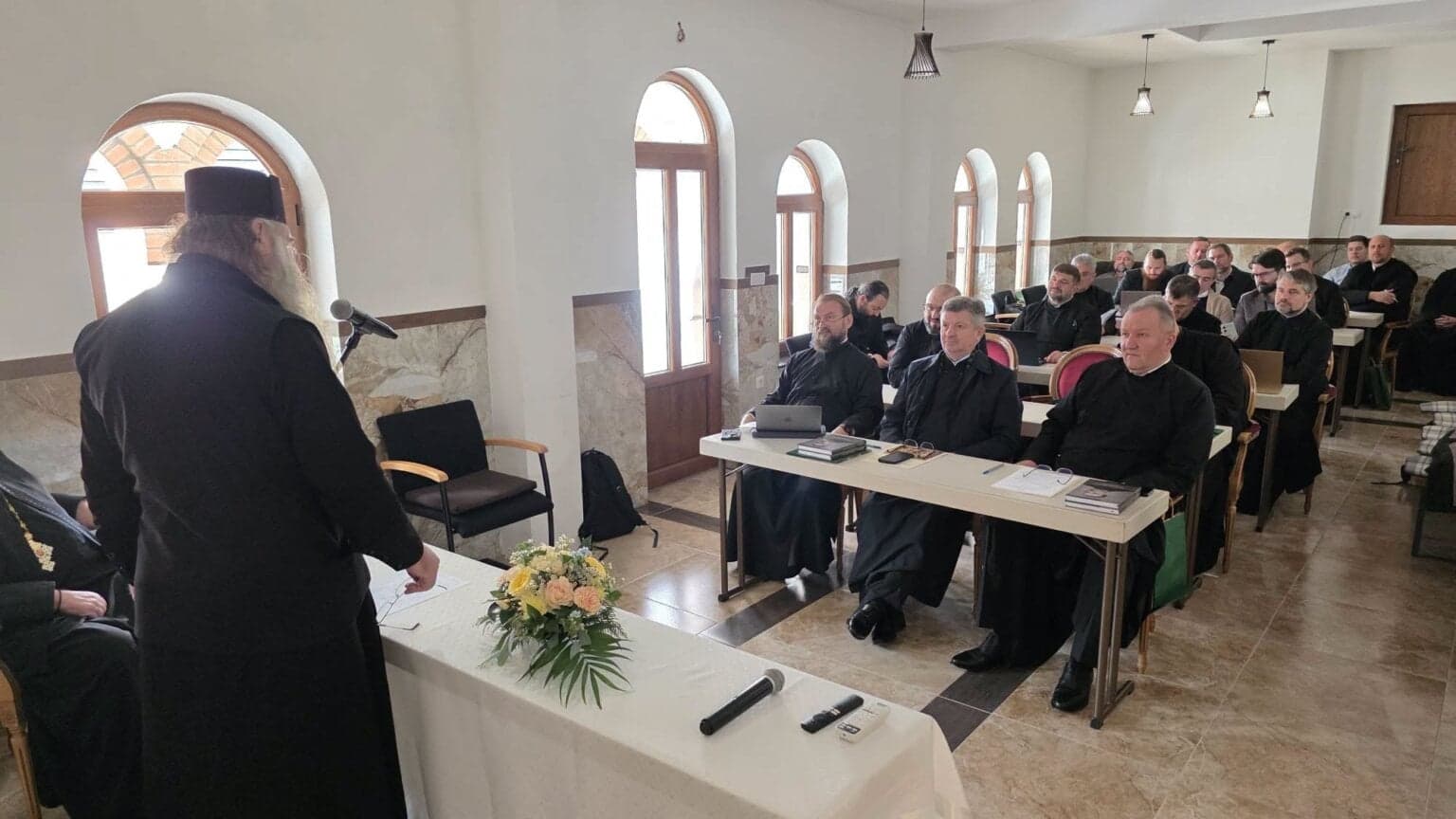
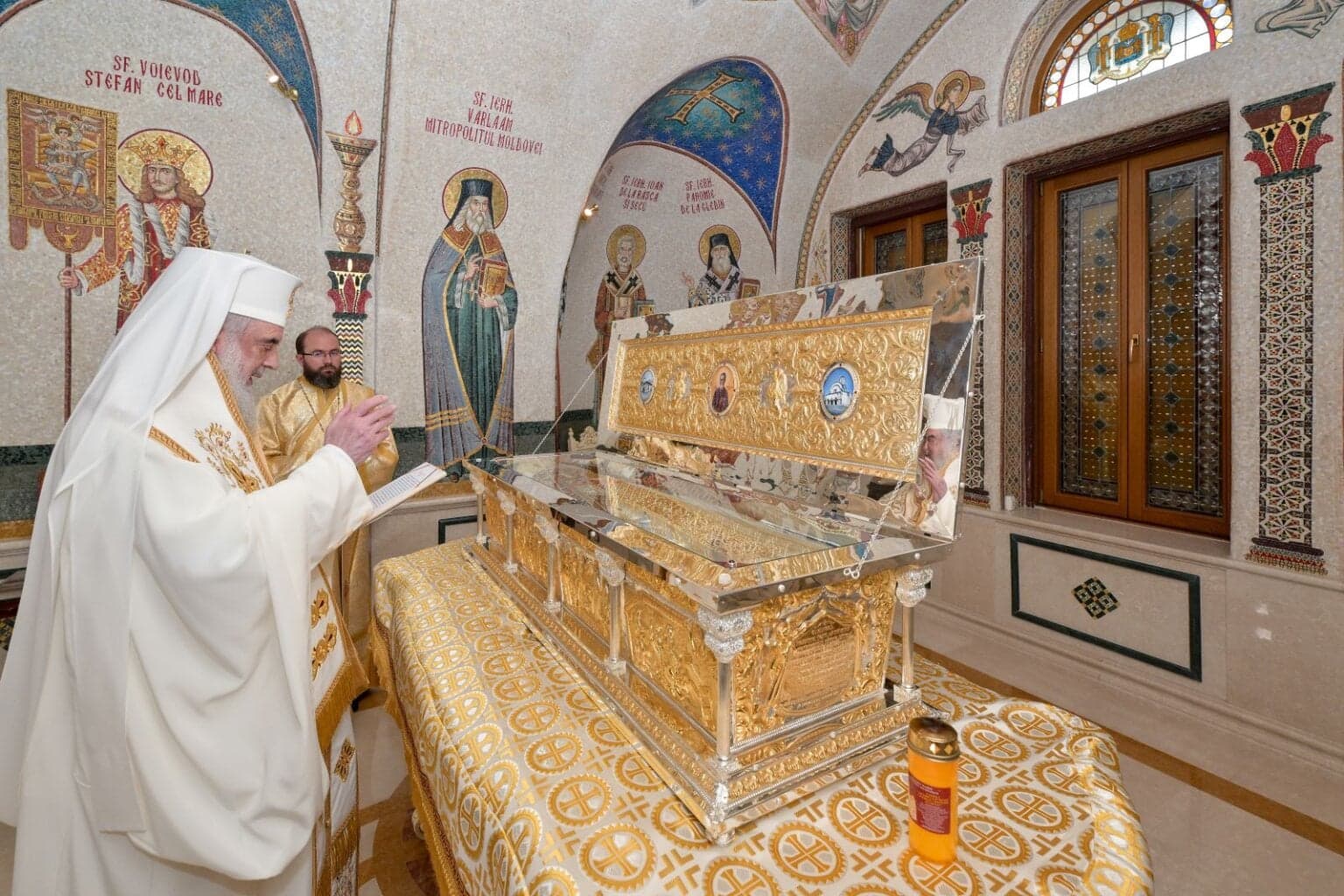
The message was delivered in the context of liturgical celebrations dedicated to Saint Mavra, drawing clergy, monastics and pilgrims at Durău monastery to honour what the Romanian Patriarch described as a “living witness” of Orthodox ascetic tradition and spiritual perseverance.
Please find below Patriarch Daniel’s full message for the local proclamation of the canonisation of Saint Mavra of Ceahlău.
Saint Mavra of Ceahlău, Icon of Unceasing Prayer and Steadfast Humility
With great joy and reverence, today we duly honour the radiant image of the Venerable Saint Mavra of Mount Ceahlău, the great hesychast ascetic who illumined the land of Moldavia at the end of the seventeenth century and the beginning of the eighteenth century. Through this much-labouring saint, the work of unceasing prayer took deep root in the dense forests and on the steep slopes of the mountains.
Her silent witness—known through her very life and through the spiritual traces she left behind—calls us to behold with reverence this God-bearing venerable mother, who, shining in virtue, became through her deeds a guide for hesychast nuns and for all those who seek God.
1. A Prayerful Hesychast
The highest and most hidden work of Saint Mavra was the prayer of the heart, or hesychast prayer. This prayer, which gathers all the powers of the soul into a single inward movement through the unceasing remembrance of the name of the Lord Jesus Christ, kindled within her heart the purifying light of divine love.
Saint Mavra lived before Moldavian hesychasm reached its full flowering in the eighteenth century, during the time of the great teacher of prayer, Saint Paisius Velichkovsky of Neamț. Yet her very life testifies that this spiritual work was already present in the mountains and hermitages of Moldavia, as the living inheritance of a tradition passed from spiritual father to disciple through the living word and spiritual life of the one who prayed.
This reality is also noted by Prince Dimitrie Cantemir in his work Descriptio Moldaviae, where he wrote that in the area of Mount Ceahlău “the forests rustled with the multitude of hermits.”
Tradition tells us that Saint Mavra slept only a few hours each night, seated on a small stool; she performed hundreds of prostrations and ate only once a day, towards evening, contenting herself with a few pieces of dry bread soaked in water and with wild fruits gathered from the forest. In her hermit’s hut, built by her own hands from earth and wood, her mind continually descended into the depths of the heart, repeating with every breath the holy and saving name of the Lord Jesus Christ.
The unceasing prayer, “Lord Jesus Christ, Son of God, have mercy on me, a sinner,” transformed her humble cell into a corner of heaven. The work of hesychast prayer is also reflected in the church built in the Nuns’ Meadow, dedicated to the Transfiguration of the Lord—a feast illuminated by the practice of hesychast prayer.
Just as on Mount Tabor the Lord Jesus Christ revealed Himself to His disciples—Peter, James and John—granting them to behold His divine glory, so too, through intense ascetic struggle and the ceaseless prayer of the heart, Saint Mavra of Ceahlău was granted to behold the uncreated light of Christ’s glory, in accordance with the promise: “Blessed are the pure in heart, for they shall see God” (Matthew 5:8).
Thus, the very location chosen for the chapel in the Nuns’ Meadow, facing the peak of Panaghia, and its dedication to the Transfiguration, are mystical testimonies of the inner work accomplished by Saint Mavra on Mount Ceahlău.
2. Humble Mind and Life
A second defining feature of Saint Mavra’s life is her profound humility. The work of unceasing prayer bore fruit in due time through the grace of the Holy Spirit, manifested in her spiritual gifts: foresight, healing and guidance.
These charisms, granted by God because of her deep humility, were received with trembling and vigilance, as she constantly guarded her spiritual life. Like a soldier defending a city from enemies, she guarded the fortress of her soul through unceasing prayer and humble-mindedness, overcoming all temptations of the demons.
Humility, which the Desert Fathers call “the mother of all virtues,” ensures that spiritual gifts are received with great care, lest spiritual labour be turned into pride—the fall of fallen man—and thus into a loss of grace.
Her decision to withdraw to an even more secluded place on the mountain sprang from a deep awareness of her own unworthiness. She retreated into the depths of the forest, desiring above all to stand in solitude and silence before God, dedicating herself entirely to prayer and ascetic struggle.
For her deep humility, just as she desired to remain unknown, retreating into the forests of Mount Ceahlău, so God revealed her holiness for the spiritual benefit of the faithful. Thus, in the life of this great hesychast ascetic, the words of the Lord Jesus Christ are fulfilled: “Let your light so shine before men, that they may see your good works and glorify your Father in heaven” (Matthew 5:16).
3. A Great Spiritual Guide of Hesychasts
A third important aspect of Saint Mavra’s life is her work of spiritual guidance and discernment. The fruits of her pure prayer and deep humility could not remain hidden, for Christ the Lord, Who said that “a city set on a hill cannot be hidden” (Matthew 5:14), willed that her gifts flow like a blessed spring over many souls thirsting for God.
Thus, without seeking it, Saint Mavra became a great guide for the hesychast nuns and hermit sisters of Mount Ceahlău and for all who sought soul-edifying counsel.
The first fruits of this guiding ministry appeared even within the community of the Silvestru Skete. Seeing her humility and zeal, the nuns took her life as a living sermon. Later, after her withdrawal to the meadow at Ponoară, where she desired to struggle in solitude, those seeking a life of strict asceticism started visiting her for spiritual guidance.
Many of them earnestly entreated to remain near her, forming a small community that eventually became the seed of a true monastic settlement. Through the labour of their hands and with the help of faithful from nearby villages, a church dedicated to the Transfiguration was built, along with cells for communal life.
The name of the “Nuns’ Meadow” skete, preserved to this day as a toponym, remains a clear echo of this remarkable spiritual work of Saint Mavra, a guide of hesychast monastics.
Canonisation and Contemporary Significance
The canonisation of Saint Mavra of Ceahlău, together with the other 15 Romanian holy women, reveals the blessed work of God among the Romanian people, from whom these holy women arose—spiritual mothers who, through their holy lives, became models of Christian living, guiding the faithful to Christ on the path of salvation.
Today, at the blessed moment of the local proclamation of her canonisation, we express our appreciation to the hierarchs, clergy and faithful who have come with reverence to honour this great intercessor.
We pray to Saint Mavra of Ceahlău that, together with the Most Holy Theotokos and all the saints, she may intercede before the Holy Trinity to grant peace and joy, health and salvation to all present, for the good of the entire Church.
† DANIEL
Patriarch of the Romanian Orthodox Church
Photo: Doxologia