“Great Lent is considered a spiritual spring, a renewal of the soul, which is why it coincides with the calendar spring,” said Patriarch Daniel of Romania on Clean Monday evening during the first service dedicated to the Great Canon of Saint Andrew of Crete.
His Beatitude emphasized that the significance of fasting lies in spiritual renewal and liberation from past sins through repentance.
“However, mere regret does not bring salvation. True repentance involves a continuous plea for forgiveness and a transformation in our way of thinking, speaking, and living.”
Fasting: Humanity’s First Test
Patriarch Daniel highlighted that fasting originated in Eden and explained why God established it for Adam and Eve.
“God forbade them from eating from the tree of the knowledge of good and evil because they were not yet spiritually mature. Knowledge was meant to be acquired gradually, just like their spiritual growth.”
“The first test for humanity was choosing between the Giver and His gifts. God placed them in a moment of maturity and faithfulness,” the Patriarch explained.
“If they had passed this test,” he continued, “if they had understood that obedience to God the Giver is more important than the gifts He provided, Adam and Eve would have grown spiritually.”
Instead, they were deceived by the cunning advice of the serpent, who was none other than the devil.
“That is why, in a way, God later showed mercy toward humanity, because mankind did not fall into disobedience entirely by its own initiative, but through deceptive guidance.”
Fasting as a Spiritual Battle
“The desire to be like God is not a sin in itself,” Patriarch Daniel noted, citing Saint Maximus the Confessor. “It becomes a sin when one seeks to be like God without God and against Him, as Lucifer did.”
His Beatitude stressed that fasting is not merely a practice of dietary discipline or aesthetic well-being.
“Fasting is a school of spiritual struggle, a battle against sinful passions, a gradual liberation from selfish desires so that we may attain the humble and merciful love found in Jesus Christ—the One who obeyed even unto death on the cross to heal the disobedience of our foreparents, Adam and Eve.”
This spiritual battle, he said, is taught by Christ Himself, who resisted the devil’s temptations after fasting for forty days in the wilderness.
Fasting as an Act of Love
“Fasting is a sign of Orthodox Christians’ love for God,” Patriarch Daniel added. “It shows that obedience to God and communion with Him in prayer is more important than consuming the gifts He has given for the nourishment of the body.”
In the second part of his message, His Beatitude spoke about the significance of the Prayer of Saint Ephrem the Syrian, which Elder Petroniu Tănase called the “epiclesis” of the Liturgy of the Presanctified Gifts.
“This prayer,” said Patriarch Daniel, “is the epiclesis of the liturgy of repentance—not an invocation of the Holy Spirit upon bread and wine, but upon the person repenting. And the transformation is not of bread into the Body of Christ or wine into His Blood, but of the sinful human being into a virtuous one, through the forgiveness of sins, repentance, and communion with Christ in prayer and in the Holy Eucharist.”
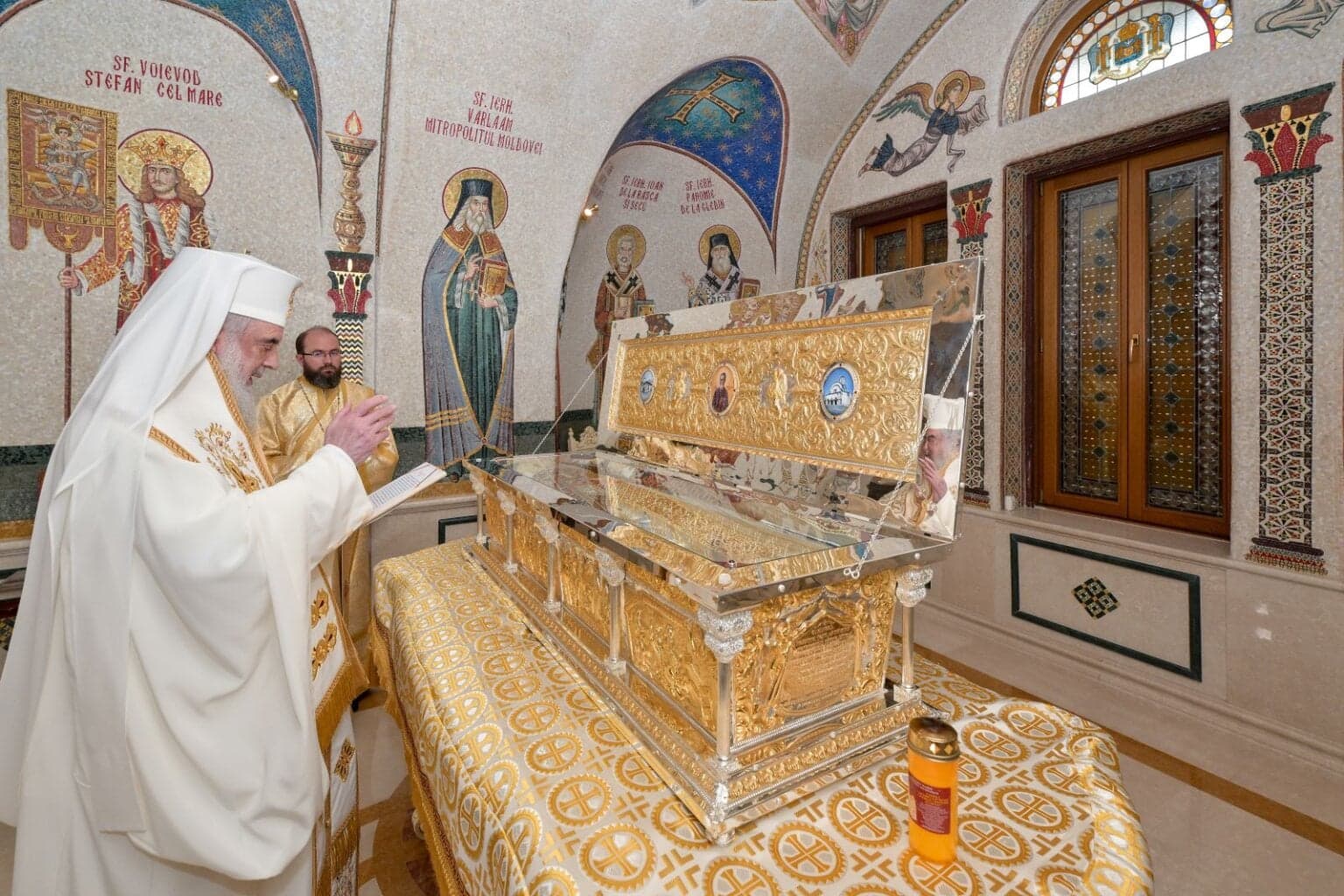
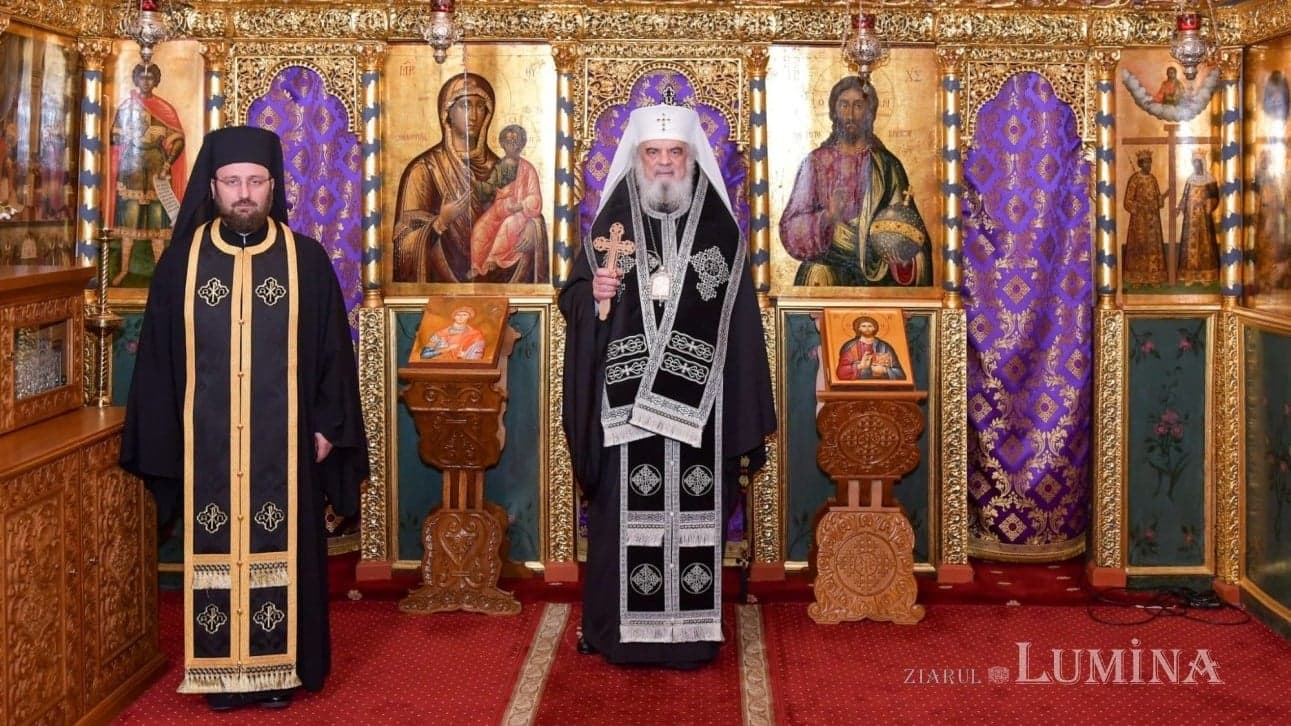
On Monday evening, Patriarch Daniel officiated the first part of the Great Canon of Saint Andrew of Crete at the Chapel of Saint George at the Patriarchal Residence. The Great Canon is read in segments during the first four evenings of Lent at the Great Compline service and in its entirety on Wednesday of the fifth week.
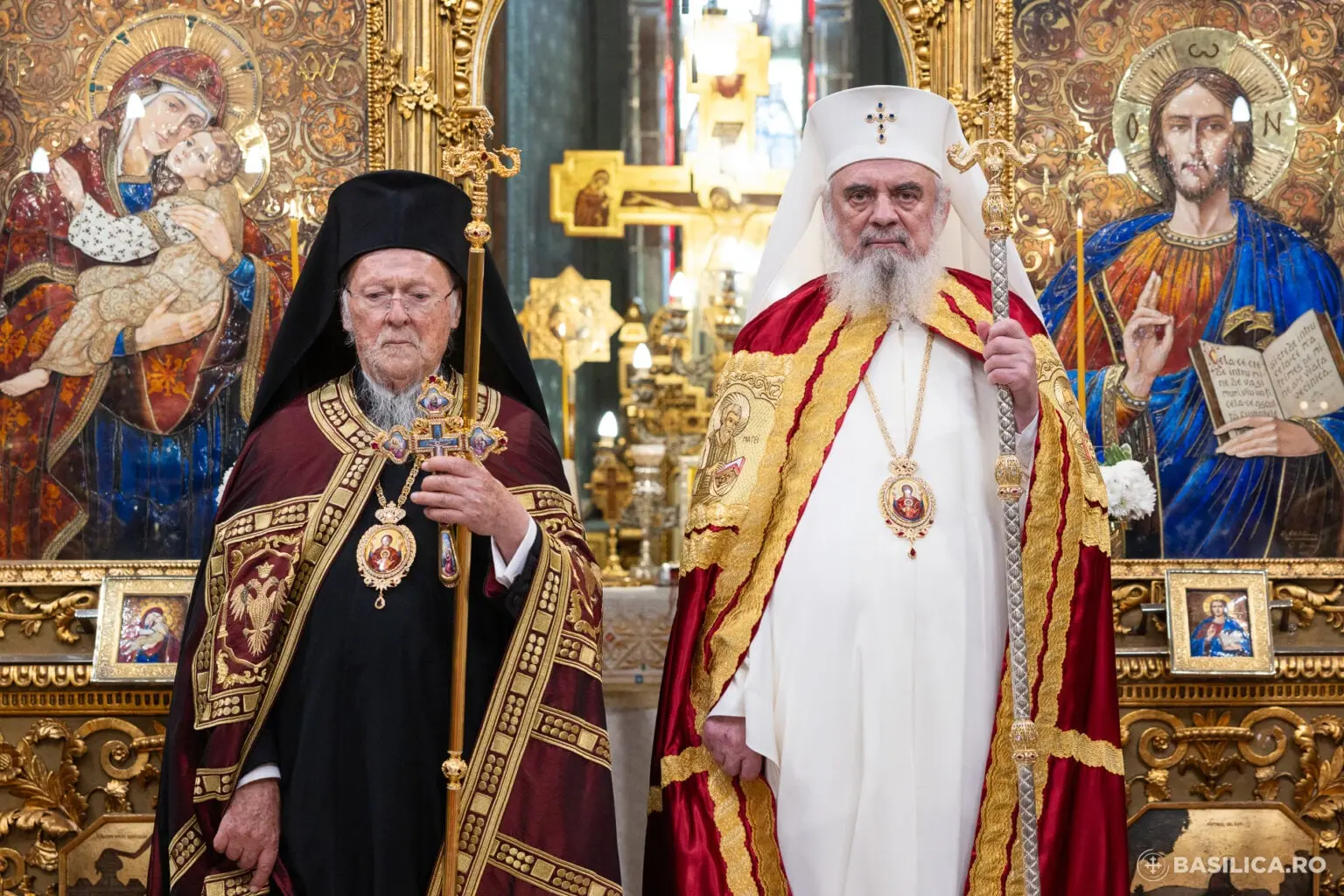
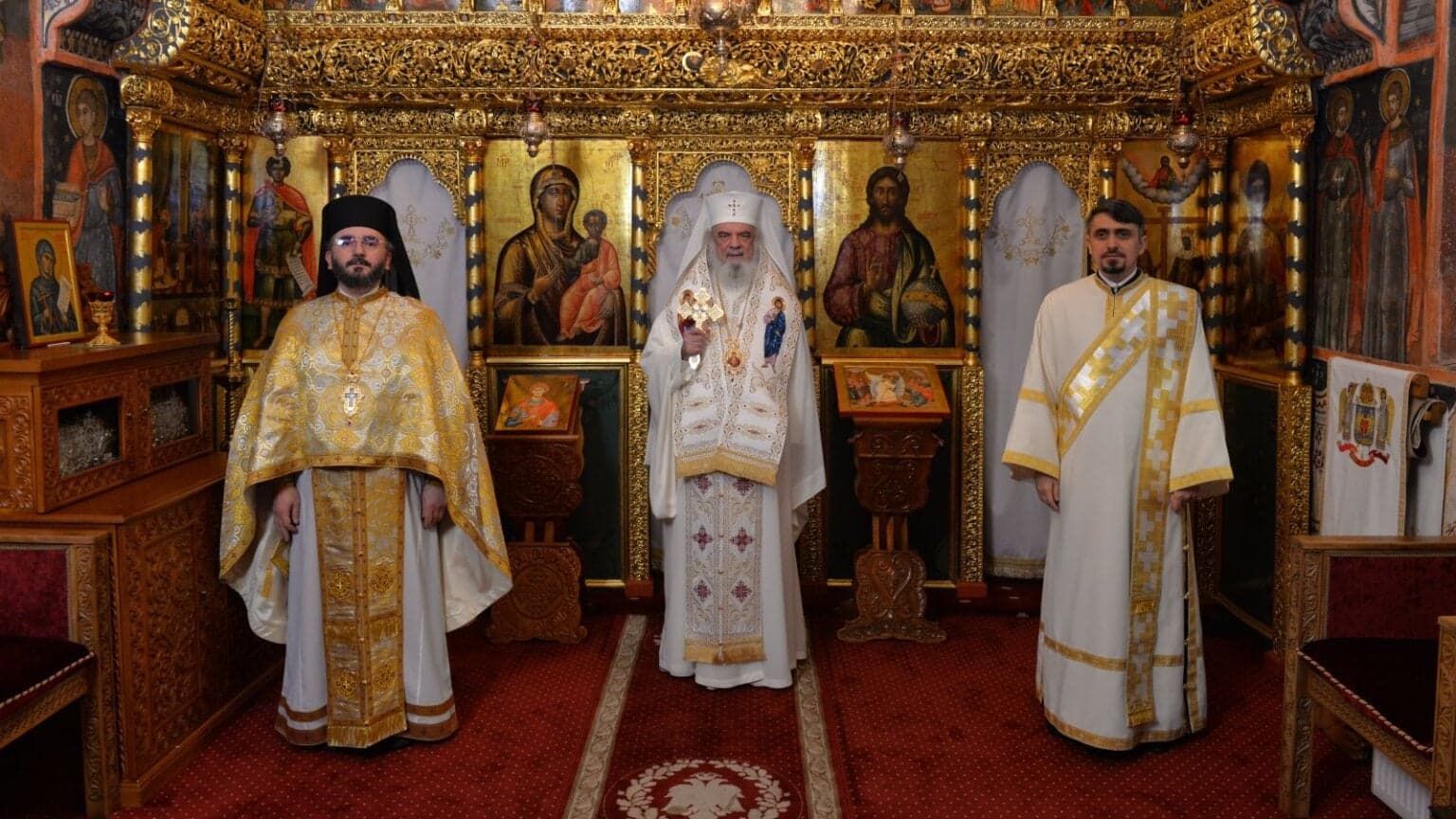
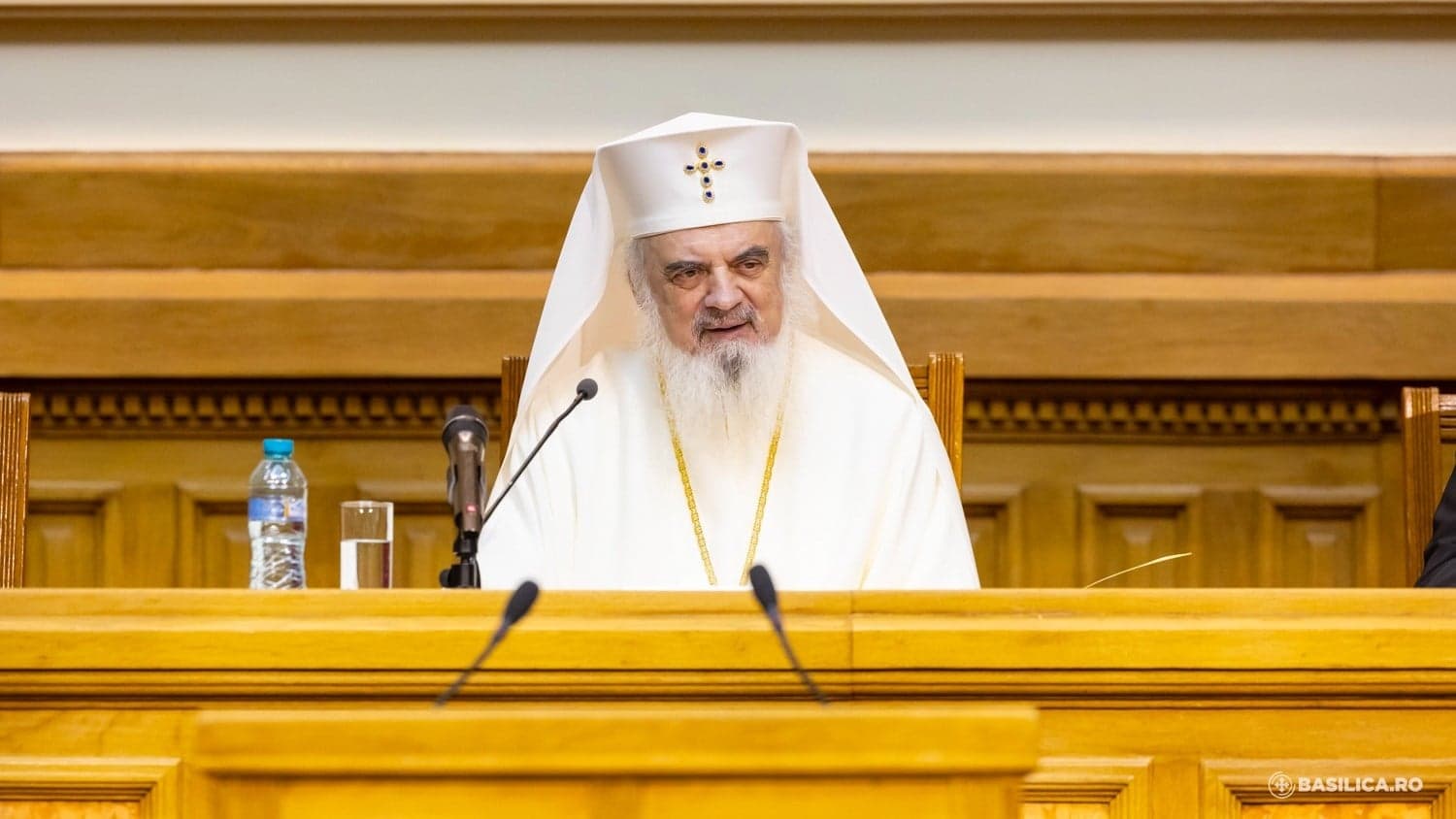
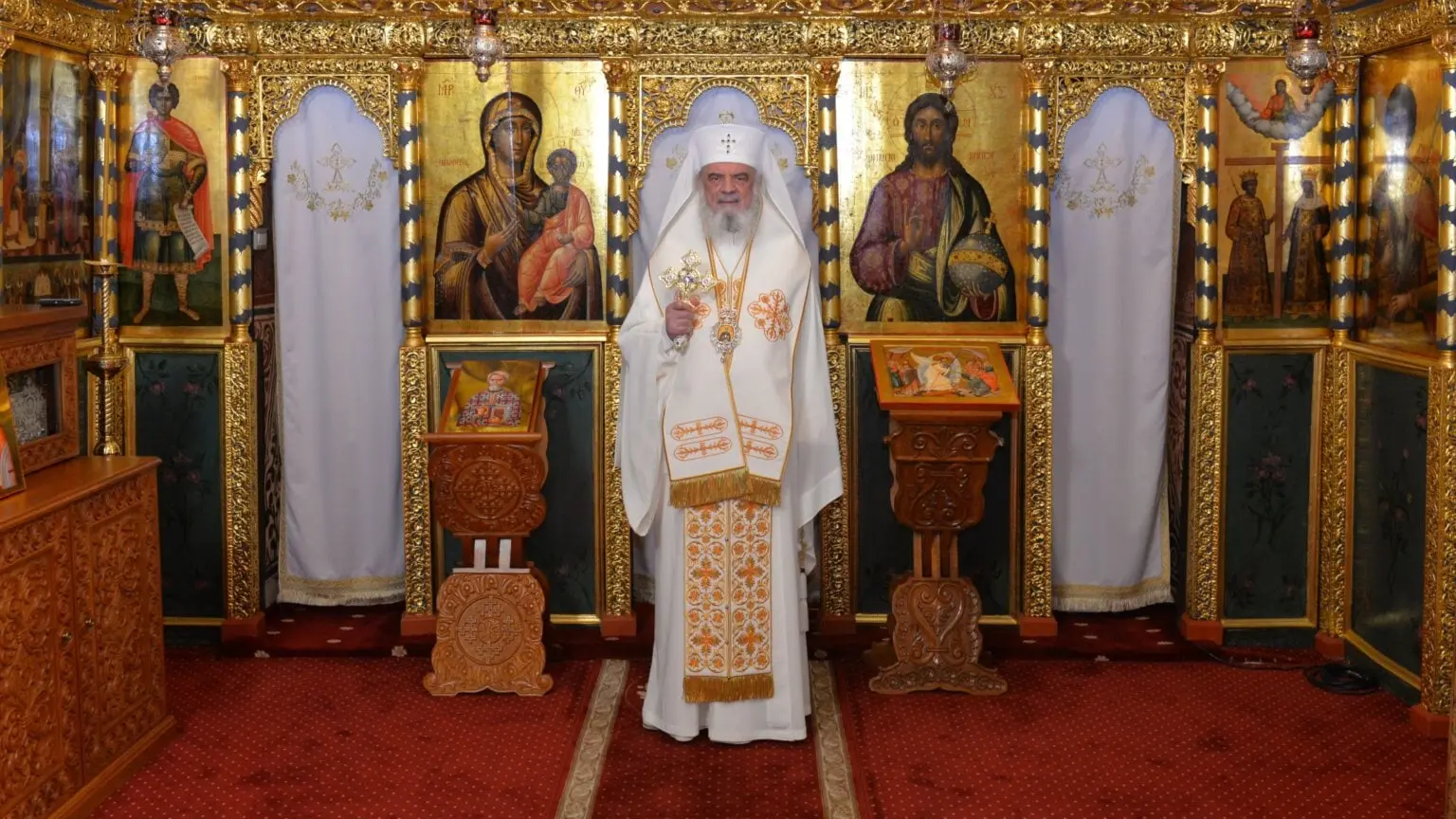
For the service, Patriarch Daniel wore a black cassock. While he typically wears white clerical vestments as a symbol of the Romanian Orthodox Church’s continuous canonical legitimacy, he exceptionally wears black garments during the first week of Lent and Holy Week, particularly for the Lamentations of the Lord, as an expression of deep repentance.
Photo: Lumina Newspaper