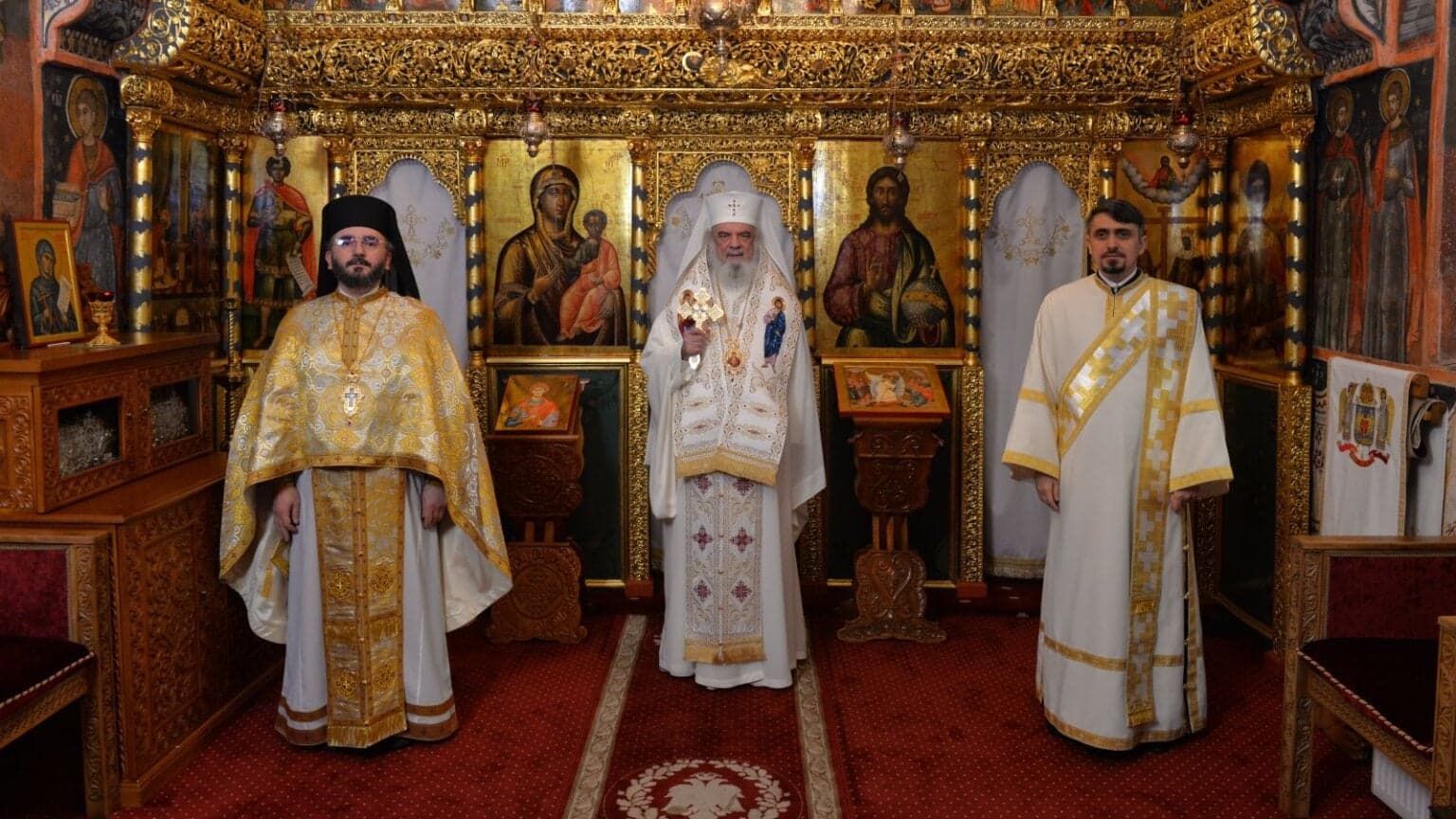
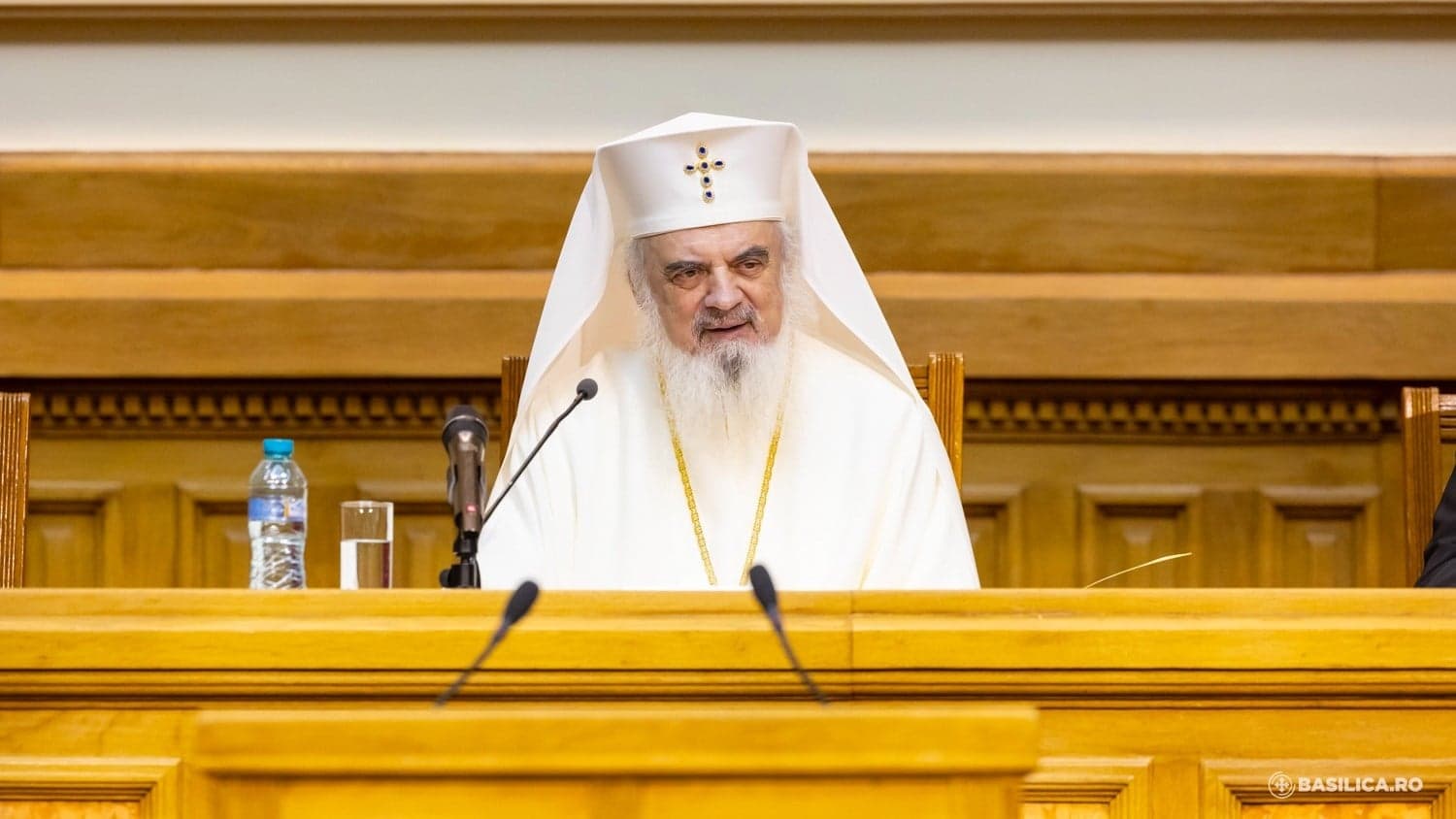
Between June 16–24, His Eminence Hon Metropolitan Nifon, Archbishop of Targoviste, represented the Romanian Orthodox Church at the meeting of the Executive and Central Committee of the World Council of Churches (WCC) held in South Africa, accompanied by Fr. Michael Tița, Eparchial Vicar of the Archdiocese of Bucharest.
As part of this trip, the Archbishop of Târgoviște visited the Romanian Orthodox Church “St. Andrew the Apostle” in Johannesburg on Sunday.
In his address to the faithful, Metropolitan Nifon spoke about the importance of venerating the saints in the life of the Church. He reminded them that in the Centennial Year of the Romanian Patriarchate, the Holy Synod approved the canonization of sixteen Romanian saints—monastics and confessors—who are notable figures of Romanian theology and ecclesial spirituality. Their exemplary lives and strong faith continue to serve as spiritual models.
His Eminence conveyed the blessing of His Beatitude Patriarch Daniel, thanked the community for their warm welcome, and expressed appreciation for “the sacrificial missionary work of the parish priest and of the entire community, who faithfully preserve the ancestral Orthodox identity in this part of the world.”

In turn, Fr. Răzvan Tatu, the parish priest, expressed joy at the Romanian hierarch’s visit, saying that this spiritual encounter is a source of encouragement and strength in their ongoing pastoral and missionary service.
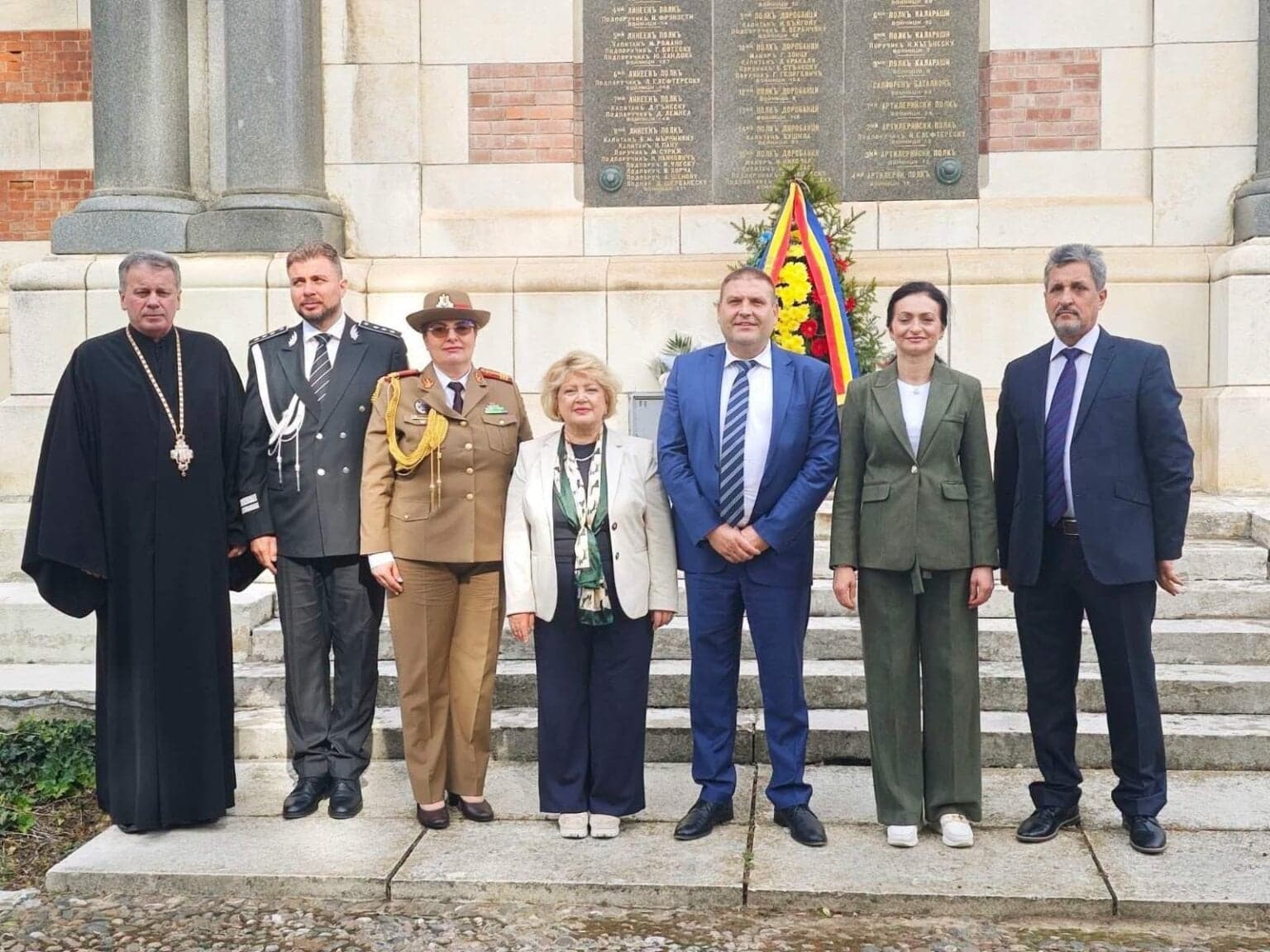
Her Excellency Monica-Cecilia Sitaru, Romania’s Ambassador to the Republic of South Africa, and Mr. Marius Săvuică, Minister-Counsellor at the Consular Section of the Romanian Embassy, also attended the Divine Liturgy.
Call for Unity
The Central Committee of the World Council of Churches addressed several pressing topics, focusing on the need for peace and unity in the present global context.
Highlights of the meeting included the report of the WCC General Secretary, who presented ongoing ecumenical activities and programs, as well as declarations on the importance of the Church’s presence in society as a vital agent of unity, peace, social justice, and reconciliation.
Following deliberations, the Central Committee’s plenary approved several documents and issued a call to maintain unity amid increasingly complex contemporary social challenges, encouraging Christian communities to promote peace and Christ-centred love.

Additionally, the sessions included evaluations of operational strategies and the planning mechanisms for the upcoming 2030 General Assembly of the World Council of Churches.
Photo: WCC