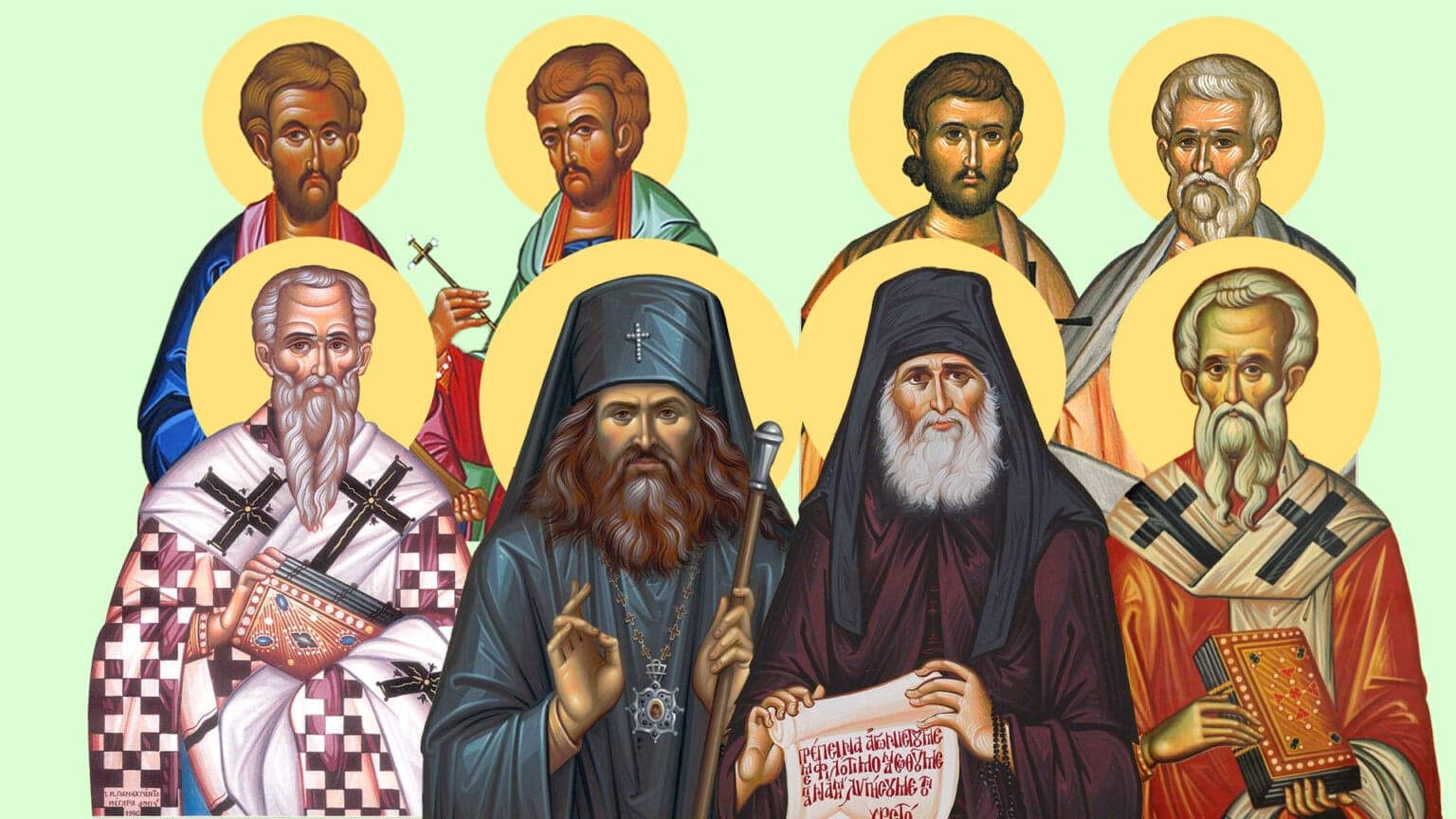
In the month of July, the Orthodox calendar features numerous healing saints, among whom Saint Panteleimon and Saints Cosmas and Damian stand out as some of the most renowned unmercenary physicians.
This is the most extensive selection yet in the series of articles on holy healers, aligning with the themes of the 2024 Commemorative and Solemn Year.
Therefore, we have divided this selection into two parts dedicated to the saints of July. This article includes the first eight healing saints of the month.
Holy Unmercenary Physicians Cosmas and Damian at Rome – July 1
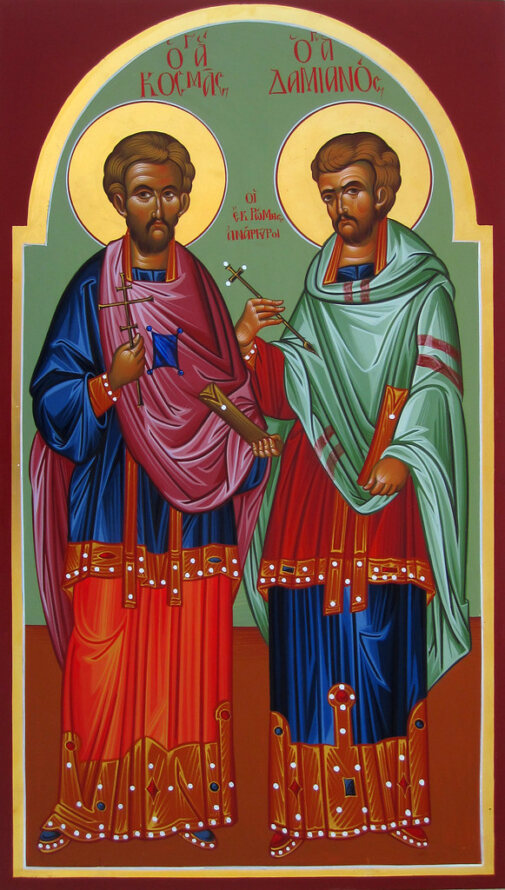
In the second half of the 3rd century, in Rome, two physicians who were brothers healed the sick without accepting any payment and preached the word of God. These young men were the first pair of unmercenary physicians, Saints Cosmas and Damian, commemorated in the Orthodox calendar on July 1st.
They were disciples of an experienced physician but surpassed him because they did not rely on their abilities but rather on the power of God. Thus, they not only healed the sick but also converted them to Christianity.
They were brought before Emperor Carinus, who suddenly fell ill but was healed through the prayers of the two saints. He converted to Christianity, and the young men were released.
After some time, they were killed by their former teacher, who lured them into a trap.
Fragments of their relics are found at the church in the courtyard of the Fundeni Clinical Institute in Bucharest.
Saint Leontius of Rădăuți – July 1
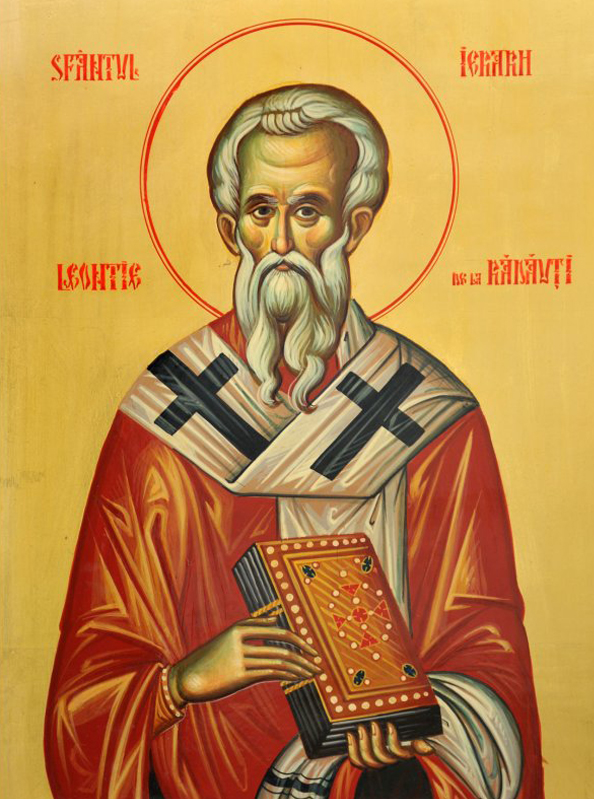
Saint Leontius was born in the 14th century in Rădăuți. He entered monastic life at a young age at Bogdana Monastery, where he received the name Laurence. He later withdrew to a hermitage, gathering several disciples around him. He founded the Laura (Lavra) Hermitage, the first known hermitage in northern Moldavia. According to tradition, Saint Daniel the Hermit later joined this monastic community as a disciple of Saint Leontius.
With the establishment of the Diocese of Rădăuți, the venerable monk was elected bishop. As a bishop, he was known for his prayerfulness and love for his neighbour. For his zeal, God bestowed upon him the gifts of foresight and healing.
Towards the end of his life, he took the great schema under the name Leontius and was buried in the church of the hermitage he founded.
Many faithful came to his tomb and received healing from their illnesses. Consequently, his holy relics were moved to the Diocesan Cathedral in Rădăuți.
His relics were hidden during a raid in the 17th century and remained unknown for a long time. They were rediscovered only at the end of the last century.
Today, Saint Leontius’s relics are housed in the church of Bogdana Monastery in his hometown. His Akathist hymn mentions: “Rejoice, healer of the sick, for you easily grant them healing with the grace of God.”
Saint John Maximovitch – July 2
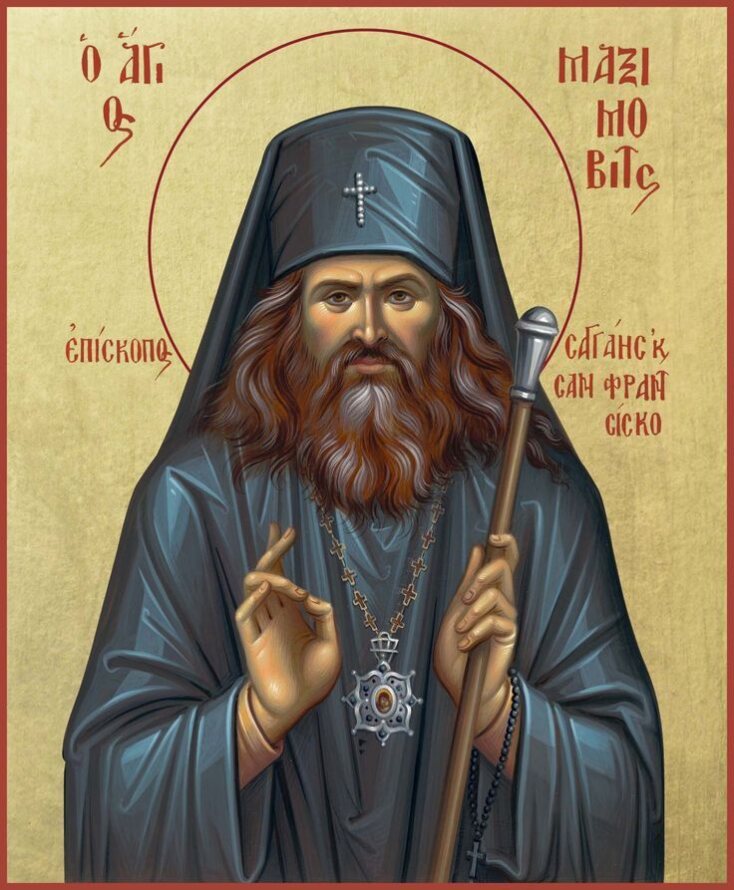
Saint John Maximovitch was born in 1896 on the territory of present-day Ukraine, and his life took him across multiple continents as he followed and shepherded his flock as a bishop.
Exiled after the 1917 Revolution, he went to Constantinople and then to Yugoslavia, where he was ordained a priest. He was appointed bishop of Shanghai and later accompanied his flock of refugees to the Philippines. He spent a brief time in the USA before spending ten years in France. Ultimately, he reunited with his faithful from Shanghai in San Francisco, where he spent his final years.
He was a man of prayer, endowed with the gift of performing miracles even during his lifetime. One of his biographers, Bernard Le Caro, writes: “Countless were the saint’s visits to the sick, who were healed through his prayers. In a document (…), we read: From the arrival of Bishop John, no sick person was deprived of his prayers and visits. Through the bishop’s prayers, many people’s illnesses improved, and some were even cured. We have testimonies stating that sick people from other cities wrote that they were healed through his prayers.”
Saint John visited the mentally ill and the demon-possessed, often travelling 30 km from Shanghai to a psychiatric hospital with an icon of Saint Naum of Ohrid.
After his passing, the healings continued. One believer recounts a miracle that occurred after receiving the Orthodox Life magazine, which included a photograph of Saint John. The man placed the photo in his icon corner and prayed daily for a Muslim friend suffering from leukaemia and at risk of blindness. Shortly thereafter, the friend was cured of leukaemia, and his vision was restored to normal.
In San Francisco, Saint John Maximovitch brought peace and blessings, leading to the completion of the new cathedral dedicated to the Mother of God, the Joy of All Who Sorrow. After his repose, he was buried in a crypt beneath the main altar.
Today, prayer requests or requests for oil from Saint John’s vigil lamp can be sent through the cathedral’s website.
Saints Epictetus and Astion – July 8
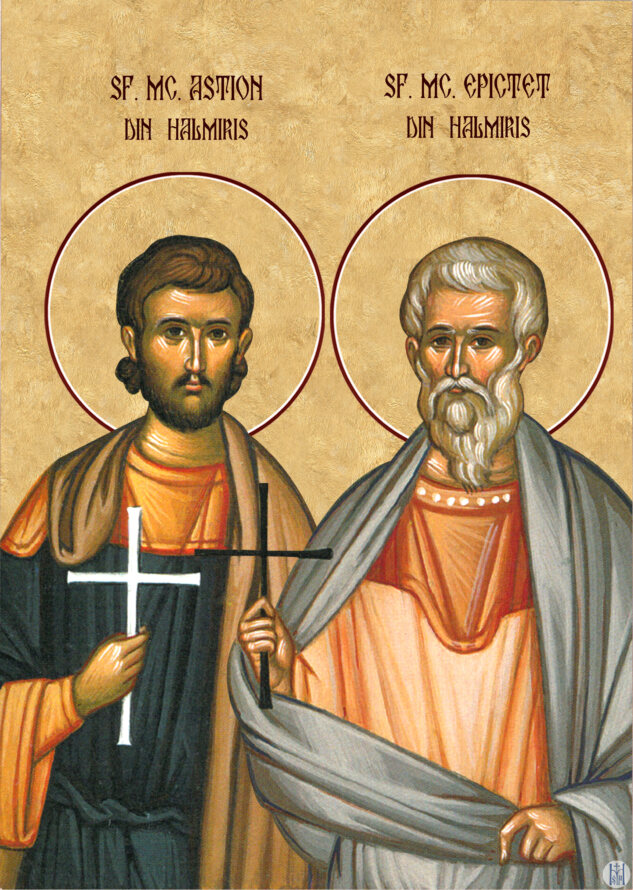
Saints Epictetus and Astion professed their faith in Christ in 290, during Emperor Diocletian’s reign, in the city of Halmyris in Dobruja.
Saint Epictetus was a Christian priest from Asia Minor, endowed with the gift of healing. He restored sight to the blind, healed lepers, the lame, the paralyzed, and those possessed by demons.
Astion was a young nobleman from the city who became Epictetus’ disciple. After his baptism, Astion asked the priest to move to another country to avoid being found by his parents.
Together, they arrived in the city of Halmyris in Dobruja. In this land, Father Epictetus healed a young deaf-mute and paralyzed man and converted over 1,000 residents. Astion also acquired the gift of performing miracles. However, they attracted the attention of the pagan rulers and were brought to trial. After prolonged tortures, the two saints were beheaded on July 8, 290.
After the persecutions ceased, Christians built a church over the crypt that housed the martyrs’ relics. However, both the church and the city of Halmyris fell into ruin.
Seventeen centuries later, on the feast of the Dormition of the Mother of God, the saints’ relics were miraculously discovered. They are now housed in the Cathedral of Constanța and are carried in procession each year on July 8.
Hieromartyr Pancratius – July 8
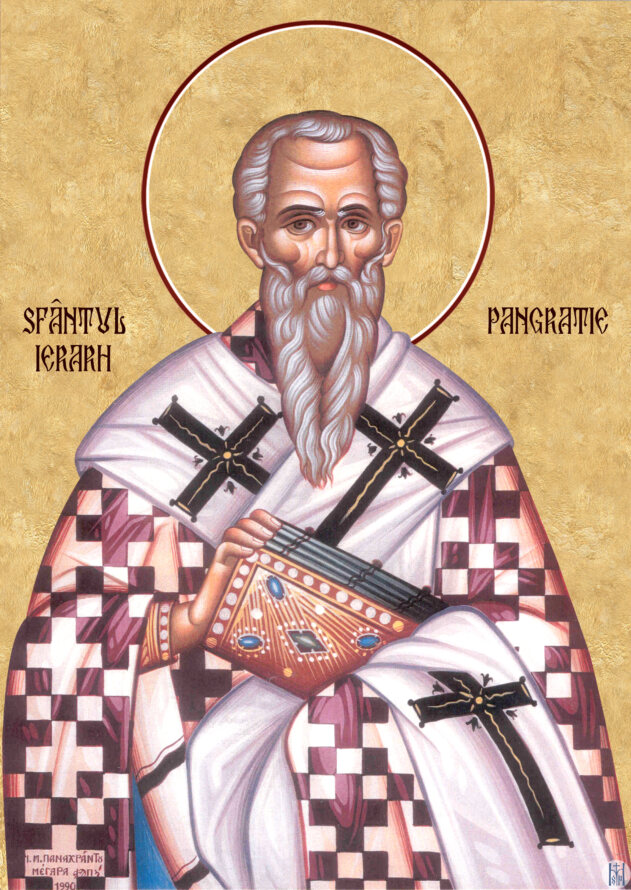
Saint Pancratius was born in Antioch during the time when the Saviour was on Earth. Hearing about Christ’s miracles and teachings, his parents took him to Jerusalem.
They listened to the Savior Himself there, and after the Lord’s Ascension, according to some sources, Saint Peter baptized them in Antioch.
Saint Peter appointed Saint Pancratius as bishop in Taormina, Sicily, where he performed many miracles and converted the inhabitants to Christianity.
His life is marked by several miracles, including healing a woman with leprosy, curing another woman of a throat disease, and exorcising demons from the possessed.
In his Akathist, he is invoked as a healer of throat, head, and skin diseases, and as a healer of both bodies and souls.
Saint Pancratius saved the city from a pagan invasion by confronting them with the Holy Cross in his hand. However, he was later stoned to death by the pagans.
His holy relics are housed in Rome.
Saint Paisios of Mount Athos – July 12
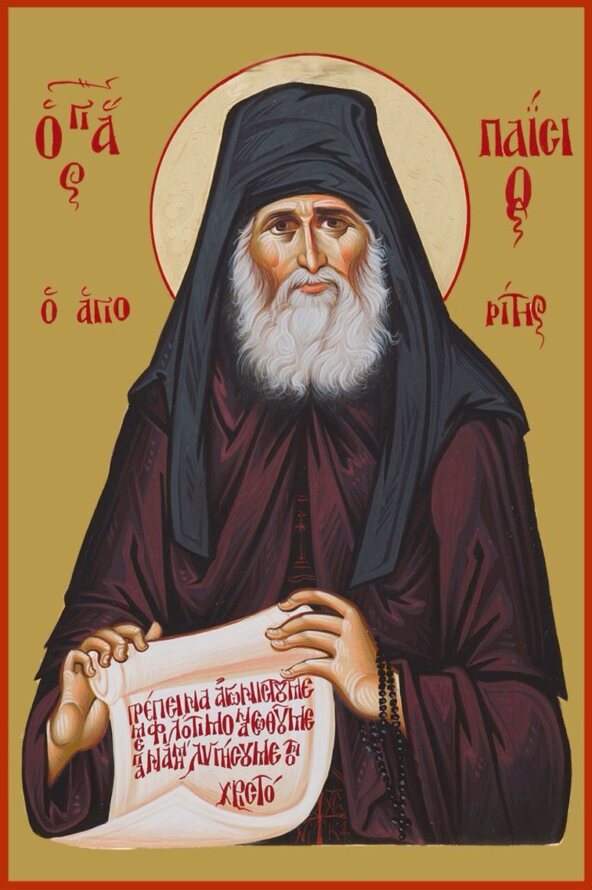
Saint Paisios of Mount Athos was born in 1924 in the homeland of Saint Basil the Great, Caesarea of Cappadocia. He was baptized by Saint Arsenios the Cappadocian when he was 40 days old. During the Greco-Turkish population exchange, his family sought refuge in Greece.
From a young age, Saint Paisios had a monastic calling. After completing his military service, he went to Mount Athos and spent a short time in Sinai. However, illness forced him to leave the Sinai desert, and he underwent surgery to remove part of his lungs.
Later, Saint Panteleimon visited him and tended to his wounds. During this period, he also formed a spiritual connection with the nuns at the monastery in Souroti, who donated blood for his surgery.
Saint Paisios led a simple life, marked by helping others despite his own suffering: “Let me suffer a little too! It is a great thing to have something, to suffer, and not to ask Christ to relieve it, but to pray for others.”
There are testimonies from his lifetime of people healed of heart problems, tumours, and haemorrhages.
After his repose, a girl who touched his scarf was healed of breast cancer. A man from Paphos (Cyprus) testified that in 1997, a hook pierced his eye, and after praying, a man in black attire appeared and saved it. Later, the man identified the rescuer in a photograph as Saint Paisios.
There are also accounts of miraculous interventions by the saint in car accidents and exorcisms at his grave.
Saint Paisios himself suffered from cancer, a diagnosis he accepted joyfully as a cleansing medicine. During his martyr-like sufferings from cancer spreading to multiple organs, he comforted other patients in the hospital.
He said, “I benefited much more from illnesses than the ascetic practices I did as a monk.”
Saint Paisios was buried according to his wishes at the Monastery of Saint John the Theologian in Souroti, a place accessible to all believers, unlike Mount Athos. This allows many pilgrims to visit his grave to receive blessings and seek his help.
Like his grave, his cell, Panagouda on Mount Athos, is another source of blessing and grace.
Photo: Basilica.ro / Raluca Ene
Follow us on X.com: @BasilicaNews