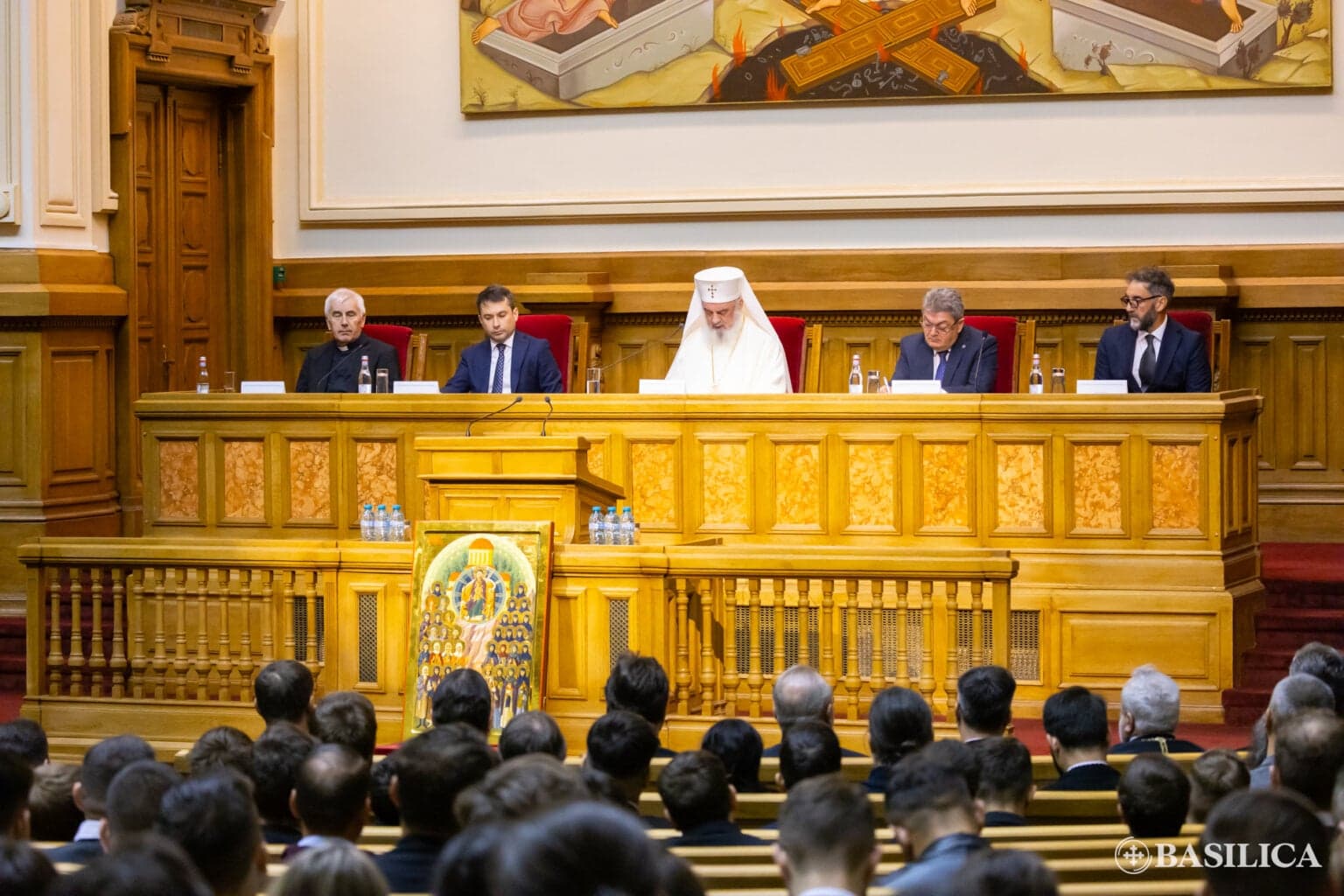
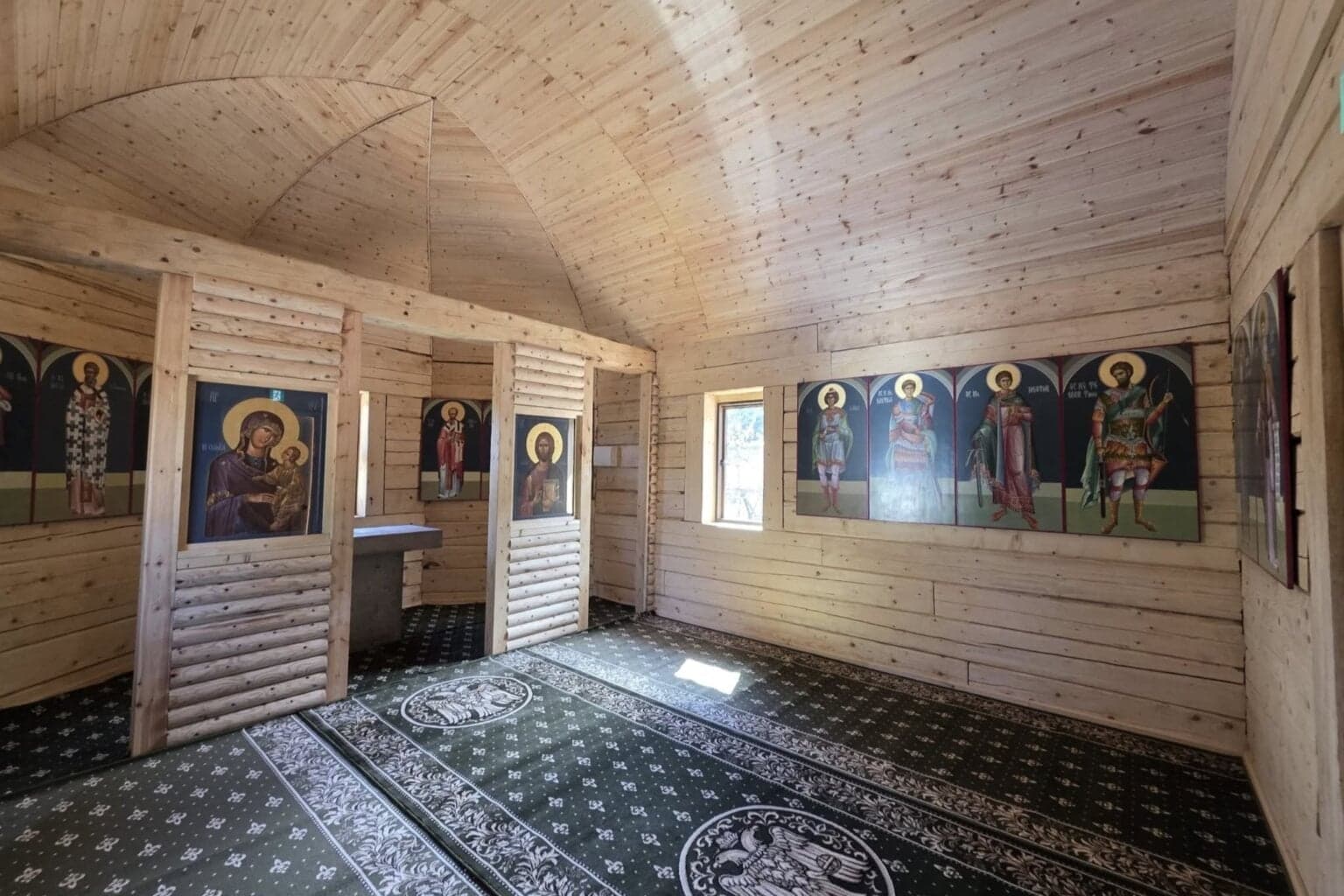
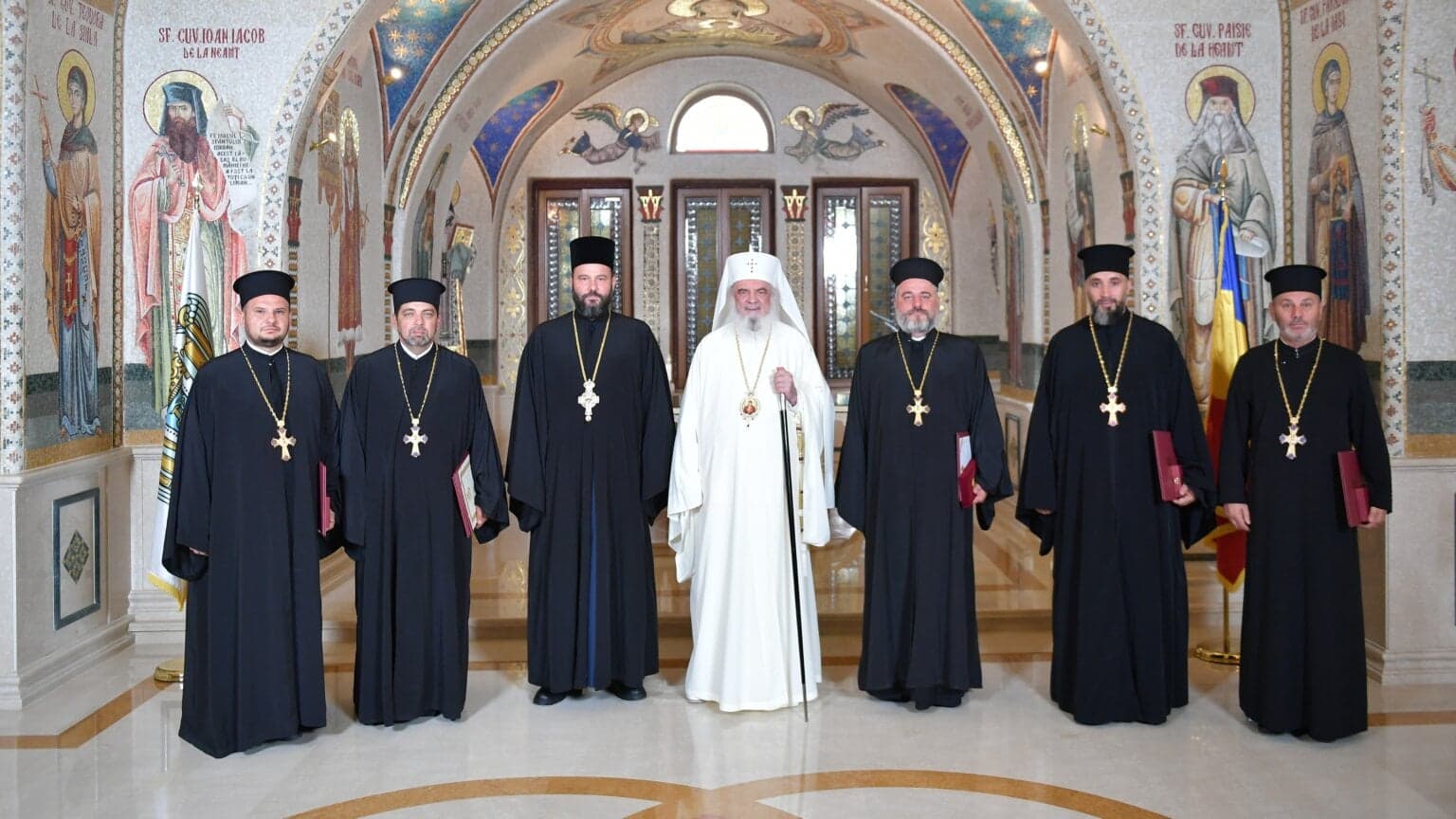
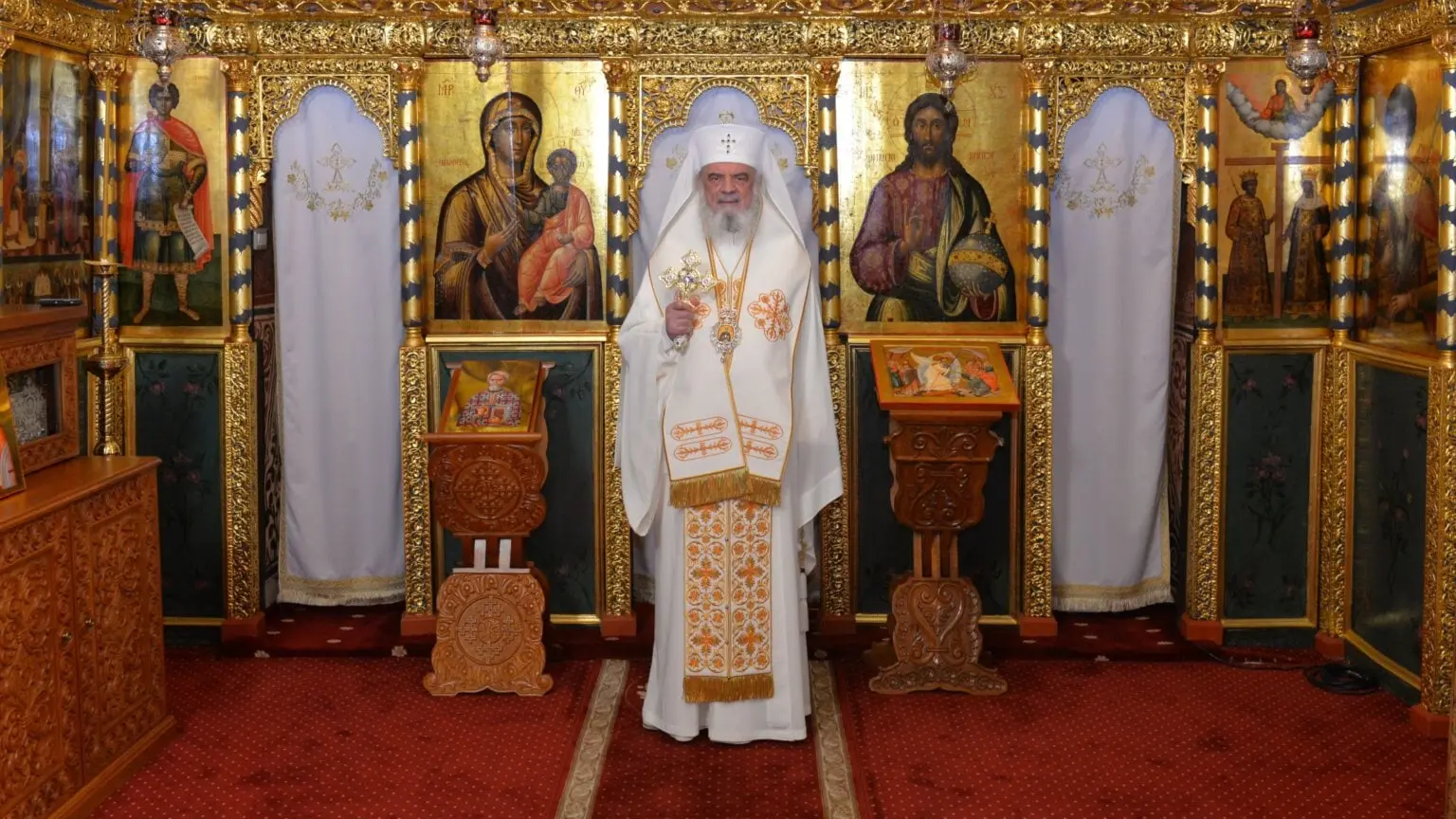
Over 2,000 people participated on Sunday, on the Feast of the Holy Prophet Elijah the Tishbite, in the ordination and installation of the new Assistant Bishop of the Archdiocese of Roman and Bacău, His Grace Bishop Teofil of Trotuș. The event took place at the “Saint Parascheva” Archdiocesan Cathedral in Roman.
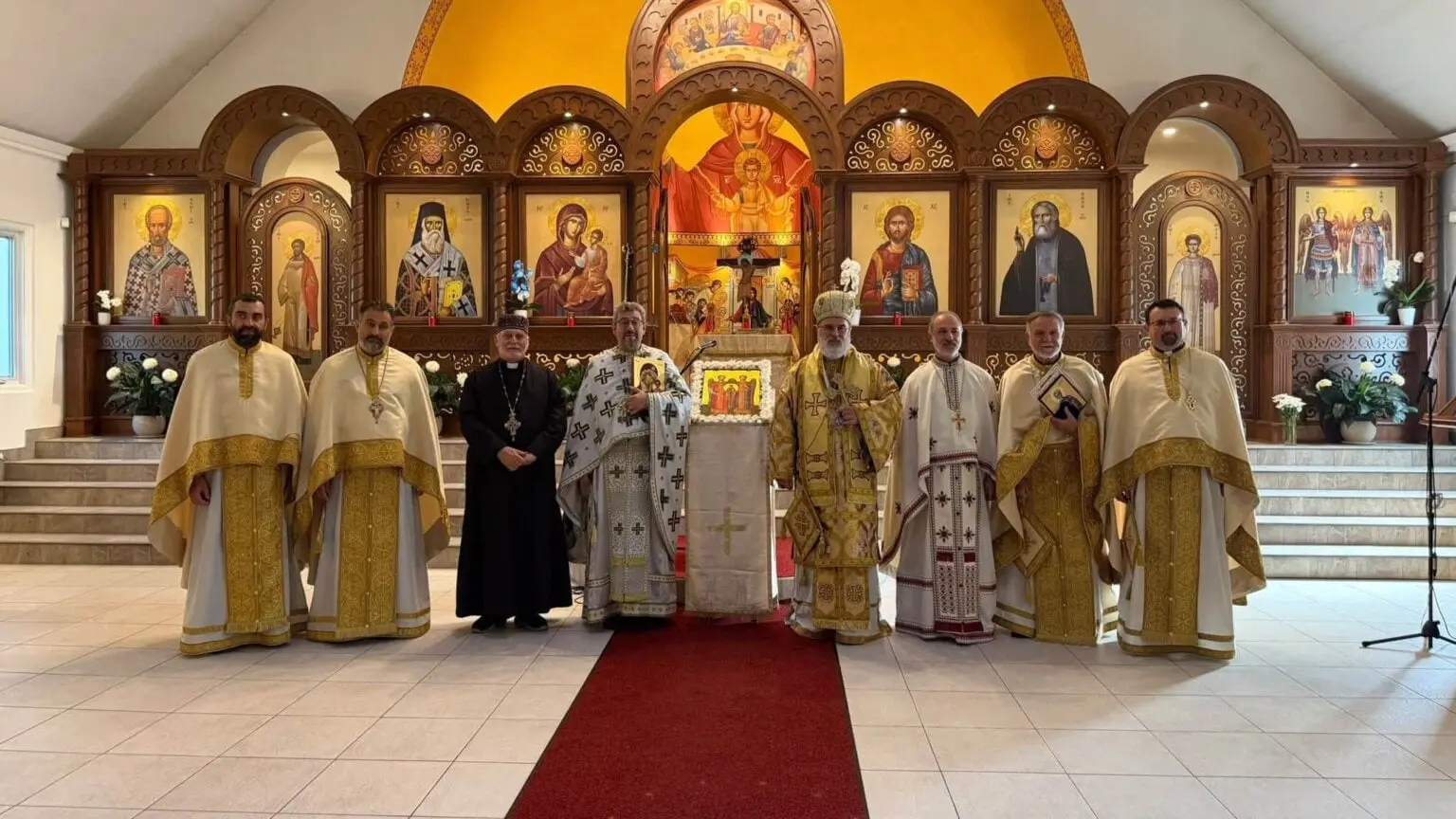
The Divine Liturgy and episcopal ordination of the new hierarch were celebrated by His Eminence Metropolitan Teofan of Moldavia and Bukovina, together with ten other hierarchs.
The concelebrating hierarchs included:
- His Eminence Metropolitan Petru of Bessarabia, Exarch of the Territories,
- His Eminence Archbishop Varsanufie of Râmnic,
- His Eminence Archbishop Ioachim of Roman and Bacău,
- His Eminence Archbishop Ciprian of Buzău and Vrancea,
- His Grace Bishop Ignatie of Huși,
- His Grace Bishop Antonie of Bălți,
- His Grace Bishop Veniamin of Southern Bessarabia,
- His Grace Timotei of Prahova, Assistant Bishop of the Archdiocese of Bucharest,
- His Grace Nichifor of Botoșani, Assistant Bishop of the Archdiocese of Iași, and
- His Grace Damaschin of Dorna, Assistant Bishop of the Archdiocese of Suceava and Rădăuți.

During Matins, Bishop-elect Teofil Anăstăsoaie made his profession of Orthodox faith, and later, during the Divine Liturgy, he was ordained to the episcopacy.
This moment, known in the Church’s tradition as the “Examination and Designation of the Bishop-elect,” is compared by Saint Symeon of Thessalonica to an espousal of the candidate to the diocese in which he will serve.

The Mystery of Ordination
Following this solemn act, the Divine Liturgy was celebrated under the chairmanship of His Eminence Metropolitan Teofan. During the chanting of the Trisagion, the bishop-elect was led before the assembly of hierarchs by two archimandrites. The rite of ordination then took place: accompanied by two hierarchs, the candidate kissed the four corners of the Holy Altar and, kneeling, received the sacrament of episcopal ordination.
The concelebrating bishops invoked the Holy Spirit and placed the omophorion and the Holy Gospel upon him. After the ordination, the newly ordained bishop was vested with the garments specific to the episcopal rank: the sakkos, epigonation, omophorion, engolpion, pectoral cross, and mitre.

The Bond Between a Bishop and Christ
In the address delivered on the occasion of Father Teofil Anăstăsoaie’s episcopal ordination, His Eminence Metropolitan Teofan emphasised the profound responsibility of the episcopal ministry, highlighting the spiritual connection between the ordination day, the feast of the Holy Prophet Elijah, and the divine calling answered by the new bishop.
“By God’s providence, Father Teofil’s ordination as a bishop was fulfilled today, on the day we honor the Holy Prophet Elijah. And since nothing is accidental in the Christian life, we perceive both Father Teofil’s ordination and his mission as closely tied to today’s great feast,” said the Metropolitan of Moldavia and Bukovina.

“In Him, the Bishop Finds the Answer to All Inner Struggles”
“In Him,” said Metropolitan Teofan, “the bishop finds the answer to all inner struggles. When the sweetness of prayer embraces him, the bishop is called to behold Christ before him—Christ who preaches the Gospel, who feeds the hungry, who heals the sick.”
“At every moment of his life, the bishop has Christ before him, drawing strength from Christ’s strength. The entire ministry of the bishop is intimately connected to the life and witness of the Church of Christ, which called him to the episcopacy and sent him to preach.”
Both Near and Distant from the World
According to His Eminence, the bishop must be present in the world, yet untainted by it; he must understand the complexity of human life, while remaining free from passions.
“The life of the bishop is a continuous union of contemplation through prayer and practical action in the most concrete aspects of life. The shepherd of souls must be,” says Saint John Chrysostom, “a man connected to people, capable of managing all aspects of life, yet preserving, more steadfastly than monks, the purity of life, inner peace, holiness, patience, self-restraint, and all the virtues of monastics.”

The Calling to Episcopal Ministry
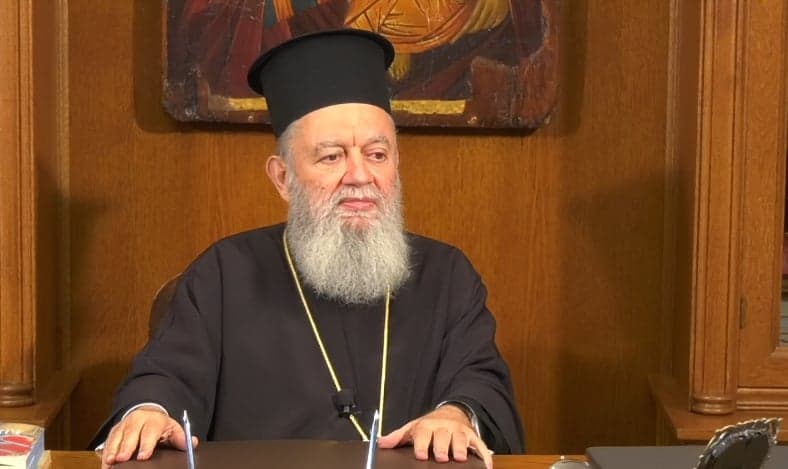
Messages of congratulations were delivered by Father Constantinos from Hozeva Monastery and Mr. Ciprian Vasile Olinici, Secretary of State.
In conclusion, the newly ordained Assistant Bishop Teofil of Trotuș offered a message of gratitude titled “The Calling to Episcopal Ministry: Bearing the Cross on the Via Dolorosa”, inspired by his spiritual experiences during his ministry in the Holy Land.
“Beginning with the words of our Lord Jesus Christ: ‘I am the Way, the Truth, and the Life’ (John 14:6), and the exhortation: ‘Whoever wants to follow Me must deny himself, take up his cross, and follow Me’ (Mark 8:34–39), my message today is inspired by my mission in the Holy Land and by the dozens of times I walked the Way of the Cross in Jerusalem—known to pilgrims as the Via Dolorosa (Latin for ‘the Way of Sorrow’ or ‘the Way of Suffering’),” said His Grace Bishop Teofil of Trotuș.

A Path of Continuous Crucifixion
His Grace Bishop Teofil of Trotuș described episcopal ministry as a path of continuous crucifixion, akin to the Lord Jesus Christ’s journey to Calvary. He underlined that each item of the episcopal vestments symbolises the fourteen Stations of the Cross recorded in the Holy Gospel.
He also testified that receiving the episcopal dignity on this day is a response to the calling he received from His Eminence Archbishop Ioachim, and a personal commitment to sacrificial ministry in communion with him:
“I come to the Archdiocese of Roman and Bacău to serve with devotion and Paschal joy, bearing together with His Eminence Archbishop Ioachim the cross of ministering to this diocese, always keeping in sight the self-sacrificing predecessors who founded, developed, and served this historic eparchy of Moldavia,” the new assistant bishop affirmed.
Photo: Archdiocese of Roman and Bacău