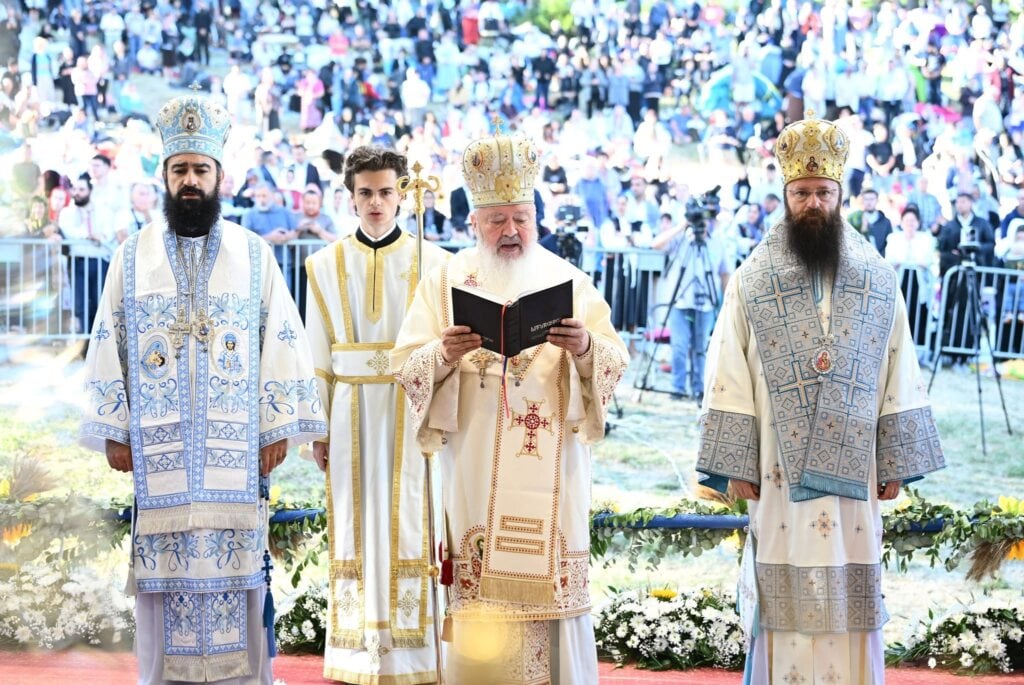
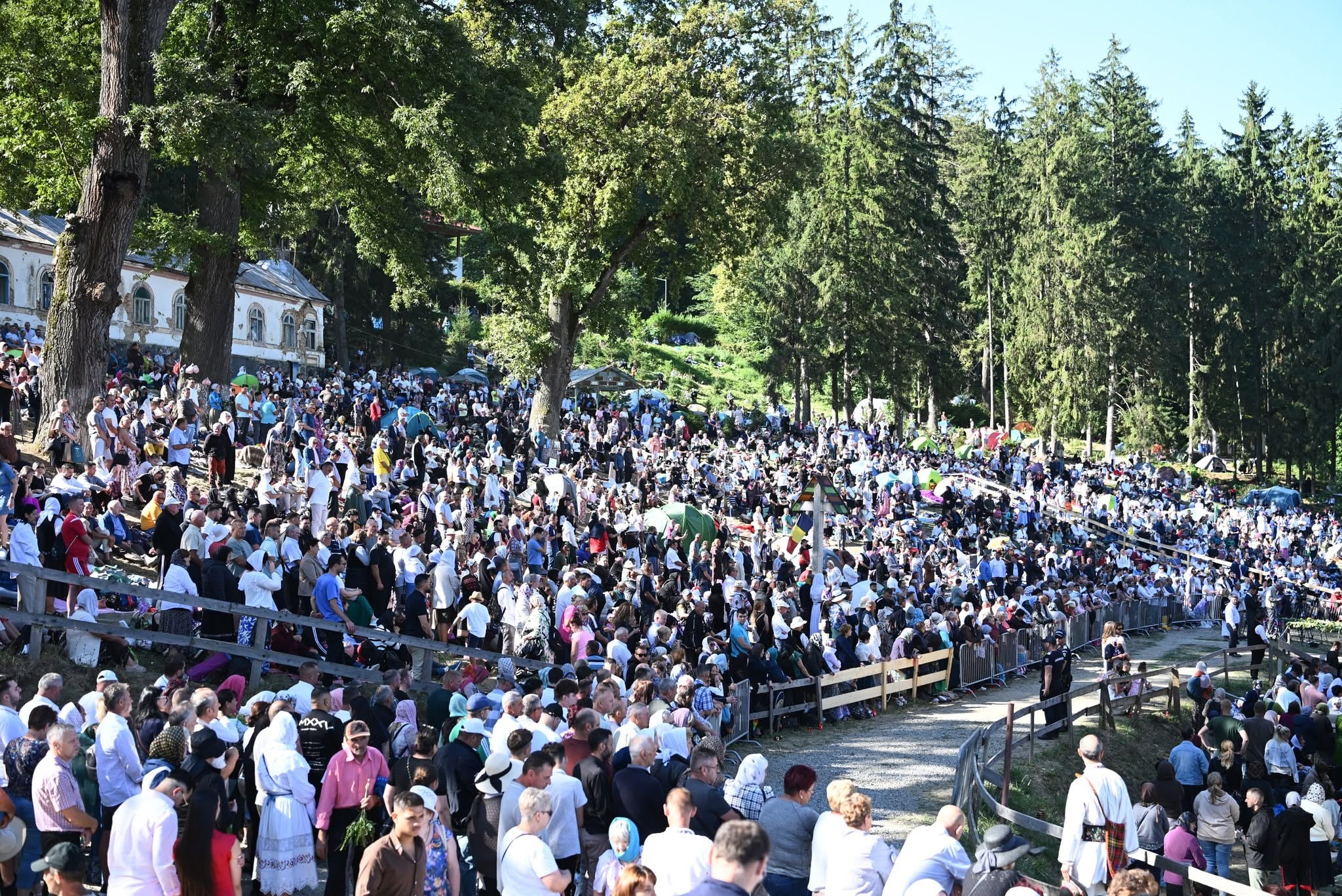
Approximately 25,000 pilgrims attended the Divine Liturgy for the feast of the Dormition of the Mother of God on Saturday, 15 August, at Nicula Monastery in Cluj County. According to law enforcement estimates, more than 70,000 people visited the monastery in the days leading up to its patronal feast.
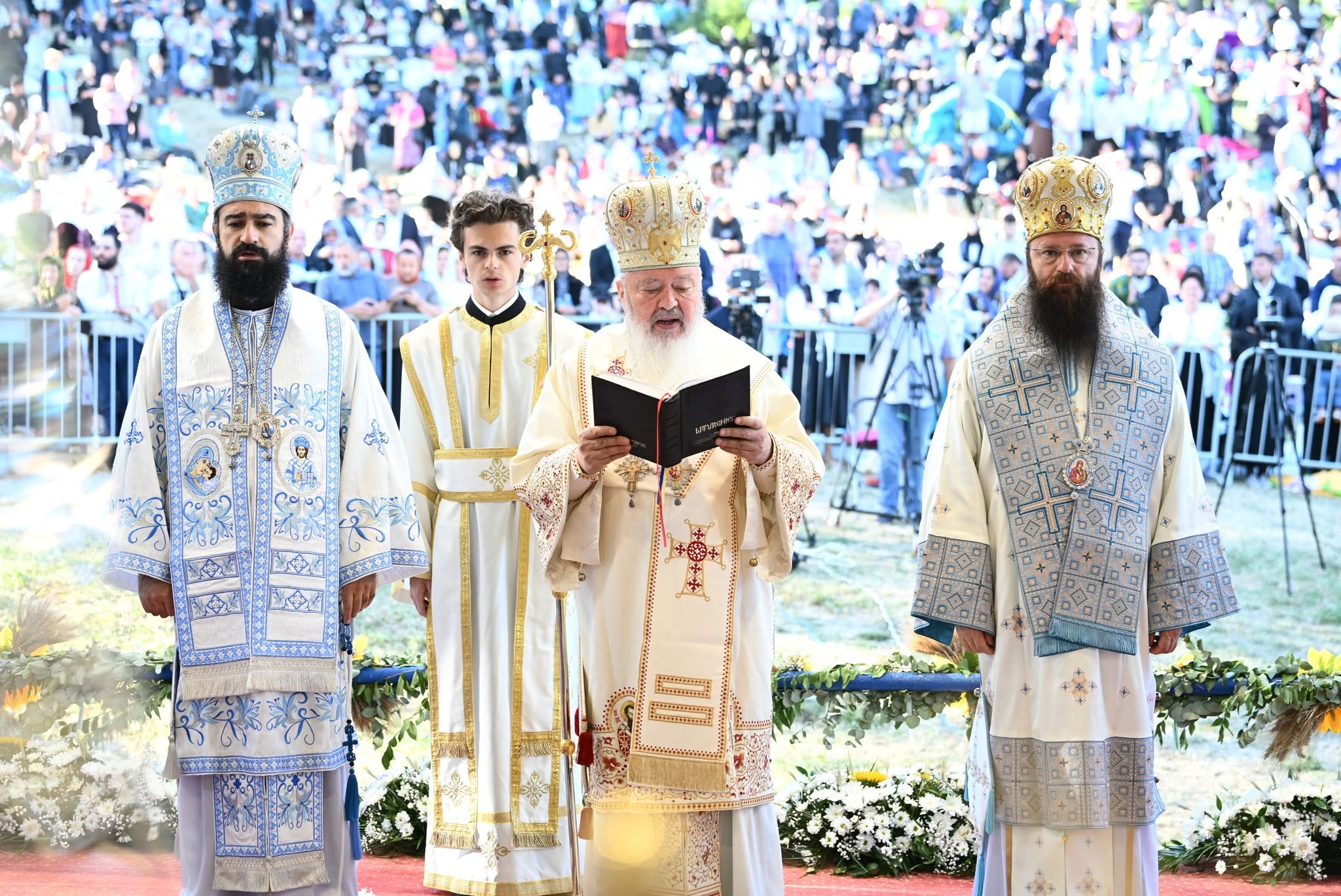
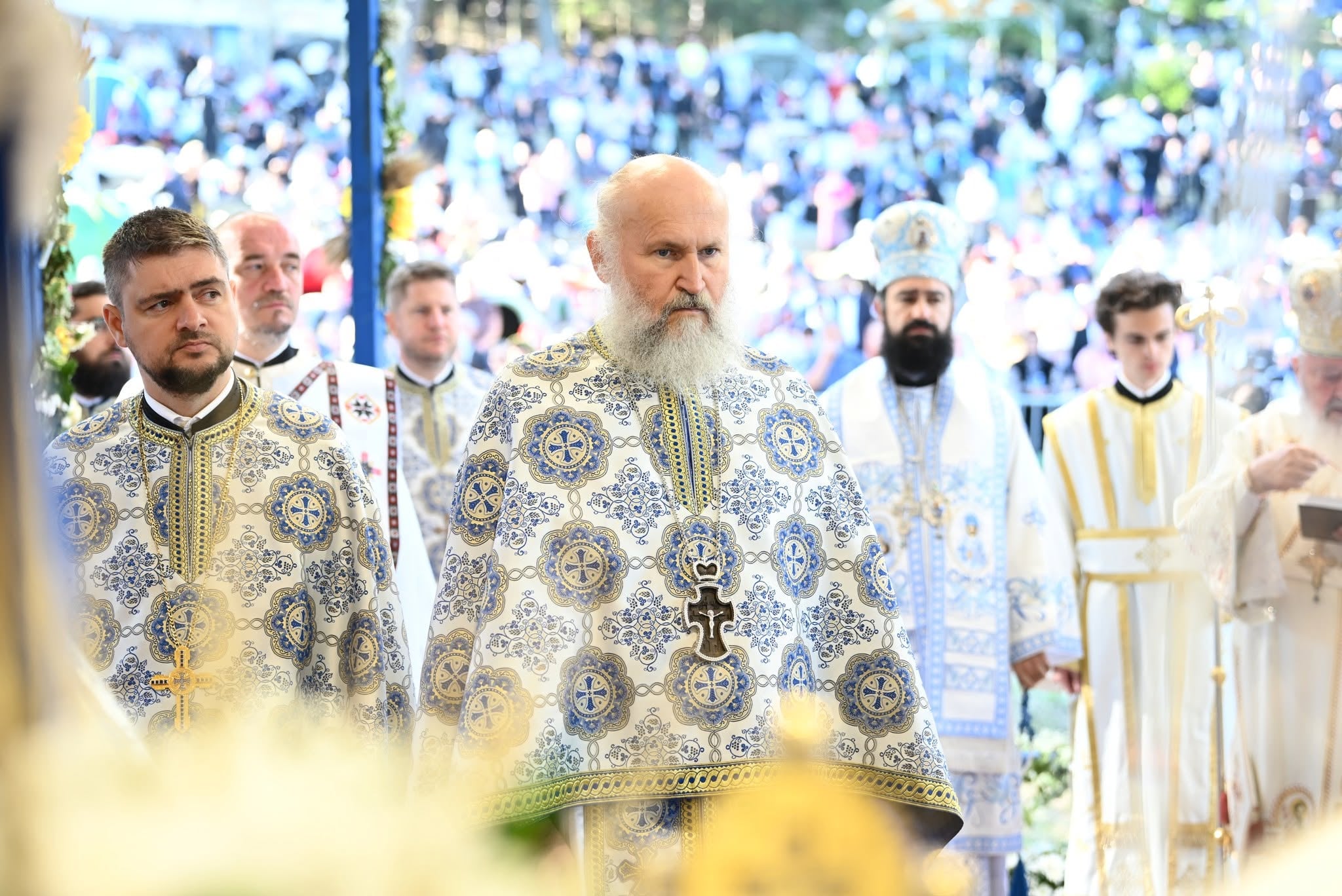
Metropolitan Andrei of Cluj, Maramureș and Sălaj celebrated the Divine Liturgy with Bishop Nestor of Deva and Hunedoara and Bishop Nectarie of Ireland and Iceland.
The concelebrating clergy included Archimandrite Dumitru Cobzaru, Exarch of the Monasteries of the Archdiocese of Cluj; Father Dumitru Boca, Administrative Vicar of the Archdiocese of Vad, Feleac and Cluj; Archimandrite Andrei Coroian, former abbot of Nicula Monastery (2008–2012) and currently Honorary Diocesan Vicar of the Diocese of Deva and Hunedoara; Archimandrite Iustin Miron, Abbot of Nicula Monastery; and Archdeacon Claudiu Grama, diocesan counsellor.
Prayers for peace
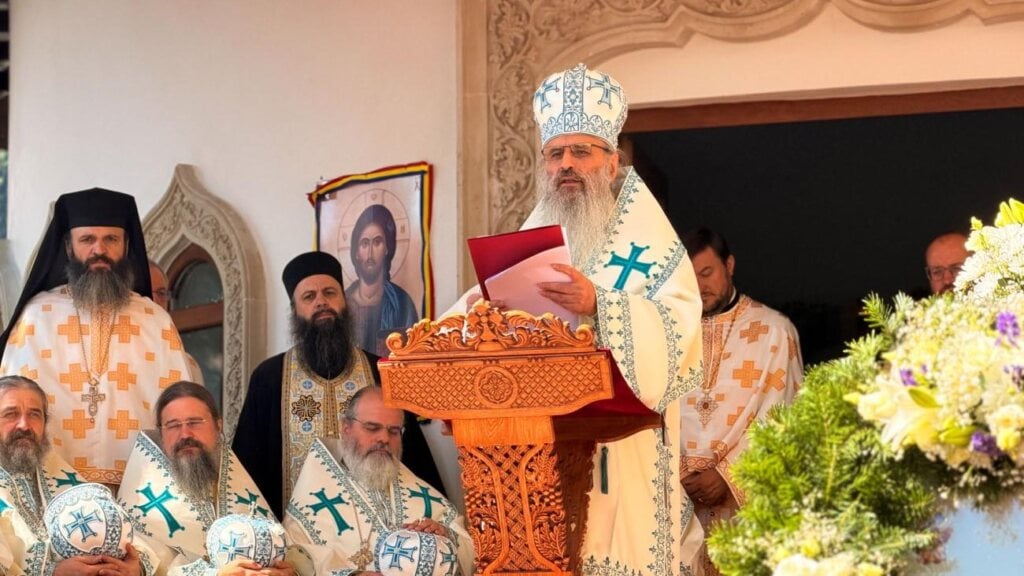
Metropolitan Andrei offered prayers for rain and peace. In his sermon, he spoke to the faithful about prayer and work, two dimensions that should be intertwined in Christian life and especially within the Christian family.
“We can conclude that in today’s Gospel Mary symbolises prayer, while Martha symbolises work. These two symbols go very well together. Prayer and work, work and prayer. And especially in the Christian family, the two — work and prayer — are harmoniously combined,” the hierarch said.
Metropolitan Andrei also highlighted the low level of participation in the Church’s liturgical life among those who identify as Orthodox Christians.
“In which of these two areas are we somewhat lacking? In prayer,” the Metropolitan said, urging those present to be missionaries of Christ through their attitude and way of life.
At the end, Metropolitan Andrei thanked the visiting hierarchs, the monastery’s abbot, the pilgrims, and all the authorities and institutions involved in organising the celebrations.
“Let us be grateful for this radiant and blessed feast. And let us take with us the atmosphere of prayer, peace and tranquillity from Nicula Monastery,” His Eminence said, wishing the pilgrims health, joy, and spiritual and material fulfilment.
Large attendance
The monastic community, together with young people from several youth organisations associated with the Nicula and Oașa monasteries, offered the liturgical responses.
During the Communion hymn, pilgrims, many dressed in traditional Romanian attire, sang religious songs with Father Ioan Roman, young performers Maria and Andreea Pavelean from Bistrița-Năsăud County, and singer Lavinia Goste.
Those attending the service included Romanian Senate President Mircea Abrudean, civilian and military officials, cultural figures and representatives of academia. Young people from Romania and the diaspora were also among the pilgrims.
Transylvania’s largest Orthodox pilgrimage
Religious events marking the monastery’s patronal feast began on the eve of the Dormition.
On Friday, thousands of faithful took part in the traditional “La Nicula colo-n deal” pilgrimage, walking approximately seven kilometres from Gherla to Nicula Monastery.
In the evening, the liturgical programme continued with Great Vespers and Litia, while during the night the wonderworking icon of the Mother of God was brought out for the faithful to venerate.
Matins, the Lamentations of the Mother of God and a procession around the church followed.
Bishop Nectarie of Ireland and Iceland preached during Vespers, while Archimandrite Dumitru Cobzaru, Exarch of the Monasteries of the Archdiocese of Vad, Feleac and Cluj, delivered the sermon during Matins.
A brief history
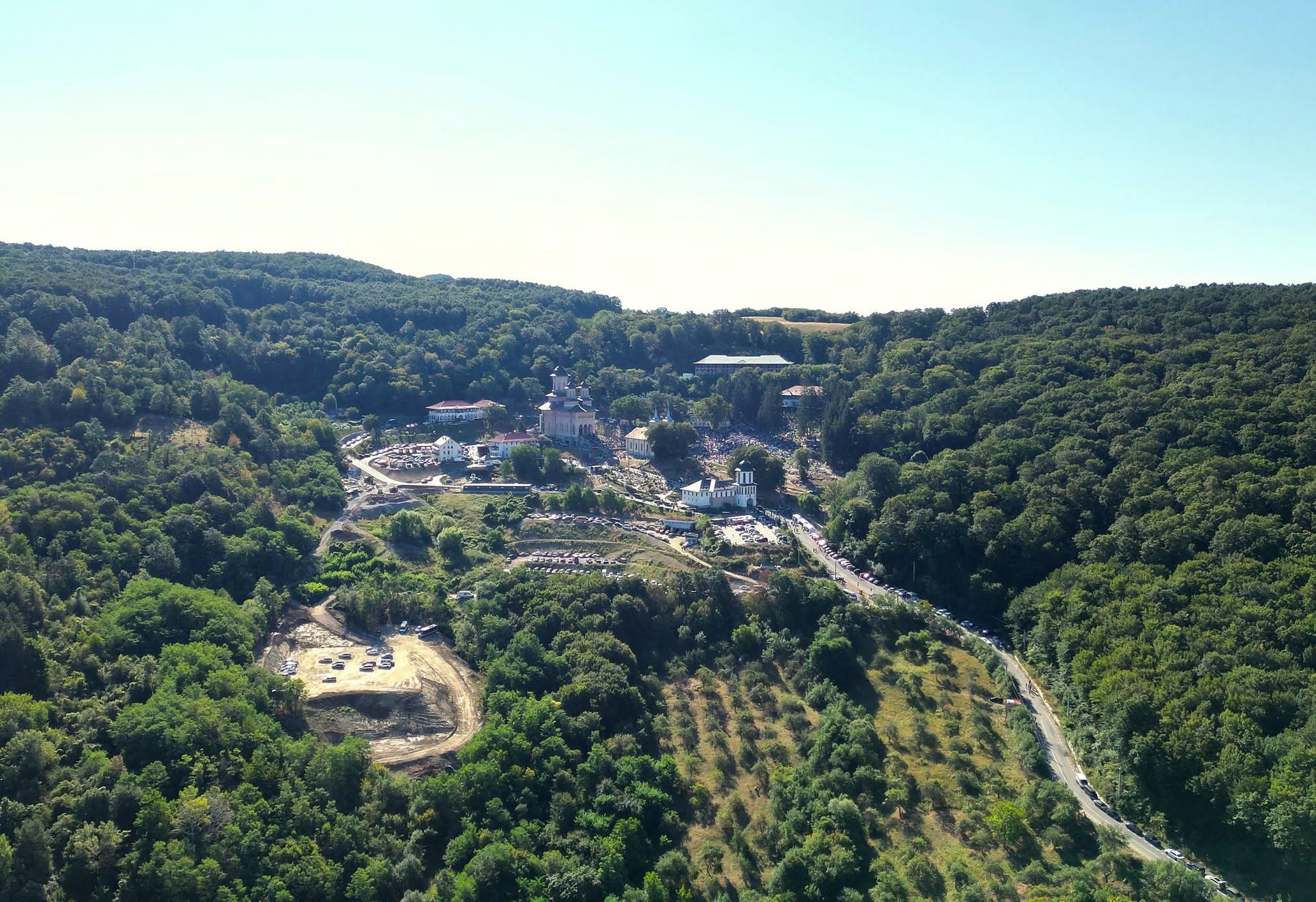
In 1326, Nicula was a forest where an Orthodox hermit named Nicolae lived an ascetic life. His name was later given to the forest, the village, and the monastery.
The first historical evidence of the monastic settlement is a wooden church built in the Maramureș style and dedicated to the Holy Trinity, dating from 1552.
The church was renovated between 1712 and 1714 but burned down in 1973. It was subsequently replaced by a 17th-century wooden church transferred from the hamlet of Năsal-Fânațe.
Beginning in 1699, Nicula became one of Transylvania’s best-known pilgrimage destinations. According to contemporary accounts, the icon of the Mother of God, painted in 1681 by the Orthodox priest Luca of Iclod, reportedly shed tears between 15 February and 12 March 1699.
Since then, generations of faithful have come to Nicula to seek the Mother of God’s help and intercession.
In 2001, with the involvement of Metropolitan Bartolomeu Anania, an extensive programme began to reorganise and develop the monastic complex.
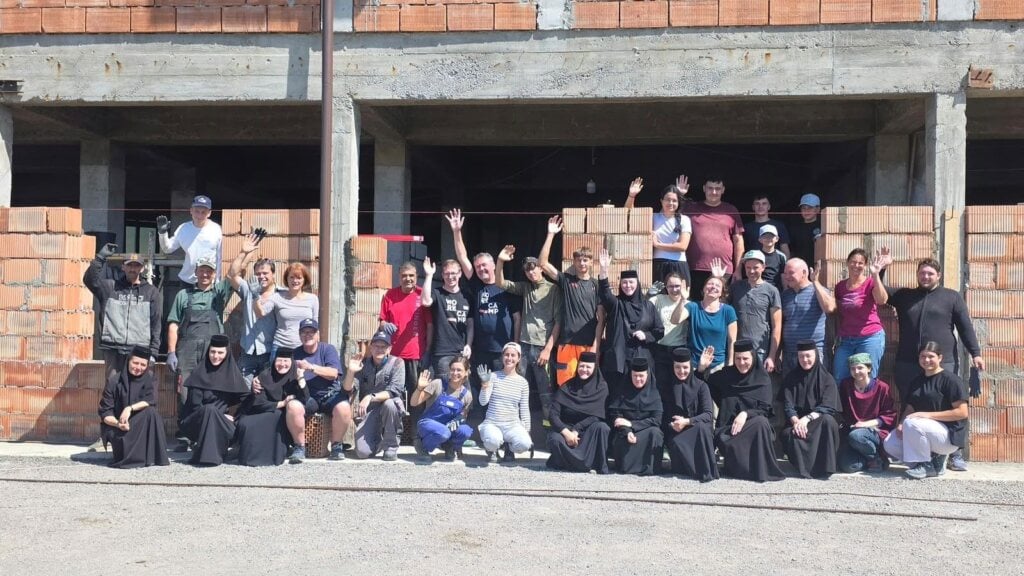
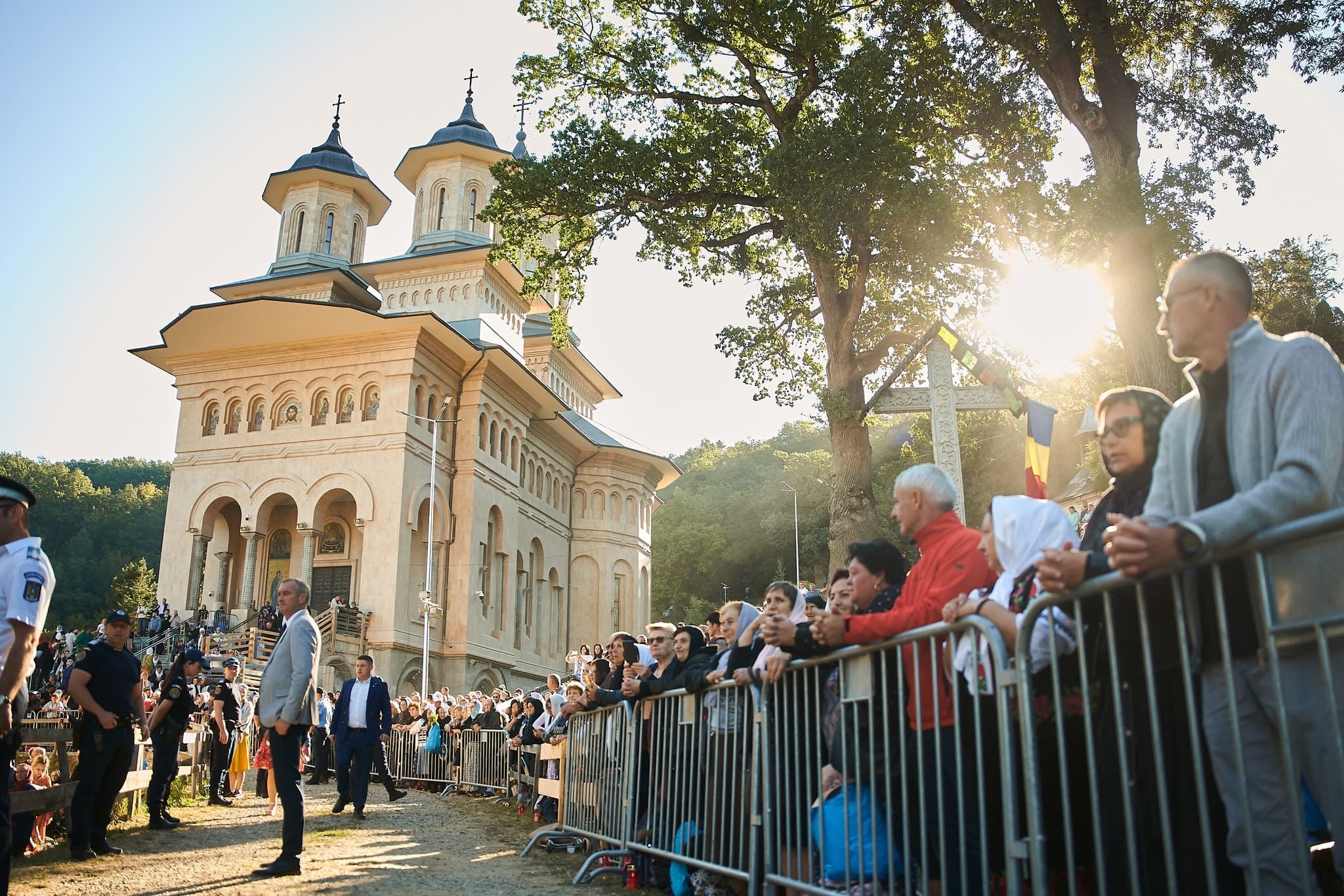
Work on the new church is now in the finishing stage, with the interior fresco painting complete.
Photo: Cluj Metropolis