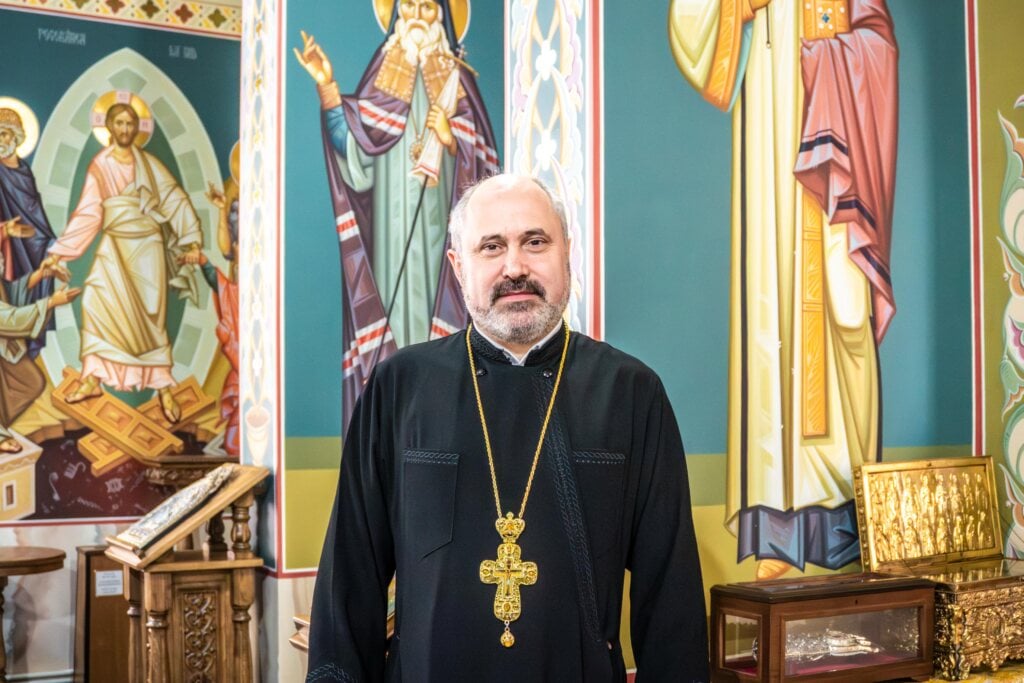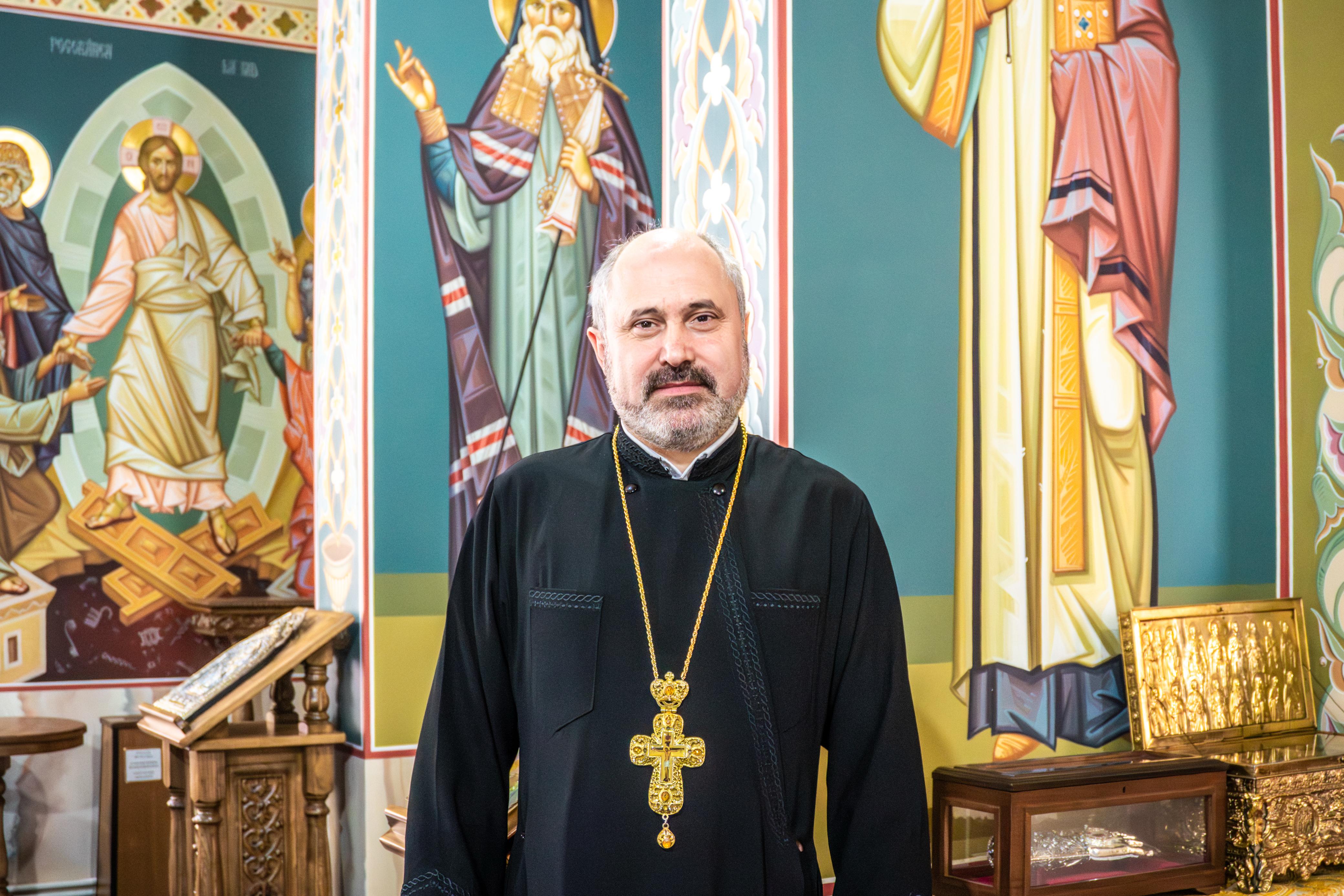
Fr Viorel Cojocaru, cultural adviser to the Archdiocese of Chișinău, explained in an interview with Doxa how Bessarabians deported from the province during the Soviet period preserved their faith and hope in God amid suffering.
The priest said that although they were forced to abandon their homes and possessions, many of those deported “travelled with Christ in their arms” through the icons they took with them, bearing witness to “an authentic faith and an extraordinary trust” in the face of tragic circumstances.
“Even in the most difficult times of crisis, they turned directly to divine providence, to God. We see that during the deportations, those who suffered had great trust in God, and it was precisely in this context that they managed to survive.”
Drawing on testimonies from descendants of those who were deported, Fr Cojocaru recalled the ordeal of families forced to leave their homes at very short notice: “They abandoned their dowry chests, their homes and their furniture.”
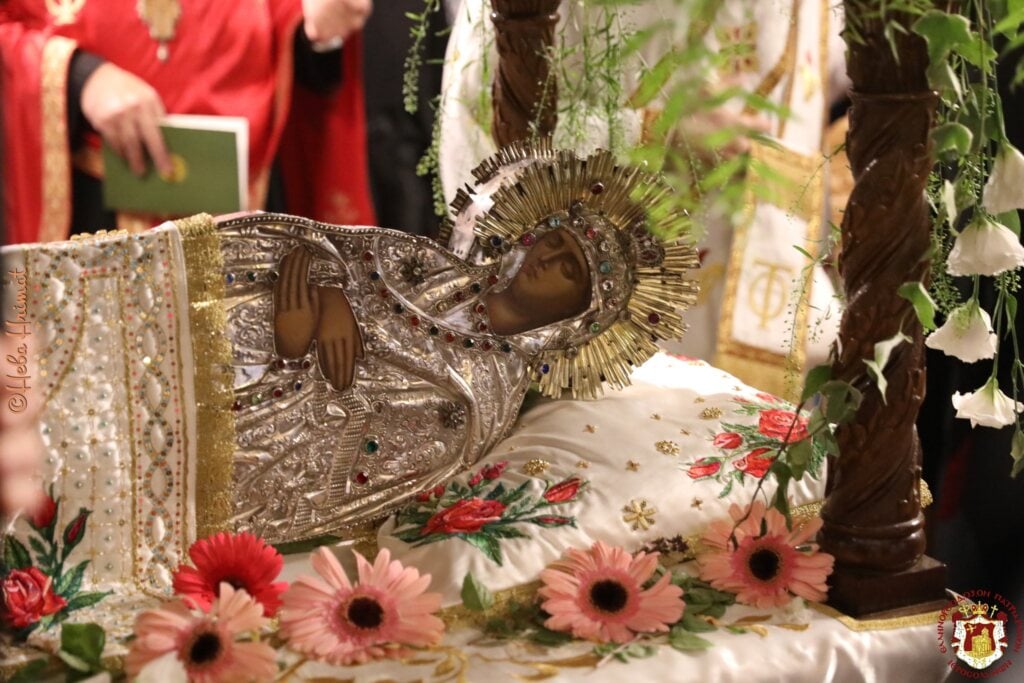
“They all took their icons with them. So that Christ would not be plundered, they took Him with them,” Fr Viorel Cojocaru said, explaining that by choosing to preserve them, “they managed to transform suffering from something devoid of value into something of genuine value”.
The living memory of confessors of the faith
The cultural adviser also recalled St Blandina the Confessor of Iași, recently canonised by the Holy Synod of the Romanian Orthodox Church, who herself endured imprisonment during the Soviet period and, through that suffering, drew closer to the Saviour.
“While she was in Kazan, in a prison in Russia, Christ appeared to her wearing the crown of thorns. She kept drawing near to wipe away the blood flowing from His head, wounded by the thorns. She then realised that if Christ suffered, suffering can bring us deliverance,” the priest said.
Fr Viorel Cojocaru stressed the importance of praying for those who endured persecution and deportation, saying that their witness to the faith remains relevant to generations today: “We have a duty to pray for them.”
“The prayers of those who suffered for our dignity, our faith in Christ and our freedom will bring about the unity of the people.”
During the Soviet regime, three major waves of deportations affected the population of Bessarabia and Northern Bukovina: on the night of 12–13 June 1941, on 5–6 July 1949, and between 31 March and 1 April 1951. These operations were not, however, the only instances of forced displacement, as similar measures were also carried out between the three major waves.
Photo: doxa.md