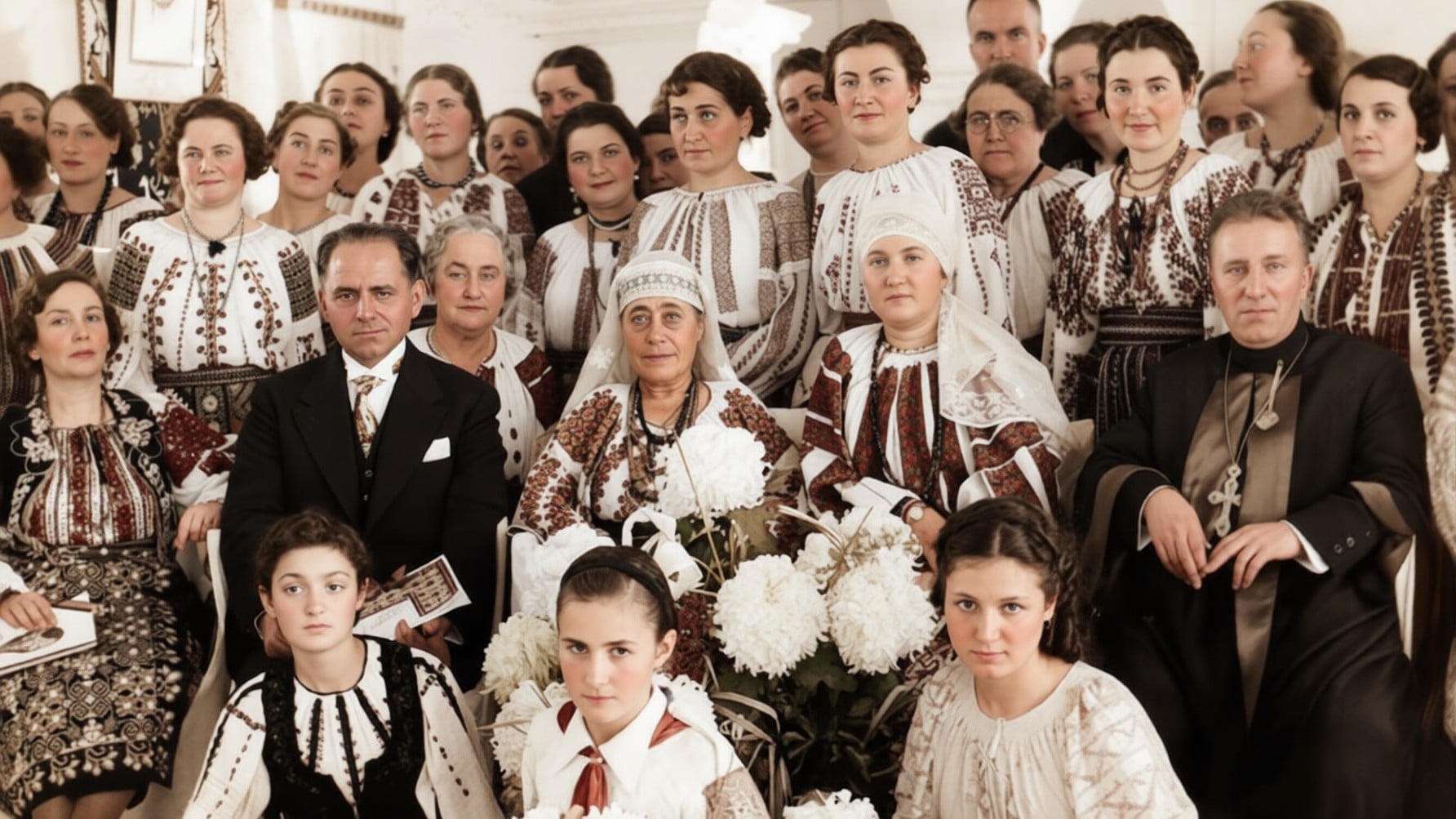
Elena Alistar, the first of seven children born to Fr Vasile Balan and Presbytera Elizaveta Balan in the village of Vaisal, Ismail County, was born on 1 June 1873.
She married Fr Dimitrie Alistar, who served in Răzeni, Chișinău County. During that period, she worked as a teacher for children in several villages. Sadly, her husband died shortly afterwards from tuberculosis.
Wishing to better understand the illness that had claimed her husband’s life, Elena Alistar enrolled in the Faculty of Medicine in Iași between 1909 and 1916, with the support of Constantin Stere, president of the National League of Romanians.
During these years, she never ceased writing and advocating for the union of Bessarabia with Romania. As a result, in 1914, she was arrested by the Tsarist authorities and imprisoned in Chișinău for 45 days. Released for lack of evidence, she went to Iași, where she was mobilised as a physician on the front lines in 1916.
In 1917, she participated in the establishment of the Moldavian National Party and founded the Torch Society of Women Medical Students and the Cultural League of Women of Bessarabia, organisations that supported the union of Bessarabia with Romania.
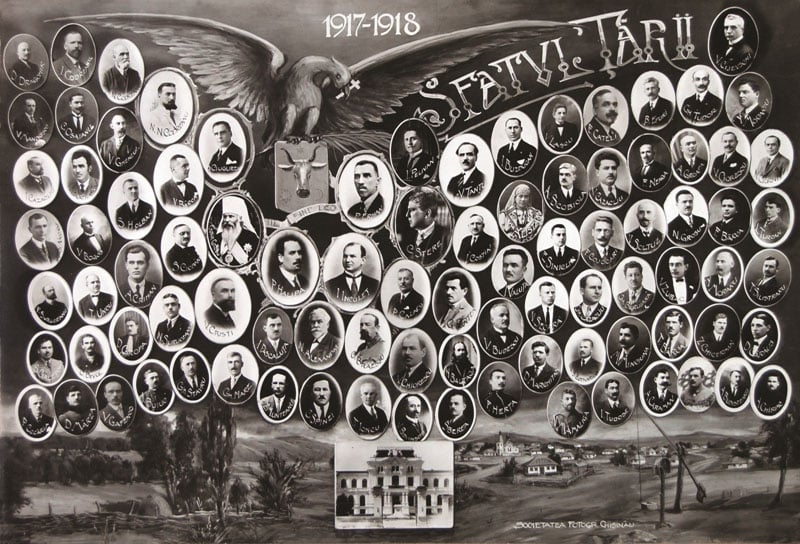
In October 1917, she was elected deputy to the Sfatul Țării (National Council) in Chișinău, serving from 21 November 1917 to 27 November 1918. In a speech delivered on 11 February 1918, Elena Alistar declared:
“Now or never, we must unite! Every Moldavian, no matter how democratic he may be, must understand this and do everything possible, make every sacrifice, in order to accomplish this Union.”
She voted for the Union of Bessarabia with Romania on 27 March 1918 and took part in events celebrating the Union, always wearing traditional Romanian dress, which she regarded as an essential symbol of Romanian identity.
On 1 December 1918, she was appointed headmistress of the Diocesan Girls’ School in Chișinău, a position she held until 1938.
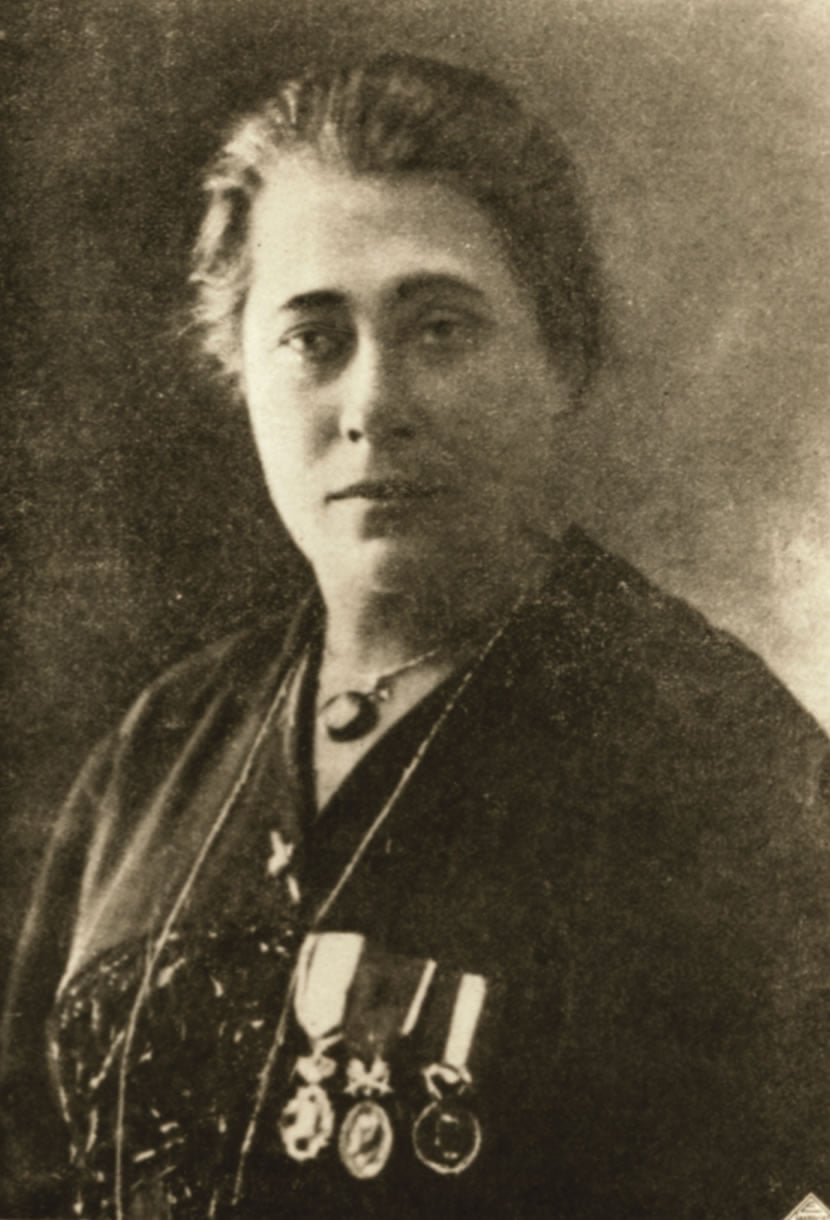
Elena Alistar founded the Cultural League of Women of Bessarabia and the League of Romanian Women, and was active in the National Orthodox Society of Romanian Women and the Red Cross.
On 28 June 1940, when Bessarabia was annexed by the Soviet Union, she sought refuge in Romania, first settling in Iași and later in Pucioasa, Dâmbovița County, where she reposed in the Lord in 1955.
In 1963, her remains were reinterred at Bellu Cemetery by the family of writer Magda Isanos, who was her niece.
Today, a high school in Chișinău bears the name of the first woman parliamentarian from the territories inhabited by Romanians.
Her spiritual legacy may be summed up in the following words, taken from a speech she delivered before the Cultural League of Women of Bessarabia:
“Every human being must contribute their share of work, heart, soul, their very being, and even their life, in order to contribute, however little, to the fulfilment of the aspirations of their nation.”
Sources: Diocese of Southern Bessarabia; Encyclopedia of Romania; Măiestria;
Photo: Maiestria.com