Romanian Orthodox bishop calls for dialogue between spiritual life and psychology

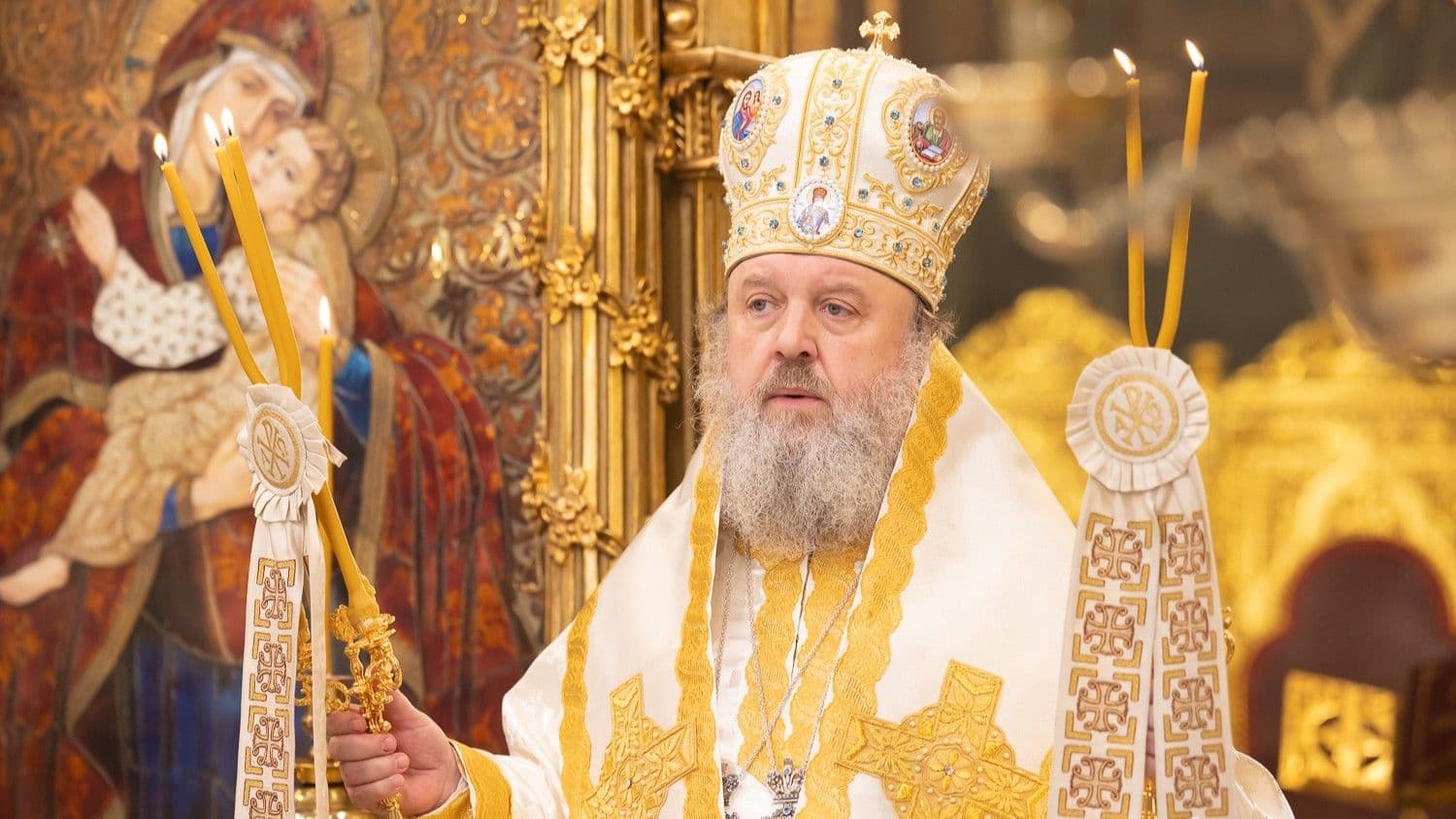
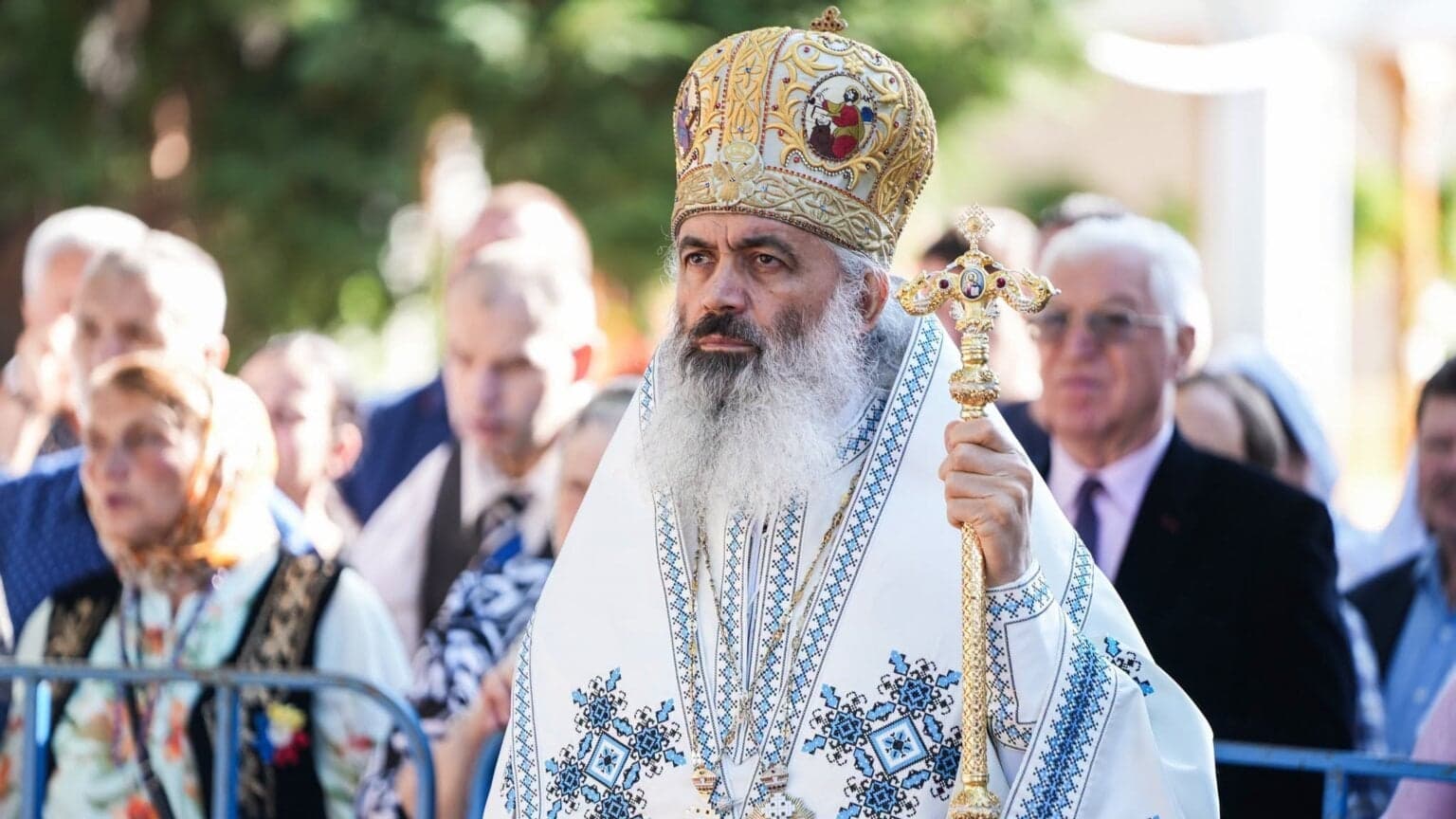
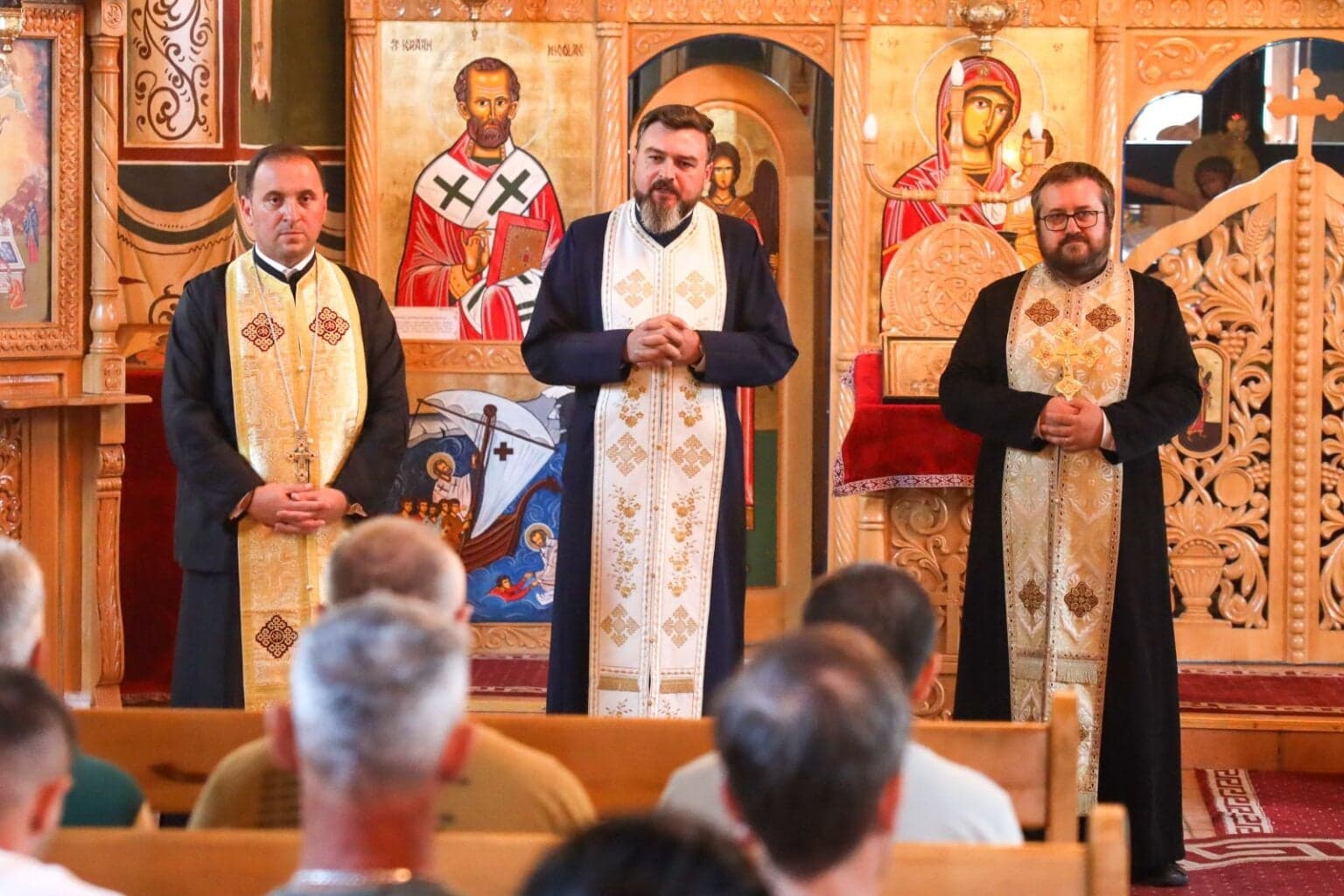
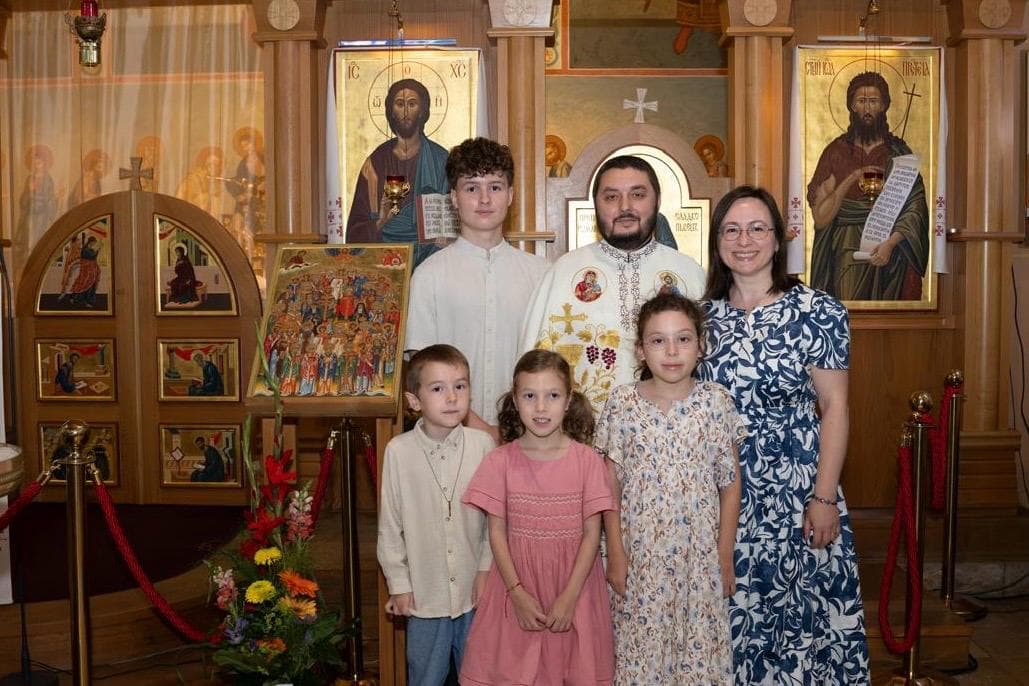
His Grace Assistant Bishop Damaschin of Dorna from the Archdiocese of Suceava and Rădăuți gave an interview as part of the Hristocentric project in which he addressed one of the most sensitive issues of our time: the relationship between spiritual life and psychology, the need for interdisciplinary dialogue, and the search for the integral healing of contemporary man.

The starting point of Bishop Damaschin’s reflections is Pauline and patristic anthropology, which he describes as a holistic framework for understanding the human person.

“In particular, Pauline anthropology, contained in some of his epistles, is especially revealing, in the sense that the Holy Apostle Paul presents the constitution of man not merely in a dual manner, bodily part and spiritual part, but goes further, showing that the spiritual aspect of man has two dimensions: the soul, subject to the laws of nature yet capable of growth, decline, healing and alienation, as well as the spirit, the most refined part of the spiritual being, dwelling in the atmosphere of spiritual heights through which man can enter into communion with the Holy Spirit and, through Him, with the entire Holy Trinity.”

“Without dogmatising the tripartite constitution of human nature, without forcing the understanding of this structure into sterile, autonomous and independent layers of action and responsibility, the Pauline perspective, which became the model and source for the patristic one, allows for a holistic approach to the human person that explains more fully and more deeply — though never exhaustively — the realities concerning man,” Bishop Damaschin explained.

Confession and psychotherapy

The bishop also spoke about the Sacrament of Confession and psychological counselling. Confession, he explained, seeks personal acceptance of responsibility:

“Confession is not a psychotherapy session; it does not seek to identify the deep underlying causes of an attitude or behaviour.”

“When we identify or project guilt and responsibility onto someone else, we no longer possess the necessary inner combustion for healing.”

Regarding the relationship between the two approaches, his position was unequivocal:

“Cases of weakness situated on the borderline of psychological pathology, or which are part of that spectrum, should be approached through both paths: Confession and counselling.”

At the same time, His Grace noted that in both one may discern “the sign of God’s presence, Who, through different means and through people faithful to Him, works towards the healing of His creation.”

The Ladder of Saint John Climacus

Asked about the relevance of patristic writings for modern man, Bishop Damaschin quoted from The Ladder of Divine Ascent by John Climacus, identifying in the saint’s exhortation a remarkable intuition:

“In places where you have become accustomed to fear, do not hesitate to go there in darkness. (…) When going there, arm yourself with prayer.”

The hierarch sees in this advice a convergence with certain approaches in modern psychology and calls for a shared effort, saying there is a need for “someone who, having spiritual experience in the Church, has also specialised in psychology and/or psychotherapy and is capable of discovering intuitions of the Church Fathers long before some discoveries or developments made by scientists.”

“The antidote to fear is love”

Quoting Fr Elpidios Vagianakis, the bishop said that “the antidote to fear is love; the opposite of love is not hatred, but fear”, encouraging the cultivation of authentic love purified of superficiality.

“Not the kind worn down through careless overuse, such as the now insignificant phrase ‘I love you – I love you too’, but the highest form: the love of God.”

Within the embrace of this love, the bishop explained, man gains the courage to accept his own limitations:

“We shall accept our shortcomings, place them before the Lord, asking Him for forgiveness and healing.”

Photo: Archdiocese of Suceava and Rădăuți


Latest News