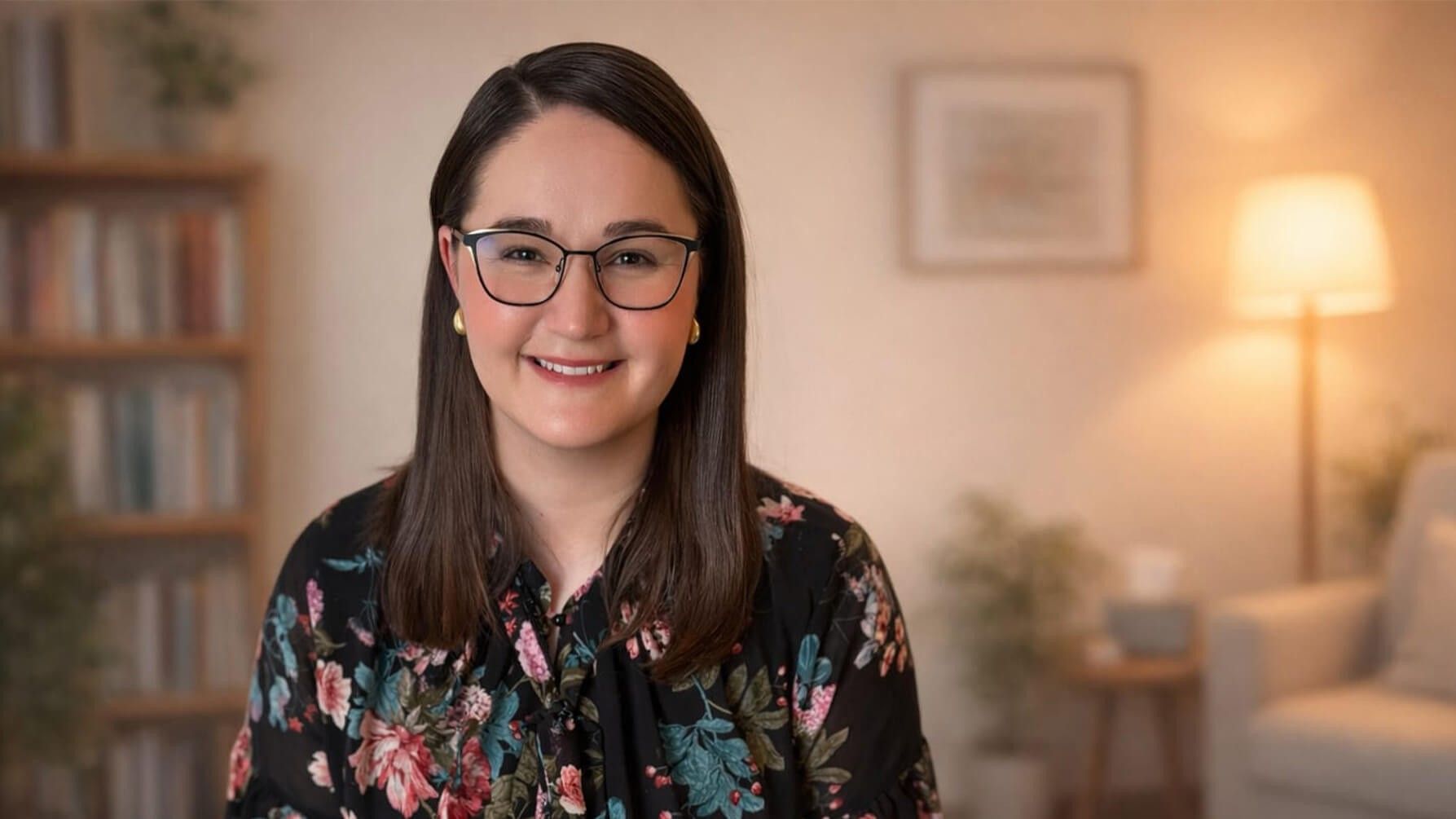
Claudia Maria Podașcă, a Romanian neurologist based in Germany, spoke in an interview hosted by the Hristocentric platform about her experience in neurology and emergency medicine.
The physician said that her work across different branches of medicine has profoundly changed her perspective on life and suffering.
“In emergency medicine, I understood how fragile the boundary between life and death is—how quickly a person can face death and, at the same time, how unexpectedly they can be brought back to life.”
“I felt how limited our power as doctors is and how much life ultimately remains in the hands of God,” she added.
Healing of Body, Mind and Soul
Her experience in intensive care also raised deep existential questions: “Faced with these realities, I came to understand more clearly that medicine has limits: it can sustain biological life, but it cannot answer questions about meaning, salvation and existence.”
“I realised that healing must be integral: body, mind and soul,” the doctor said.
In this context, she emphasised the importance of collaboration among specialists: “We cannot speak coherently about healing if we separate the body from the soul.”
She added that the solution lies in an integrated approach, in which “the doctor treats the illness, the psychologist works with emotions, and the priest addresses the spiritual meaning of suffering”.
Framework for Dialogue and Shared Formation
Referring to the Hristocentric project, Claudia Maria Podașcă said it responds to a real need: “It creates a clear framework for dialogue and joint formation for priests, doctors and psychologists, and proposes models of intervention in which the patient is approached as a person, a unity of body and soul.”
In conclusion, the physician conveyed a message about the relationship between science and faith:
“I hope that those seeking help will no longer have to choose between a doctor, a psychologist or a priest, but will find us united in the same work.”
Photo: Hristocentric