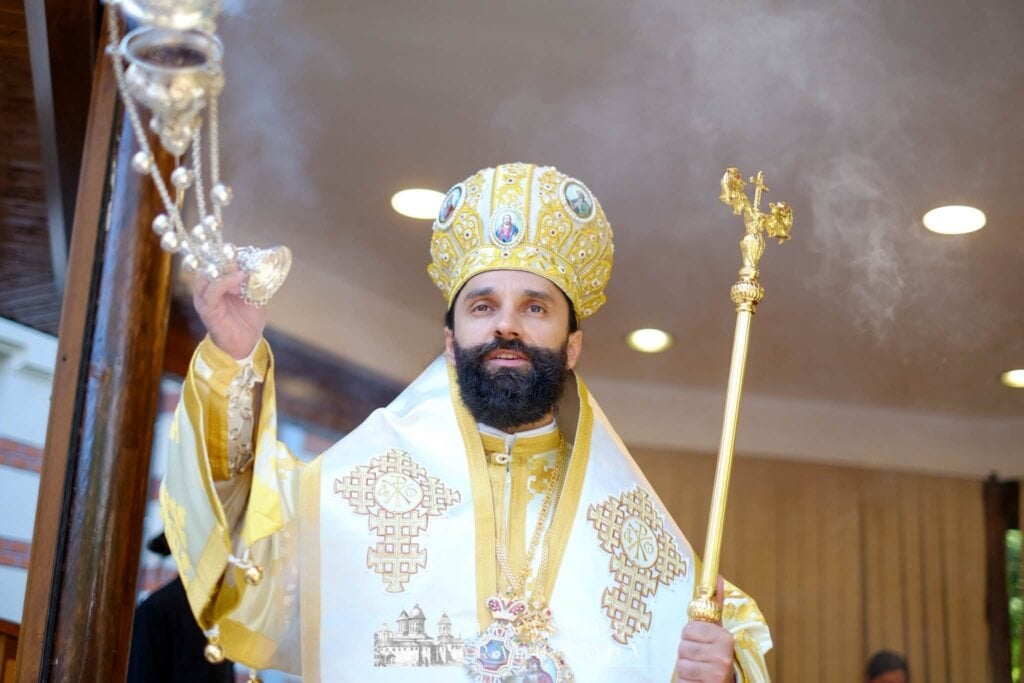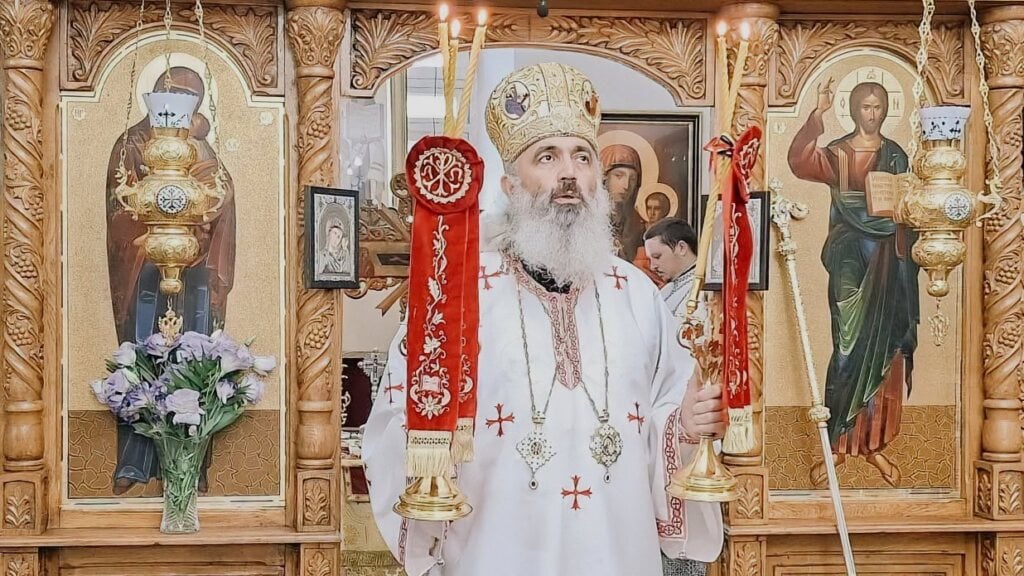
His Grace Bishop Damaschin of Dorna, assistant bishop to the Archdiocese of Suceava and Rădăuți, said on Saturday that the Virgin Mary weeps when she sees the state of today’s world, shaken by sin and war.
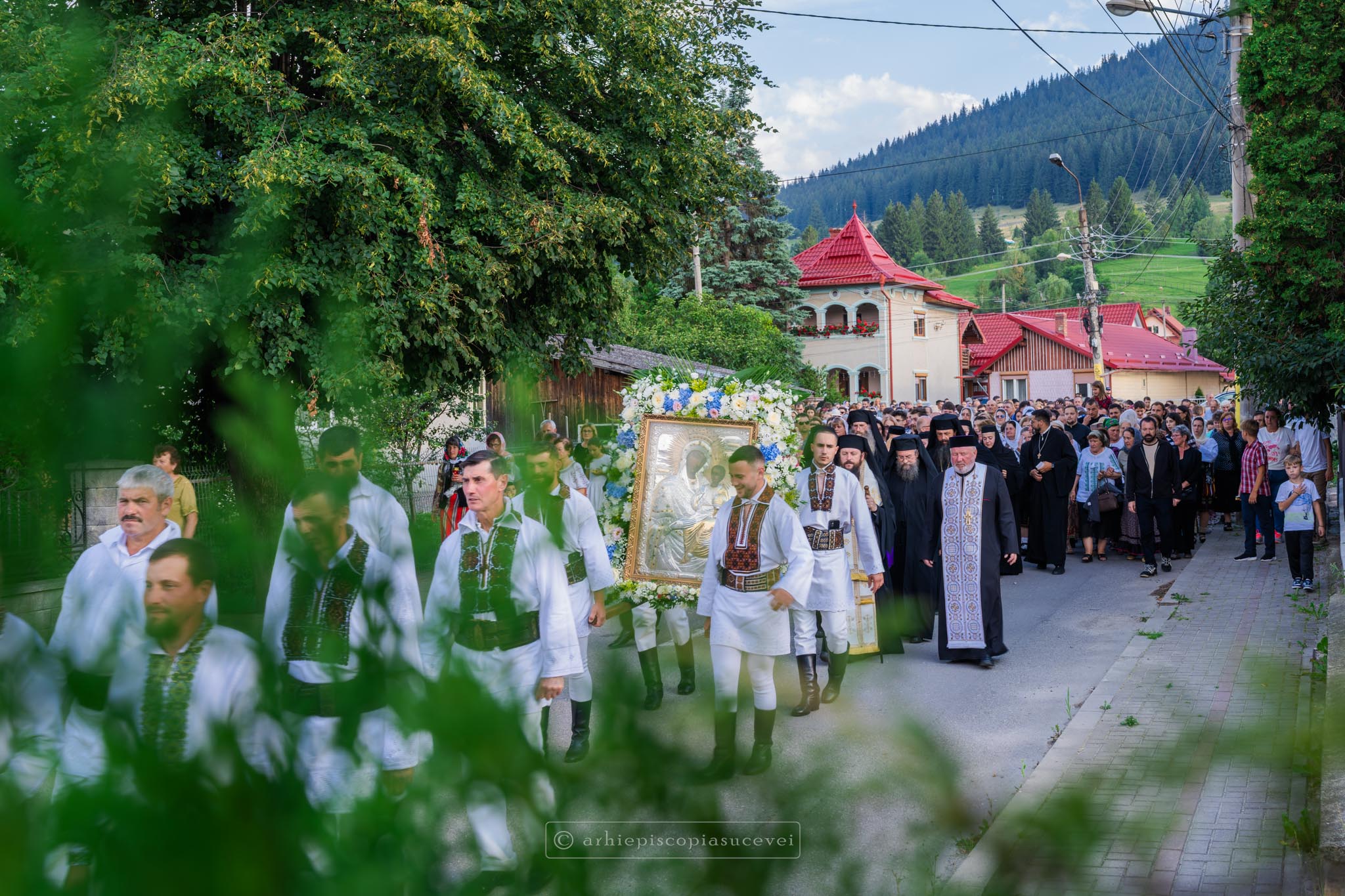
Speaking at the “Honouring the Mother of God” procession in Câmpulung Moldovenesc, which featured the wonderworking icon of the Virgin and Child from Rarău Monastery, the hierarch noted the contrast between the Mother of Christ and those who inhabit the modern world, according to the Archdiocese of Suceava and Rădăuți.
“We must all ask ourselves a question about our lives: how do we stand before the Mother of God? In one of the hymns I heard during this procession — a song born of the people’s devotion, in simple words — it says: Do not let us perish on the way, Mother, for we are the children of your tears. Why the children of her tears? (…) Why does the Mother of God weep?”
“How could she not weep when she looks at us, at the world we live in? She, who gave birth to the One who brought peace on earth, what does she see here, just a few kilometres from our border? Peace — or war?” Bishop Damaschin asked.
He went on to say that even the Christian world does not present a better picture.
“She, who was obedient to God the Father — how could she not be saddened when she sees so much disobedience in the world that calls itself Christian? The disobedience of children toward parents, our disobedience to what we hear in church, disobedience to God’s commandments and laws; she, who was so humble that no human being in the flesh has ever reached such humility — how could she not be saddened when she sees around us, and within us, so much pride, arrogance, and selfishness?” the bishop added.
The wonderworking icon of the Mother of God from Rarău Monastery
The wonderworking icon of the Mother of God from Rarău Monastery was gifted by Petru Rareș in 1538, brought from Mount Athos. Painted after the “Gatekeeper” (Portaitissa) icon at Iviron, it became a symbol of divine protection. Rareș, founder of the Rarău hermitage, built the settlement in gratitude to the hermits there. The icon has drawn pilgrims for centuries because of its miracles.
In 1798, the icon disappeared from the altar and was found at the church entrance. The monks moved the hermitage to the village of Chiril, on land donated by nobleman Balș. In 1935, the icon returned on its own from the narthex to the nave. The Mother of God is said to have asked in a vision that it be placed in a special stand.
In 1958, Father Daniil Sandu Tudor composed the Akathist Hymn to the Burning Bush before the icon.
Since 2024, the icon has been carried annually in the “Honouring the Mother of God” procession in Câmpulung Moldovenesc. Thousands of faithful have venerated it for health and comfort, and it remains a landmark of faith in Bucovina.
Photo: Archdiocese of Suceava and Rădăuți