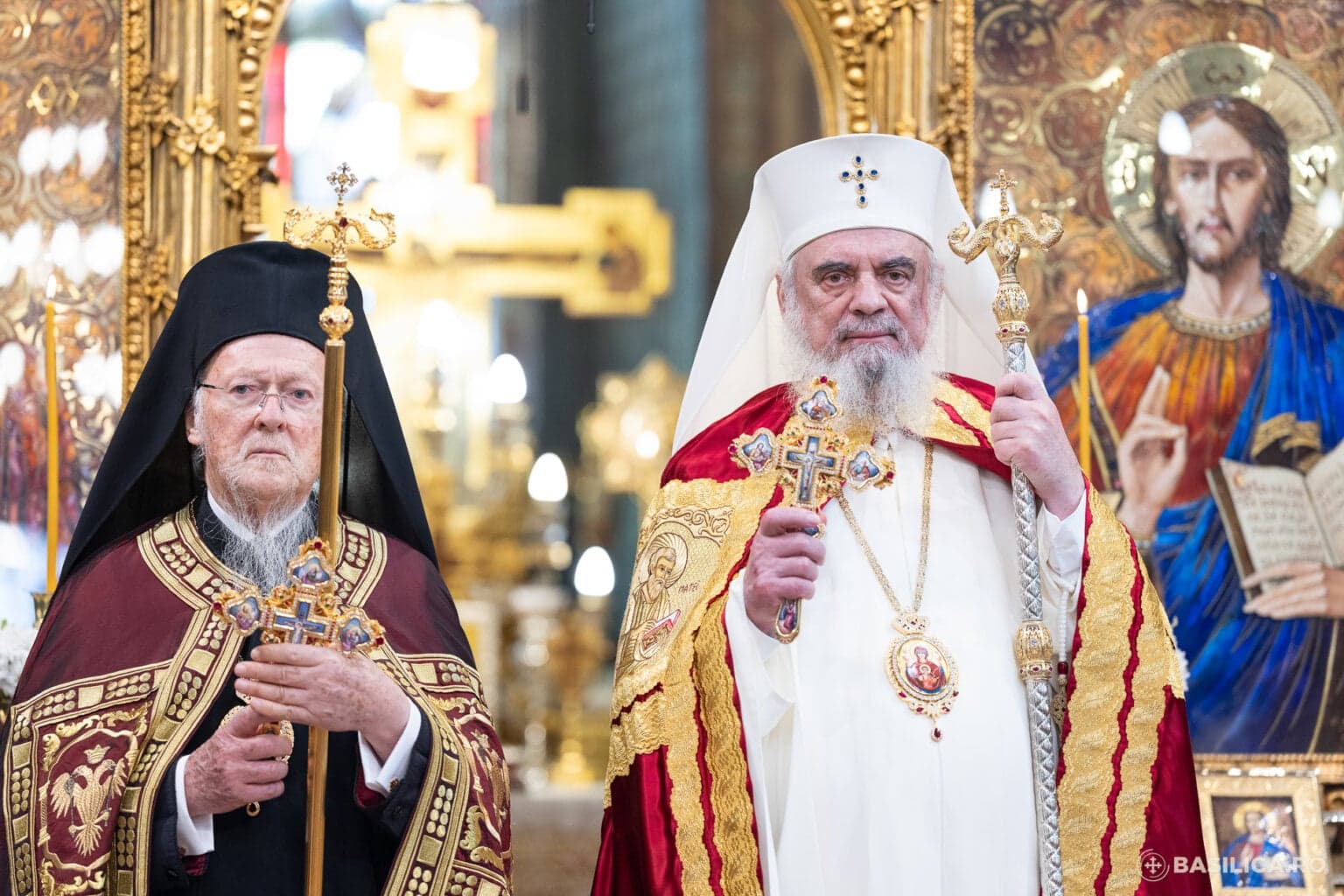
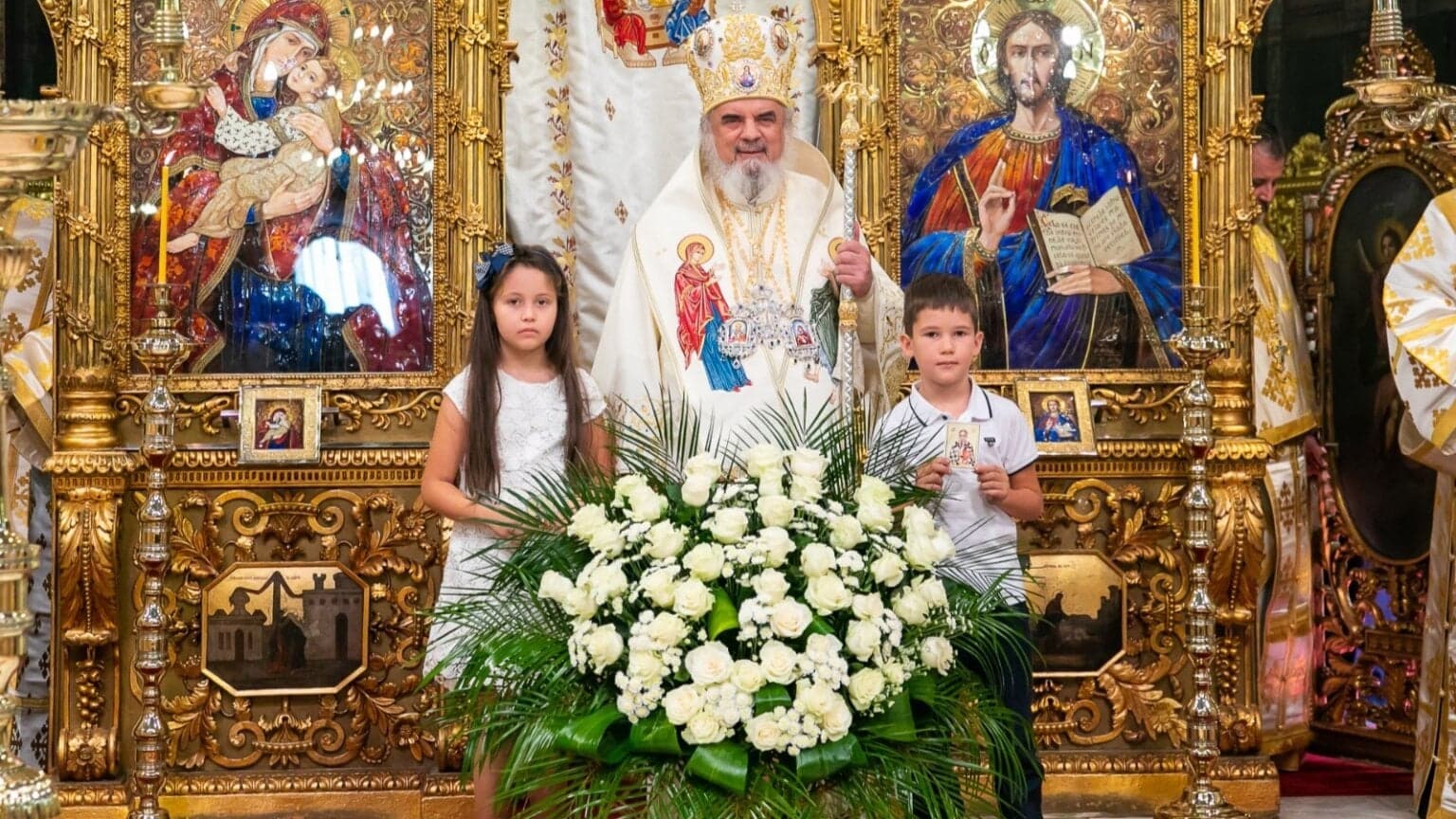
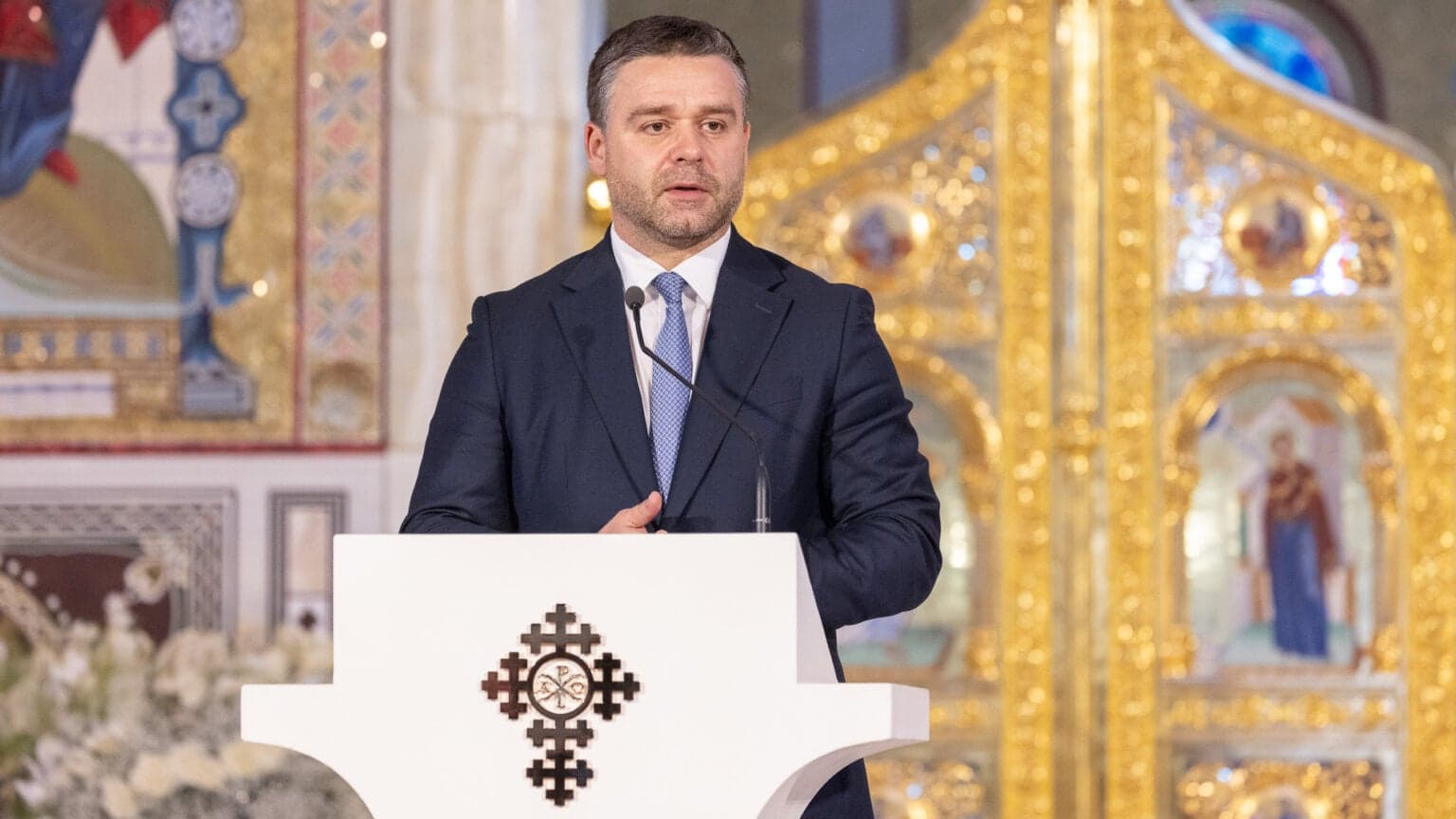
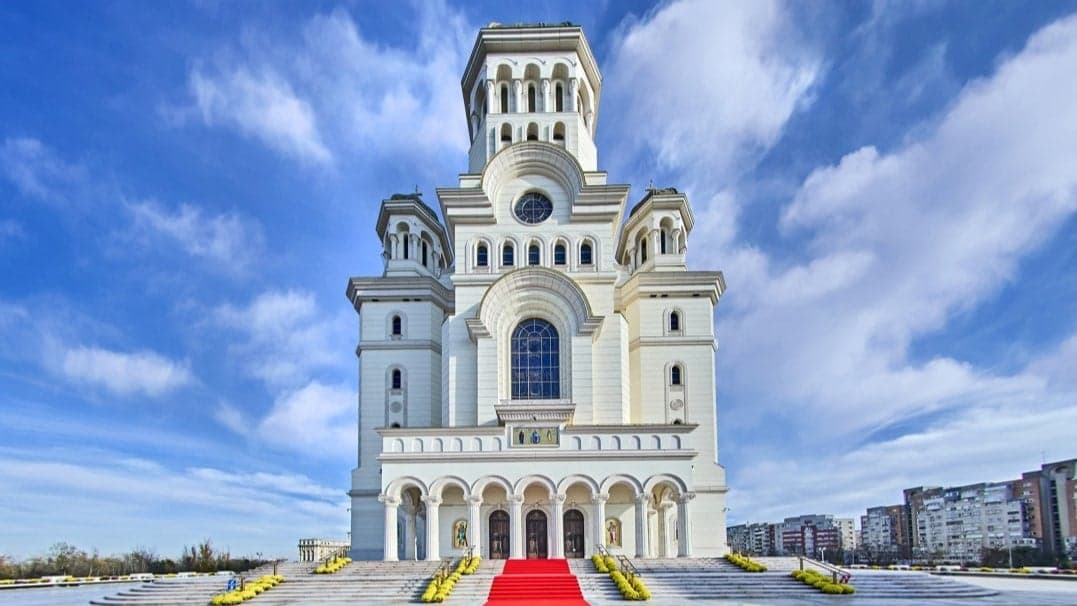
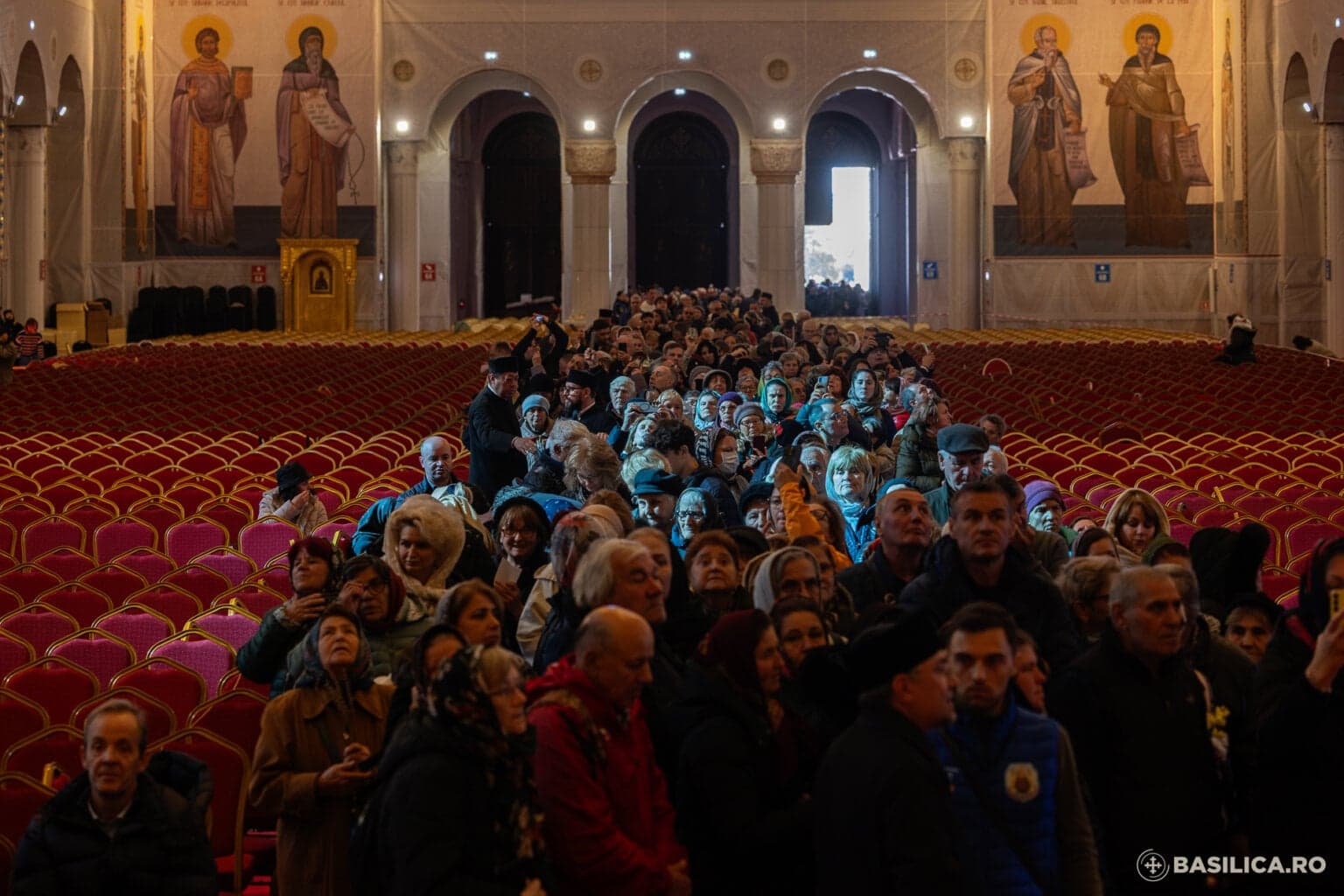
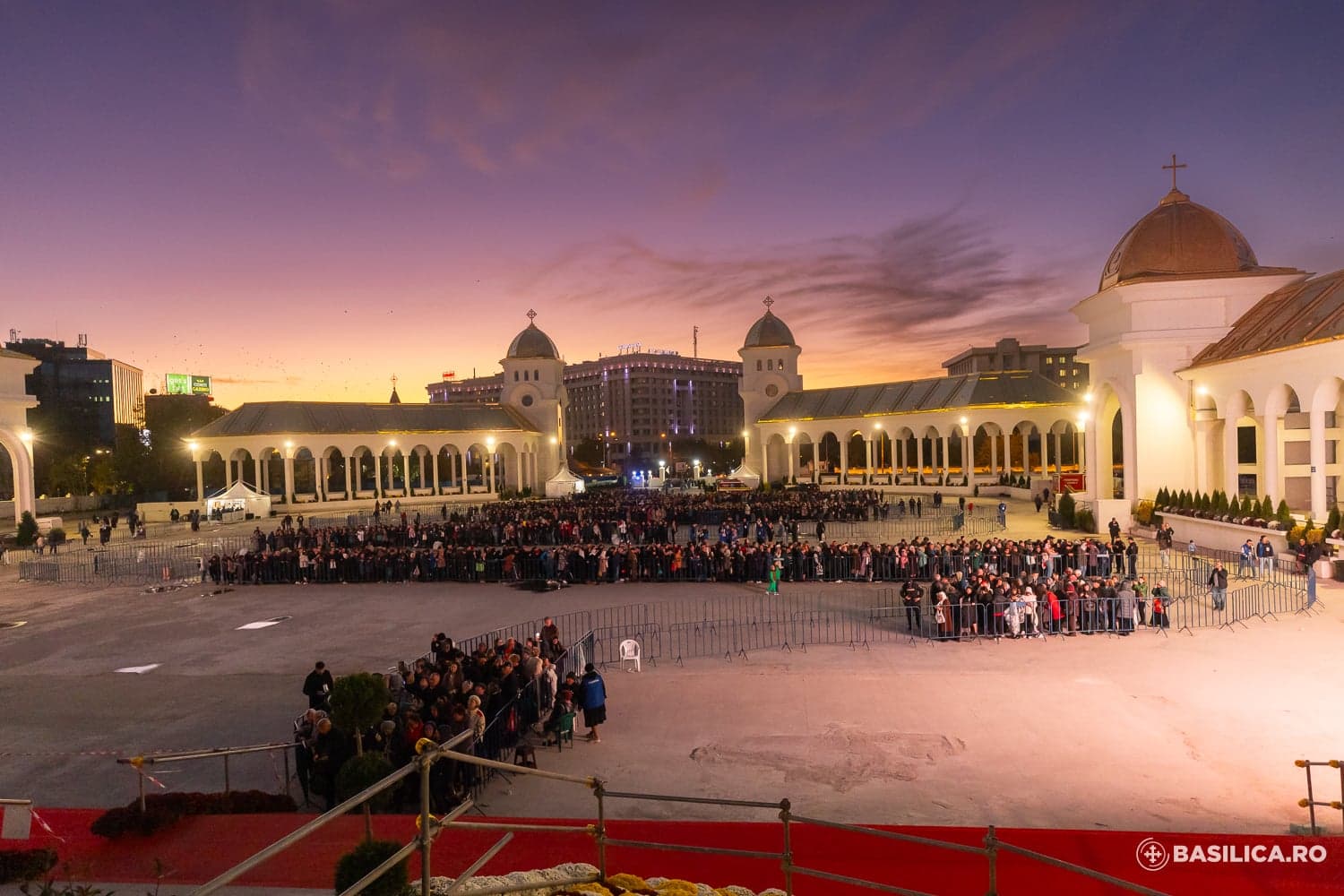
In 2025, the Romanian Orthodox Church marks a century since one of the most significant milestones in its modern history: the elevation to the rank of Patriarchate. This centennial year offers not only a celebration of ecclesiastical achievement but also an opportunity to honour the spiritual, cultural, and national vision that shaped the Patriarchate’s foundation in 1925.
At the heart of this historic transformation stood Metropolitan Miron Cristea, later enthroned as the first Patriarch of Romania, supported by leading hierarchs, theologians, and state figures. The proposal was first drafted by Metropolitan Pimen Georgescu, formally introduced by Metropolitan Nectarie Cotlarciuc, and carefully codified under the guidance of Bishop Bartolomeu Stănescu.
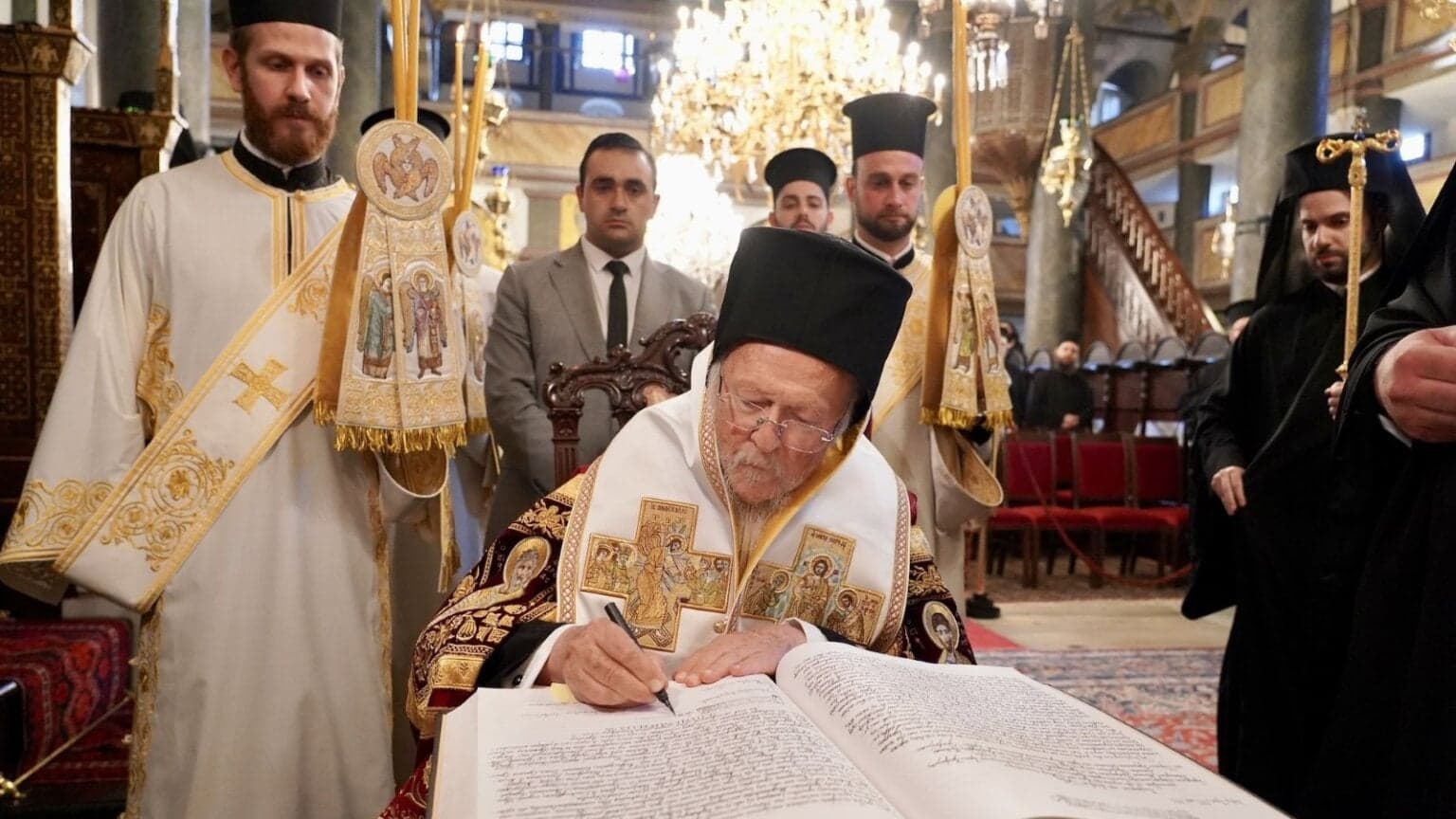
The recognition of the Romanian Patriarchate by the Ecumenical Patriarchate of Constantinople—through a solemn Tomos signed in Bucharest in the presence of Patriarchal envoys—confirmed Romania’s spiritual maturity within the family of Orthodox Churches. At the state level, King Ferdinand I played a decisive role by signing into law the act that officially conferred patriarchal status on the Romanian Church.
This article traces the key moments, figures, and documents that laid the foundation for a century of Romanian Orthodox leadership, resilience, and renewal—a legacy that continues to shape the spiritual identity of a nation.
Patriarch Miron Cristea

The central figure in the elevation of the Romanian Orthodox Church to the rank of Patriarchate was Metropolitan Primate Miron Cristea, who became the first Patriarch of Romania.
Although the elevation to Patriarchal status took place on February 4, 1925, the enthronement of the first Patriarch occurred on November 1, 1925. During this period, the Romanian Patriarchate was officially recognised by both the state and the Ecumenical Patriarchate.
In his first address as Patriarch, Miron Cristea emphasised the fundamental idea that “the spiritual unity of the millions of Romanian Orthodox faithful will increase the life-giving spirit for our people and their country, and will form, from this spiritual bond, the strongest cement for the cohesion of the nation and its normal development in the future into an ever-stronger national unity.”
Metropolitan Pimen Georgescu

Metropolitan Pimen Georgescu of Moldavia drafted the proposal for elevating the Romanian Orthodox Church to the rank of Patriarchate.
On the historic day of February 4, 1925, he was unable to attend the meeting of the Holy Synod due to health reasons.
Following the hierarchical order, the proposal was read by Metropolitan Nectarie Cotlarciuc of Bukovina. The document was signed by seven hierarchs of the Holy Synod of the Romanian Orthodox Church.
The proposal stated:
“The Metropolis of Hungaro-Wallachia, with its metropolitan seat in Bucharest, shall be elevated to the rank of Patriarchate, and the Metropolitan of Hungaro-Wallachia, as Primate of Romania—who by right is also the president of the Holy Synod—shall bear the title of Patriarch of the Romanian National Orthodox Church, with residence in Bucharest.”
Bishop Bartolomeu Stănescu

Bishop Bartolomeu Stănescu of Râmnic was appointed by the Holy Synod of the Romanian Orthodox Church as rapporteur responsible for drafting the Act of Establishment of the Romanian Patriarchate.
The founding document states:
“From this day forward, the Romanian people, through their own political and ecclesiastical sovereignty, establish the Patriarchate for the Romanian Orthodox Church, recognising the Metropolitan of Bucharest and of the Country with the title of Patriarch of Romania, in place of the former title of Primate of Romania.”
Bishop Bartolomeu Stănescu, together with Bishops Nectarie of Bukovina and Lucian of Roman, were tasked with drafting the official notification to be sent to the sister Orthodox Churches, according to the source The Romanian Patriarchate: Acts and Documents by Tit Simedrea.
Ecumenical Patriarch Basil III

The recognition of the elevation of the Romanian Orthodox Church to the rank of Patriarchate is closely linked to the personality of Ecumenical Patriarch Basil III.
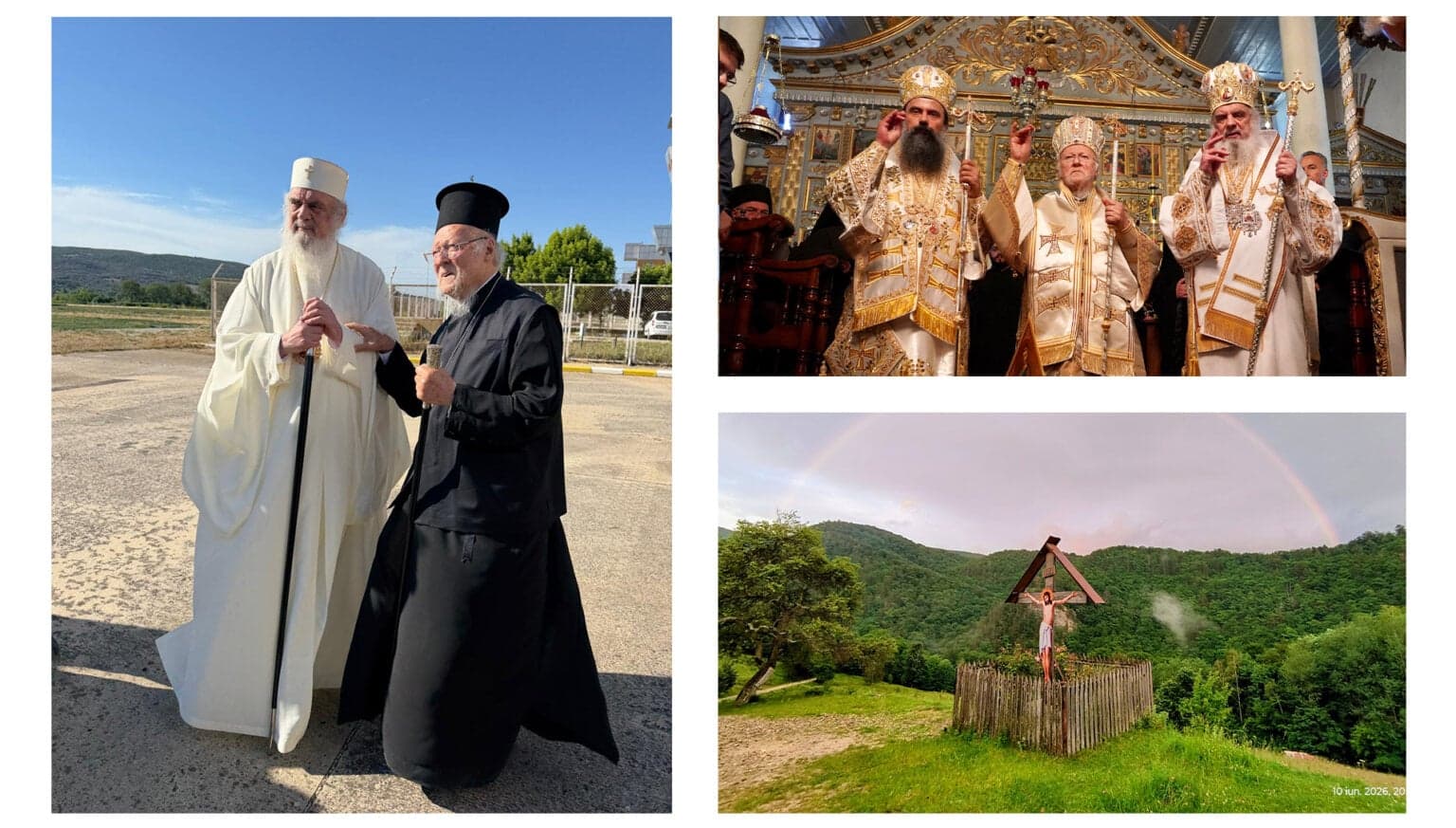
On September 23, 1925, a delegation from the Ecumenical Patriarchate arrived in Bucharest for the official signing of the Tomos recognising the Romanian Patriarchate. The delegation was composed of Metropolitans Joachim of Chalcedon and Germanos of Sardis, accompanied by the Great Dragoman of the Ecumenical Patriarchate, Spyros Constantinidis.
“We warmly congratulate Your Beatitude on this new dignity of the highest honour, which has been unanimously recognised by our Holy and Venerable Synod,” stated the Tomos of the Ecumenical Patriarchate.
The signing of the document took place in Bucharest on September 27, 1925.
In addition, Patriarch Basil III sent an encyclical letter to all autocephalous Orthodox Churches, announcing the recognition of the Romanian Patriarchate.
King Ferdinand I

King Ferdinand I, who reigned in Romania from 1914 to 1927, was the one who promulgated the Law for “the Elevation of the Archdiocesan and Metropolitan See of Hungaro-Wallachia, as Primate of Romania, to the Patriarchal See.”
Article Two of this law stipulated:
“The current Archbishop and Metropolitan of Hungaro-Wallachia, His Eminence Miron Cristea, becomes, in his capacity as Primate of Romania, the Patriarch of the Romanian Orthodox Church.”
King Ferdinand I signed the law in Bucharest on February 23, 1925, and it was published in the Official Gazette No. 44, dated February 25, 1925.
A century after this historic event, the Romanian Orthodox Church has designated 2025 as the “Solemn Year of the Centennial of the Romanian Patriarchate” and the “Commemorative Year of Romanian Orthodox Spiritual Fathers and Confessors of the 20th Century.”